
Preventing Thalassemia early and proactively.
Thalassemia (congenital hemolytic anemia) is and will continue to be a major burden on public health, especially in ethnic minority and mountainous regions – where economic conditions are challenging, awareness of reproductive health care is uneven, and access to quality healthcare services is limited.
Given this situation, promoting communication, counseling, health check-ups, and pre-marital screening is considered a humane, effective, and sustainable solution to prevent diseases at their root, protect family happiness, and improve the quality of the population in the current period.
The burden of caregiving
In the work notebook of Ms. Luong Thi Trang, a population officer at Chau Hanh Commune Health Station, there is a list of 7 people with Thalassemia whom she directly manages. The youngest was born in 2019, and the oldest is now over 20 years old.
Not only does she know the names and birth years by heart, Ms. Trang also remembers the circumstances of each family. Among them, there's a child born in 2009 who, due to a serious illness and family poverty, had to drop out of school after 9th grade to help their parents. There's also a family with two children, both with different fathers but sharing the same mother, both suffering from thalassemia. Caring for and treating these children is a long and arduous journey, as the family has to take them to the Provincial Hematology and Blood Transfusion Center every month for blood transfusions and iron chelation therapy, costing them both money and effort.
"Just one child with thalassemia is a burden that lasts for many years, even a lifetime. Therefore, in every awareness campaign, we always emphasize that couples need to proactively get screened before pregnancy to avoid unfortunate consequences," Ms. Trang shared.
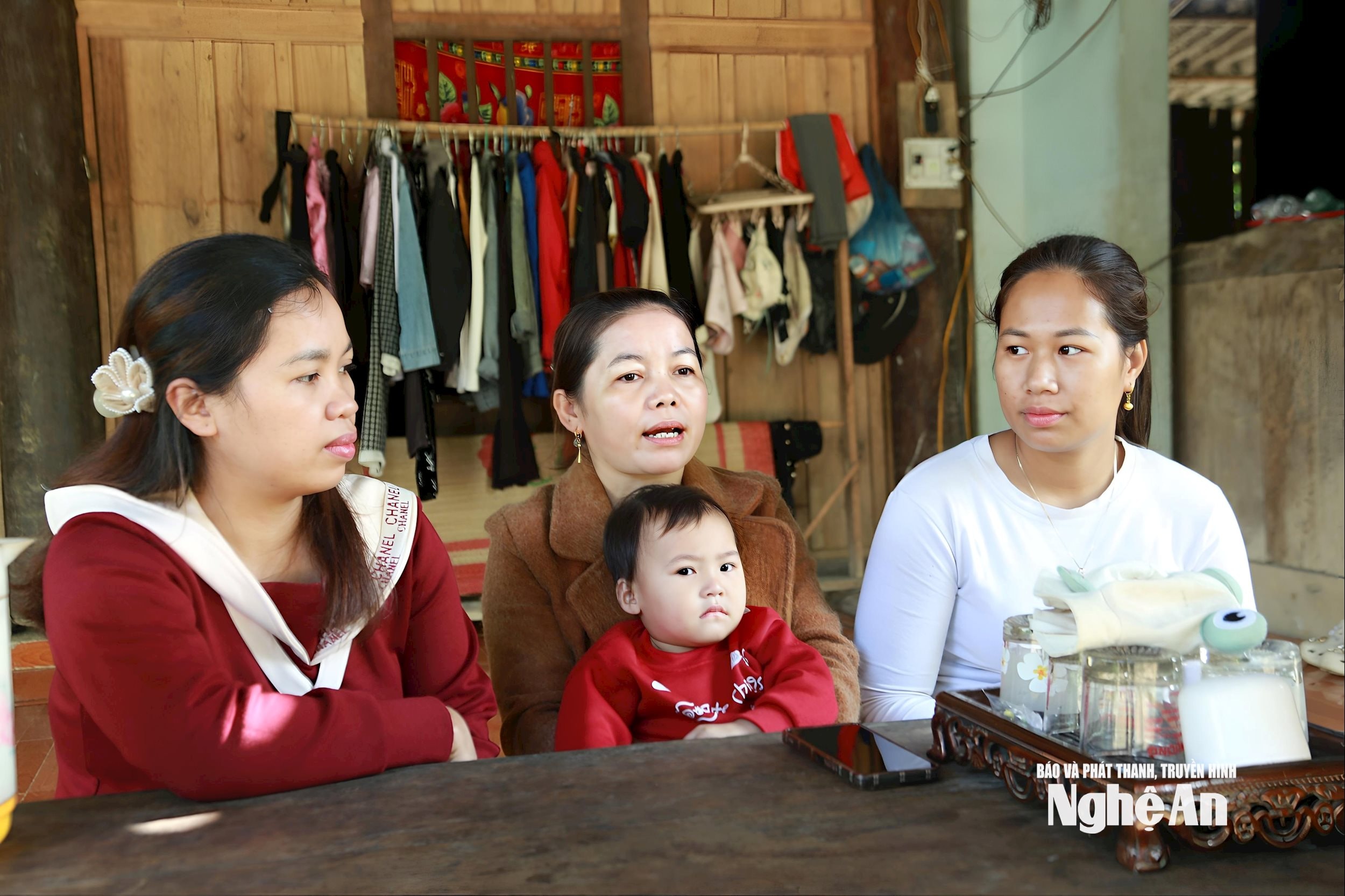
In Chau Khe commune, following a recommendation from the Lang Khe Health Station staff, we visited Yen Hoa village to see a 2-year-old child being treated for Thalassemia. The child is the son of a Thai couple. At birth, he was completely healthy with no unusual symptoms. At 6 months old, during a health checkup at the old district hospital, the doctor discovered a red blood clot on his forehead and advised the family to have him tested further. The results from the Provincial Hematology and Blood Transfusion Center shocked the family: the child had severe congenital hemolytic anemia and required long-term hospitalization.
Ms. Vi Thi Mo, the child's grandmother, said: "No one in my family has ever had this disease before. I don't know about the child's maternal family in Tuong Duong (formerly). Now that the child's parents are working far away in Hai Phong, I have to take care of everything – raising the child, taking her to the doctor, and treating her – all by myself. Sometimes I'm very tired."
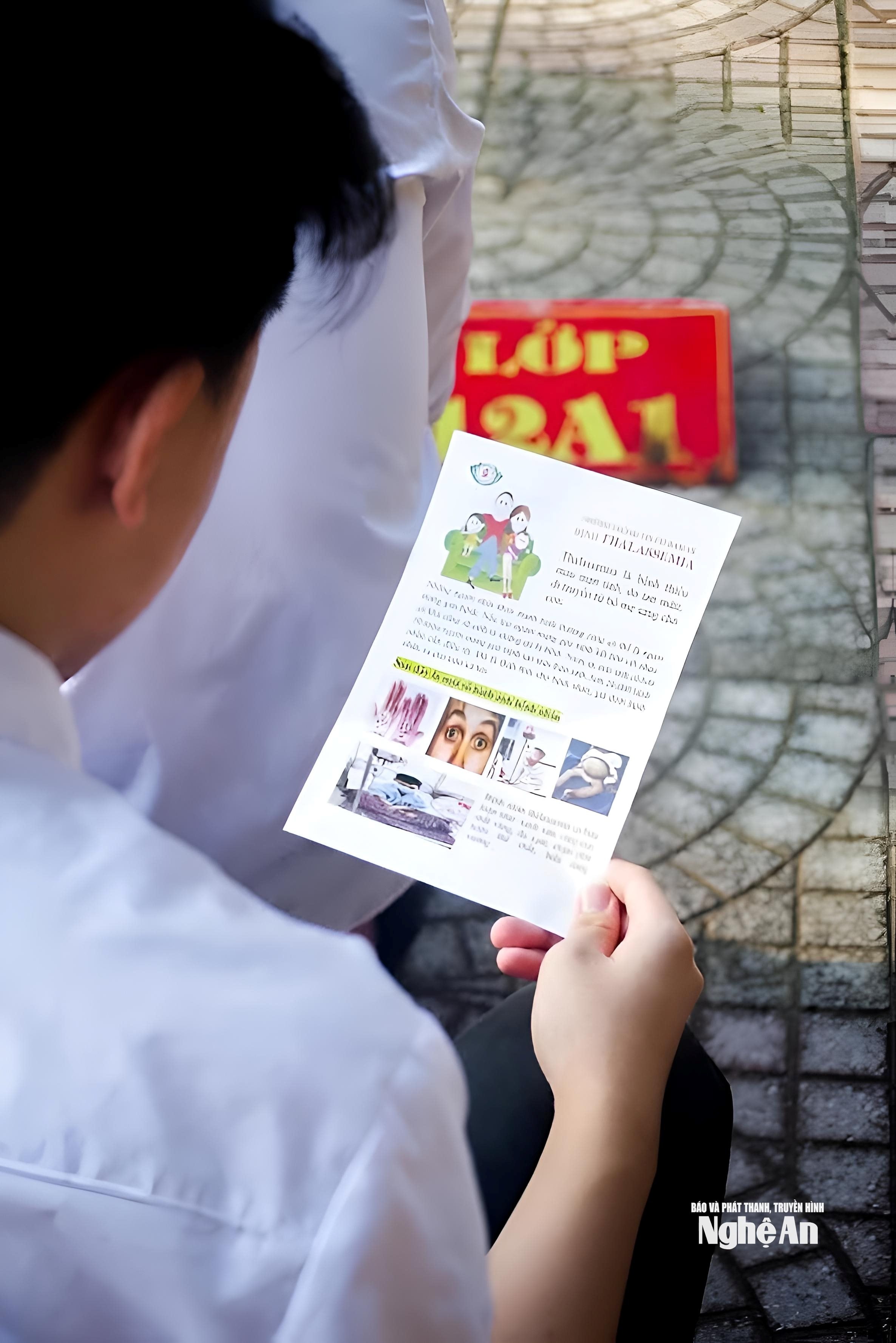
ThalassemiaThalassemia is a congenital hemolytic disease caused by a genetic disorder, occurring when a child inherits the disease gene from either parent. The disease causes chronic anemia, leading to stunted physical development, bone deformities, enlarged liver and spleen, and can be fatal if not adequately treated.
Patients with severe thalassemia require lifelong blood transfusions, on average every 2-4 weeks. Prolonged transfusions lead to iron overload in the body, causing heart failure, liver damage, endocrine disorders, and many other dangerous complications. Currently, there is no cure for thalassemia; treatment mainly focuses on managing symptoms and maintaining life. The cost of treating a patient with severe thalassemia from birth to adulthood can reach billions of Vietnamese dong. This is an enormous sum for many families in mountainous areas whose livelihoods depend primarily on agriculture and informal labor.
According to current statistics from the health sector, Nghe An is one of the provinces with the highest rate of thalassemia carriers in the country, especially in mountainous districts. The carrier rate in some ethnic minority communities can reach 20-30%. Meanwhile, consanguineous marriage still exists in some areas, increasing the risk of having children with the severe form of the disease.
Dr. Tran Thi Phuc, Deputy Head of the Blood Transfusion Department at the Nghe An Hematology and Blood Transfusion Center, said that the center is currently providing regular treatment to about 60 children with thalassemia, and at times this number has increased to nearly 100 patients. The majority of these children are from ethnic minority groups living in high mountainous districts. Children with severe thalassemia, if not adequately treated, often have weak physical condition, stunted growth, pale skin, facial bone deformities, and enlarged liver and spleen. Treatment must be maintained for life, requiring perseverance from the family and support from the healthcare system.
Expanding screening, towards sustainable disease prevention.
Despite warnings about the dangers of thalassemia, detection and screening at the grassroots level remain limited. In Con Cuong commune, dozens of cases have been detected, but the actual number may be higher as many cases remain undiagnosed.
Ms. Nguyen Thi Hong Nhung, Head of the Population Communication Department at the Con Cuong Health Center, stated: “Consanguineous marriage still occurs in some communes, which is a high-risk factor leading to thalassemia. We hope to implement widespread testing to accurately assess the situation and develop effective intervention solutions.”
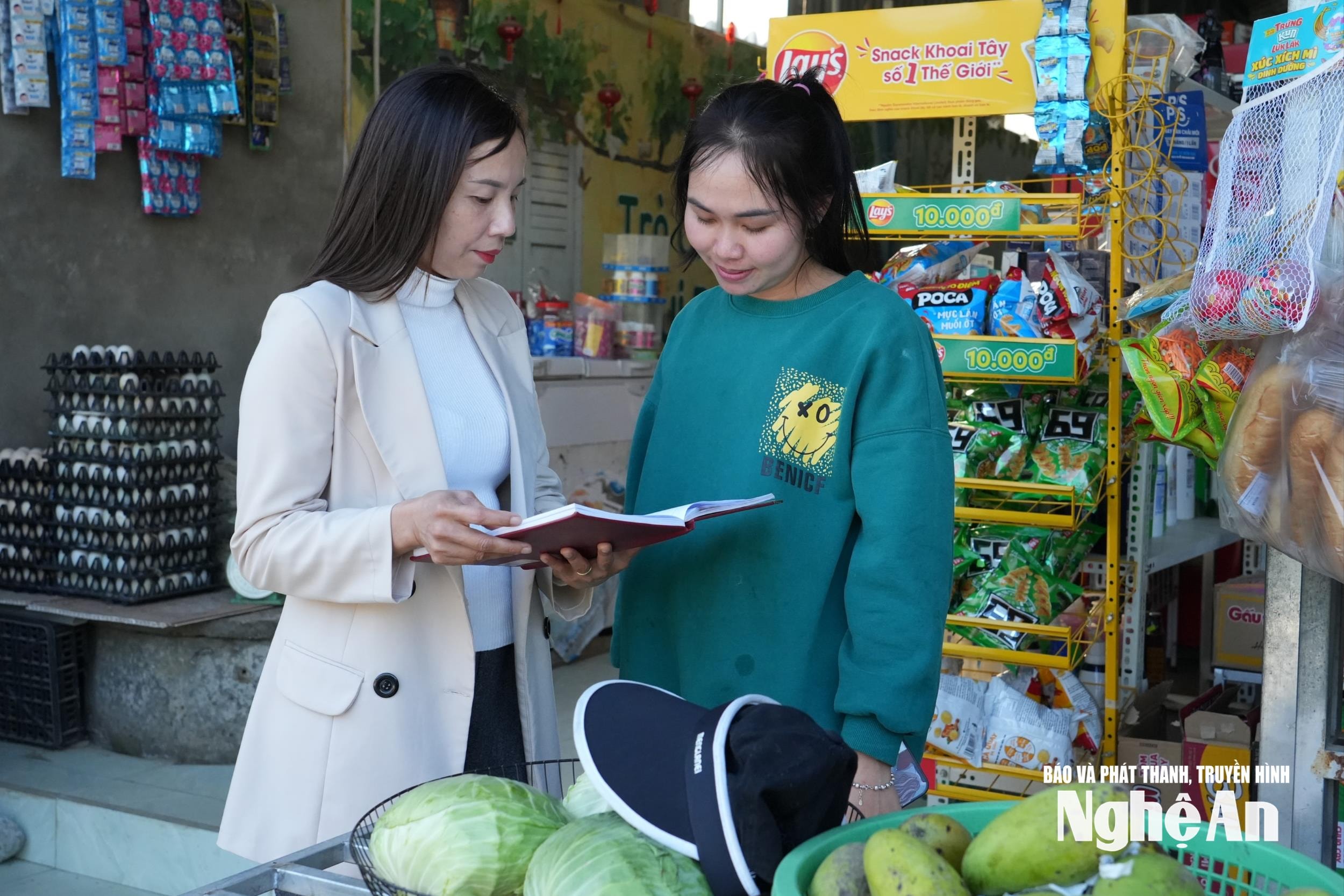
Over the years, Con Cuong Health Center has organized numerous training courses for population collaborators and village health workers to equip them with knowledge about Thalassemia, helping them proactively disseminate information and provide advice to people in their communities.
At the provincial level, within the framework of the National Target Program for socio-economic development in ethnic minority and mountainous areas in 2025, the Nghe An Department of Health organized a training conference on the prevention and control of Thalassemia for more than 500 participants, including population officials, health workers, and population collaborators from 18 mountainous communes in the former districts of Ky Son, Que Phong, and Tuong Duong.
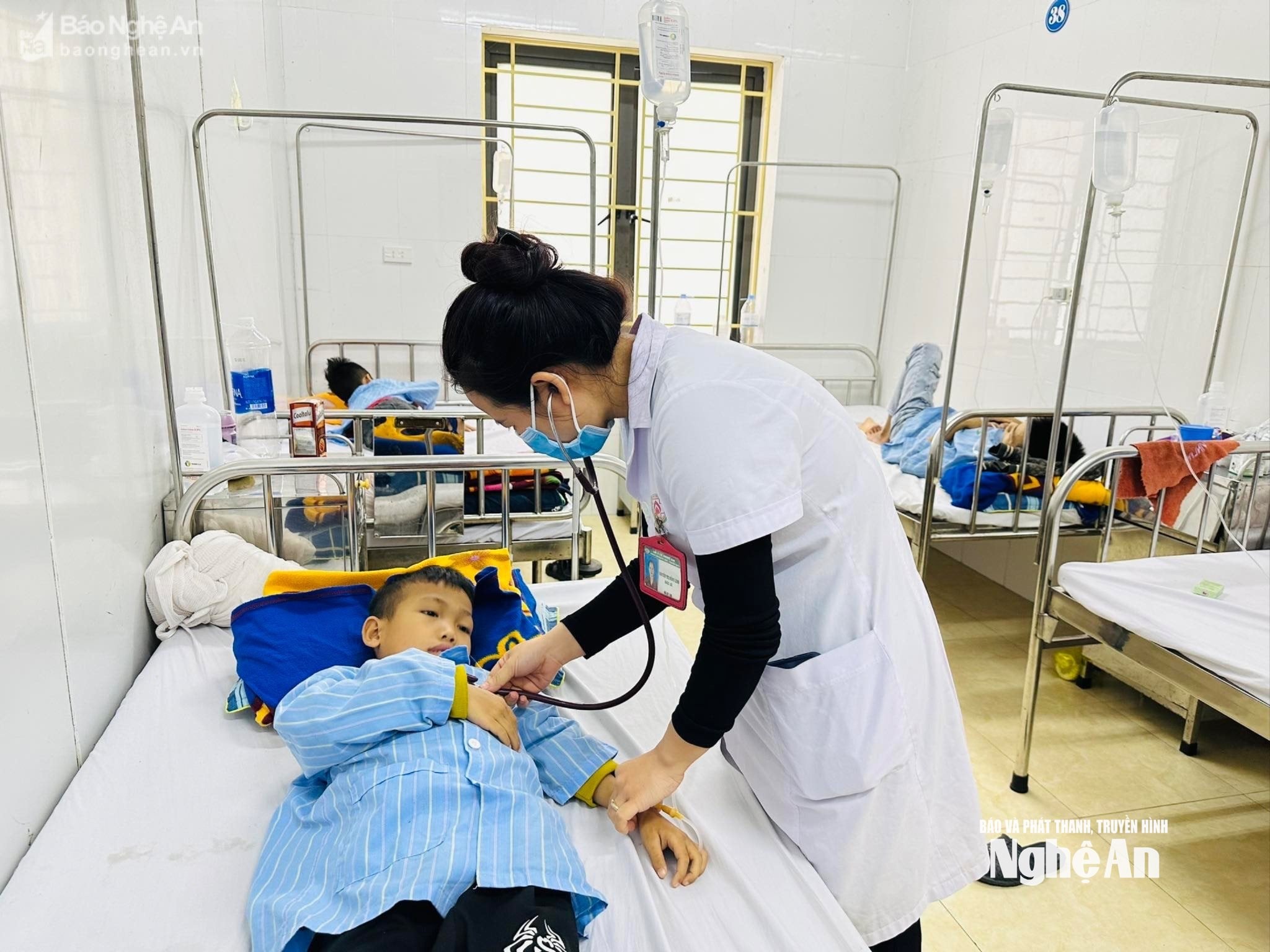
During the training sessions, speakers from the Provincial Center for Hematology and Blood Transfusion provided an overview of Thalassemia, its causes, genetic mechanisms, diagnostic and treatment methods, as well as pre-marital counseling and communication skills in ethnic minority communities.
Ms. Thai Thi Tuyet from the Population Department of the Nghe An Department of Health stated that training at the grassroots level is particularly important in improving the capacity for counseling, communication, and early detection of disease gene carriers in the community. This contributes to reducing the number of stillbirths, decreasing the number of children born with Thalassemia, and gradually improving the quality of care and treatment for patients.
.jpg)
Besides communication and training efforts, Nghe An province has implemented a prenatal and newborn screening program for many years. Although the annual screening rate meets targets, the quality of service still does not fully meet the actual needs of the people. The main reason is that the district level still lacks medical staff with specialized training in ultrasound diagnosis for prenatal screening, affecting the ability to detect suspected cases early.
In the coming period, the health sector will continue to expand the scope of screening, targeting high school students and young people preparing for marriage; at the same time, it will improve the capacity for genetic counseling and screening at the grassroots level.
This is also considered an important step towards gradually improving the effectiveness of preventing congenital diseases, including Thalassemia, contributing to protecting people's health and improving the quality of the population in the province.
Mr. Nguyen Van Nam - Deputy Director of the Department of Health


