
World Health Day: 'Depression - Let's Talk'
(Baonghean.vn) - April 7th each year is chosen by the World Health Organization (WHO) as World Health Day to organize communication activities aimed at increasing public awareness about health. In 2017, WHO chose the theme: "Depression - Let's Talk".
Depression is one of the diseases receiving global attention, causing a sensation in the modern era due to the immeasurable consequences suffered by both those afflicted and their families. So, what are the causes, prevention methods, and treatment options for this disease?
Currently, the mass media is constantly reporting on depression, which is known by many names such as: "the invisible killer," "the hidden burden," etc. However, most of us have a very "modest" understanding of how to prevent and treat this disease.
 |
| According to the World Health Organization (WHO), depression claims an average of 850,000 lives each year, and by 2020 it will be the second most common disease globally, affecting 121 million people. (Illustrative image). |
Depression affects people of all ages and impacts lives in all countries. It causes mental anguish and affects the ability to perform even simple daily tasks; sometimes, the consequences of depression devastate relationships with family and friends and the ability to earn a living. Worst of all, depression can lead to suicide, and it is currently the second leading cause of death among those aged 15-29.
Currently, more than 350 million people worldwide, of all ages, suffer from depression. Depression is the leading cause of disability globally and a major contributor to the global burden of disease. Studies show that women are more likely to suffer from depression than men. The World Health Organization states that if the depression is moderate or severe, individuals may require medication and talk therapy.
 |
| In Vietnam, approximately 30% of the population suffers from mental disorders, with depression accounting for 25% of these cases. Each year, between 36,000 and 40,000 people commit suicide due to depression in our country. |
Depression is a disorder that can be diagnosed and treated by non-specialist physicians as part of primary healthcare. Specialists only need to treat a small percentage of people with depression who have complications or who do not respond to first-line treatment.
Depression is an illness that has existed since ancient times, but what is new to us is the increased awareness, because now it is spreading everywhere, especially in developing countries, and people are facing its consequences. Depression is a very common disease. Approximately 10 out of every 100 people suffer from it, and the lifetime prevalence can be as high as 15%.
The WHO predicts that by 2020, depression will become the second leading cause of disability worldwide and the leading cause of disability in developing countries.
However, depression is preventable and treatable if detected early. A better understanding of the manifestations of depression, and how it can be prevented and treated, will help reduce the stigma associated with the condition and encourage people to seek help from those around them.
The overall goal of this year's campaign, which began on October 10, 2016, World Mental Health Day, is to encourage people in all countries who are suffering from depression to seek help and support them. The WHO aims for: the general public to be better informed about depression, to understand its causes and potential consequences, including suicide, and to have access to help for prevention and treatment; and for people suffering from depression to seek help from family, friends, and colleagues.
 |
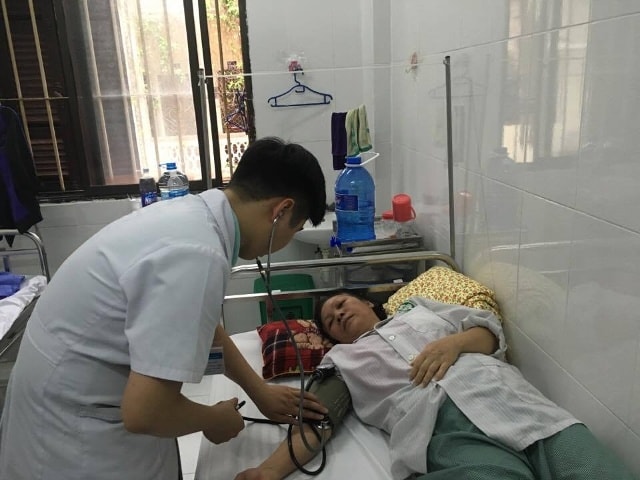
| A doctor is examining a patient with depression at Bach Mai Hospital (Hanoi). |
At the heart of this year's World Health Day theme is a discussion about the importance of depression to public health and the importance of recovery. The stigma surrounding mental illness, including depression, remains a barrier for those seeking help around the world.
Talk about depression, whether with a family member, friend, or healthcare professional; you can discuss depression in larger groups, such as school, work, and social settings; or in the public sphere, in news media, blogs, or social media. Such discussion will help break down the stigma associated with depression, ultimately leading more people experiencing depression to seek our help.
Depression can affect anyone. Therefore, this campaign is for everyone, regardless of their age, gender, or social status. The World Health Organization is paying particular attention to three disproportionately affected groups: adolescents and young adults; women of childbearing age (especially postpartum); and the elderly (over 60 years old).
Kim Ngoc
(Synthetic)
| RELATED NEWS |
|---|


