
Vu Lan Day speaks about filial piety in modern times.
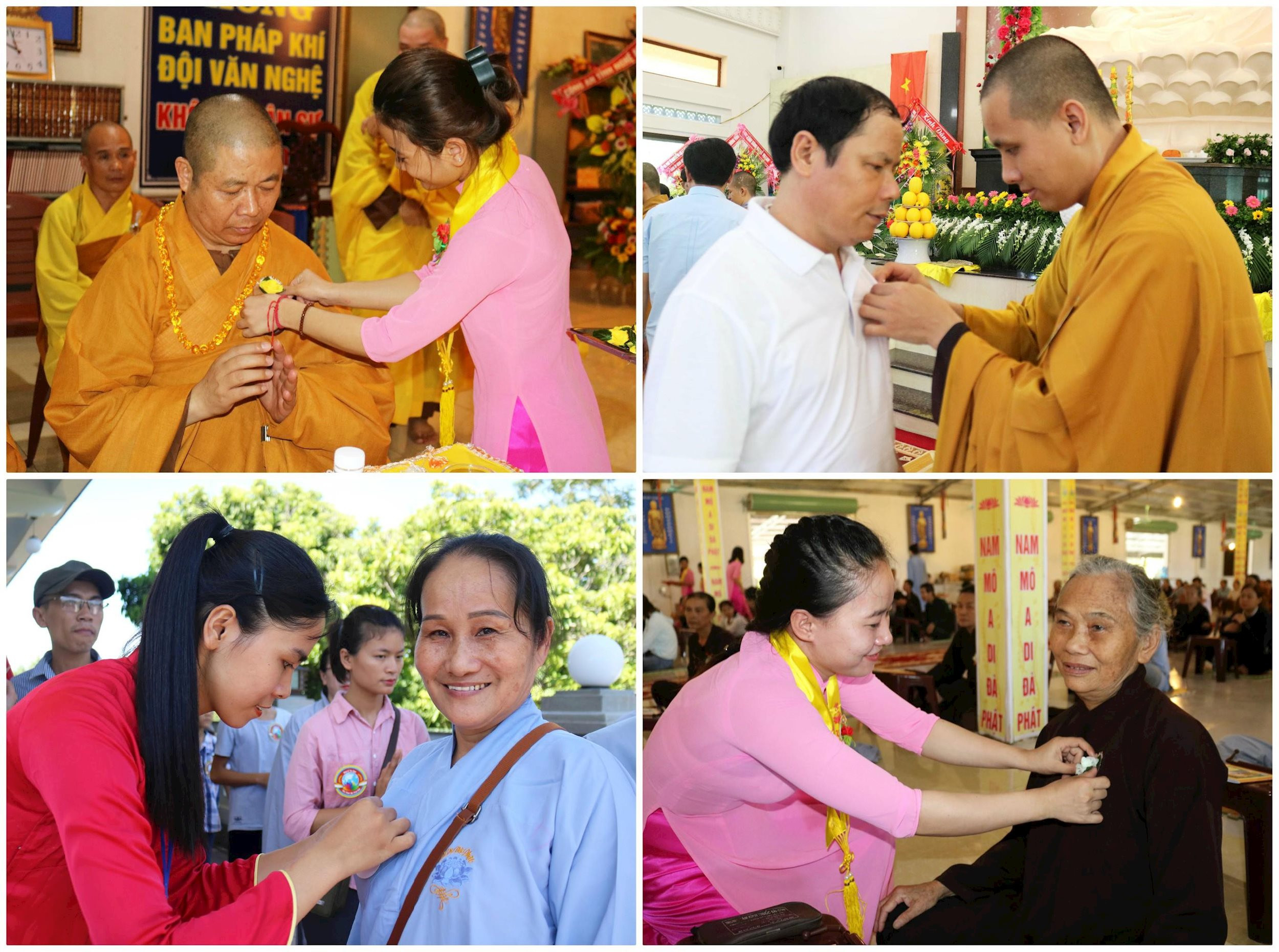
For a long time, the Vu Lan Festival has been a major and important holiday of the year. The Vu Lan Festival gives us an opportunity to repay the nurturing and upbringing of our parents. This day also clearly demonstrates the Vietnamese tradition of "drinking water, remembering the source." It is an occasion for children to show filial piety and gratitude to their ancestors, expressing their respect and reverence.
Nghe An Newspaper had a conversation with Venerable Thich Tho Lac - Standing Member of the Executive Council, Head of the Central Culture Committee of the Vietnam Buddhist Association, and Deputy Head of the Standing Committee of the Nghe An Provincial Buddhist Association.
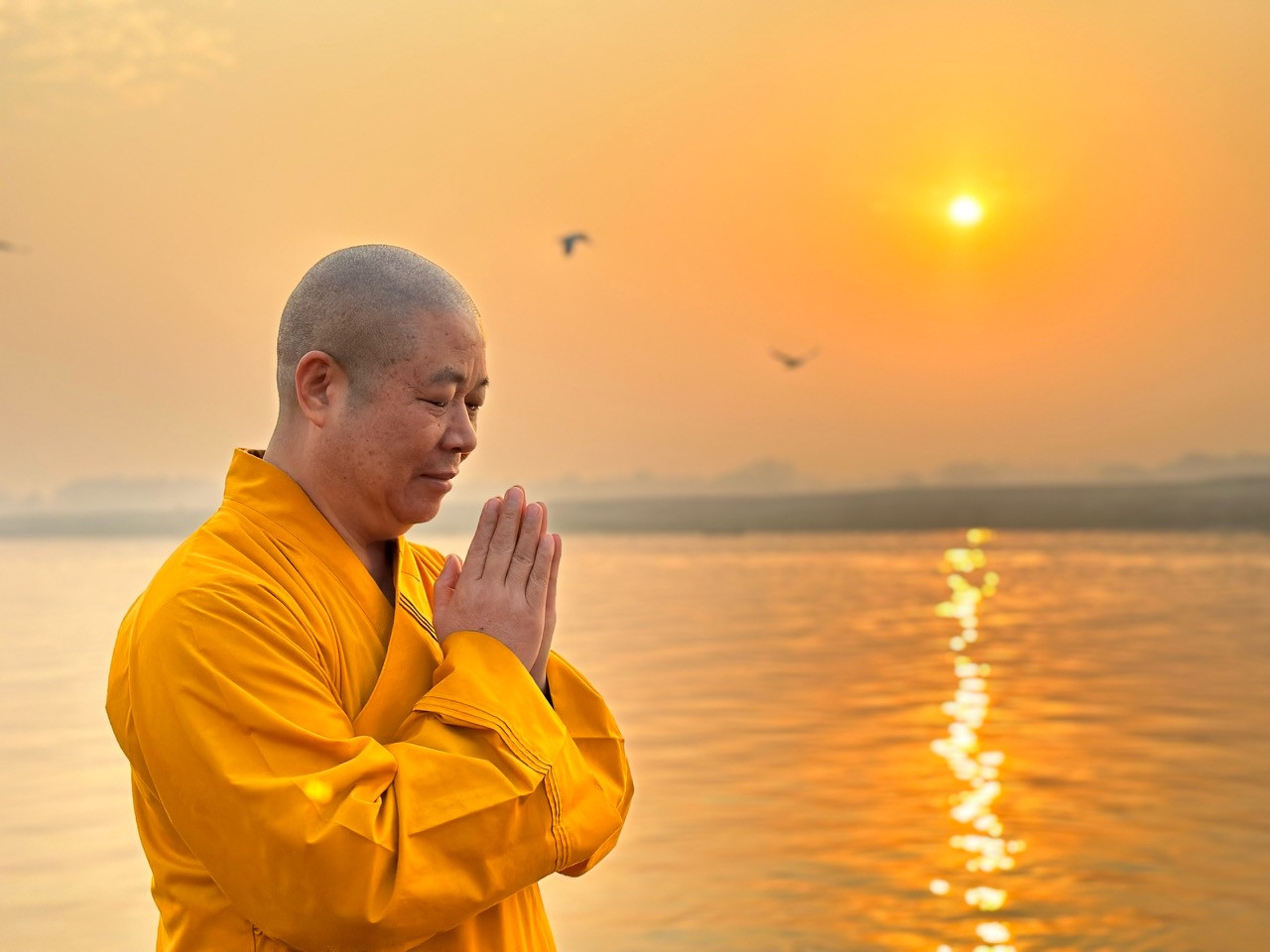
Filial piety is the foundation of Buddhist etiquette.
PV:HieuHappiness is the first root of etiquette in Buddhism. Venerable Thich...íVenerable Thọ Lạc, could you briefly outline the origins of the Vu Lan festival according to Buddhist beliefs?
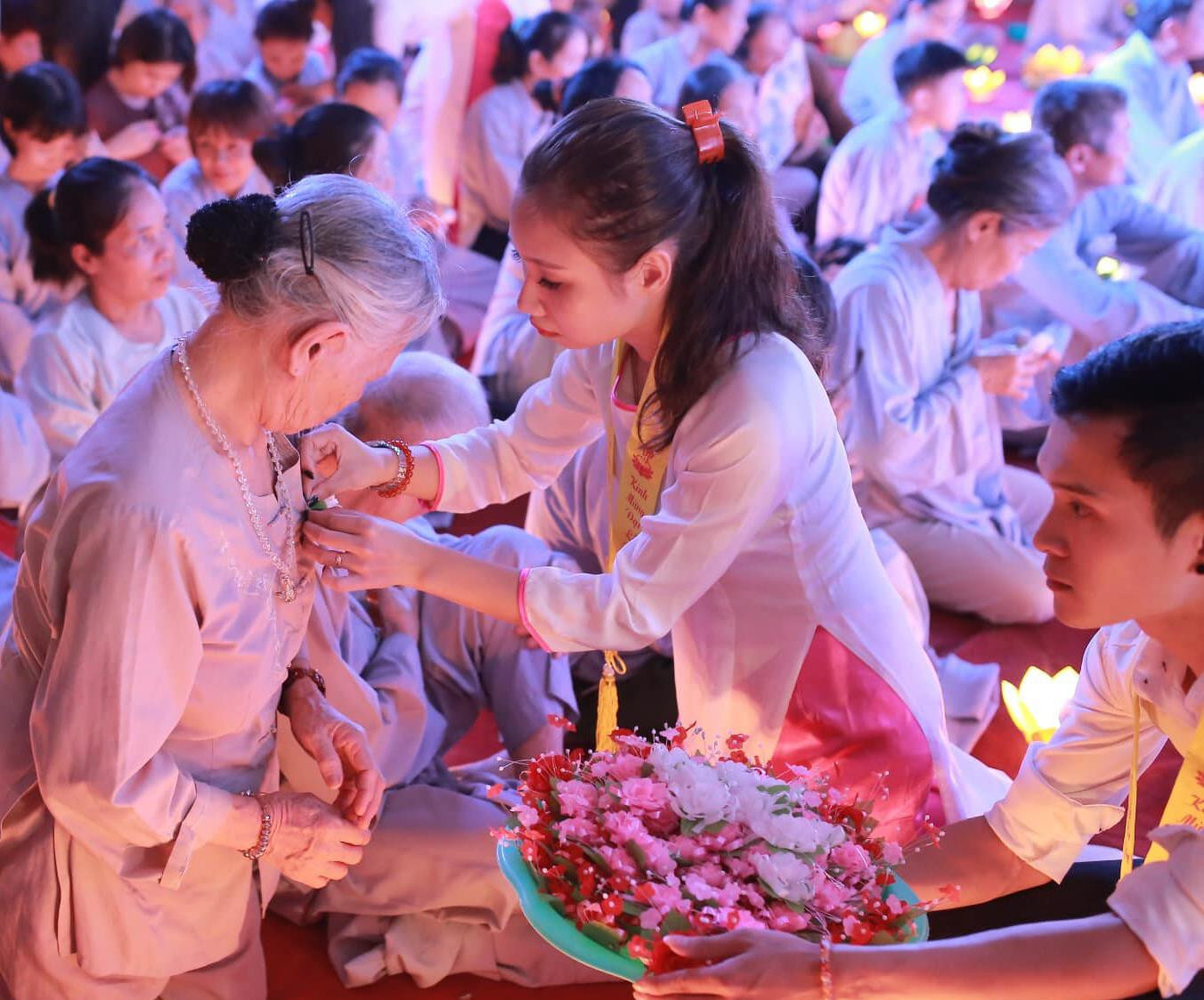
Peace upperThich Tho Lac:Why is the 15th day of the 7th lunar month, the Vu Lan festival, called the day of filial piety? Because the 15th day of the 7th lunar month is the day of the Self-Reflection of the Sangha. On this day, all Buddhas are joyful, and monks from all ten directions gather. We pray for our parents and relatives to live in peace and happiness, and to be reborn in a good realm after death. Buddhist scriptures say: "Among thousands of scriptures, filial piety is the foremost." Regardless of the path one follows, regardless of whether one is educated or not, filial piety is the root, the most important, and the ultimate goal.
As the Buddha once taught: Filial piety is the heart of the Buddha, and filial conduct is the conduct of the Buddha. The heart of a filial person is the heart of the Buddha. As human beings, we must fulfill our filial duty, remembering and repaying kindness and gratitude. Of all acts of kindness, perhaps the greatest is the kindness of our parents.
In Buddhist legend, Mục Kiền Liên (Moggallana) was deeply distressed to see his mother starving and unable to eat the food offered to her. He had no choice but to return to the Buddha, hoping for his compassion and guidance on how to save her. The Buddha, out of pity, instructed that on the day of Self-Reflection, when the monks gathered, they should prepare a feast and offer it as a sacrifice. Thanks to the blessings of the monks from all directions, Mục Kiền Liên's mother was freed from the realm of hungry ghosts and reborn in the heavenly realm. Thus, the Venerable saved his mother. Since then, on the 15th day of the seventh lunar month, monks, nuns, and Buddhists often celebrate the Vu Lan festival, a festival dedicated to saving mothers.
That legendary story perfectly reflects the sentiments and filial piety of all social classes in Vietnam. Therefore, the Vu Lan festival, a celebration of filial piety, has existed for a long time and is deeply rooted in the civilization of Vietnam in general and Nghe An in particular.
Making parents feel at ease is also a way to show filial piety.
PV: Venerable Abbot, filial piety and righteousness have always held contemporary value, so how do these values spread throughout society today?
PeaceupperThich Tho Lac:Growing up in a family with both parents and relatively comfortable resources that allowed us to study, travel, broaden our horizons, gain knowledge, and build our lives is a great blessing. Many people in society long for a little love from their parents, but sometimes don't receive it. Therefore, while our parents are still healthy, giving them peace of mind is also a way of showing filial piety. Furthermore, broadly speaking, filial piety means cultivating and refining ourselves, living ethically and civilly; achieving success and recognition through our own abilities and intelligence.
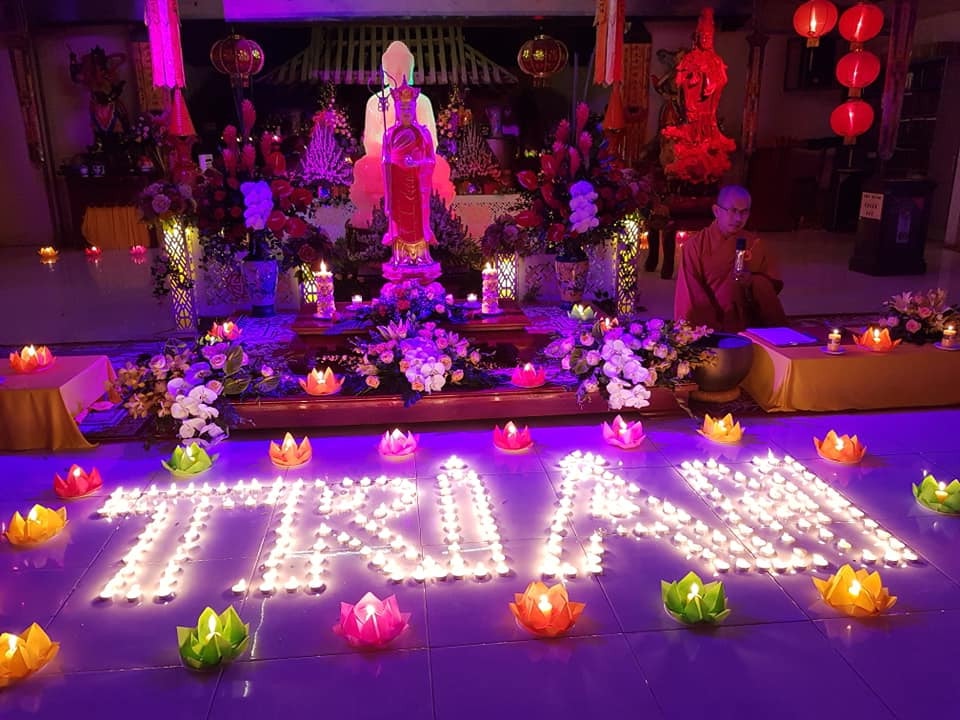
Ancient texts teach: "Parents at home are like Buddhas in this world." This means that even if we are born into a world without a Buddha, our parents in this life are the Buddhas. This saying reminds us not to forget the profound gratitude we owe to our parents. In my opinion, a person who is filial and respectful to their parents like a Buddha is already practicing the spirit of Buddhism.
Considering the conditions of modern society, depending on the circumstances, the issue of caring for parents will be fully implemented in the way each person and family does. We should skillfully arrange things to help, care for, and ensure our parents are comfortable and well-fed, providing them with the means to live without feeling ashamed of their old age and weakness. It's not necessary to be physically present to show filial piety. However, when young people study or work far away, we must regularly check on and visit our parents to reassure them; this is also a way of showing our care for them. Because in today's era, children often spread their wings and fly far and wide, using their knowledge and education to build their lives, themselves, and their families. Their success and kindness are what parents have always hoped for and cultivated throughout their lives. Therefore, this is also a way for children to repay their parents.
PV:The Vu Lan Festival, a time for showing filial piety, is increasingly anticipated and participated in by the people. According to the Venerable Monk, is this a cultural tradition deeply ingrained in people's lives and showing a tendency to develop further?
Peace tupperThich Tho Lac:Today, the Vu Lan Festival is not simply a sacred religious event, but also holds a particularly profound meaning, guiding each person back to their national roots, to the principle of "drinking water, remembering the source" and honoring their ancestors. The Buddhist Vu Lan Festival has become a tradition of filial piety and gratitude, in line with the sacred ancestor worship beliefs of the Vietnamese people. It is a ceremony imbued with humanistic values, glorifying the nation's tradition of repaying kindness and gratitude.
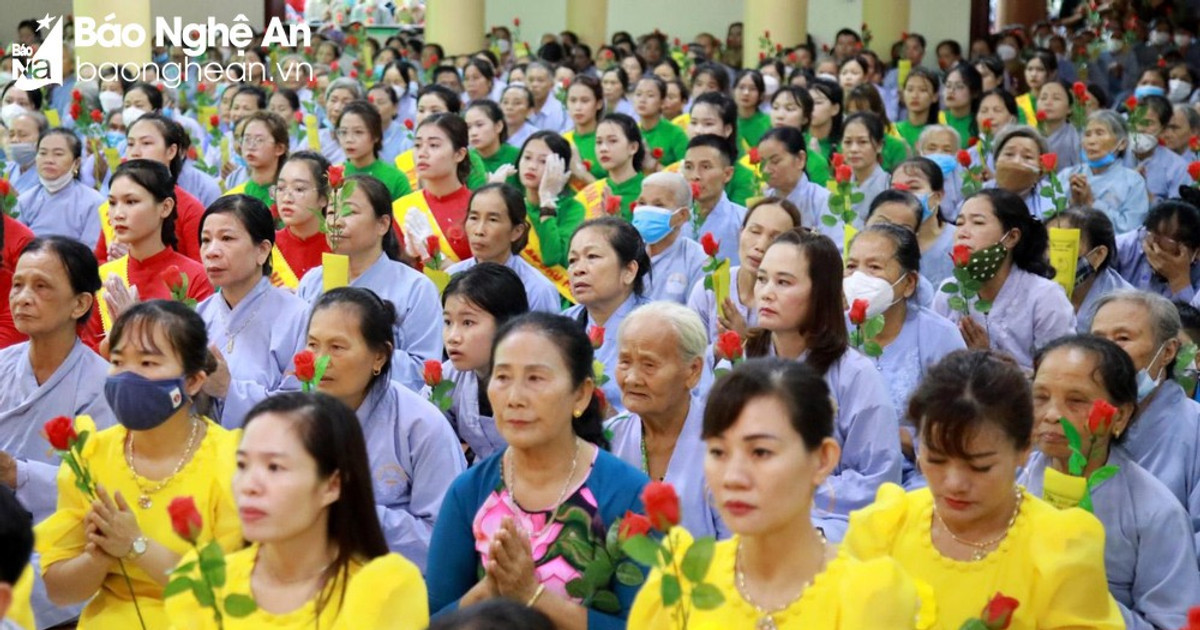
The Vu Lan Festival, a celebration of filial piety, is not just a one-day event but takes place throughout the week, attracting a large number of participants. From the elderly to young people, everyone responds enthusiastically, voluntarily contributing to cleaning and decorating the ceremony with dedication and joy. Not only adults and the elderly, but also young people participate deeply. Not only people from within the province but also tourists from outside the province join in.
Filial piety doesn't have to be shown through lavish feasts.
PV: Also in today's eraThere is a phenomenon where many families set up elaborate sacrificial altars, hoping to achieve their goals with lavish offerings. A lavish feast allows them to offer many gifts to their grandparents, ancestors, and parents. There are also families who, due to insecurity in their lives, choose to give gifts.through the dowryhis wishgrandmother, ancestorsMay God bless and protect them, protecting them from misfortune.How does the Venerable Monk assess this phenomenon?
PeacetupperThich Tho Lac:It's true that many devotees today are overly elaborate about offerings. They're accustomed to the belief that the afterlife mirrors the earthly world, so they prepare lavish feasts to show their filial piety and expectations. However, this is unnecessary. Our grandparents and parents don't need that much; a large, elaborate feast doesn't prove your filial piety, nor can it ward off misfortune or calamity. Therefore, the feast is merely a formality, completely devoid of any profound meaning of filial piety.
Furthermore, Buddhism is for everyone; there are no sections or clauses in Buddhist scriptures that say one must prepare this or that ceremony to correspond to the spiritual needs of the individual. The Vu Lan Festival, a celebration of filial piety, is something that everyone, every family, can find joy in performing, whether it is a large or small ceremony.
As we have known since ancient times, our ancestors offered simple gifts but always felt at peace knowing that their parents and grandparents in the afterlife understood their sincerity. Therefore, as long as we have a sincere heart, even a simple offering will be witnessed by our ancestors.
PV: Thank you, Venerable Monk!


