
Nghe An directs response in anticipation of predicted heavy rain, floods, and severe cold weather.
(Baonghean.vn) - In response to forecasts of heavy and potentially prolonged rainfall in the central provinces starting from the night of November 30th, Nghe An province has issued a directive instructing relevant departments and localities to focus on responding to the situation.
According to the National Center for Meteorological and Hydrological Forecasting, from November 30th, due to the influence of a strong cold front, the North Central region will experience cold weather.The weather is turning cold.Temperatures between 12-150C.
Specifically, from the night of November 30th to December 3rd, the Central region will experience rainfall of 150-250mm/period, with some areas exceeding 300mm/period, and this may continue. From November 30th, in the Gulf of Tonkin and the northern part of the East Sea, including the waters around the Hoang Sa archipelago, the wind will shift to the northeast and gradually strengthen to level 7, gusting to level 9; sea waves will be 2-6m high, and the sea will be rough.
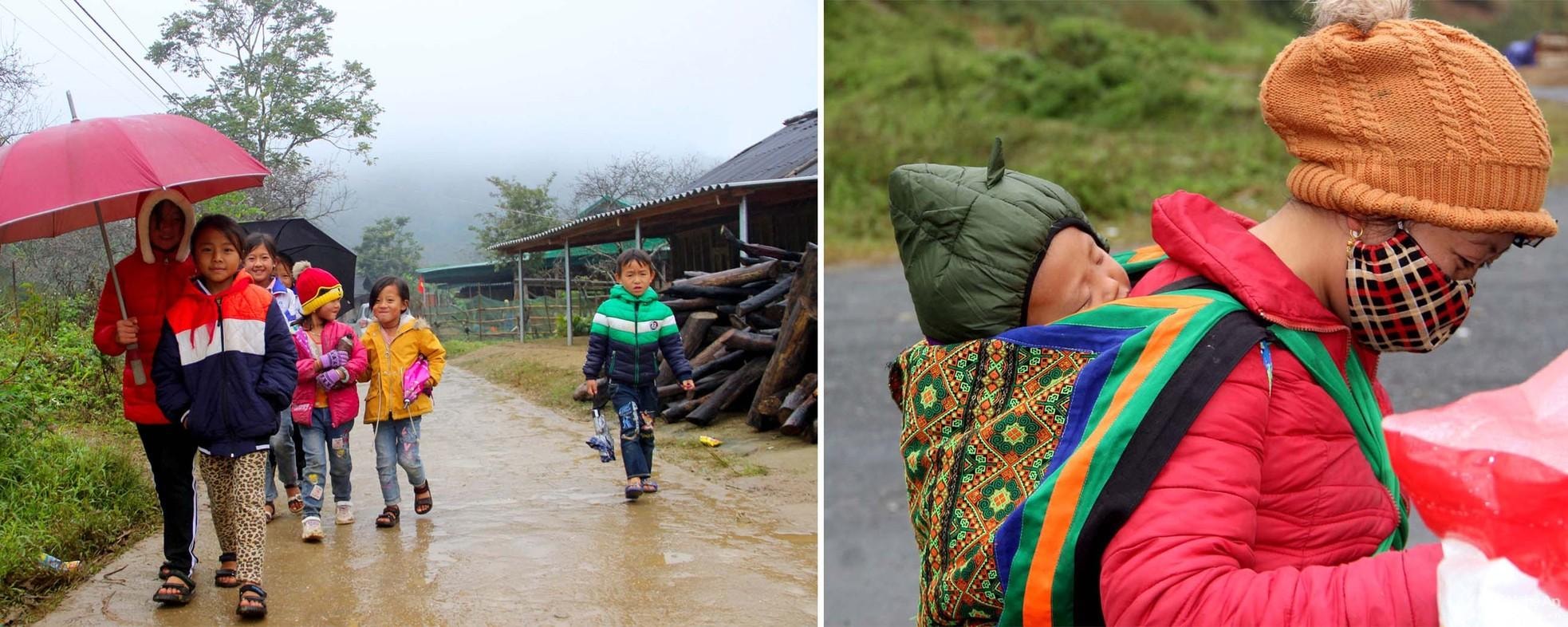 |
In previous years, Nghe An province experienced periods of cold and rainy weather that significantly affected all aspects of life, especially in mountainous districts like Ky Son. (Photo: Quang An) |
To proactively respond to natural disasters, the Standing Office of the Provincial Steering Committee for Disaster Prevention, Search and Rescue and Civil Defense requests the Steering Committees for Disaster Prevention, Search and Rescue in districts, cities, and towns, as well as relevant agencies and units, to closely monitor warning and forecast bulletins; and to promptly and regularly inform and guide local authorities and the public to proactively prevent and mitigate damage from heavy rains, floods, severe cold, frost, tornadoes, lightning, hail, and strong winds.
At the same time, implement measures to prevent and mitigate heavy rain and flooding, especially flash floods and landslides; deploy rapid response forces to inspect and survey low-lying residential areas at high risk of floods, flash floods, landslides, and flooding that may cause isolation, and proactively evacuate people when situations arise.
Inspect, review, and prepare plans to ensure the safety of reservoirs and downstream areas, especially small hydropower reservoirs, critical irrigation reservoirs, and reservoirs that are already full.
Mountainous districts are implementing measures to prevent severe cold weather and ensure the safety of people, especially the elderly, children, and students. Absolutely no honeycomb charcoal stoves should be used for heating in enclosed rooms to avoid unfortunate incidents. Proactive measures are being implemented to ensure the safety of crops and livestock, especially in high mountainous areas.
Coastal districts and towns must closely monitor warning and forecast bulletins and the development of strong winds at sea; inform captains and owners of vessels and boats operating at sea so that they can proactively take preventive measures and plan their production accordingly, ensuring the safety of people and property; and maintain communication to promptly handle any adverse situations that may occur.
Strengthen information and communication efforts regarding weather developments and skills in preventing and mitigating heavy rain, flash floods, and landslides so that people, all levels of government, and functional forces can proactively prevent and minimize damage caused by natural disasters.
Implement measures to protect livestock from the cold, such as cleaning, reinforcing barns, providing shelter to keep them warm, proactively stockpiling feed to ensure protection against hunger and cold; and preventing and controlling diseases in livestock, poultry, and aquatic animals.


