
Nghe An is stepping up digital transformation in the healthcare sector.
(Baonghean.vn) - Implementing digital transformation in the healthcare sector means supporting people in easily accessing healthcare information and highly effective healthcare services.
Regarding this issue, a reporter from Nghe An Newspaper had a discussion with pharmacists.Dr. Tran Minh Tue - Deputy Director of the Nghe An Department of Health.
PVOn August 5, 2022, the Executive Committee of the Nghe An Provincial Party Committee issued Resolution No. 09-NQ/TU on the digital transformation of Nghe An province by 2025, with a vision to 2030. On August 22, 2022, the Provincial People's Committee also issued Plan No. 586/KH-UBND on the digital transformation of Nghe An province by 2025. How has the Nghe An Health sector implemented these two resolutions and plans in recent times?
Pharmacist Tran Minh Tue:In implementing Resolution No. 09 of the Provincial Party Committee and Plan No. 586 of the People's Committee of Nghe An province, the Department of Health has issued resolutions, plans, decisions, and official documents on the implementation of digital transformation in healthcare, application of information technology, deployment of electronic medical records, management of basic healthcare information, health record software, and cashless medical examination and treatment services at healthcare facilities…
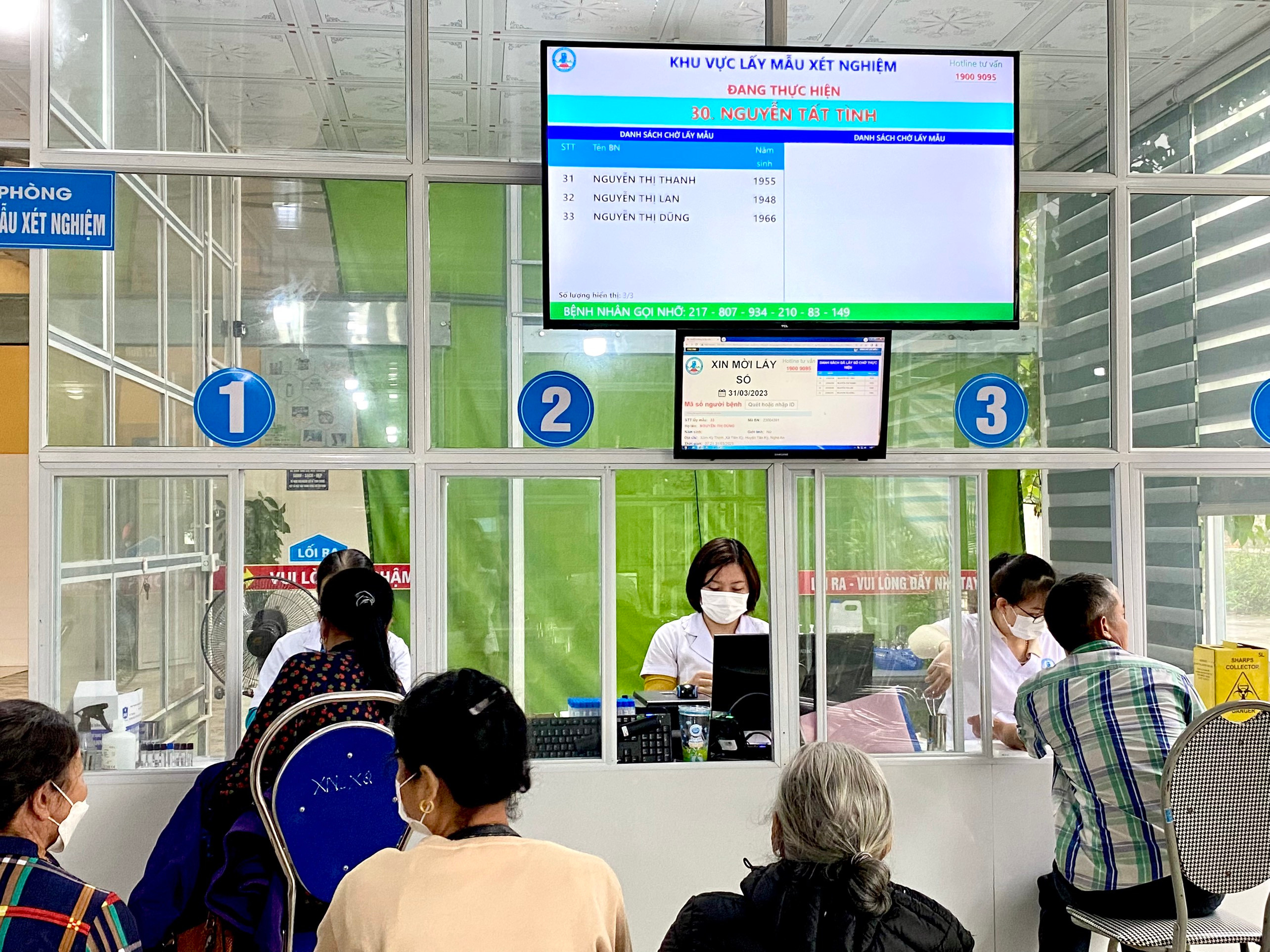
In addition, the Department of Health has focused on developing digital infrastructure by directing medical examination and treatment facilities in the province to review and invest in equipment and information technology infrastructure to meet the infrastructure criteria according to Circular 54/2017/TT-BYT dated December 29, 2017 of the Ministry of Health; directing all units in the sector to invest in online meeting systems, high-speed internet networks, computer systems connected to LAN and internet, and software to serve professional work in medical examination and treatment, administrative reform, interconnection of specialized databases, and meeting the needs of document management and operation.
From the allocated budget for healthcare, the Department has invested in, purchased, and installed telemedicine systems at 15 units (Nghe An Friendship General Hospital, Nghe An Obstetrics and Pediatrics Hospital, Nghe An Oncology Hospital; Nghe An Trauma and Orthopedics Hospital; Vinh City General Hospital, Yen Thanh General Hospital, and the Health Centers of Ky Son, Tuong Duong, Tan Ky, Anh Son, Que Phong, Quy Chau, Quy Hop, and Nghia Dan); and invested in 460 multi-dimensional QR code readers to serve health insurance medical examinations and treatments using chip-embedded citizen identity cards, VNeID, and VssID applications for 460 commune, ward, and town health stations.

In developing human resources for digital transformation, the entire sector has attracted 112 information technology engineers with college and university degrees. Units within the sector have focused on improving training to raise awareness of the importance and effective role of applying information technology in the digital transformation process; and enhancing the capacity and level of IT application to serve professional work.
To date, the Nghe An Health sector has made significant progress in implementing digital transformation. Units within the sector have been invested in with information technology equipment and infrastructure according to the criteria of Circular 54/BYT at levels 2-3. A few units have reached levels 5 and 6, such as: Nghe An Obstetrics and Pediatrics Hospital, Vinh City General Hospital, Traditional Medicine Hospital, Northwest Regional General Hospital, Quang Khoi General Hospital… 100% of units are proficient in using and operating information technology equipment and software, and are doing a good job of ensuring network information security.
PVCould you elaborate on the specific results achieved with each of the implemented utility software applications?
Pharmacist Tran Minh Tue:To date, 100% of medical examination and treatment facilities at the provincial, district, and commune levels have implemented software for managing medical examinations, treatments, and health insurance payments, connecting and integrating data with the Vietnam Social Security's Health Insurance Claims Information System Data Reception Portal. All medical records are automatically uploaded to the Ministry of Health's Data Portal and the Health Insurance Claims Information Portal in accordance with regulations. Some units have also invested in systems for storing and transmitting images and laboratory information systems.
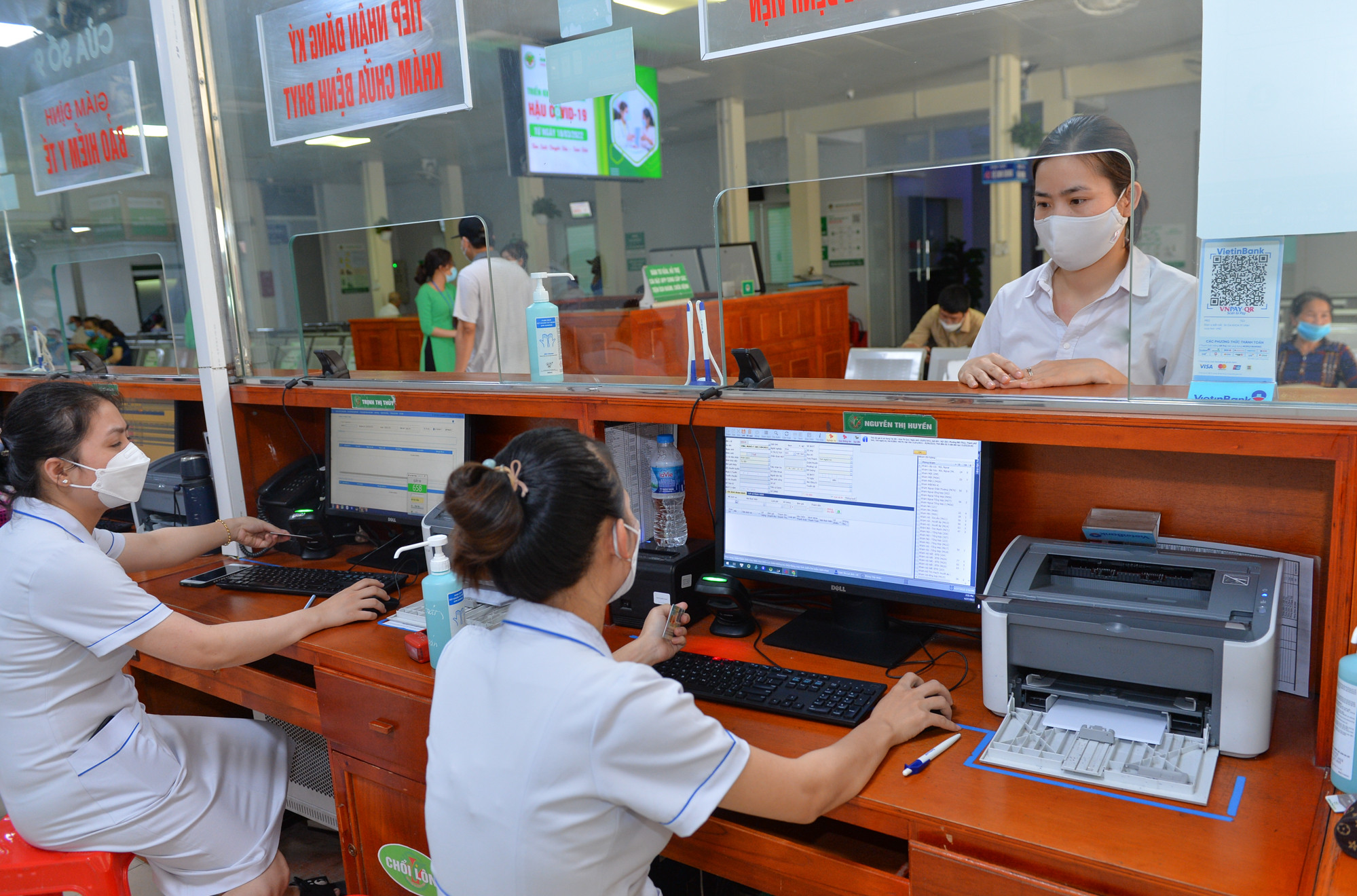
Regarding the use of citizen identity cards and VNeID to replace health insurance cards for medical examinations and treatment, as of September 14, 2023, 528 out of 528 medical facilities in the province had registered for online medical examinations and received patients using chip-embedded citizen identity cards or through the VNeID and VssID applications. Medical facilities also applied information technology to online medical registration; implemented the issuance and use of smart medical cards to help people register for examinations remotely, reducing waiting times and congestion for patients.
Implementing Plan No. 368/KH-UBND dated July 6, 2020, of the Provincial People's Committee on the creation of records, examinations, and health management for people in the province, by September 2023, Nghe An had created 3,715,236 records on the system (reaching over 97%); and 2,919,911 records had medical examination and treatment data (reaching 83.50%).
The health sector has deployed a shared software system at health stations in all 21 districts, cities, and towns in the area. The Health Information Management System officially commenced operation in May 2022 with 23 modules, enabling health facilities to manage 18 different record books and various types of reports.
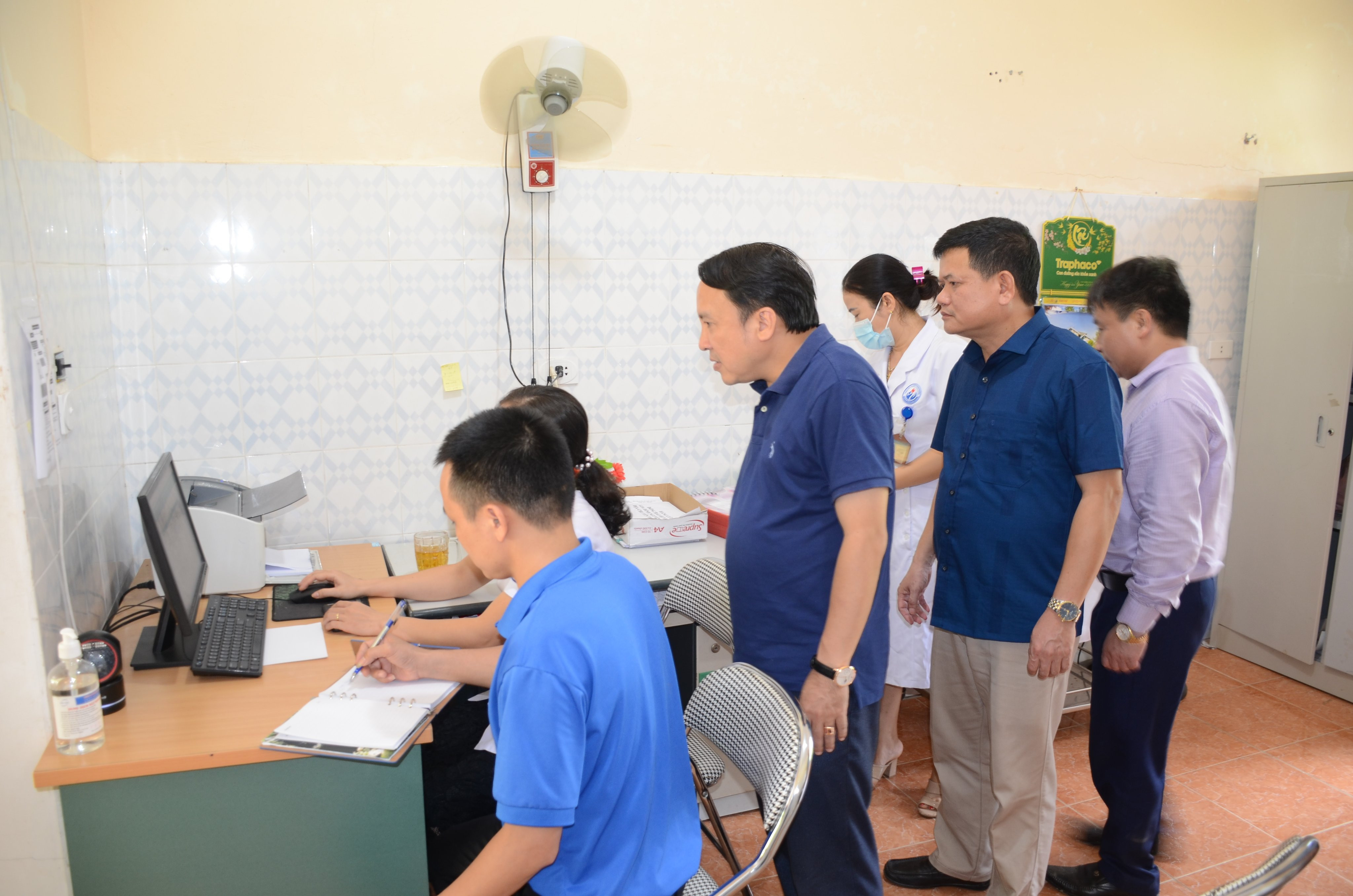
Regarding electronic medical records, Nghe An currently has 4 out of 52 units (out of 50 hospitals nationwide) that have successfully implemented them: Vinh City General Hospital, Quang Khoi General Hospital, Nghe An Obstetrics and Pediatrics Hospital, and Northwest Regional General Hospital. According to Circular 46, by 2028, Nghe An still has 48 public and private health insurance medical examination and treatment facilities that must implement electronic medical records. The Department of Health is directing efforts to ensure this roadmap is met.
Regarding electronic prescriptions and connection with the national information system for managing prescriptions and dispensing prescription drugs, the Department of Health has approved and issued codes to 593 medical facilities and practitioners. These include 64 hospitals, 28 health centers, 40 health stations, and 364 clinics. 43 facilities have already integrated prescription systems; 3,458 out of 3,847 doctors have been issued integration codes; and an average of 63,345 prescriptions are integrated into the national prescription system per week.
The health sector has also implemented food safety and hygiene management software from the provincial level down to the district and commune levels. As a result, 460 wards and communes, and 21 districts, cities, and towns have fully entered data into the software system. The software has entered data from 11,775 food production and business establishments under the management of the health sector.
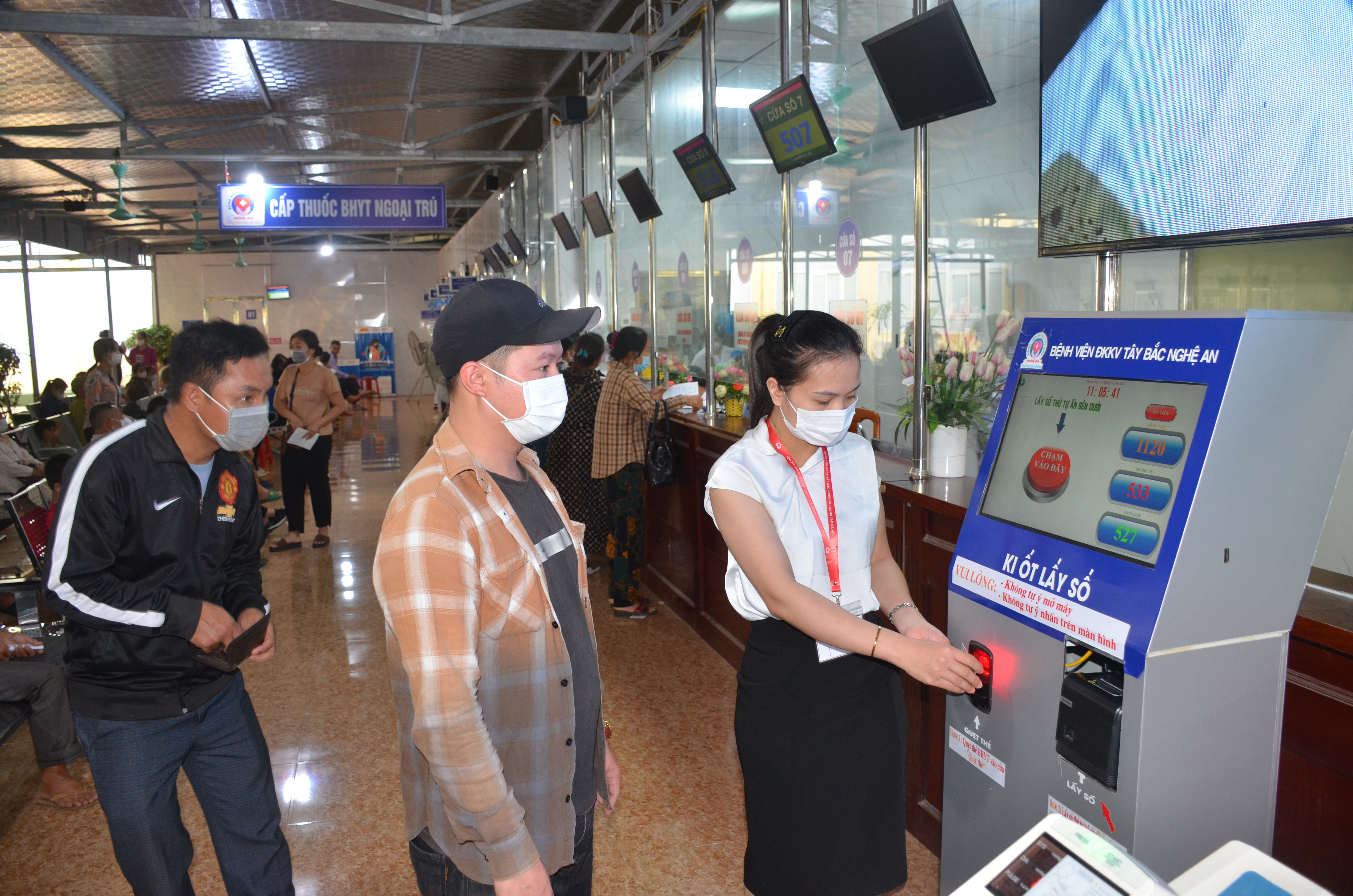
Recently, the Department of Health has directed hospitals to coordinate with commercial banks and payment intermediary service providers licensed by the State Bank of Vietnam to accelerate the implementation of diverse cashless payment methods, meeting the needs of people when participating in medical examinations and treatment. To date, 28 out of 38 units have implemented hospital fee payment through banks (reaching a rate of 73.6%).
PV:What difficulties and obstacles has the Nghe An health sector encountered during the digital transformation process?
Pharmacist Tran Minh TueCurrently, there are still difficulties and obstacles in the process of digital transformation in the healthcare sector, namely: The financial mechanism for applying information technology in healthcare in general and implementing electronic medical records in particular is lacking (there is no expenditure item for information technology, and the cost of healthcare services does not include an information technology component). Hospitals mainly use their own development investment funds to apply information technology, affecting other hospital activities. Therefore, investing in and upgrading card readers, barcode printers, workstations, servers, and infrastructure with sufficient bandwidth for data transmission faces many difficulties.

During the implementation of information technology in medical examination and treatment, many units are still facing difficulties, especially in developing project documents, outlines, and plans for hiring information technology services. Government agencies at all levels have not yet issued rental and purchase prices for various software programs, which would provide a basis for medical facilities to implement these measures.
Medical examinations and treatment using citizen identity cards are limited because some citizens' identity cards (approximately 2.8%) have not had their information integrated into the card. The QR codes on some identity cards are blurry. Some identity cards mistakenly integrate the health insurance card information of one person into another. Population data on the system, generated from the 2020 health record software at the commune and district levels, differs from reality, mainly due to discrepancies in administrative information; manual verification at commune-level facilities is difficult.

The network infrastructure at many facilities has been in use for a long time and is deteriorating and inconsistent, especially at commune, ward, and town health stations. Many medical facilities have not yet developed applications for customer care… Some units only have one IT officer who also handles many other tasks, and notably, some district-level health centers do not have an IT officer at all.
PVWhat digital transformation goals has the healthcare sector set for the future, and what are the solutions to overcome difficulties and obstacles and realize these goals?
Pharmacist Tran Minh Tue:The sector has set the goal that by 2025, 100% of healthcare information systems will be ensured information security and cybersecurity when put into operation and use; 100% of online public services will be maintained for administrative procedures that meet the criteria for being developed into province-wide online public services; 100% of internal management and administration activities of state agencies will be carried out on a unified, comprehensive management platform; 100% of medical facilities will implement cashless electronic payments; medical examination and treatment facilities will implement remote medical consultation and treatment; and online appointment registration will be available.

Over 90% of the population has electronic health records; 95% of commune, ward, and town health stations implement prevention, management, and treatment of some non-communicable diseases on a digital platform; 100% of infectious diseases and cases are managed on a digital health platform; 100% of communes have deployed health station management software with all the functions as prescribed by the Ministry of Health; 100% of public and private Grade 1 medical examination and treatment facilities have implemented electronic medical records.
The sector continues to promote the effective application of digital technologies such as artificial intelligence (AI), big data, the Internet of Things (IoT), and blockchain in healthcare activities; moving towards building a smart healthcare operations center.
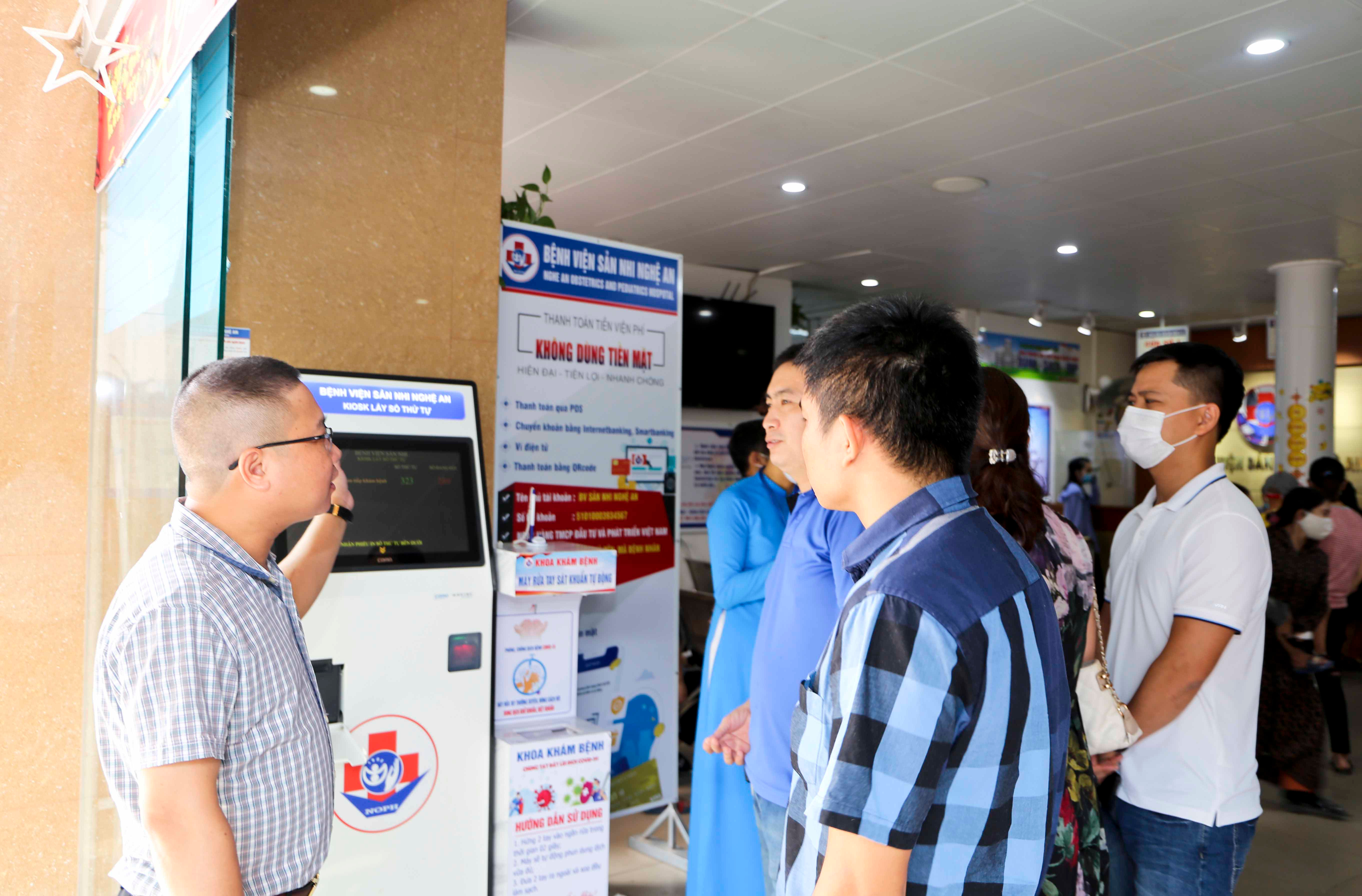
To achieve these goals, the health sector will continue to promote communication, education, and raise awareness among Party committees at all levels, individual Party members, and all civil servants, public employees, and workers about the necessity of digital transformation; implement digital healthcare institutions; and effectively organize and implement the healthcare digital transformation plan in accordance with the actual conditions of each unit and locality.
The sector is also accelerating the implementation of digital infrastructure, digital platforms, and digital health data, especially the digital health platforms directed by the Ministry of Health: the platform supporting remote medical consultation and treatment; the immunization management platform; the electronic health record platform; the commune health station management platform… implementing synchronized solutions to ensure cybersecurity. Alongside this, it continues to implement the digital government, digital economy, and digital society in the health sector. It is transforming health sector operations to operate in a networked environment. Focus is placed on training human resources for digital transformation in healthcare from the provincial level to the grassroots level to enhance capacity and gradually master digital technologies related to big data, mobile technology, and artificial intelligence in the healthcare field.
PVThank you, sir!


