
Nghe An: Public utility enterprises are not yet attractive to investors.
(Baonghean.vn) - This information was provided by the Department of Finance at a working session with the Provincial National Assembly Delegation's Monitoring Delegation on the implementation of policies and laws on the management and use of state capital and assets in enterprises and the equitization of state-owned enterprises in the period 2011-2016 on the morning of February 1st.
During the period 2011-2016, the Department of Finance advised the Provincial People's Committee on the equitization of 6 state-owned enterprises, of which 2 enterprises successfully sold all state capital according to the equitization method; the remaining 4 enterprises did not sell all state capital as planned.
The reason is that these are public utility enterprises operating in a wide area, with dilapidated facilities and equipment, outdated technology, and low production and business efficiency, making them unattractive to investors.
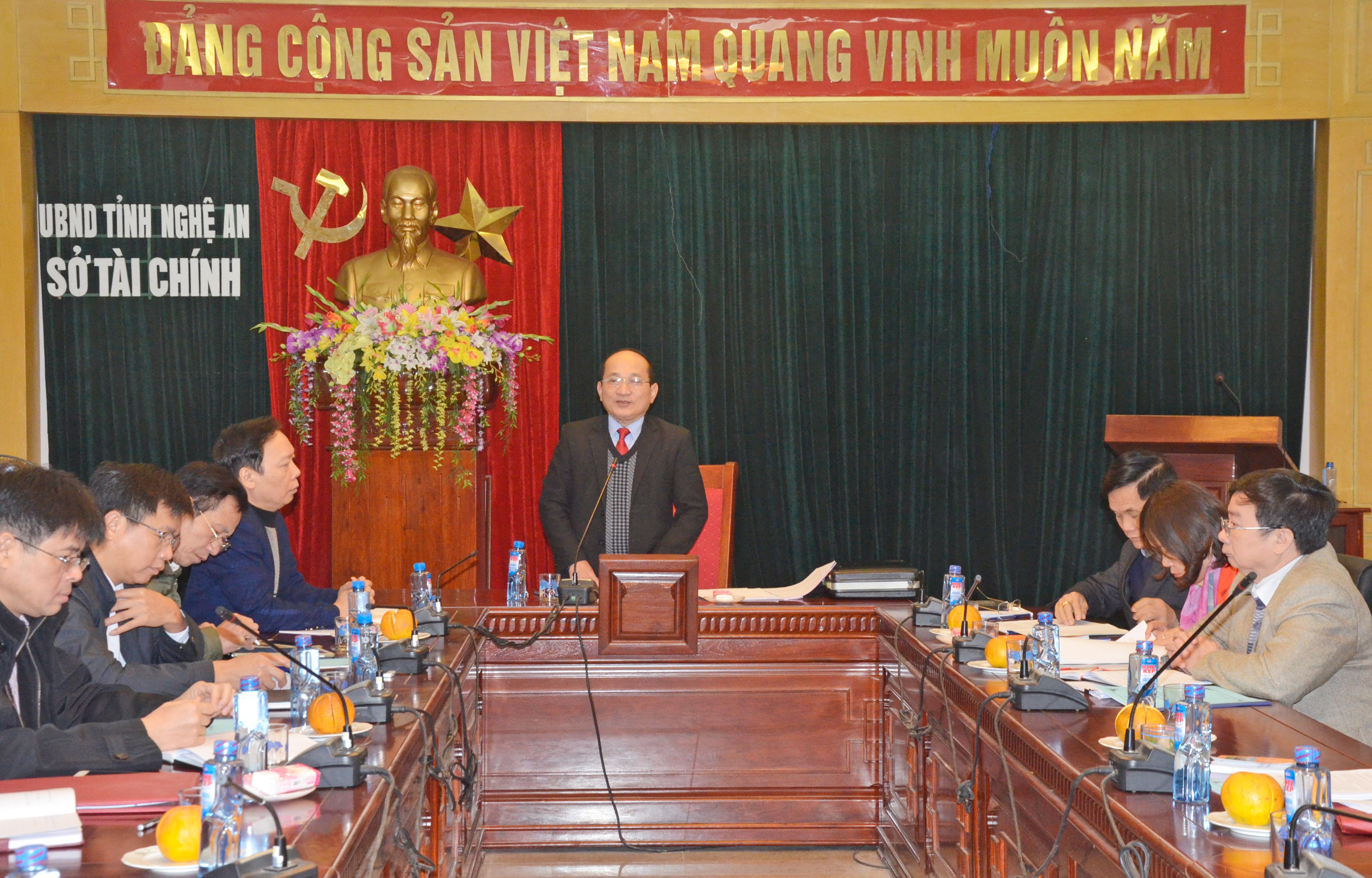 |
| Scene from the working session. Photo: Thanh Le |
According to Mr. Nguyen Ngoc Duc, Deputy Director of the Department of Finance, the Department of Finance annually coordinates with relevant agencies to advise the Provincial People's Committee on the implementation and organization of policies and laws on the management and use of state capital and assets in enterprises in accordance with the regulations of the Central Government and the province.
However, Mr. Duc argued that the state needs to research and finalize the mechanism for managing and supervising state-owned enterprises and their representatives.
Mr. Tran Minh Suu, representative of the State Audit Office Region II, stated that after equitization, the management of state capital in enterprises is extremely important, especially accounts receivable. Enterprises must proactively handle and classify debts.
"In the province, most public utility enterprises operate according to state-regulated service prices, their capital depends on the budget, and their products lack competitiveness. Therefore, the Department of Finance is responsible for advising the Provincial People's Committee on managing state capital, especially advances and the possibility of recovery," Mr. Suu suggested.
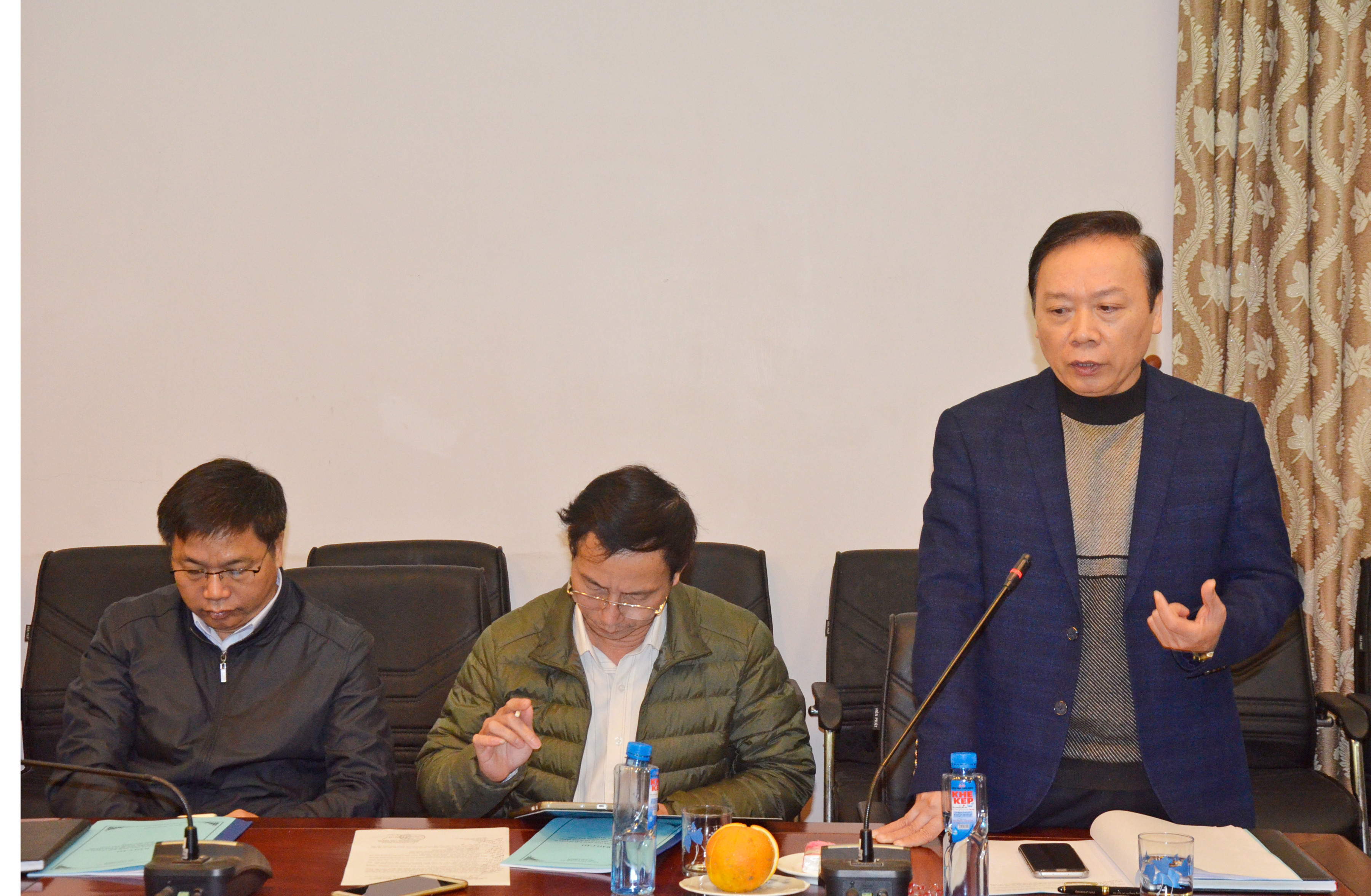 |
| Mr. Nguyen Ngoc Duc, Deputy Director of the Department of Finance, reported on the results of implementing policies and laws on the management of state-owned assets and capital. Photo: Thanh Le |
Deputy Director of the Department of Finance Nguyen Ngoc Duc added: According to the equitization process, in the stage of determining asset value, enterprises hire consulting firms.
This is an independent valuation agency that collects fees and is responsible for the valuation. The entire process and plans for the equitization of enterprises in Nghe An ensure compliance with state regulations.
Concluding the working session, Mr. Nguyen Thanh Hien - Deputy Head of the Provincial National Assembly Delegation - assessed that, with the responsibilities assigned, the Department of Finance had advised the Provincial People's Committee to issue guidelines on the implementation process in accordance with the regulations of the Central Government and the province.
Regarding the Department of Finance's recommendations on existing shortcomings, inadequacies, and obstacles, the National Assembly delegation has taken them into consideration and will submit recommendations to the Provincial People's Committee, the National Assembly, the Government, and relevant ministries and agencies.


