
Nghe An: Difficulties in collecting resource taxes
(Baonghean.vn) - In recent years, the main revenue sources from mineral exploitation in Nghe An province have been resource taxes and environmental protection fees, contributing significantly to the state budget. However, many difficulties in management are limiting these revenue sources.
Resource taxes and environmental protection fees are significant sources of revenue, contributing to the achievement of targets, plans, and budget estimates for state revenue collection in the province. More importantly, this revenue aims to regenerate, remedy, and minimize environmental pollution caused by mining and production activities. Currently, many businesses in Nghe An province have been granted mining rights, but the revenue from resource taxes and environmental protection fees in this sector is low. Meanwhile, mineral exploitation has had a major impact on transportation infrastructure, the environment, and has depleted natural resources...
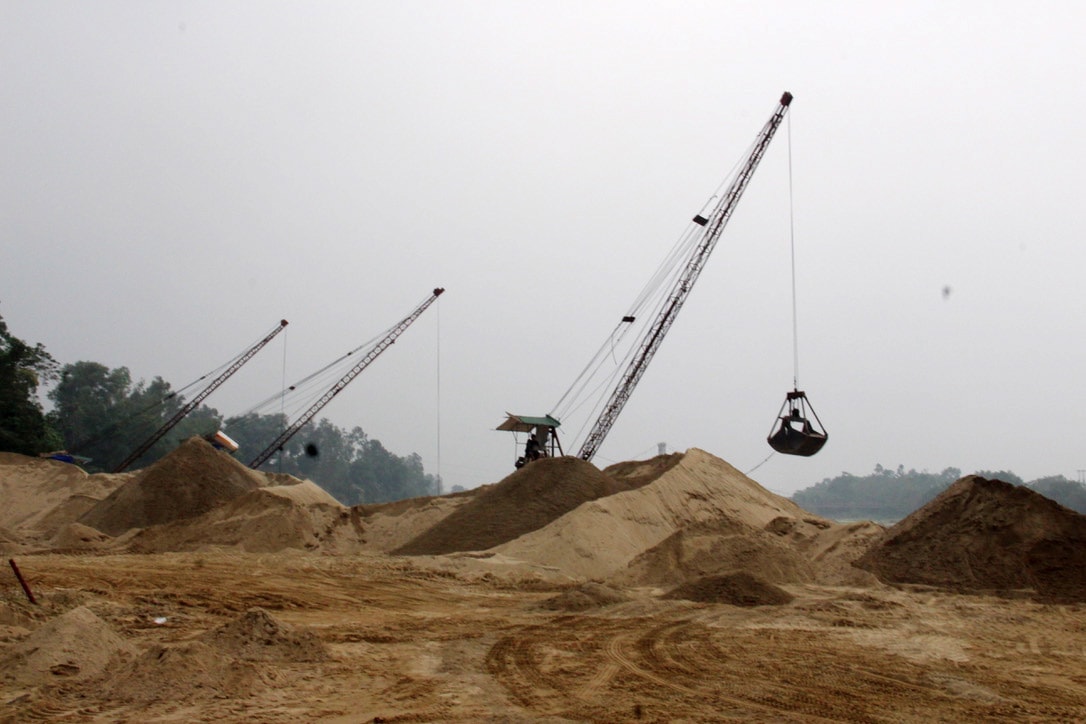 |
| Sand mining in Thanh Chuong. Photo: Van Truong |
The district-level management agencies in Thanh Chuong, Do Luong, and Tan Ky districts have many sand and stone mines, but the collection of resource tax and environmental protection fees in this sector remains challenging. For example, in 2021, the province assigned these three districts to collect 6.5 billion VND in environmental protection fees, but only 4.8 billion VND has been collected so far, leaving over 1.8 billion VND uncollected. Resource tax collection was targeted at over 20 billion VND, but only 16 billion VND has been collected, with 4 billion VND still outstanding. Several companies are still in arrears on these taxes, including Tan Loc One-Member Limited Company; Dat Anh Limited Company; Nguyen Ba Luong Limited Company; Toan Thanh Limited Company; and Pha Ngoc Nghe An Construction Joint Stock Company...
Mr. Vinh added: In order to focus on debt collection.resource taxRegarding environmental protection fees in the coming period, the Sub-Department will implement documents and guidelines on policies and obligations regarding environmental protection fees for mineral exploitation activities to enable taxpayers to make supplementary declarations and rectify violations. In coordination with local authorities at all levels, it will regularly inspect and collect resource taxes and environmental protection fees for mineral exploitation and purchasing activities in the district; resolutely handle cases of tax evasion and fraud related to resource taxes and environmental protection fees in mineral exploitation in accordance with regulations. It will advise districts to require businesses to install weighing stations and cameras to monitor the volume of minerals sold...
According to a report from the Nghe An Tax Department, as of now, the department has collected 80.67 billion VND in environmental protection fees for mineral exploitation, exceeding the target of over 104 billion VND for 2021. Resource tax revenue has reached nearly 398 billion VND, exceeding the planned target of 476 billion VND.
The collection rate for these two types of taxes remains low, mainly due to the prolonged Covid-19 pandemic which has caused difficulties for many businesses. Furthermore, some businesses are deliberately delaying tax payments. Investigations reveal that the most significant difficulties currently lie with resource tax and environmental fees, where taxpayers self-declare and self-pay, leading to cases of under-declaration of resource production or incorrect declaration of resource types to apply lower fees, and late declarations.
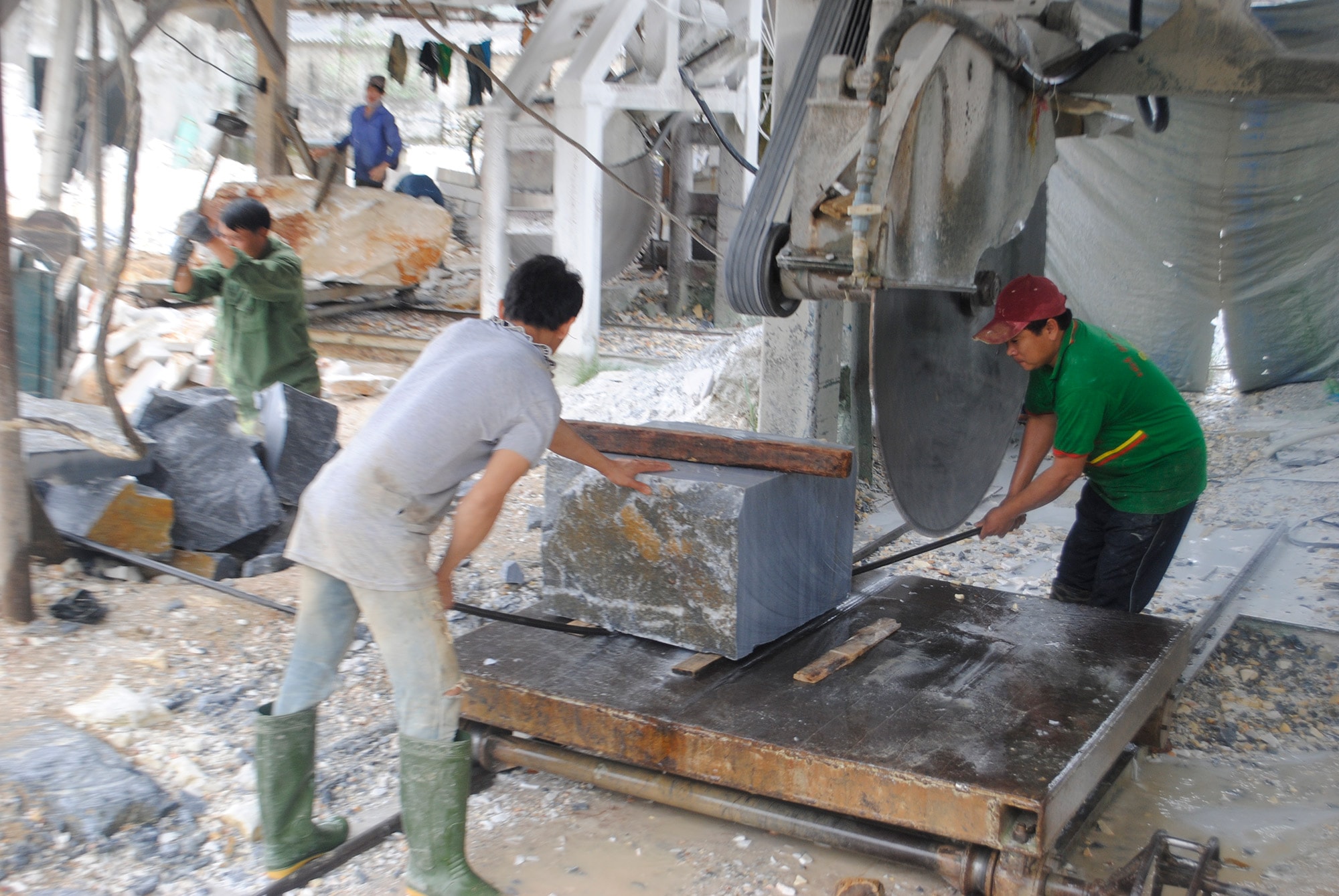 |
| Mineral processing in Quy Hop district. Photo: Van Truong |
To effectively collect resource taxes and environmental protection fees, the Nghe An Tax Department will direct its departments and sub-departments to coordinate with local authorities to strengthen on-site inspections, check electronic tax declarations of businesses at the Tax Department to determine quarterly production output, compile daily retail sales reports, and engage in dialogue with businesses. They will also compare input invoices of mineral mining businesses. If tax declarations are found to be inconsistent with the law, the tax authority will require taxpayers to submit supplementary declarations and pay taxes into the State budget.
In the long term, it is necessary to strengthen the dissemination and education of tax laws; provide various forms of support and create favorable conditions for taxpayers to declare and pay taxes; closely inspect and review tax declaration documents, thereby accurately assessing the information declared in tax documents such as production volume, consumption volume, cost, selling price, etc.
This helps tax authorities understand the quantity and types of minerals relevant to determining the tax obligations of businesses; and actively coordinate with relevant agencies in tax management.


