
Nghe An tightens quality management of agricultural, forestry, and aquatic products.
Over the past period, the Nghe An Sub-Department of Quality, Processing and Market Development has implemented many practical activities, contributing to raising awareness and responsibility of production facilities as well as consumers in ensuring food hygiene and safety, and strictly controlling food quality in the area.
The first five months of 2025 will be a period of high food consumption, concentrated around the Lunar New Year and Spring Festival 2025; Action Month onfood safetyDuring the tourist season and national holidays, the Nghe An Provincial Department of Quality, Processing and Market Development has intensified measures to manage and control food quality in the market.
Strengthening quality management of agricultural, forestry, and aquatic products.
As the agency assigned to manage food quality and safety in the agricultural sector,The Department of Quality, Processing and Market Development of Nghe An province hasThe Department of Agriculture and Environment advised the Provincial People's Committee to promptly issue guiding documents, such as: advising the Provincial People's Committee to issue an Action Plan to ensure food safety, increase processing and develop the market for agricultural, forestry, and aquatic products; a Decision to establish an inter-agency inspection team on food safety quality during the Lunar New Year and Spring Festival in 2025; advising the Department of Agriculture and Environment to issue many guiding documents on the management of agricultural, forestry, and aquatic product quality; promoting propaganda, coordinating with central and local newspapers and radio stations to produce reports and programs for farmers; producing and publishing newsletters on food safety; displaying banners, slogans, and leaflets; and organizing 53 training courses on food safety knowledge for 2,014 people who are owners and workers involved in the production and business of agricultural, forestry, and aquatic products in the province.
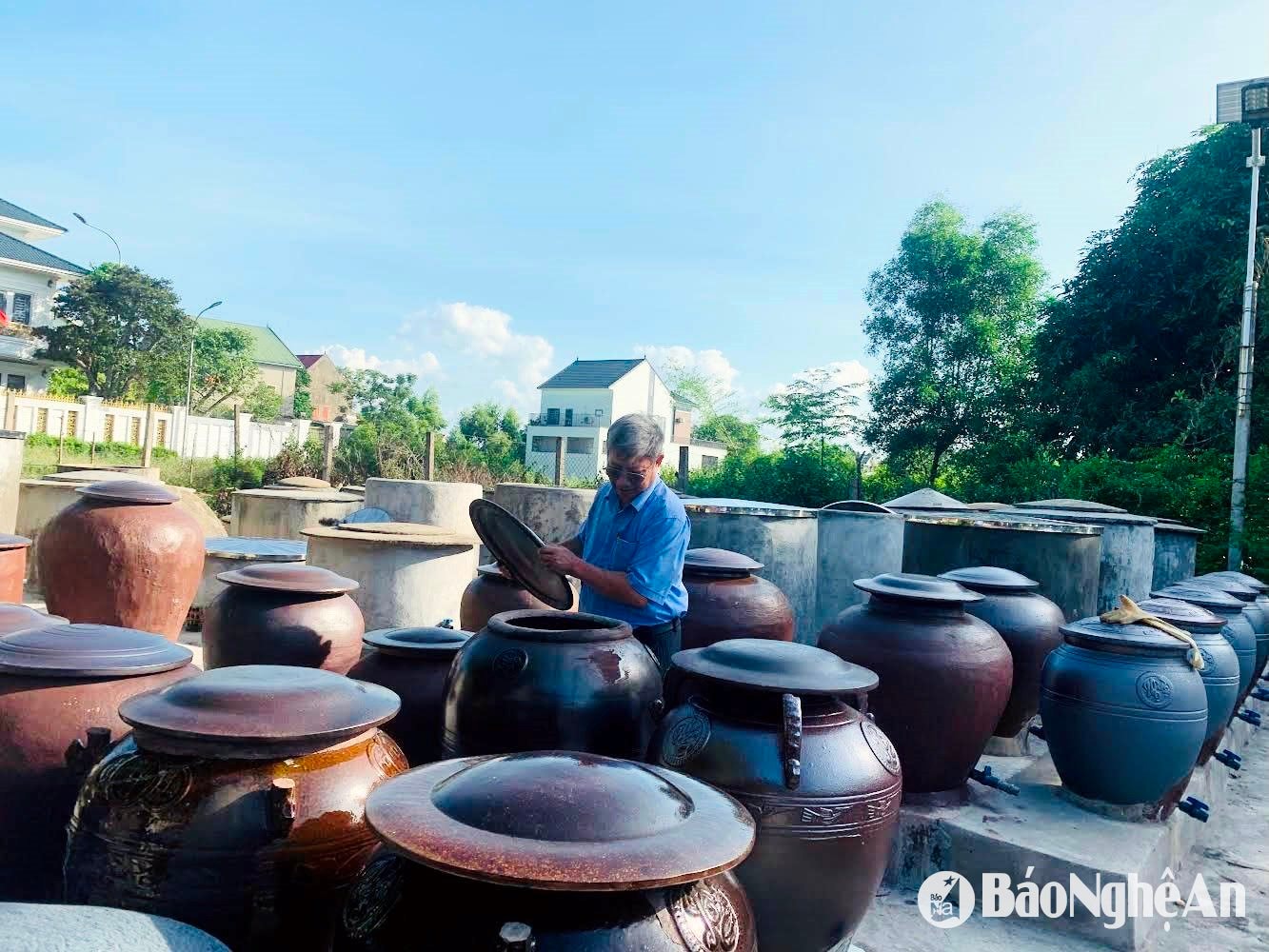
The unit also chaired the inter-agency inspection team on food safety and quality during the Lunar New Year and Spring Festival in 2025, participated in the inter-agency inspection team on food safety and quality during the "Month of Action on Food Safety", and established 8 inspection teams at units under the department, inspecting nearly 400 establishments, fining 4 establishments with a total of 42 million VND; and issuing 103 Food Safety Certificates.
In the workquality managementATTP, the Sub-Department of Quality, Processing and Market Development, has promptly coordinated with relevant functional agencies, thereby detecting and handling establishments producing and trading agricultural, forestry, and aquatic food products.
Typically, upon receiving information about violations regarding the use of 6-Benzylaminopurine in bean sprout production in Dak Lak province, the Sub-Department promptly directed its professional staff to monitor the production situation at bean sprout production facilities in the province, provide information, and coordinate with the Provincial Police Investigation Agency to track and investigate the use of banned substances in bean sprout production at several bean sprout production facilities in Vinh City.
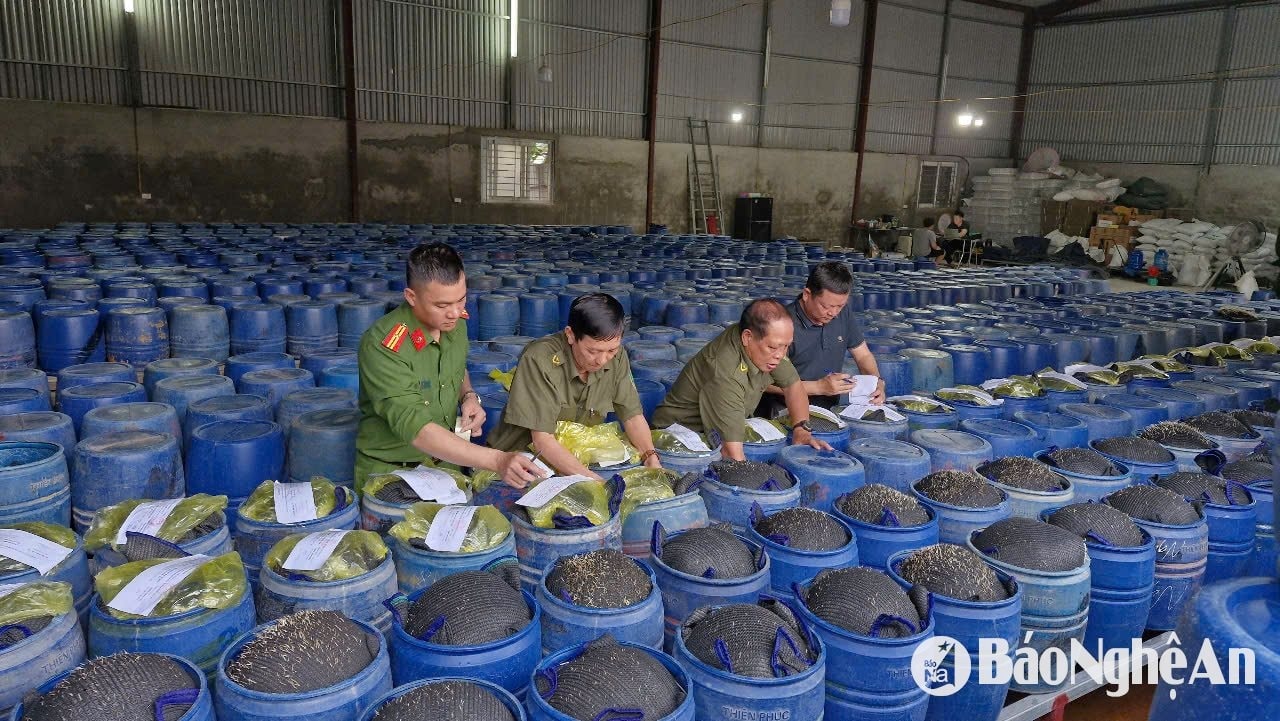
During the investigation, the Provincial Police Investigation Agency prosecuted three establishments and four individuals involved in bean sprout production in Vinh City for violating regulations on the use of banned substances in bean sprout production. They seized approximately 25,000 kg of bean sprouts, 25 liters of pure "candy water" chemical solution (scientifically known as 6-Benzylaminopurine (6-BAP)), and 150 liters of diluted solution used in production. The unit also coordinated with the People's Committee of Vinh Tan Ward, Vinh City, to inspect and monitor several bamboo shoot production facilities in the ward.
Building a brand of high-quality, safe products.
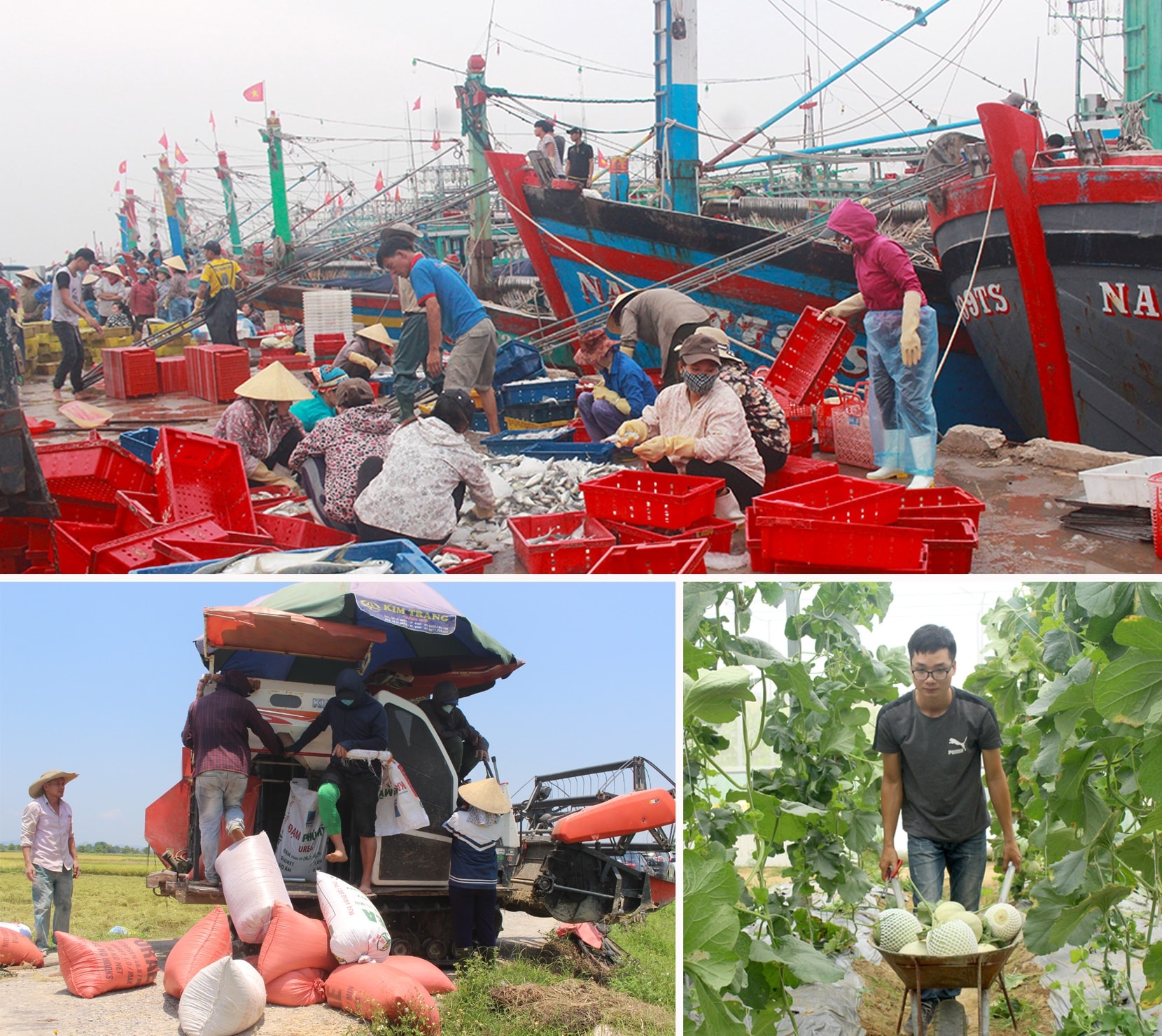
Nghe An province has a large-scale agricultural production system, producing nearly 170,000 hectares of rice annually; over 22,500 hectares of peanuts, beans, and corn; 8,760 hectares of tea; nearly 21,000 hectares of fruit trees; and 41,556 hectares of vegetables and tubers. Alongside this is a system of 987 livestock farms with a total herd of nearly 2 million buffaloes, cows, and pigs; 37 million poultry, with a total output of over 287 tons of live meat per year; and a total output of 287,500 tons of aquaculture and fisheries products per year. The province has 24,659 establishments involved in the production and trading of agricultural, forestry, and aquatic products.
To improve the quality of agricultural, forestry, and aquatic food products, in addition to strengthening inspection and monitoring, the issue of producing quality food from the source is extremely important. We will continue to focus on supporting production, processing, and business establishments to apply clean and safe production methods, improve product quality, and build brands, product designs, and traceability to meet the increasingly high demands of consumers, thereby creating a stable market and value for Nghe An's agricultural, forestry, and aquatic products.”
Mr. Nguyen Van Ha - Head of the Quality, Processing and Market Development Sub-Department of Nghe An Province.
Each year, the Sub-Department focuses on identifying key agricultural, forestry, and aquatic products with large market supplies in the province, in order to support and transfer production processes accordingly.good practice standards(VietGAP, HACCP, ISO,...). Since the beginning of the year, units under the Ministry of Agriculture and Environment have supported localities and production facilities with 15 production models according to VietGAP and HACCP standards for products such as rice, vegetables, pineapples, tea, processed meat, and agricultural products. Through this model support, nearly 500 households involved in the production and processing of agricultural, forestry, and aquatic products have been guided and taught the principles and processes of producing clean food.
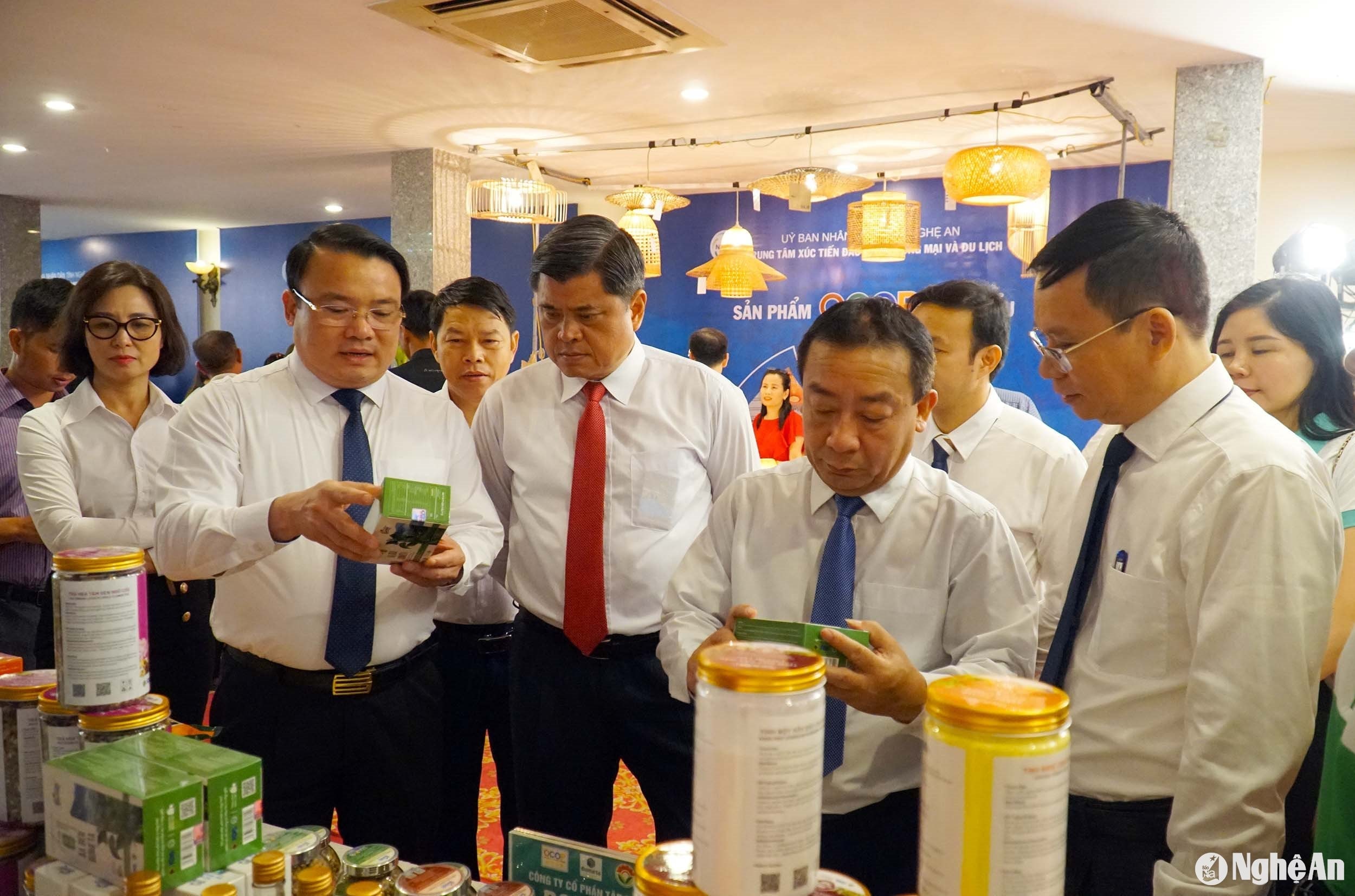
Thanks to the efforts of specialized units and localities, the management of food safety and quality in agriculture, forestry, and fisheries has been strengthened, product quality has improved, and the proportion of deeply processed products is increasing. Producers have gradually become more interested in building brands, product designs, and traceability.
Mr. Nguyen Thai Tuan, Head of the Professional Department of the Sub-Department of Quality, Processing and Market Development, said: To date, the agricultural sector and local authorities at the district and commune levels have issued Food Safety Certificates or equivalents (HACCP, ISO 22000, etc.) to thousands of establishments, including nearly 1,800 certificates of food safety compliance; and have signed food safety commitments with nearly 4,000 establishments producing and trading agricultural, forestry, and aquatic products.
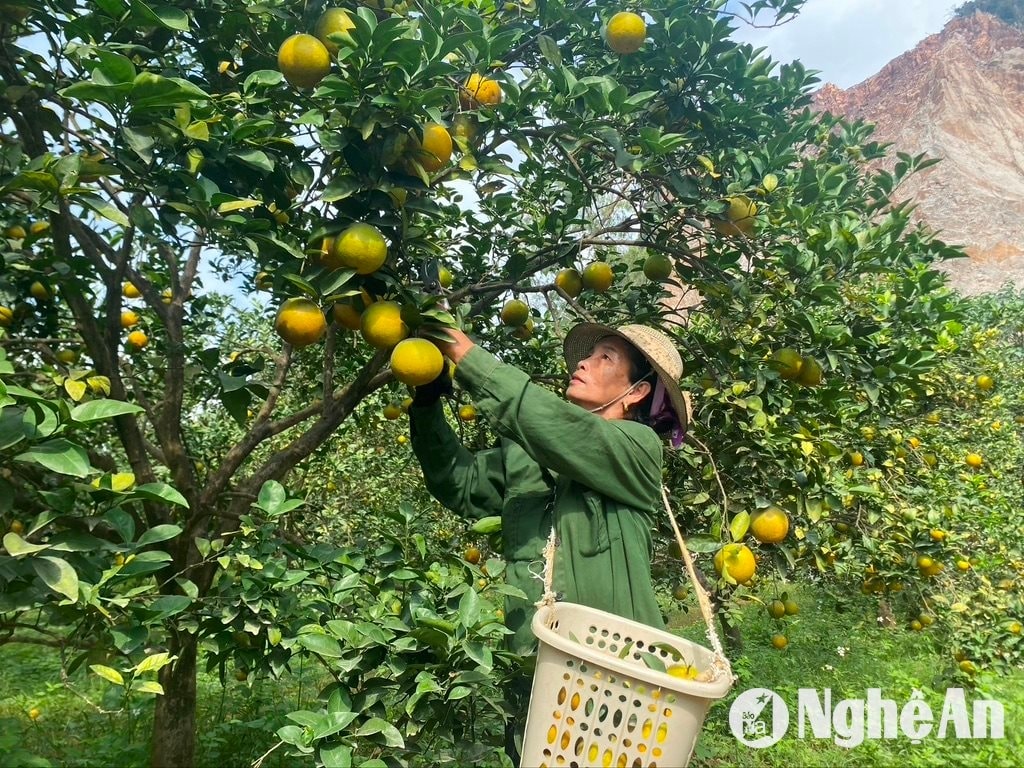
Along with continuing to promote comprehensive solutions ranging from strengthening communication efforts and improving management capacity to inspection and handling of violations, one area that the Sub-Department has focused on for many years is supporting and developing safe food production models along the value chain. In the first few months of the year, the unit coordinated the implementation of training on good agricultural practices according to VietGAP standards at the vegetable and fruit production model of Song Lam 37 Agricultural Products Co., Ltd. (Trung Son commune, Do Luong district) and the rice production model for Tao Son Rice Production Cooperative, Anh Son district.
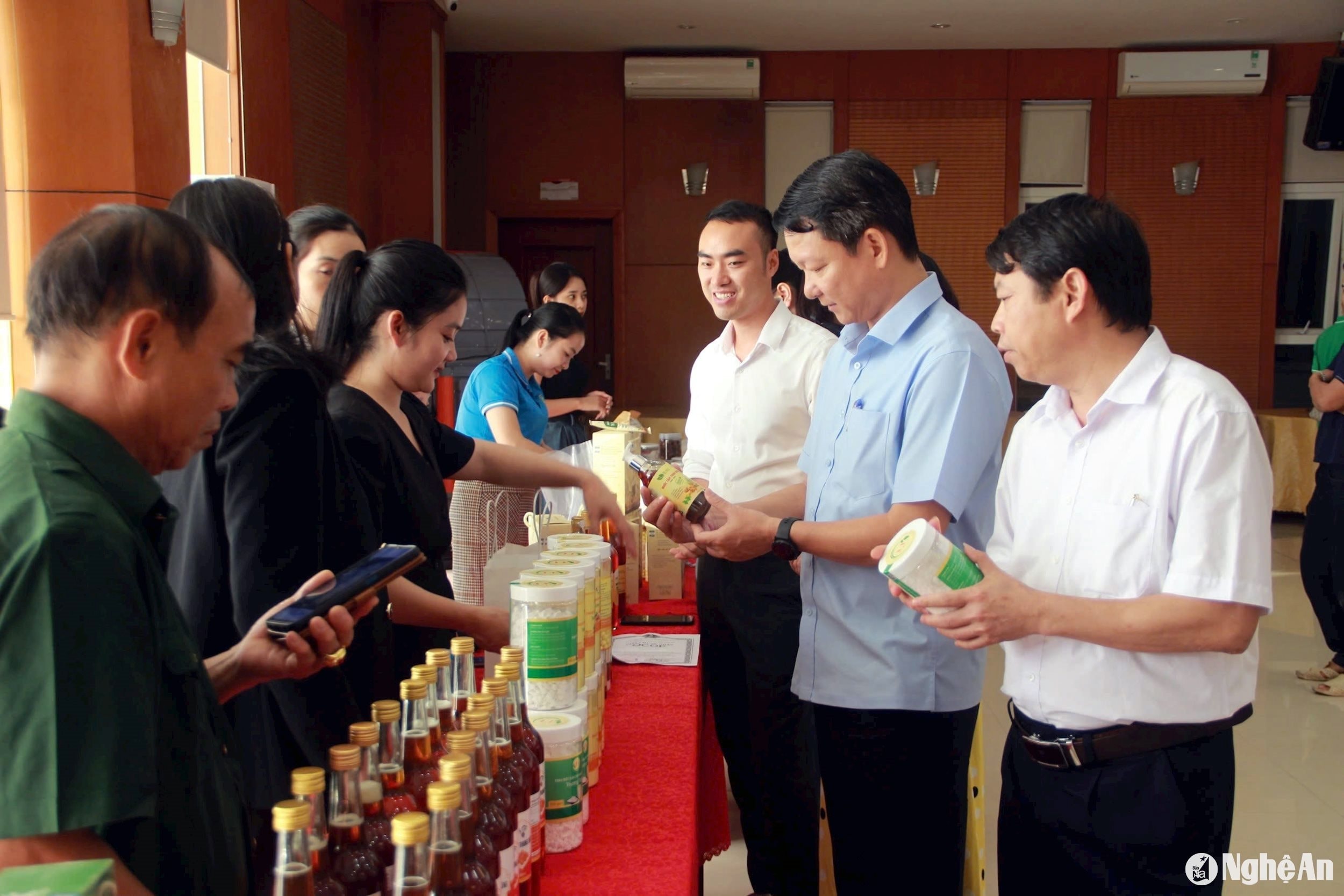
"In the coming period, we will continue to manage food safety according to assigned responsibilities and levels, strengthen inspections and strictly handle violations; and compile and review statistics."manufacturing facility,"We need to monitor agricultural, forestry, and fisheries businesses in the area to promptly identify and manage violations. At the same time, we will strengthen management and enforce food safety commitments for eligible establishments; disseminate information, provide training on food safety, and explain state regulations regarding food production and business responsibilities," Mr. Nguyen Van Ha stated.


