
Nghe An seeks solutions for relocating flood-affected areas.
Although the rainy season hasn't officially begun, prolonged heavy rains have unexpectedly caused flash floods and landslides in mountainous communes such as Huu Khuong and Nhon Mai (Tuong Duong district), and Tri Le (Que Phong district), resulting in significant damage. Local authorities and relevant agencies are working to mitigate the consequences and are also planning for resettlement and relocation of residents from high-risk areas before the upcoming rainy season.
Flash floods in the middle of summer!
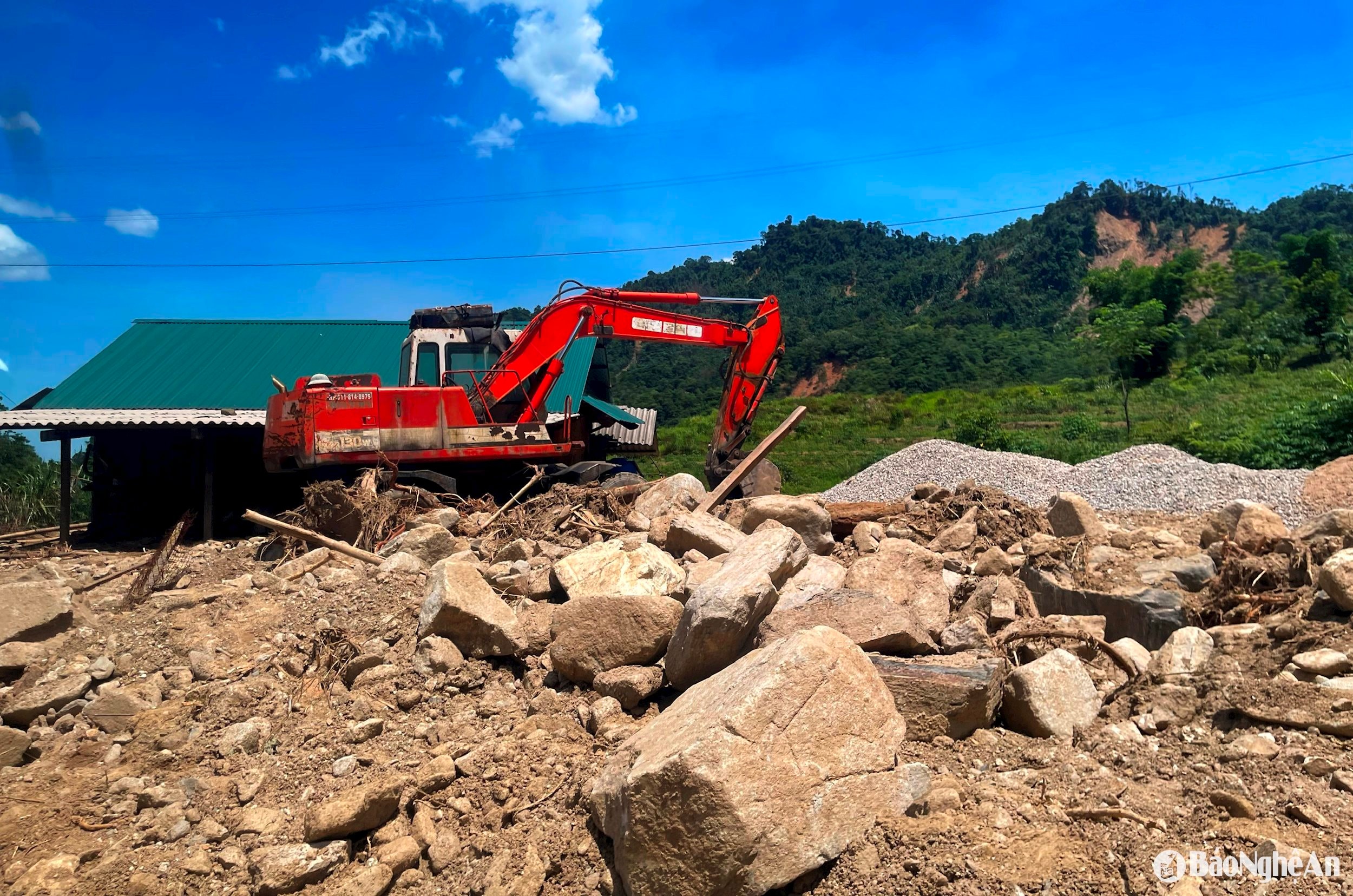
According to reporters, following the unexpected flash flood on the evening of May 29th, the scene in Huu Khuong commune, Tuong Duong district, remains littered with debris. Machinery and manpower have been mobilized to clear paths for vehicles and people to travel, but as of now, many areas have yet to be restored to their original condition.
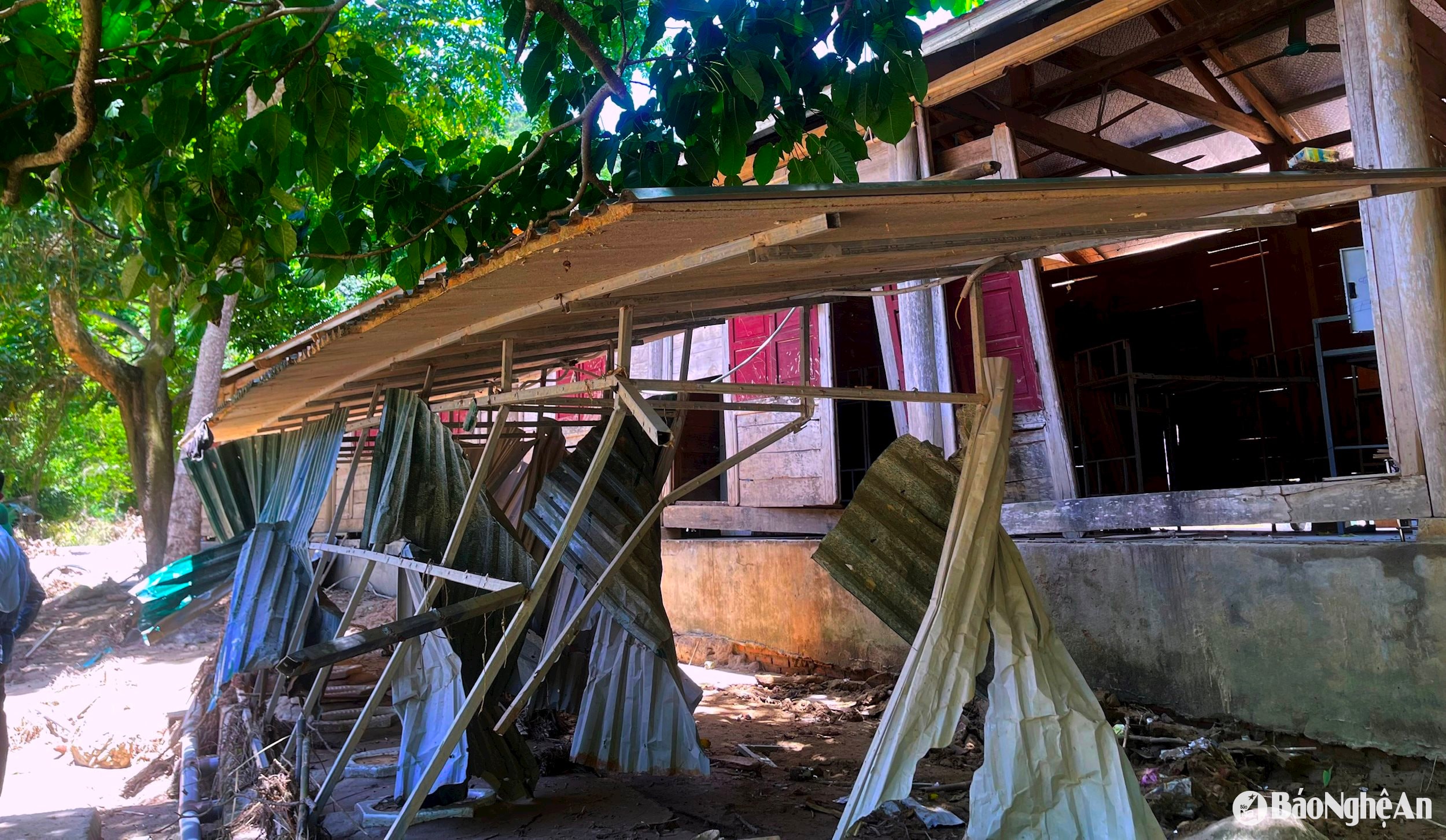
At Huu Khuong Ethnic Boarding Junior High School, one of the hardest-hit areas, despite the urgent efforts of militia, police, border guards, and local residents, classrooms, dormitories, and the schoolyard remain covered in mud. Many desks, chairs, beds, and student belongings were severely damaged. Fortunately, the floods coincided with the summer break, so students had not yet returned to school, avoiding casualties and ensuring that the repair work did not disrupt teaching and learning.
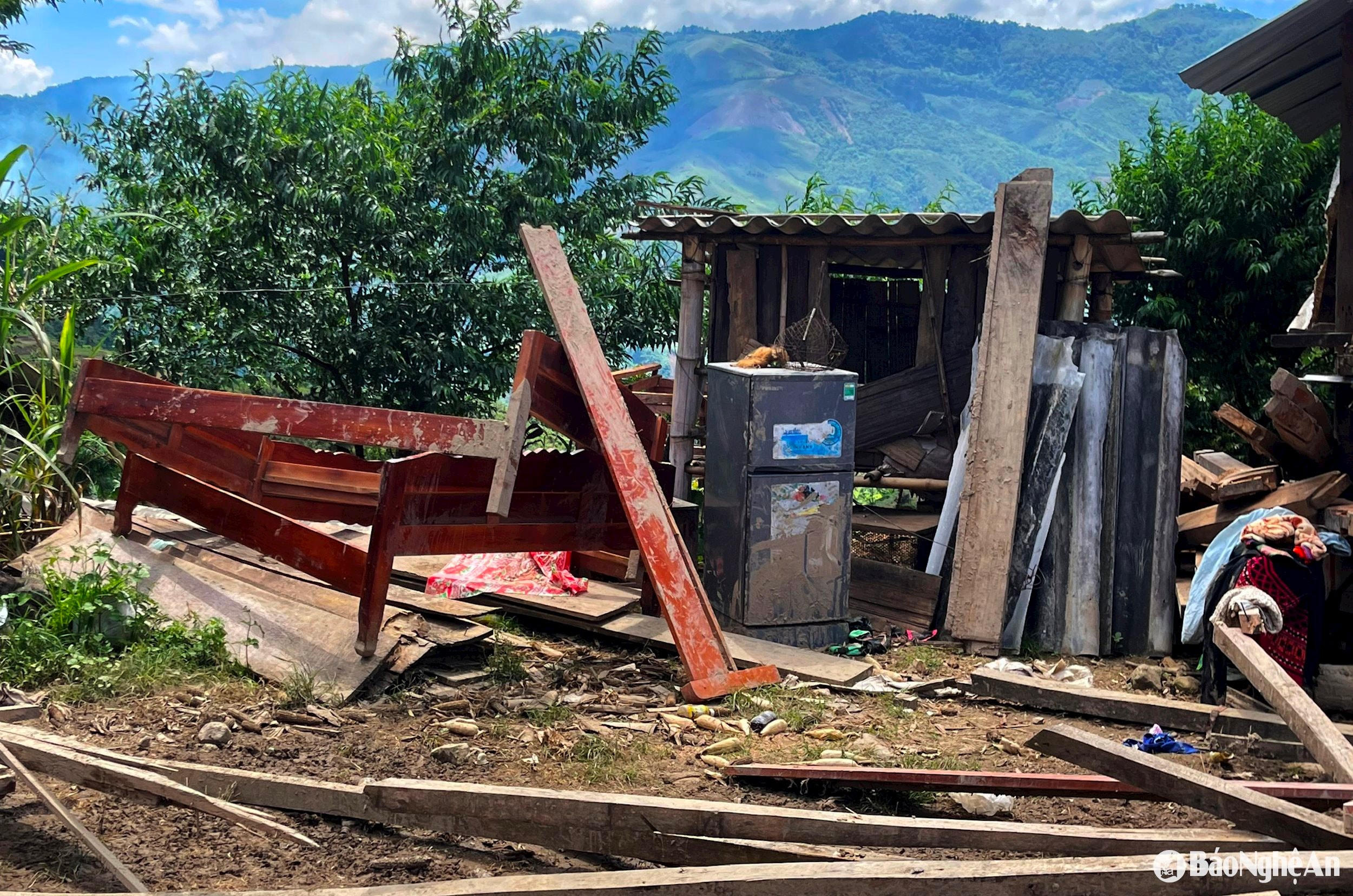
Not only schools, but also homes were devastated after the floods. Along the Chà Là stream, the family of Mr. Vi Văn Bình in Con Phen village is still in shock: “The flood rose so quickly, my family only had time to run to higher ground and stay with relatives for two days. Now that the sun is out, we dare to return. Our newly built house has a large landslide, running from the foundation to the yard, with a gap of only a little over a meter. My family doesn't dare stay there for fear of further landslides.”
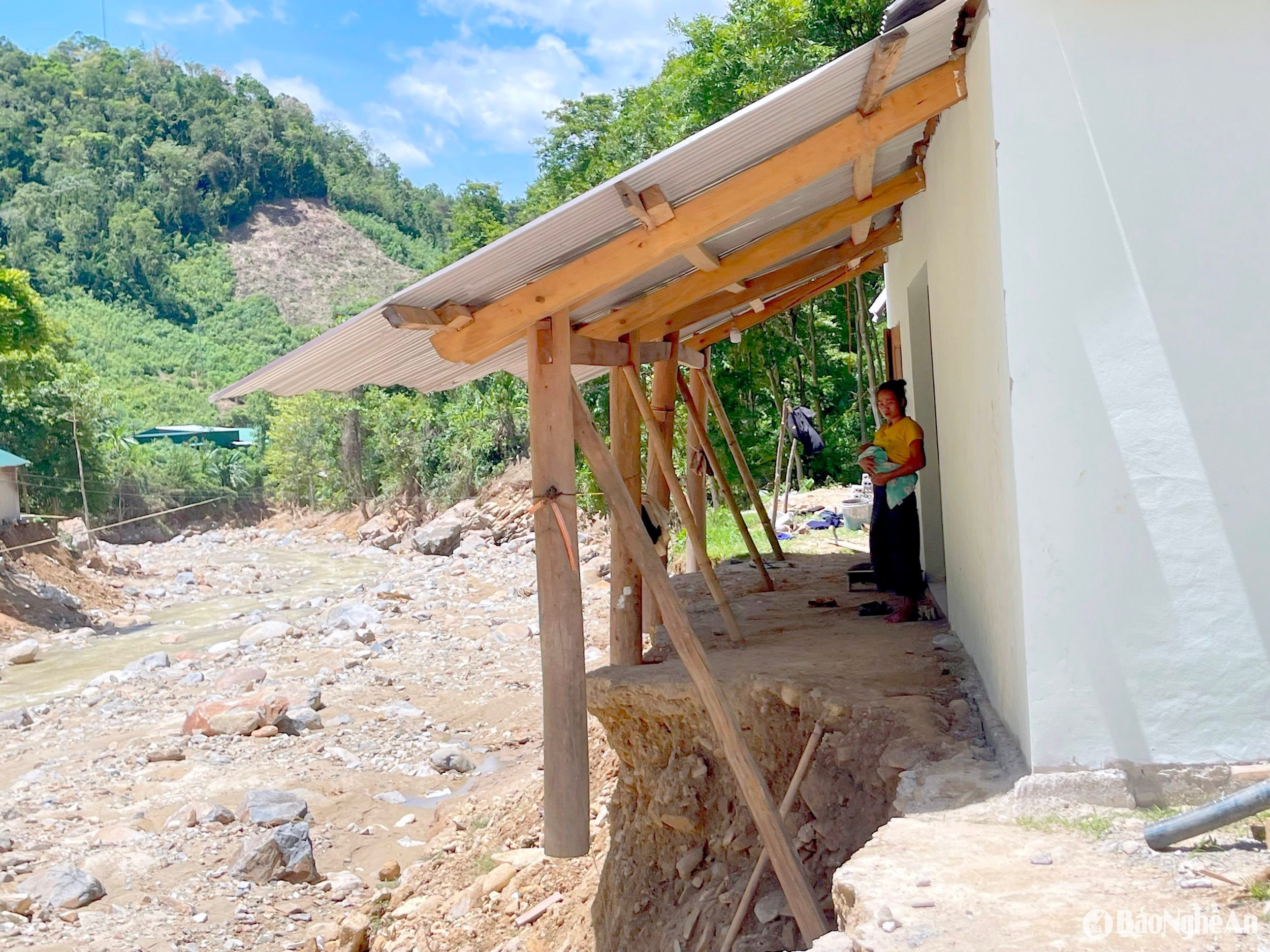
In Con Phen village, many iron bridges, which were vital transportation links between villages, were swept away by floods. Residents now have to risk their lives wading through fast-flowing streams to get around, posing a high risk of danger.
Mr. Lo Van Giap, Chairman of the People's Committee of Huu Khuong commune, said: "Never before have flash floods come so early and caused so much damage. In the entire commune, 3 houses were completely swept away, and 23 others were inundated with mud and rocks; the school system and student dormitories suffered severe damage. The damage to production is also very significant, with dozens of hectares of rice, crops, and cassava destroyed; many fish cages, ponds, buffaloes, cows, and poultry were swept away. The estimated total value of damage in Huu Khuong commune amounts to billions of dong, a very heavy burden for a locality that still faces many difficulties..."
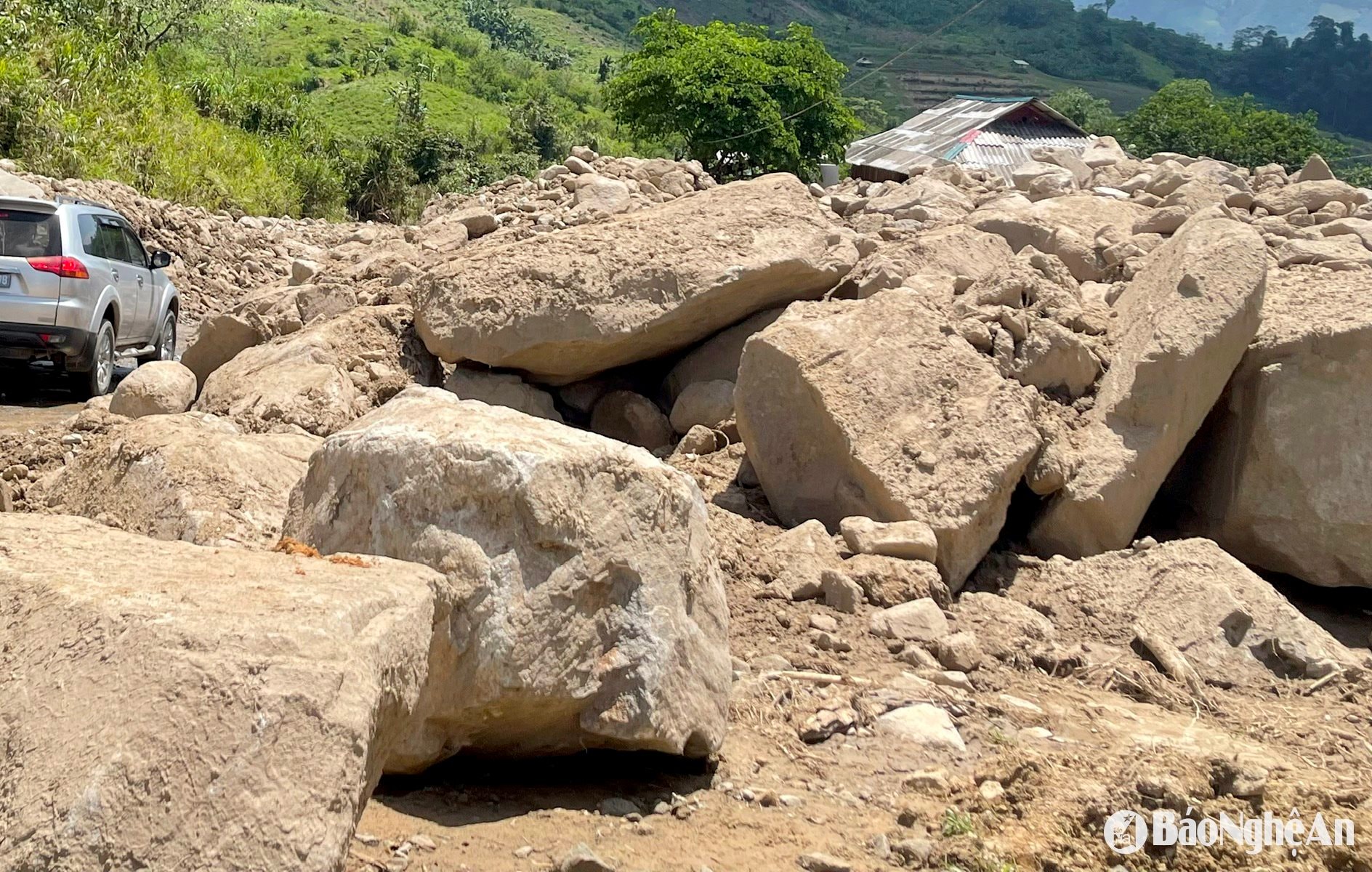
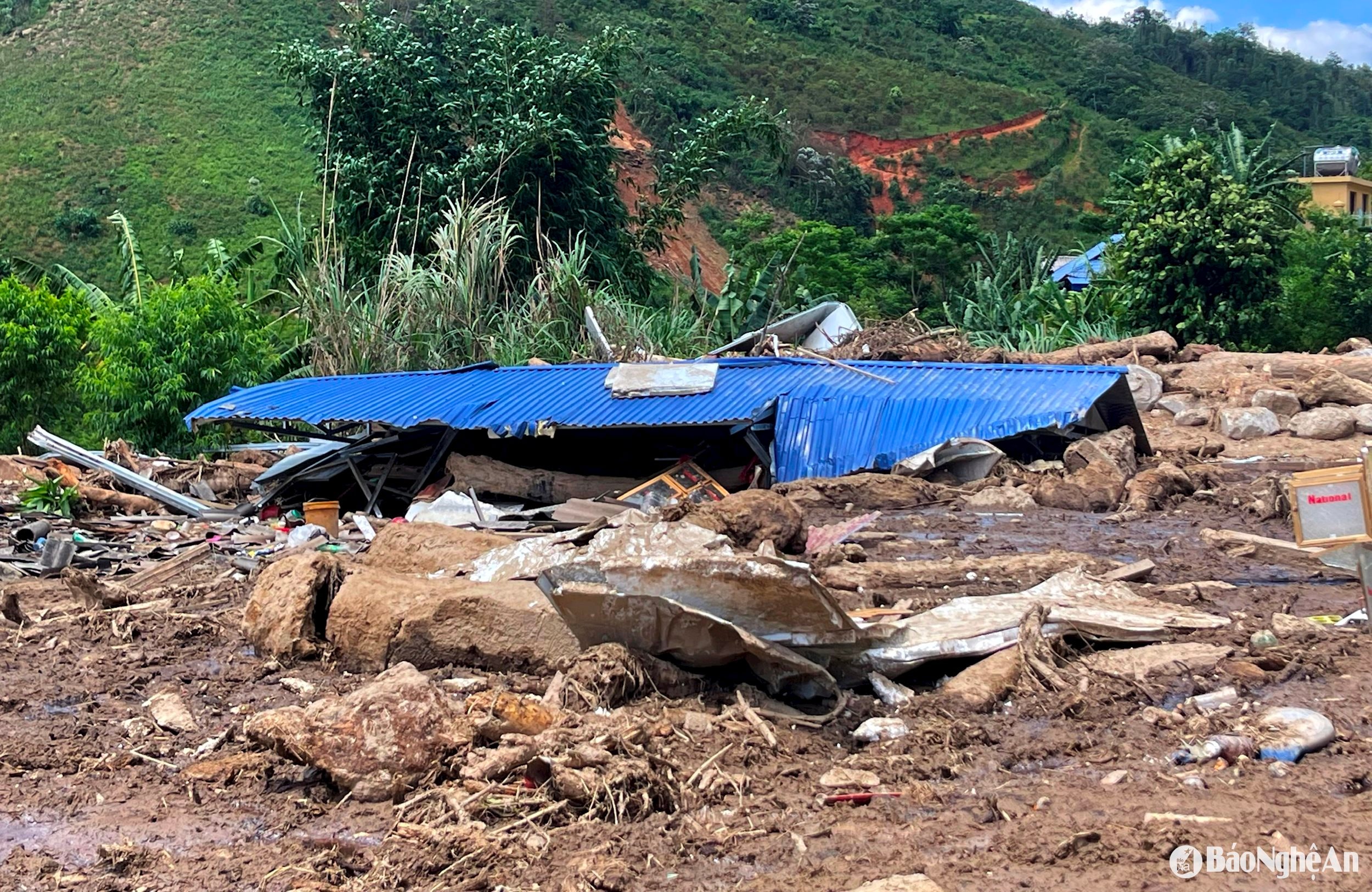
In Tri Le commune (Que Phong district), the situation remains chaotic these days, and people's lives have not yet returned to normal. Notably, this is the first time the locality has witnessed flash floods and landslides in May, in the middle of summer.
Mr. Lu Van Cuong, Chairman of the Tri Le Commune People's Committee, said: "I have been a commune official for many years, but I have never seen flash floods or landslides occur in May in our locality. Normally, floods only occur from September to November, during the rainy season. In particular, Lam Hop village is considered one of the safest villages in the commune, not located in a mountainous area with steep slopes like other villages, yet this time it has been severely affected. This is very rare and worrying."
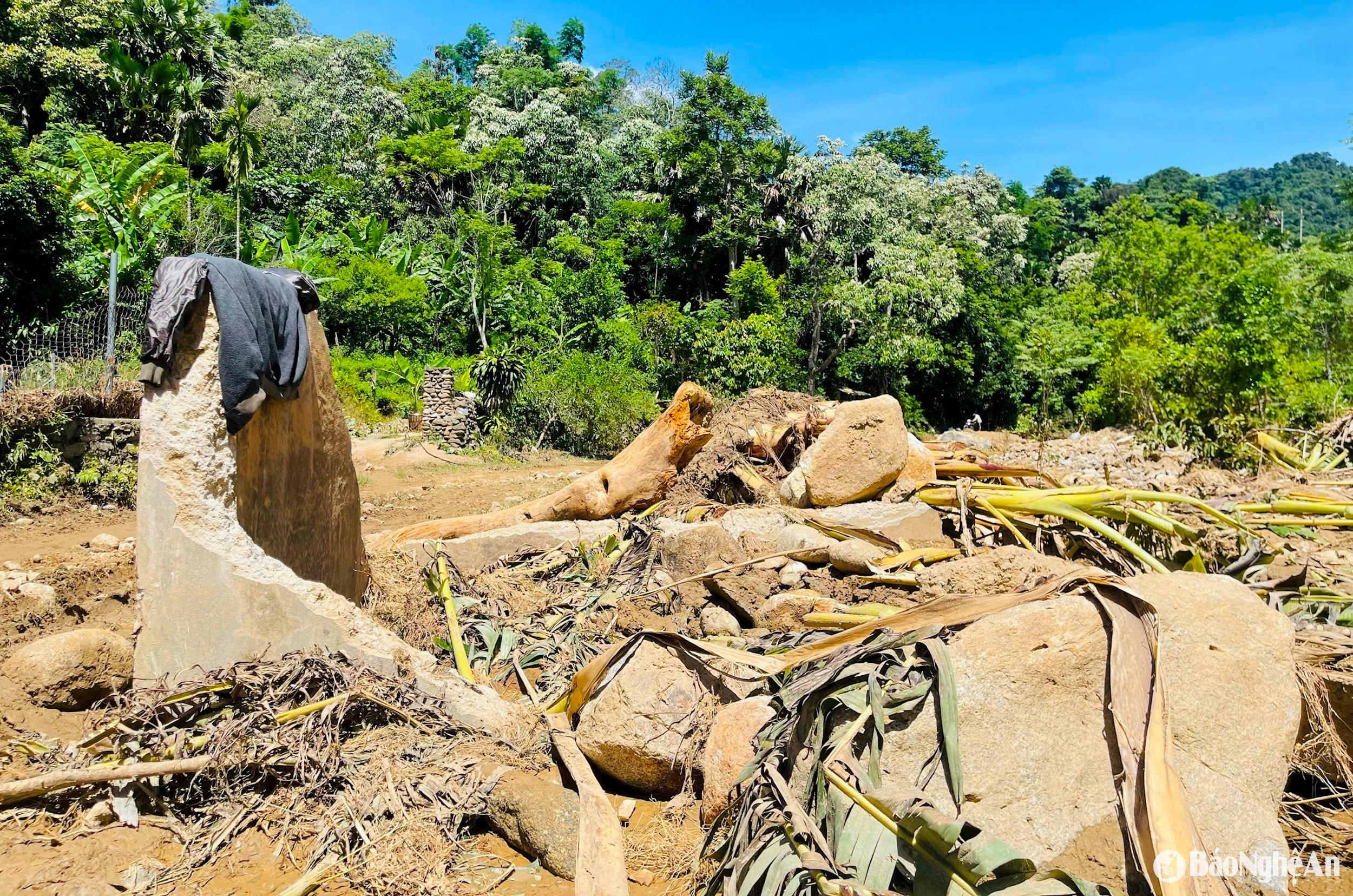
Many village elders and leaders in remote communes also affirmed that, in the past decades, they had never seen floods occur in the middle of a hot summer. This is a sign of the increasingly extreme nature of the weather, requiring a more flexible response from both the government and the people.
Research for resettlement
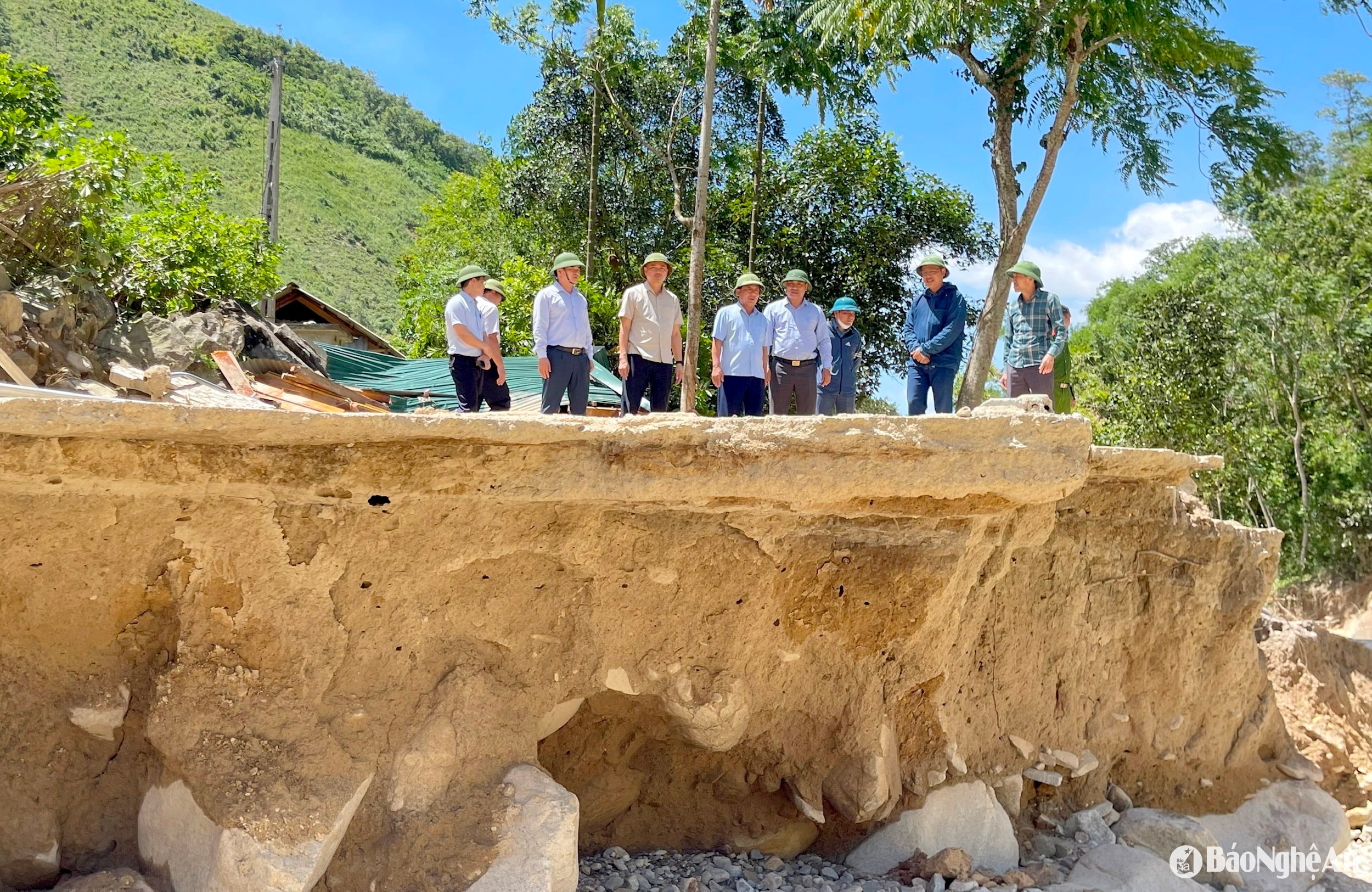
Following the unexpected flash floods, Vice Chairman of the Provincial People's Committee Nguyen Van De conducted a field inspection of the severely affected areas in Tuong Duong and Que Phong districts.
At the scene, the Vice Chairman of the Provincial People's Committee encouraged the people to quickly stabilize their spirits and overcome the consequences, while emphasizing: "The sudden and unexpected arrival of rain and floods is a wake-up call; we cannot be complacent in the face of increasingly extreme climate change. We must immediately activate response plans, especially the 'four on-the-spot' principle, to minimize potential damage in the coming period."
The Vice Chairman of the Provincial People's Committee requested that departments, agencies, and localities study options for diverting water flow in weak streams and ravines to other areas, avoiding residential areas and minimizing future flooding. Furthermore, in the long term, they should promptly survey suitable locations to implement resettlement plans and relocate households living in high-risk areas.
During the inspection trip, the Vice Chairman of the Provincial People's Committee also requested the districts to mobilize all available machinery, manpower, and vehicles to urgently clear the land and rocks, and temporarily reopen the roads to ensure traffic flow and the supply of goods, food, and clean water to affected households, prioritizing those who lost their homes and suffered significant property damage.
Border guards, police, militia, and volunteer youth units were also mobilized to clean up houses and schools, and assist people in overcoming initial damage. Medical staff were reinforced in remote villages to prevent and control post-flood diseases, especially diarrhea, conjunctivitis, and viral fever.
In addition, the provincial government also directed the Department of Education and Training to coordinate with local education and training departments to assess the extent of damage at school facilities and develop emergency repair plans to ensure readiness for the new school year, especially for boarding schools where students live together.
In the long term, the provincial leadership has assigned the Department of Agriculture and Environment to coordinate with local authorities to survey and compile a list of residential areas at risk of landslides and flash floods in order to develop a relocation and resettlement plan. Priority will be given to villages located along streams and deep ravines, where the geological conditions are weak. The construction of new residential clusters will be linked to a comprehensive infrastructure system including electricity, water, schools, and health stations to ensure long-term stability of life.
Despite having experience in disaster prevention and control, the unusual flash flood at the end of May served as a clear warning that nature is becoming increasingly unpredictable and not following traditional cycles. This poses a major challenge to disaster risk management, especially in mountainous districts with steep terrain, weak geological foundations, and limited infrastructure.
In this context, passive responses, temporary solutions, or makeshift remedies are no longer feasible. Local authorities and relevant agencies need to urgently develop long-term strategies for disaster prevention and control, prioritizing the planning and relocation of residents to suit the topographical and hydrological characteristics, investing in robust infrastructure in safe resettlement areas, proactively adjusting water flow at high-risk points, and strengthening the "four on-the-spot" response plans to be more realistic. This is a prerequisite for minimizing damage and protecting people's lives and property in the long term.


