
Turmeric is in season and fetching good prices, bringing joy to farmers.
Currently, in the key turmeric-growing areas of the province, farmers are busy harvesting. The turmeric crop is bountiful, selling out as soon as it's harvested at good prices, so the growers are very happy.
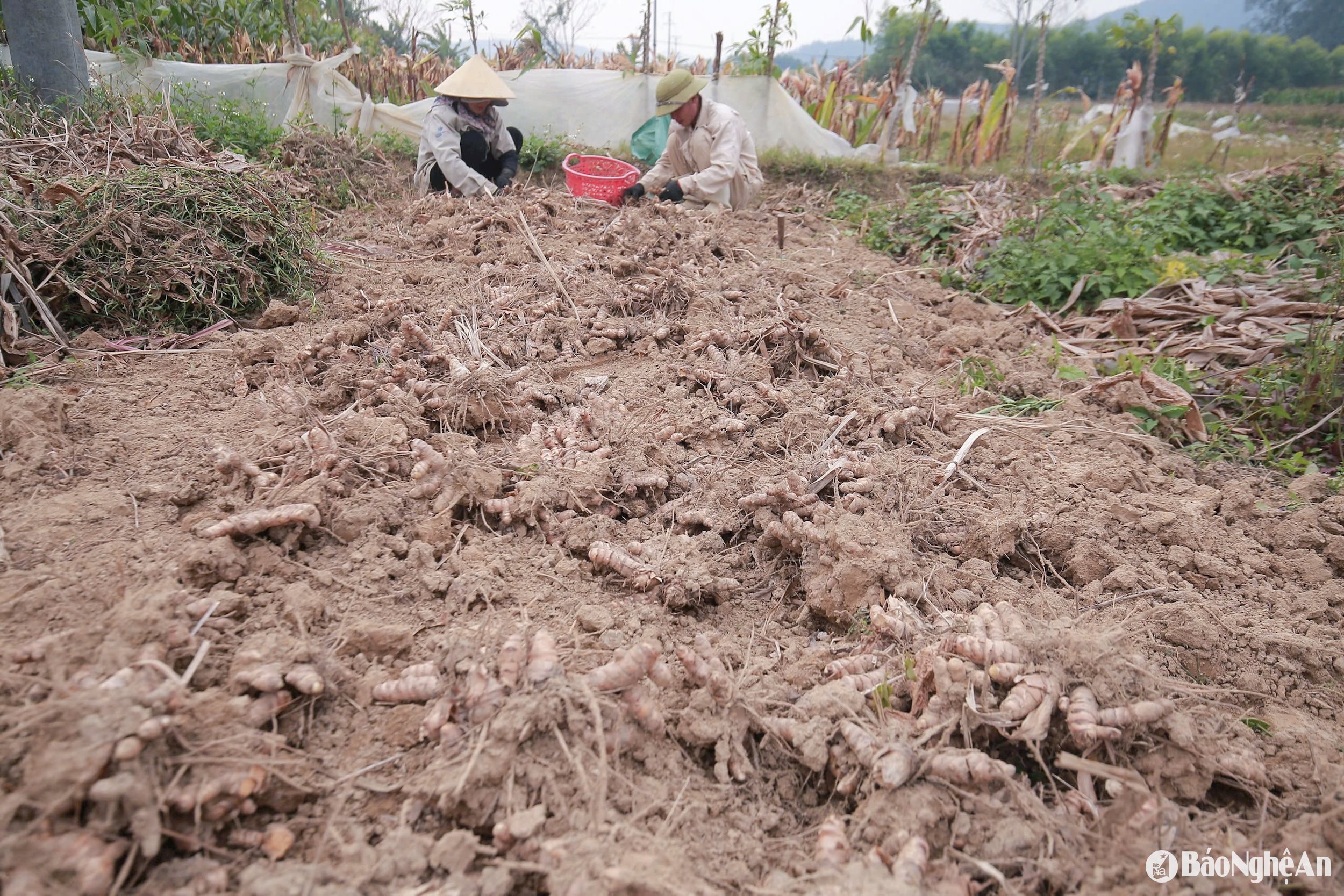
Turmeric has been an integral part of the lives of the people in Quynh Vinh commune for decades. From previously abandoned garden corners to dry, unsuitable rice paddies, turmeric plants have now been planted. Almost every farming household in Quynh Vinh grows turmeric. Some families cultivate just a few clumps around their gardens, while others have several acres, sometimes even an acre. Some families have even become wealthy from processing turmeric starch.
Mr. Ly Xuan Thuyet is one of the pioneers in turmeric cultivation in Quynh Vinh. Mr. Thuyet said: "My family has been growing turmeric for many years. Initially, only a few households in the commune grew turmeric to sell fresh turmeric as a spice to the market. Later, seeing that yellow turmeric (glutinous turmeric) was suitable for the climate and soil, my family converted most of our hillside land and gardens, which previously yielded low-yield crops like cassava and corn, to turmeric cultivation."
.jpg)
Seeing the high economic benefits that turmeric brings, households in Quynh Vinh have gradually expanded the area and planned it as a concentrated cultivation zone. According to statistics, currently the entire Quynh Vinh commune has about 350 households growing turmeric, with an area of about 60 hectares.
“Turmeric is easy to grow, suitable for mountainous soil, and thrives in arid climates. Farmers who plant turmeric at the beginning of one year can harvest it at the beginning of the next. In the initial stage, when the turmeric plants are not yet well-developed, people intercrop them with beans and corn to increase yields,” said Mr. Tran Hung, Chairman of the Farmers' Association of Quynh Vinh commune.
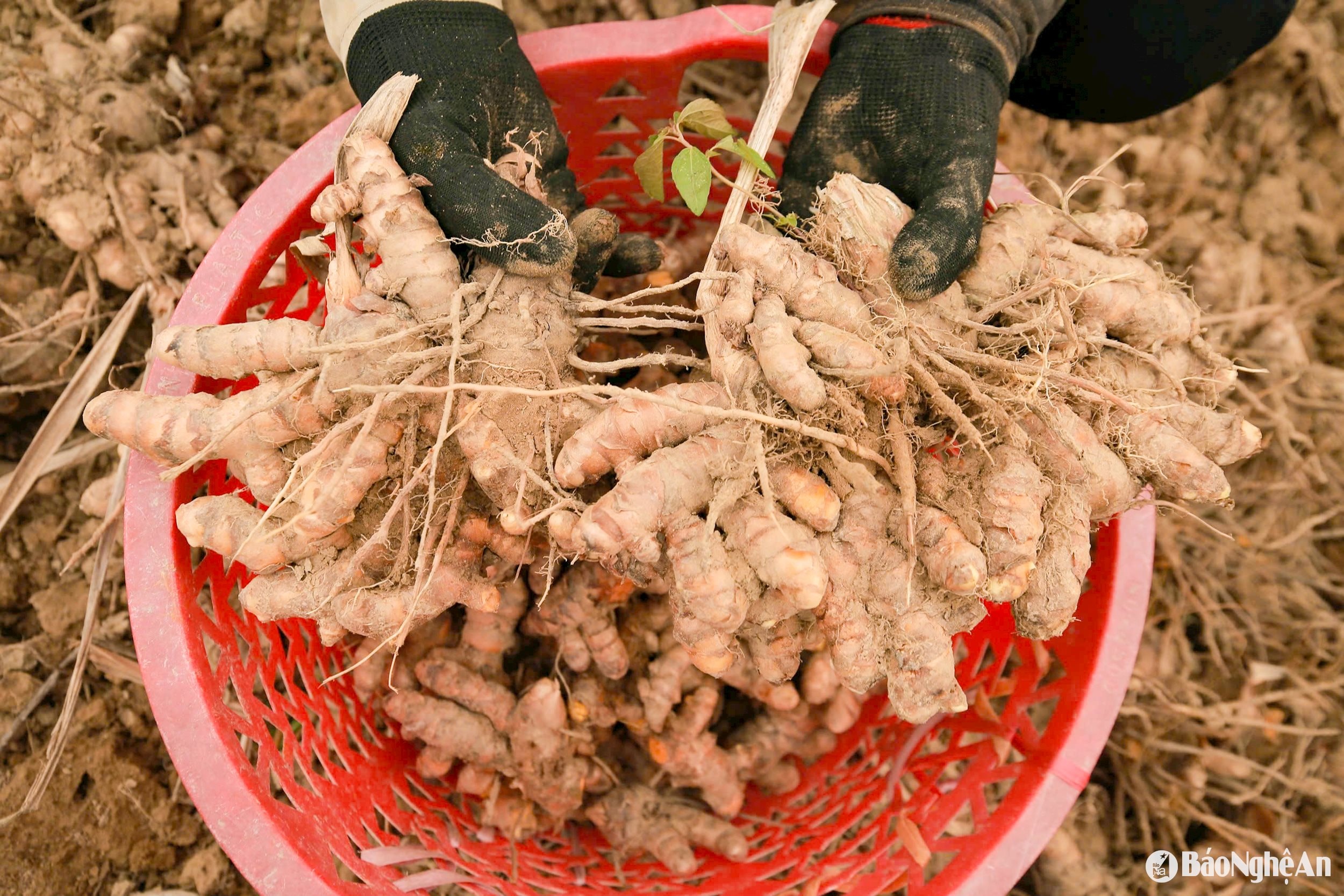
The turmeric varieties grown by farmers in Quynh Vinh are mainly yellow, red, and black turmeric, which are high-yielding, have a high starch content, and possess strong medicinal properties, making them popular in the market. For about five years now, households have been linked with turmeric starch production cooperatives in the area, selling turmeric tubers to the cooperatives at stable purchase prices, and selling everything they harvest.
"Each plot of turmeric yields about 1.5 tons of tubers. With the current market price of 5 million VND/ton, after deducting costs, the profit is about 4.5 - 5.5 million VND/plot. Compared to other crops, turmeric is quite economically efficient."
"In particular, turmeric plants don't require meticulous care; the only costs are labor and investment during planting. After that, you just wait for the turmeric to grow, develop, and be harvested, so it doesn't require much manpower, which is suitable for the current shortage of rural labor," Mr. Hung added.
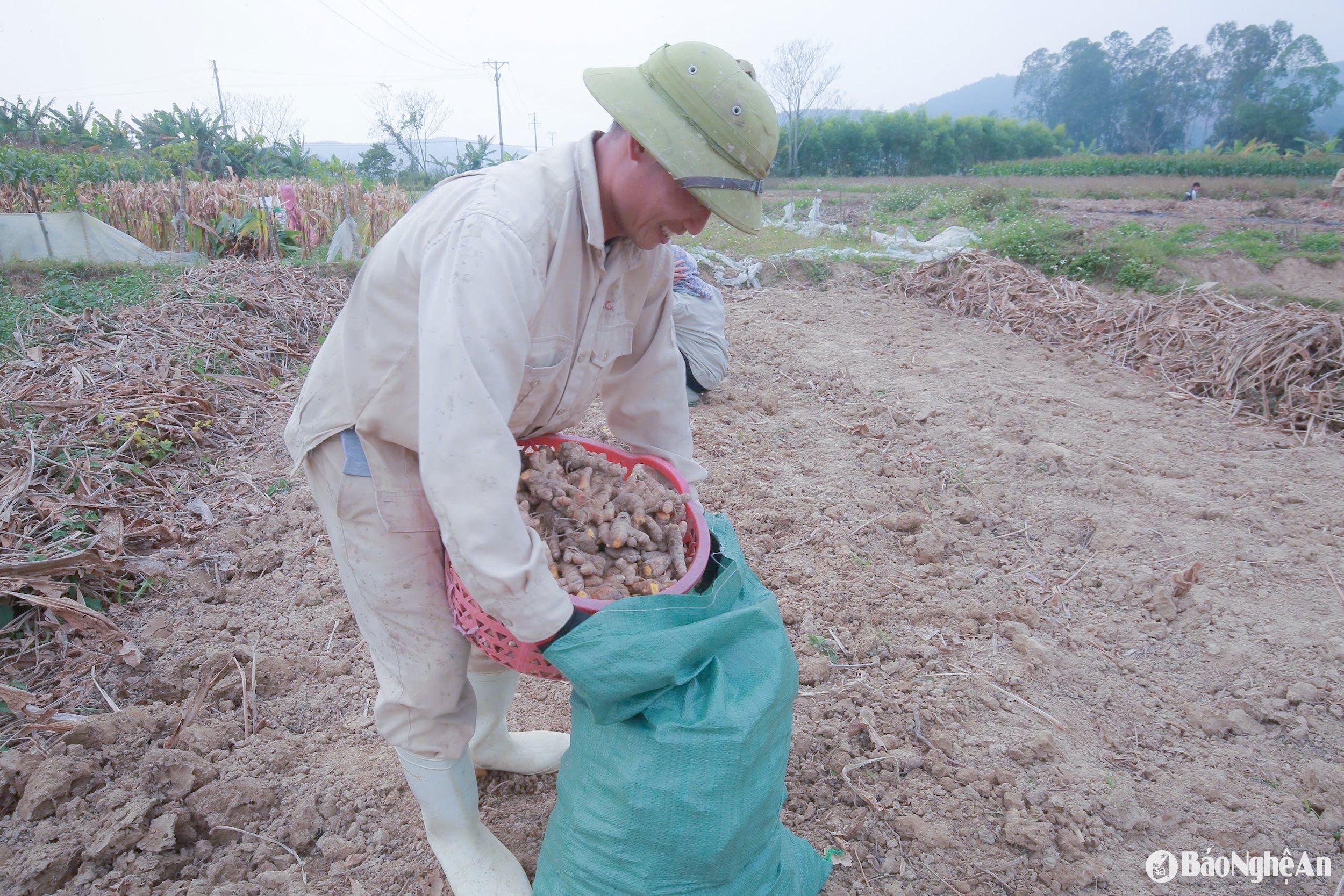
Turmeric is also a key crop in Nghi Kieu commune (Nghi Loc district). Currently, the commune has over 100 hectares of turmeric, making it the locality with the largest concentrated turmeric cultivation area in the province. During the peak harvest season, farmers are busy harvesting on the hills and in their gardens. As soon as they harvest, they prepare the land, make ridges, and plant turmeric for the next crop.
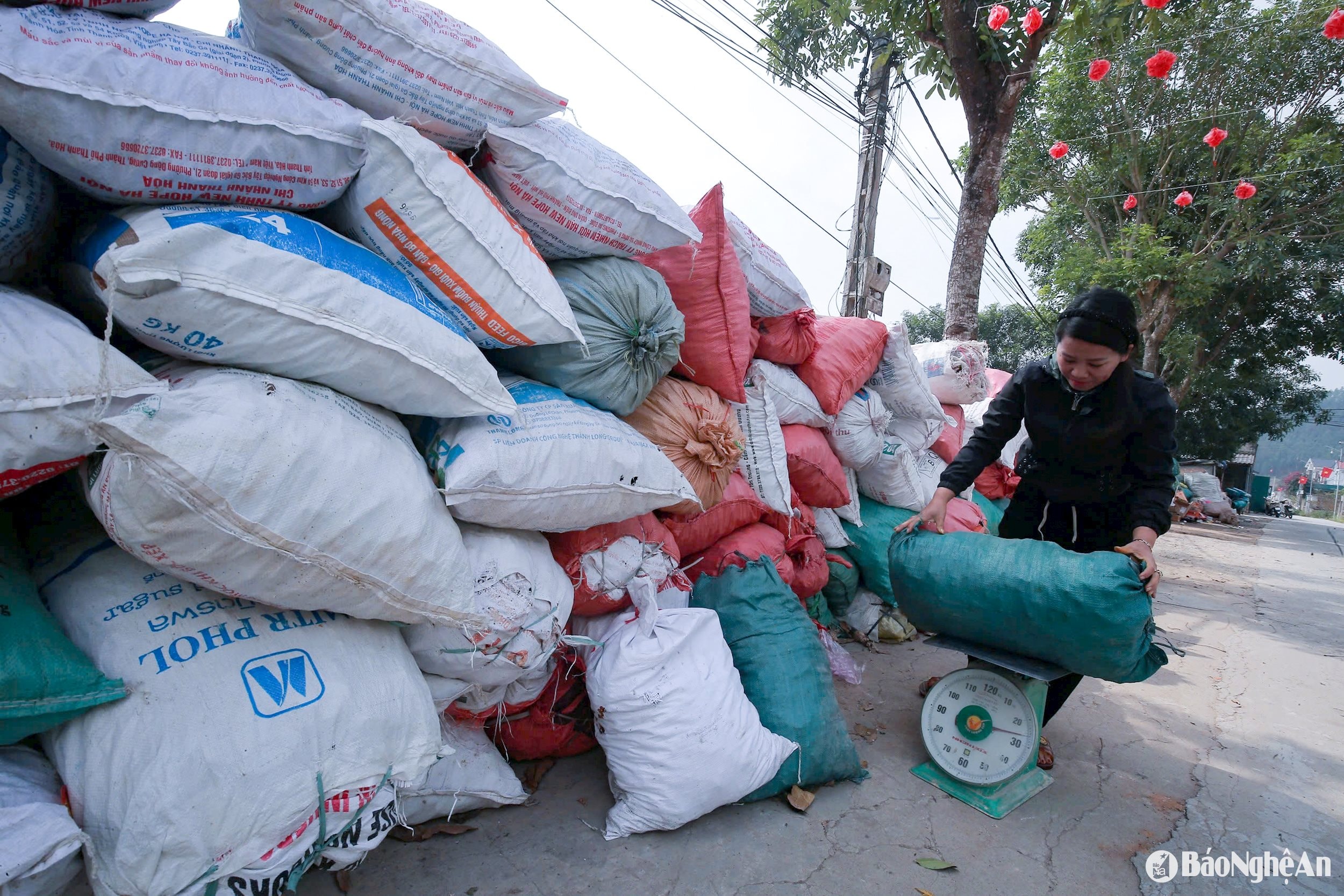
“The advantages of turmeric are that it is drought-resistant, requires little care, and has low costs. Most people can save their own seeds, so they have control over the seeds, can choose good varieties, and reduce initial investment costs. My family grows 6 acres of turmeric, and after deducting expenses, we earn about 30 million VND in profit each year,” said Mr. Nguyen Anh (Nghi Kieu commune).
According to preliminary statistics, the province currently has about 500-600 hectares of various turmeric varieties, mainly yellow and red turmeric, with an annual production of approximately 15,000 tons.
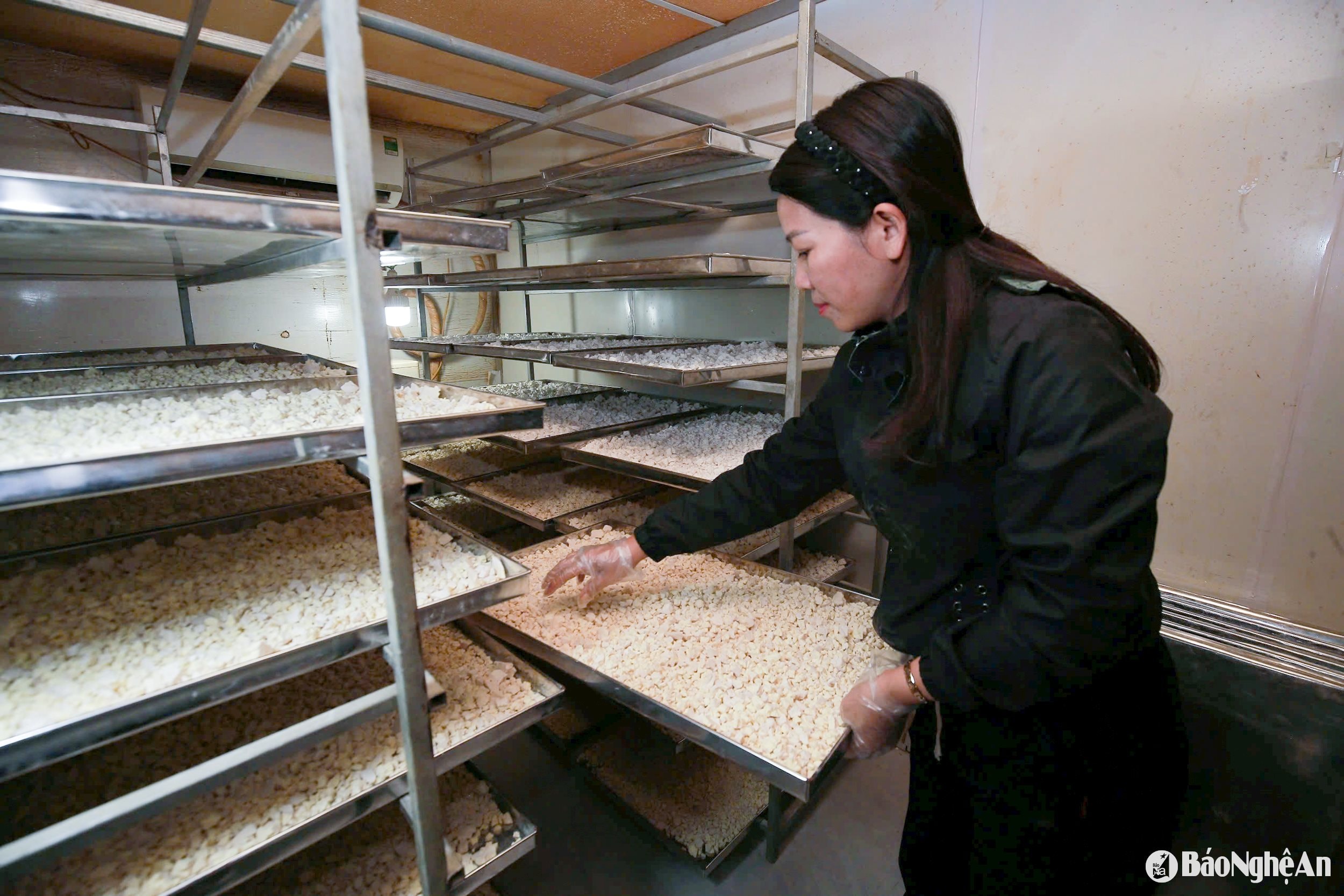
Previously, the consumption of turmeric was entirely dependent on traders; some years saw bumper harvests but low prices, while others saw bumper harvests, making it very unstable. For example, in 2019, turmeric prices plummeted, and with no buyers, farmers had to plow their fields under cultivation, leading to a sharp decrease in the number of households growing turmeric and the area under cultivation.
For many years now, in the province, cooperatives specializing in deep processing of turmeric roots, such as turmeric starch and turmeric-honey capsules, have been established and developed. Their linkages with turmeric growers have created concentrated raw material areas with stable prices, helping farmers feel secure and committed to turmeric cultivation.
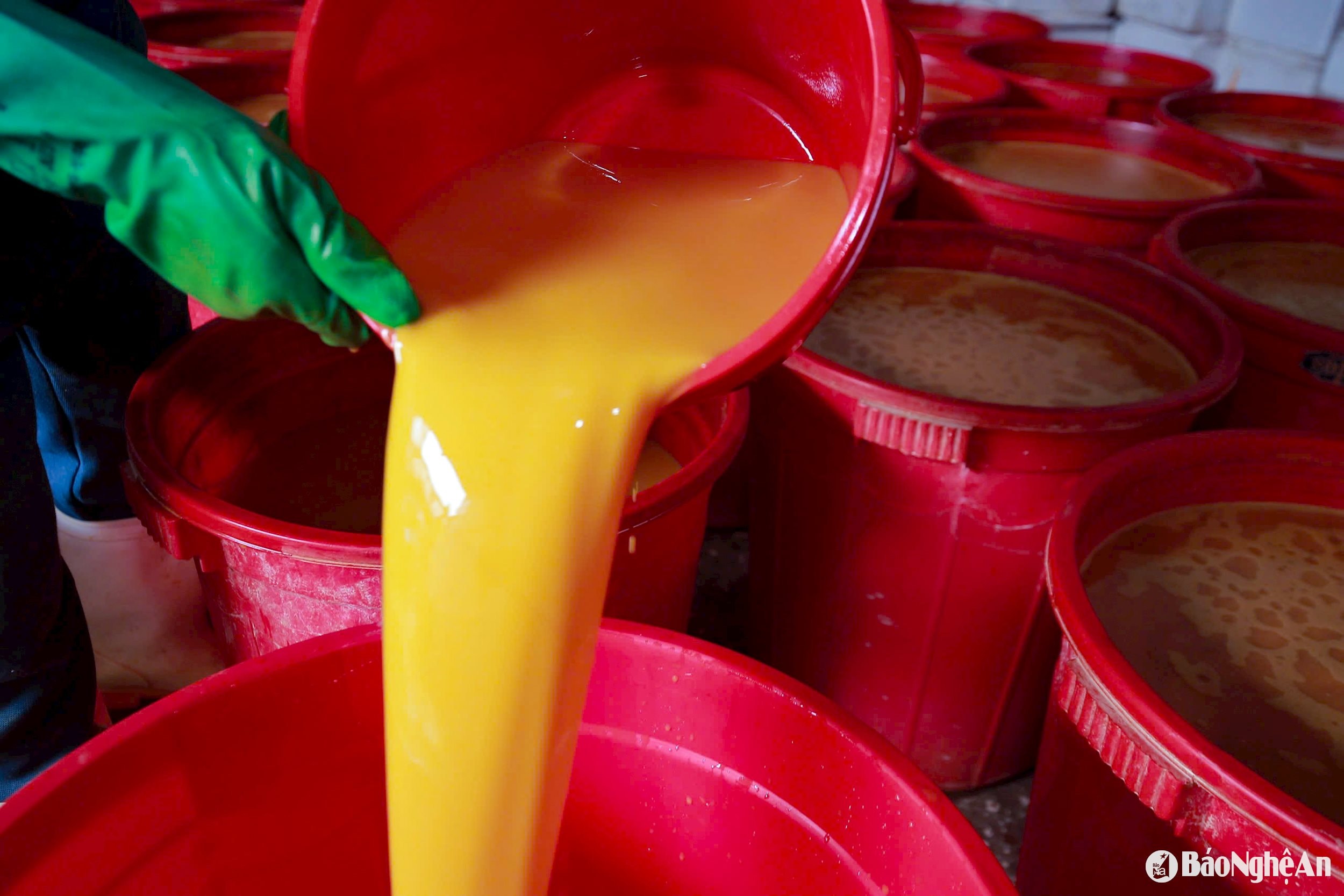
Ms. Tran Thi Le, Director of Binh An General Agricultural Services Cooperative (Quynh Vinh commune), said: “On average, we purchase about 100 tons of turmeric from farmers in the commune each year. Processed turmeric products such as turmeric starch and turmeric-honey capsules have achieved 3-star OCOP certification, and with expanding markets, selling fresh turmeric is easier for the people.”


