
The bond of friendship for sharing bitter tea.
Nghe An province boasts many famous green tea-growing regions, considered among the "renowned teas" of the region. Ultimately, no area here is without tea plants, especially the sweet and slightly bitter green tea grown in home gardens. Even more significantly, it's an integral part of Nghe An's cultural soul; after a day's work, the warm, heartfelt invitation from the bamboo groves and morning glory hedges is heard: "Come over for a cup of bitter tea, uncles, aunts, and cousins..."
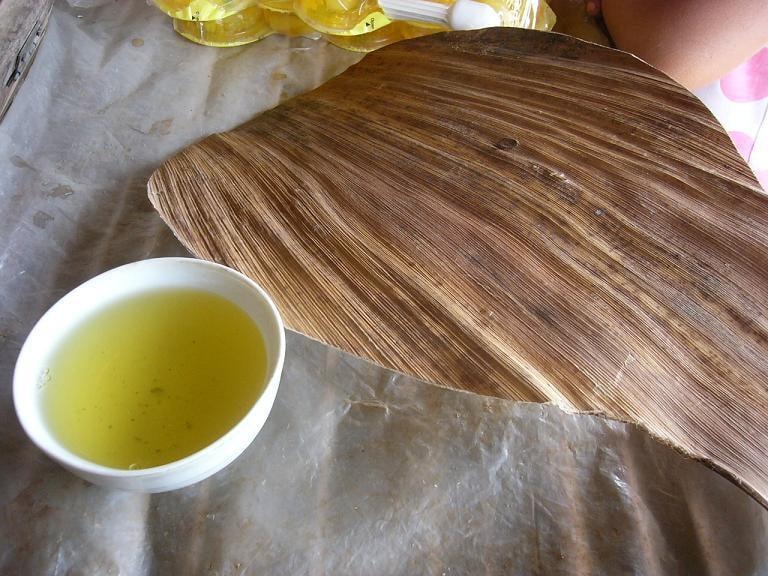 |
A bowl of sweet green tea, a taste of Nghe An province. |
Thick, tender tea leaves (not too old and not too young) are usually "preferred" for the first pot of bitter tea. If the leaves are too old, the water will turn dark and look unappetizing and lack aroma. If the leaves are too young, the water will quickly become bland and not flavorful. The water used to brew the tea must be slightly sweet. Usually, rainwater or well water from rocky areas is best. Tea is usually brewed in earthenware pots or kettles. People in the Lao wind region often brew tea using both leaves and branches. Only then will the tea be bitter enough to withstand the scorching, dry southerly winds (Lao winds). Usually, early in the morning, people go to the garden to pick (or buy ready-made at the market) a bunch of fresh tea leaves, wash them clean, break them into short pieces, and put them in a pot of water to boil. The water boils vigorously for a short while, and then it's ready. Using a ladle (made from an old coconut shell), they scoop it into a bowl. The tea has a green color and is thick like honey. When you drink it, the first sensation is bitterness, followed by a sweet aftertaste in the throat. After the first batch of water is used up, people add more plain water and boil it again, calling it "dưa water" (a type of herbal drink) which they drink throughout the day. The water has a dark brown color.
Around a bowl of tea, many beautiful customs are formed, becoming ingrained in the subconscious of each poor rural area of Nghe An province without anyone realizing it. Usually, not every household brews tea. One house brews enough for four or five neighboring houses to share. The next day, it's another house's turn. The rules are unwritten, but entirely voluntary. Is it like the saying "three for wine, four for tea"? Drinking with many people makes it taste better and more enjoyable. Greeting the morning, chatting at night over a bowl of strong green tea, with a few soft boiled sweet potatoes, evokes a warm feeling of community and neighborly affection.
Those addicted to green tea often jokingly say they drink "five things"—or, more accurately, "five things"—meaning: bitterness, greenness, aroma, warmth, and enjoyment. Good green tea is bitter; it tastes astringent at first, then a pleasantly sweet aftertaste. The tea is both sweet and has a beautiful green color. The aroma of green tea is quite appealing. Drinking it with others is more enjoyable, especially when chatting while drinking. Green tea enthusiasts often drink 3-4 bowls early in the morning before eating to wake themselves up before work. Some people with back pain or knee aches from strenuous labor mix strong green tea with molasses and find relief.
A unique characteristic of the people of Nghe An is that when drinking tea, tea-drinking companions will exchange verses, poems, folk songs, and discussions of the Tale of Kieu, all while harboring deep affection for their parents, filial piety towards their father, gratitude to their mother, the merits of their teachers, and the nation. Therefore, the melodies of the people of Nghe An always carry a strong sense of gratitude and loyalty, and a touch of longing for the image of an elderly mother and a virtuous wife struggling in poverty and hardship in their homeland.
Traveling far, pausing one afternoon in a distant land, gazing warmly at a small village along the road, a longing for the songs that speak the heart of someone far from home: "All the simple affections of the countryside, the midday summer sun, the lively calls of people drinking green tea…"
Tran Hai


