
The global paradox: The richest 1% own enough wealth to lift people out of poverty 22 times over.
According to the latest report from the anti-poverty organization Oxfam, the wealthiest 1% of the world's population has increased their wealth by $33.9 trillion over the past decade. This enormous sum is enough to end extreme poverty globally 22 times over.
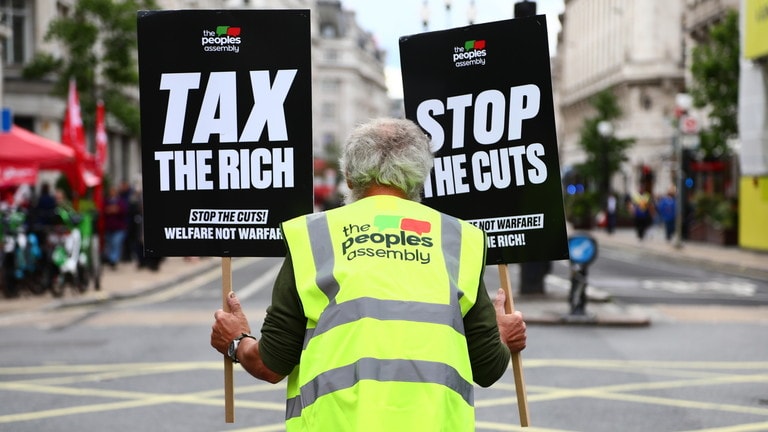
A report by Oxfam, a UK-based non-governmental organization, has painted an alarming picture of global economic inequality.
Since 2015, the world's richest 1% have amassed $33.9 trillion. Based on the World Bank's highest income threshold of $8.30 per person per day, this amount could completely end extreme poverty worldwide 22 times over.
The report also indicates that approximately 3,000 billionaires globally have seen their wealth increase by $6.5 trillion over the past 10 years. Their combined net worth now accounts for 14.6% of global Gross Domestic Product (GDP).
While the personal wealth of the super-rich has skyrocketed, efforts to reduce poverty around the world have stalled significantly.
According to Oxfam, wealthy nations are implementing the most drastic cuts in development aid since 1960. Notably, the G7 group of countries, which account for approximately 75% of total global official development assistance, is projected to reduce its contributions by 28% in 2026 compared to 2024. The United Kingdom alone is expected to cut its aid spending by 40% in 2027.
The gap between private and public wealth is also widening. From 1995 to 2023, global private wealth surged by $342 trillion, while public wealth increased by only $44 trillion during the same period.
A direct consequence of these inequalities is that more than half of the world's poorest countries are on the brink of a debt crisis. The report warns that many countries are being forced to spend more on debt repayment than they have allocated to healthcare and education.
Oxfam has been particularly critical of private creditors, who hold more than half of low-income countries' foreign debt, for refusing to restructure loans and imposing harsh repayment terms.
In light of this situation, a global public opinion survey cited by Oxfam shows that up to 90% of respondents support taxing the super-rich to provide more resources for public services and climate change mitigation efforts.


