
Farmers in Nghe An increase their flocks of roosters for sale during Tet (Lunar New Year).
Recognizing the demand for roosters for offerings during the year-end festivities, many chicken farms and poultry farms in the province have boldly invested in increasing their rooster flocks for sale during Tet (Lunar New Year).
.jpg)
As a small-scale poultry farmer, raising only about 200-300 chickens per batch, mainly selling to people in the village and commune, Ms. Nguyen Thi Cuc (Phong Thinh commune, Thanh Chuong district) divides her flock into two batches each year. The first batch is mainly for personal consumption, so she prioritizes native chickens, native breeds, and free-range chickens, with a higher proportion of hens than roosters; the last batch (around the 7th lunar month) has a dominant proportion of roosters, at 80%.
Ms. Cúc said: "At the end of the year, we mainly sell chickens for offerings and ceremonies, so people mostly order roosters. Therefore, out of the 250 chickens in this batch, only about 20% are hens, the rest are roosters."
Since mid-August, Mr. Le Hoang, the owner of a chicken farm in Cao Son commune (Anh Son district), has been preparing his chicken coops, disinfecting and sterilizing them to eliminate pathogens. Afterward, he selected 3,000 breeding roosters to raise in a semi-wild, free-range model in his garden.
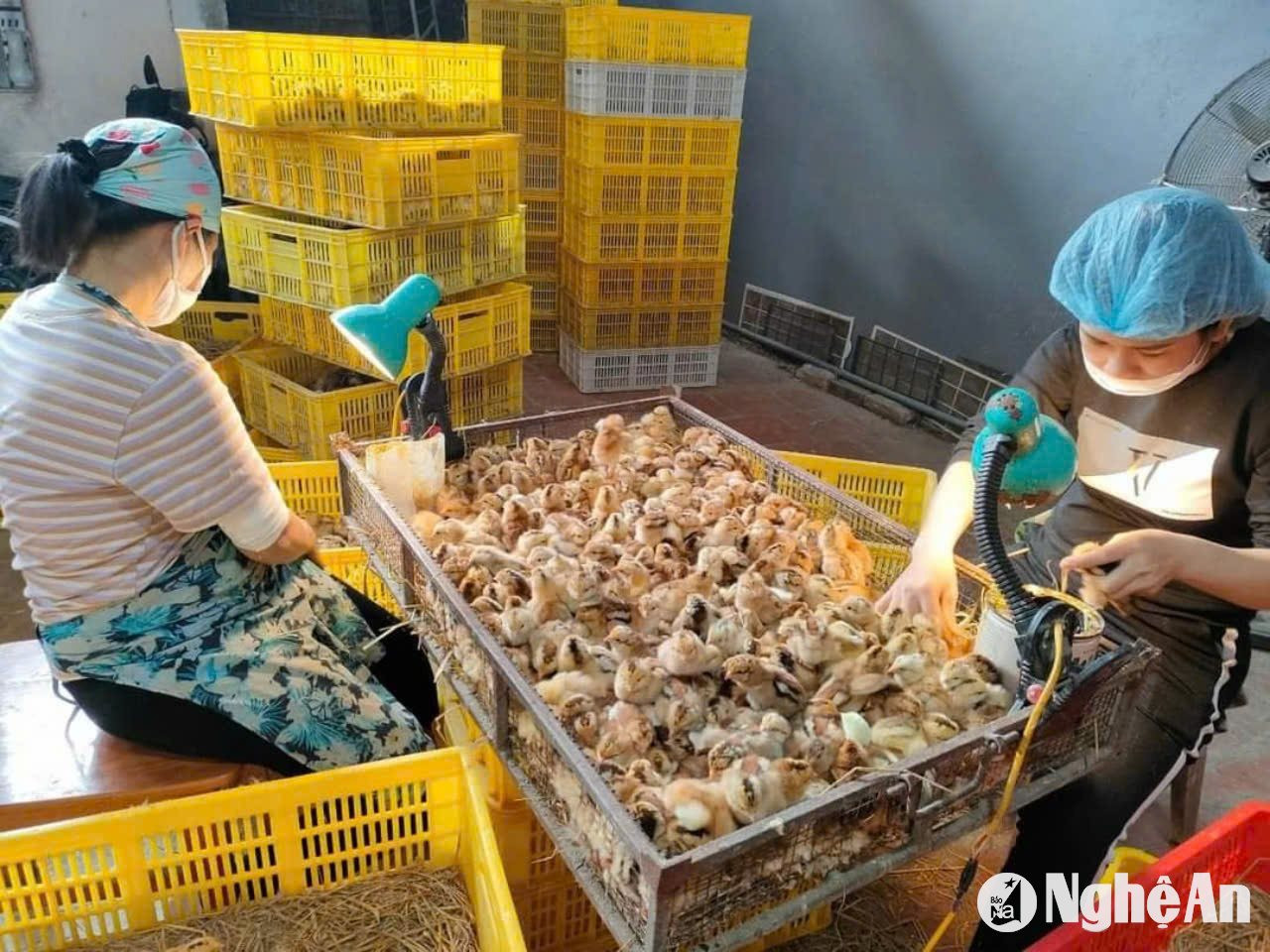
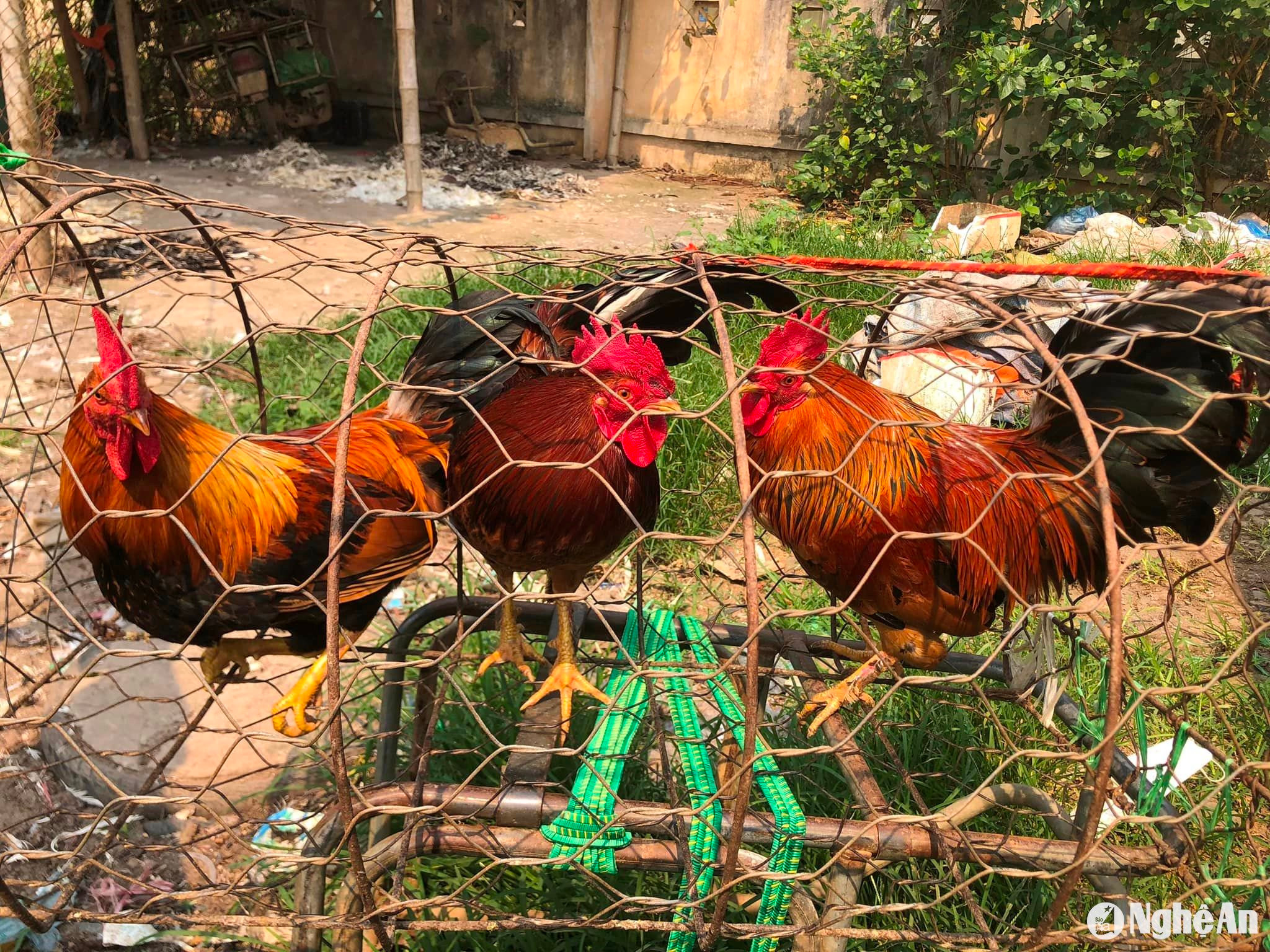
Unlike chickens for meat, roosters used for offerings are typically of the Mia or Lien Minh breeds, characterized by their beautiful plumage, yellow legs, and large, red combs... fitting the traditional criteria for selecting chickens for offerings.
According to Mr. Hoang, raising roosters for religious ceremonies is more difficult than raising regular chickens for meat because all the chicks must be roosters, which often leads to fighting and damage to their feathers and combs. Therefore, the coop area must be arranged properly, and food and water must always be readily available to minimize fighting among the roosters. In return, roosters weigh more than hens in the same rearing time, and their selling price is also higher.
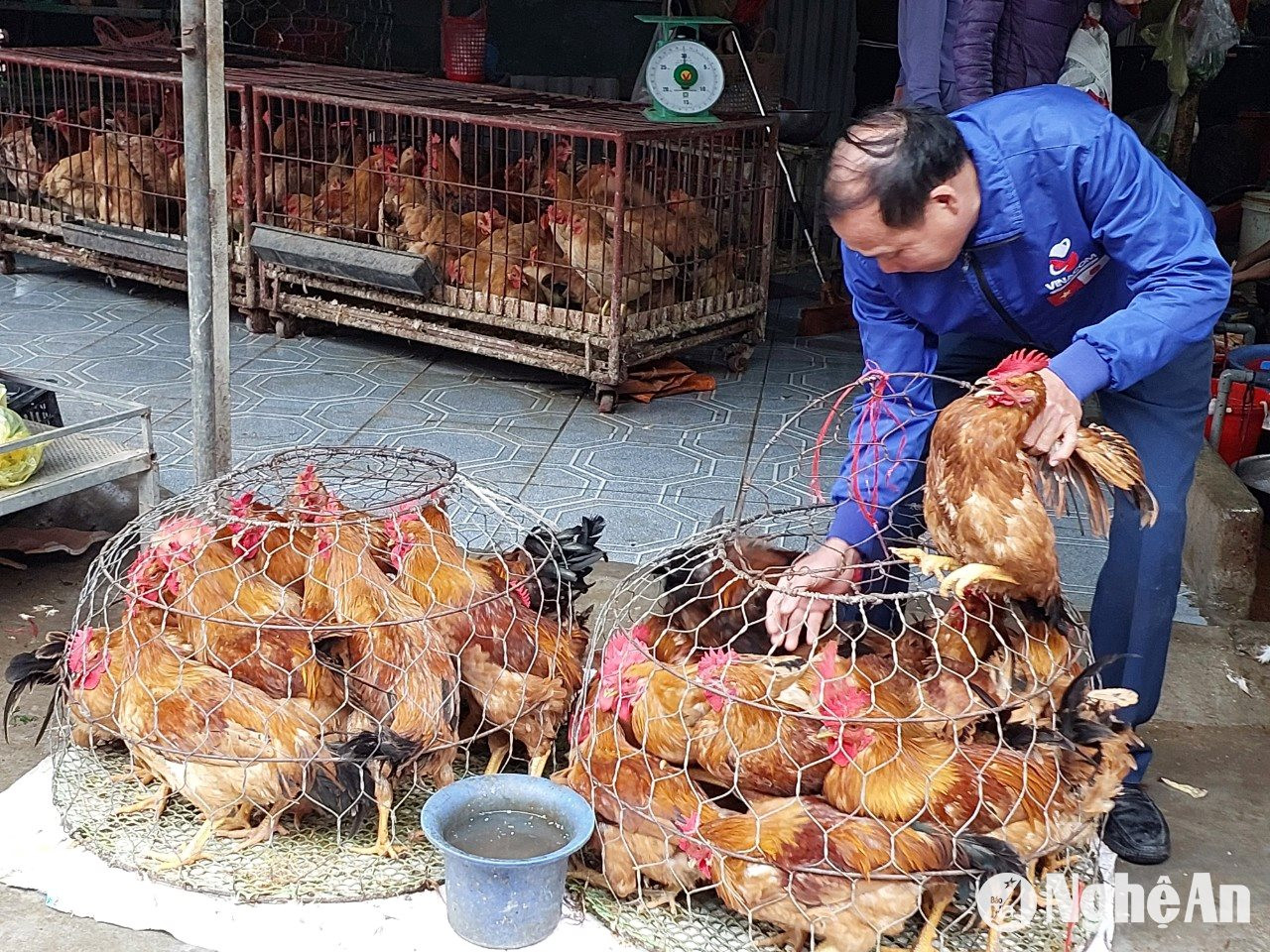
“At the end of the year, the demand for roosters is high, they are easy to sell and fetch high prices, so in this batch, roosters make up the majority, 90-100%. This batch of chickens takes longer to raise than regular broiler chickens, about 4-5 months. A flock of 3,000 chickens requires an investment of about 400 million VND. At the end of the year, the price of chickens for offerings ranges from 90,000-100,000 VND/kg, after deducting expenses, the profit is about 100-120 million VND,” Mr. Hoang said.
According to Vietnamese beliefs, roosters play an extremely important role in religious life. Most religious ceremonies include roosters as offerings, especially during end-of-year festivals and holidays: the Full Moon of the Tenth Month, the Kitchen God Festival, the year-end ceremony, the Lunar New Year, and subsequently the Opening Ceremony and the Full Moon of the First Month…
Due to high demand, chicken prices also increase during these periods. Therefore, in recent years, many small farms and large farms in the province have boldly switched their model, from raising conventional broiler chickens to raising roosters at the end of the year to supply the market.
“Chicken farms and broiler chicken farms usually structure their operations according to market demand at different times of the year. At the beginning of the year, the total flock consists of about 60% hens and 40% roosters, while at the end of the year, the ratio is 80-90% roosters and 10-20% hens. They focus on breeding attractive chickens to serve the market during the Mid-Autumn Festival and the Lunar New Year, as these breeds are easy to sell and fetch high prices. Therefore, our chicken breeding agency also supplies chicks according to the needs of farmers, importing attractive roosters with good meat quality and appropriate weight to supply to the people,” said Mr. Tran Van Dam, the owner of a chicken breeding agency in Do Luong district.
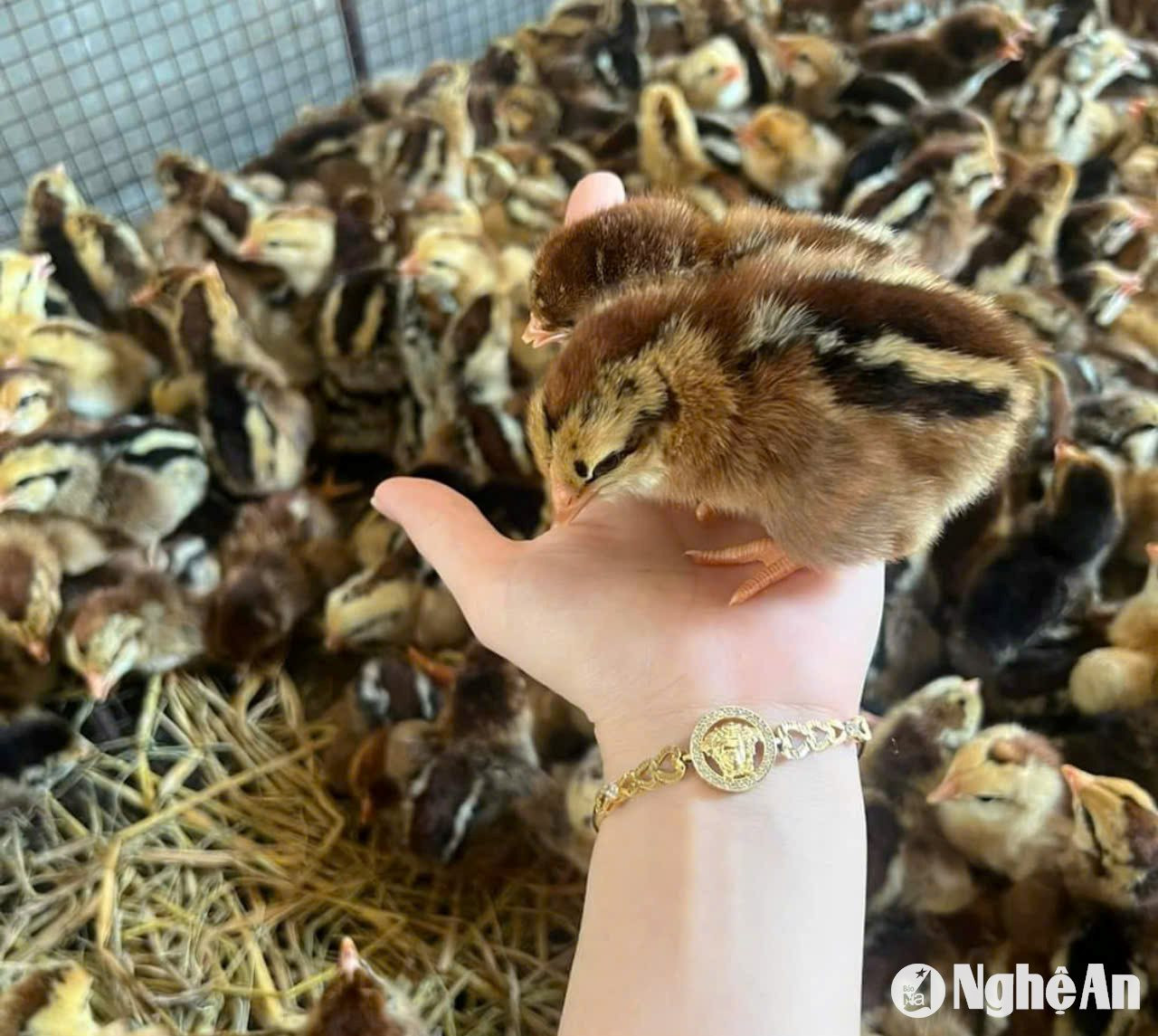
According to experienced poultry farmers, young roosters used for offerings are usually of the Mia or Lien Minh breeds, which have the advantage of beautiful plumage, yellow legs, and a tall, large, and deep red comb. To ensure the chickens are firm and the meat is flavorful, in addition to industrial feed, other foods such as vegetables, bran, rice, and corn should be added. To give the chickens a red comb, strong spurs, smooth feathers, and an attractive appearance, many farmers also supplement their diet with readily available herbs from their gardens, such as basil, lemongrass, ginger, perilla, and Centella asiatica.


