
The people of Lam Thanh are delighted with a bountiful harvest of peanuts, sesame seeds, and chili peppers.
This harvest season in Lam Thanh, corn, peanuts, and sesame crops are all yielding high productivity, and people are rushing to harvest them and elevate their belongings to protect them from the rainy season and floods.
Bustling harvest season
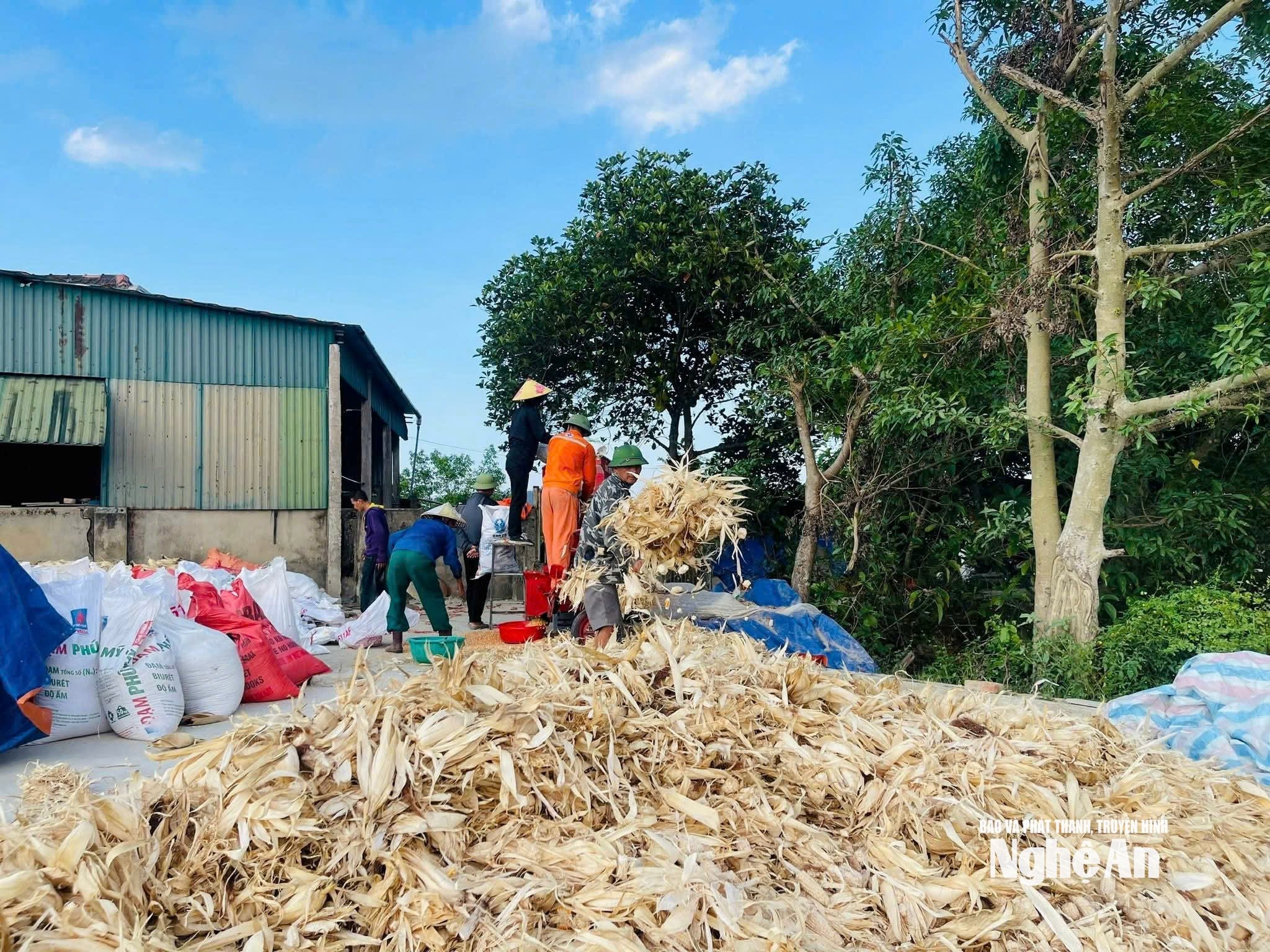
Taking advantage of the sunny weather after the flood, most households in Phu Xuan hamlet (Lam Thanh commune) have harvested peanuts, sesame seeds, corn, chili peppers, etc., drying them and storing them in a dry place.
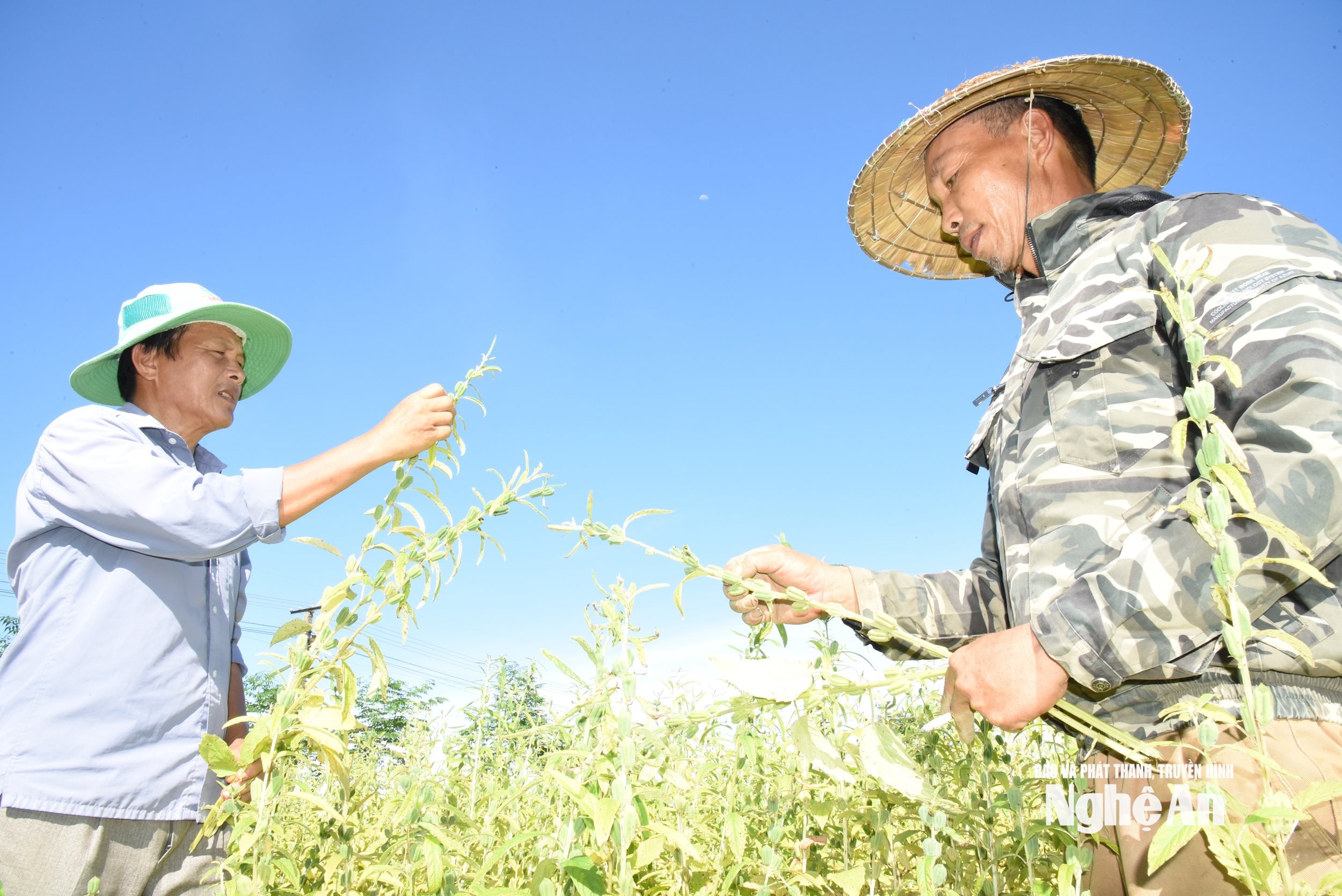
The people of Phu Xuan hamlet took advantage of the time to go to the fields to harvest peanuts, sesame, and corn, while also plowing and preparing for the next planting season. From the gate to the small courtyard and the rooms of Mr. Dinh Xuan Khoa's house, sesame, corn, peanuts, and chili peppers were scattered everywhere.
Returning from the fields, Mr. Khoa was turning over the sesame seeds drying in front of his house while sharing that this year's harvest in Phu Xuan hamlet was bountiful for both sesame and peanuts. The high yields have made everyone happy to harvest. "Currently, the peanut and corn crops in Phu Xuan hamlet have been harvested. As for black sesame, it's currently in its peak season. Every household has planted a few acres of black sesame. This crop season, sesame and peanuts have yielded quite high productivity. Sesame yields average around 50kg/acre, and those who take good care of their crops can achieve 60-70kg/acre," said Mr. Dinh Xuan Khoa.
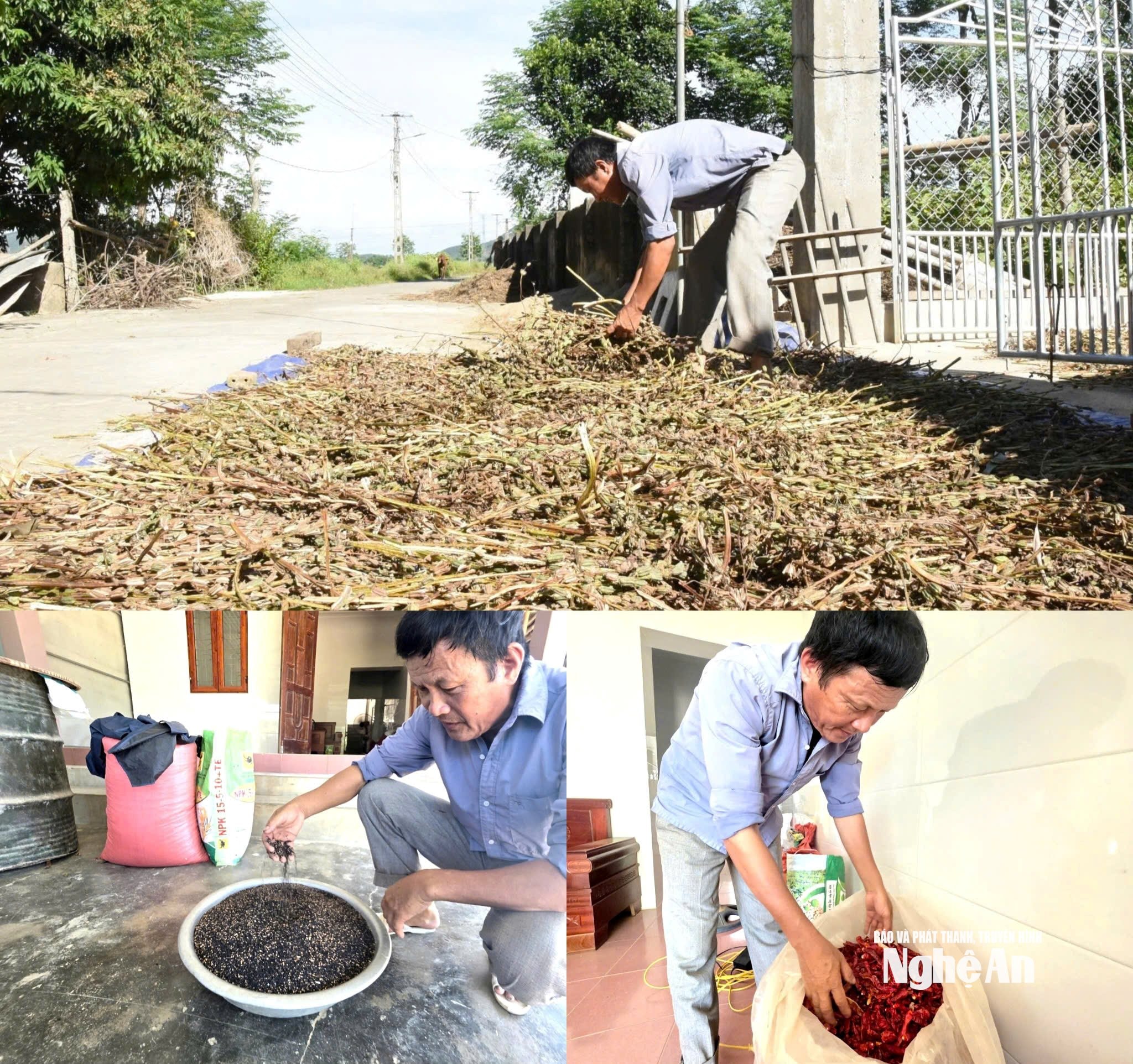
Mr. and Mrs. Dinh Xuan Khoa make their living as farmers and have been connected to Phu Xuan village since childhood. This year, Mr. Dinh Xuan Khoa planted more than 4 sao (approximately 0.4 hectares) of peanuts and sesame, and 1 sao (approximately 0.1 hectares) of chili peppers. The sesame, peanuts, and chili peppers all yielded a good harvest.
For one sao (approximately 1000 square meters) of chili peppers, he sets aside a small amount to dry and grind into chili powder to sell to households that process mud crabs and mud crab paste. The rest he sells to traders and retails at the market. He estimates that one sao of chili peppers yields about 15 million VND per harvest. Sesame plants, with a yield of about 50 kg per sao, are currently being purchased at 700-720 thousand VND per 10 kg, bringing farmers 3-4 million VND per sao.
Meeting Mr. Vo Van Huy who had just returned from the fields, he happily shared that by the end of July, his family had finished harvesting sesame from more than 3 sao (approximately 0.3 hectares).
"After harvesting, I store the sesame in a high cupboard, then hire a tractor to plow the land and plant off-season sesame. Now the plants have grown 3-4 leaves," said Mr. Vo Van Huy.
Phu Xuan hamlet has about 180 households, whose main source of income comes from growing crops and raising earthworms in natural ponds. Even the smallest farms have about 3-4 sao (approximately 2 hectares) of rice paddies, while larger farms have more than 10 sao (about 2 hectares).
Mr. Dinh Xuan Khoa said that he had recently represented the members of Chau Nhan Cooperative in a meeting with officials from Lam Thanh commune and a delegation of South Korean businesses who came to Lam Thanh to survey the possibility of establishing a sesame oil processing plant.
According to the plan, South Korea will purchase locally produced sesame oil through investment in an oil pressing factory. This will also lead to the formation of a sesame growing area in Lam Thanh commune and other communes in the province. Although this is only the initial survey phase, it is a positive sign for the people of Lam Thanh regarding the development of local economic potential.
Movement from the new administration
Connecting with a delegation of South Korean businesses to survey the development of a raw material area and a sesame oil pressing factory in Lam Thanh commune is one of the positive developments, showing the involvement of the new government after implementing the two-tiered local government model in Nghe An.
According to Ms. Cao Thi Hang, Deputy Secretary of the Lam Thanh Commune Party Committee, Lam Thanh Commune was established by merging Hung Nghia, Hung Thanh, Chau Nhan, and Phuc Loi communes from the former Hung Nguyen district. After the merger, Lam Thanh Commune has an area of nearly 40 square kilometers and a population of over 31,000 people.
Thanks to favorable natural conditions, especially the fertile alluvial plain stretching nearly 12km along the river, which is replenished with silt every year, the local people are entering the harvest season with joy at both a bountiful harvest and good prices. Short-term crops such as corn, beans, peanuts, and sesame are all thriving and yielding high productivity. In particular, market prices this year are very favorable. Specifically, dried peanuts are currently priced between 350,000 and 370,000 VND per 10 kg, corn between 70,000 and 72,000 VND per 10 kg, and are expected to continue rising in the coming time.
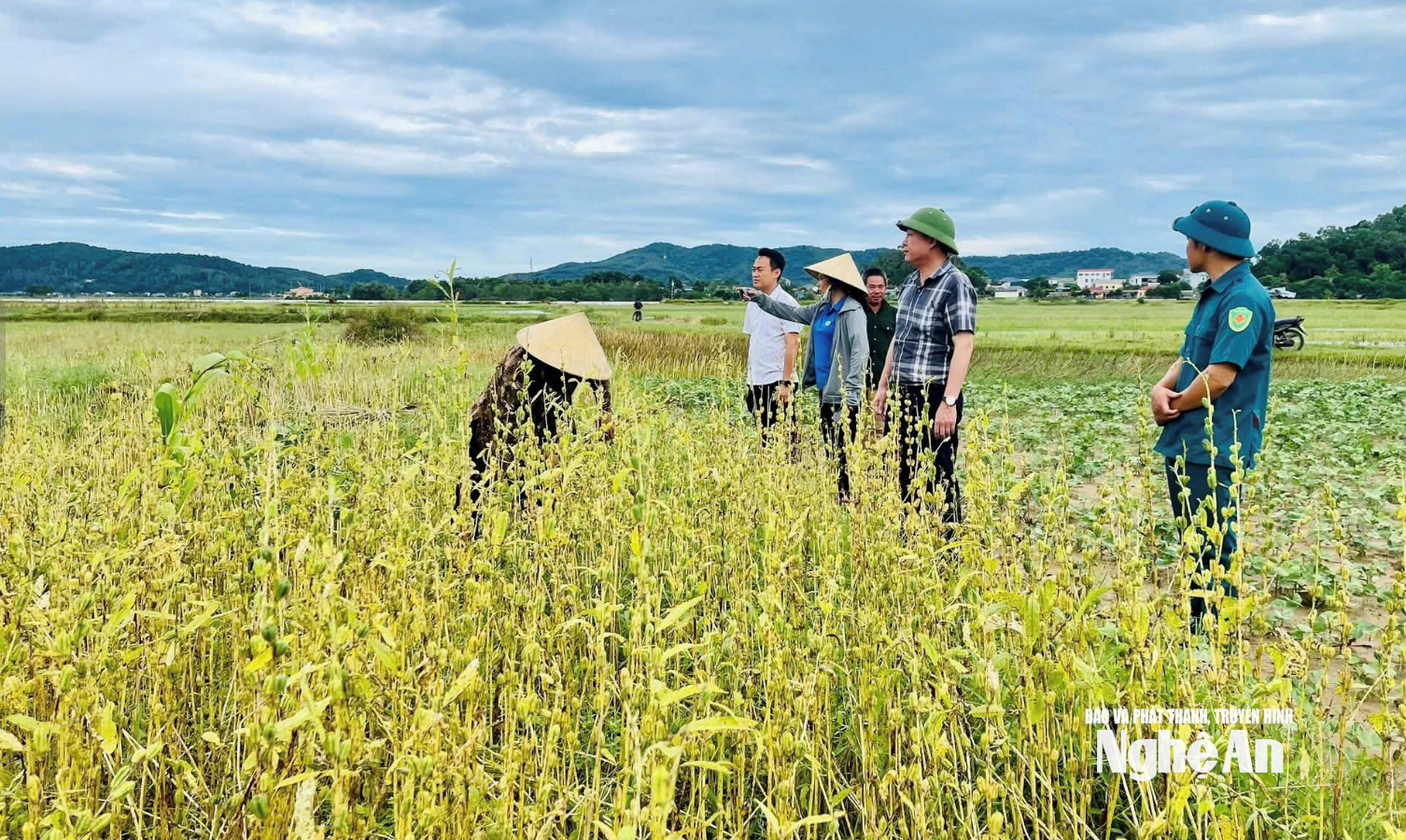
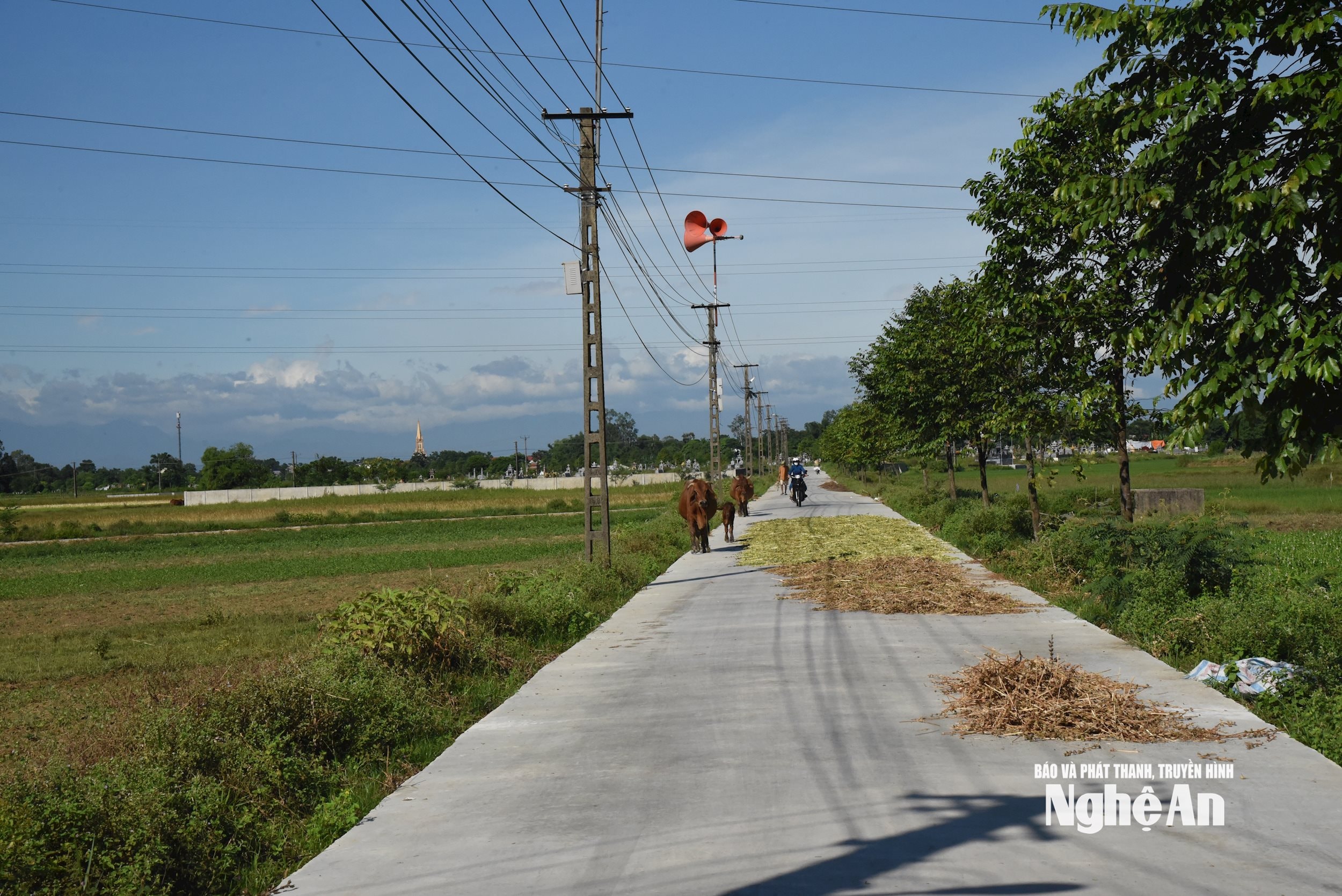
Officials from Lam Thanh commune also stated that, based on field surveys, the local transportation system has been comprehensively invested in, including inter-commune roads, the Lam River dike, and connecting routes to neighboring areas. These conditions facilitate socio-economic development, trade, and cultural exchange with other localities in the region.
To unleash the potential of Lam Thanh commune, after establishing a two-tiered local government, the Party Committee and People's Committee of Lam Thanh commune immediately began working with the main goal of being close to and serving the people. Specifically, the commune's leaders have made numerous trips to villages and hamlets to understand the situation and aspirations of the people in order to develop programs and plans for socio-economic development for the new term. After the merger, many models of commercial farming and livestock raising, applying high technology, will continue to be encouraged to be implemented to bring positive results, contributing to improving the income and quality of life for the people. This is also one of the key directions for developing high-tech agricultural production in the locality.


