
Vietnamese consumers are disillusioned as they still cannot get imported cars with 0% tax.
Nhiều người kỳ vọng mua được xe hơi giá rẻ ngay sau ngày 1/1/2018 khi thuế nhập khẩu ô tô từ ASEAN về 0% đã 'vỡ mộng', vì thị trường chưa có lô xe nào được nhập về với mức thuế suất này.
Muốn xe mới, phải đợi
Theo phản ánh của một số nhà kinh doanh, Nghị định 116 đang là “chướng ngại” lớn nhất khiến các hãng không thể đưa xe nhập khẩu vào Việt Nam kịp trong tháng 1 mà sớm nhất phải sau tháng 3 năm nay. Anh Thành, chủ cửa hàng xe trên đường Phạm Hùng (Q.7, TP.HCM), cho biết để được hưởng thuế suất 0% cho các dòng xe nhập từ các nước ASEAN, nhà nhập khẩu phải có giấy xuất trình chứng nhận chất lượng kiểu loại ô tô nhập khẩu, được cấp bởi các tổ chức có thẩm quyền ở nước ngoài.
“Theo tôi biết, đến nay chỉ có một số nhà nhập khẩu lớn đã có giấy phép này, chủ yếu là xe từ châu Âu. Còn đa số vẫn chưa được cấp giấy chứng nhận. Xe khan hàng chủ yếu đời mới chứ đời cũ vẫn còn nhiều do một số nhà nhập khẩu tranh thủ nhập từ cuối năm 2017 để “né” Nghị định 116”, anh Thành giải thích.
Số liệu từ Cục Hải quan TP. Hồ Chí Minh cho thấy, chỉ riêng cảng Hiệp Phước, trong tháng 12/2017, để “né” Nghị định 116, lượng ô tô loại dưới 9 chỗ ngồi và bán tải tăng gấp 3 lần so với tháng trước.
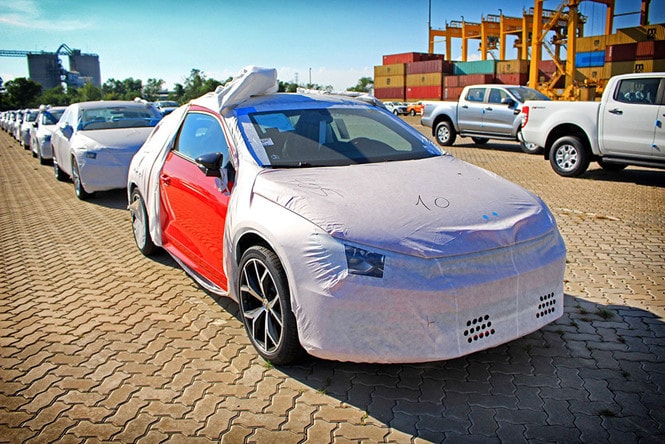 |
| Thêm hàng loạt khoản chi, xe nhập khó có giá rẻ như kỳ vọng. Ảnh:Thái Nguyên |
Ông Đặng Hữu Hiệp, Giám đốc Công ty Chợ xe kiểu Mỹ, nhận xét: “Một quy định mới luôn có độ trễ nhất định, thời gian chậm vài ba tháng đối với một sản phẩm như ô tô là hoàn toàn chấp nhận được. Bởi quy định mới được làm rõ vào cuối năm 2017, các hãng lúc đó mới đặt hàng tại các nhà máy ở nước ngoài, bổ sung một số giấy phép mới, vận chuyển, làm thủ tục nhập khẩu, kiểm định, thông quan... nên tháng 4 mới có xe đời mới là bình thường”.
Thuế giảm, phí tăng, xe khó rẻ
Therefore, to buy imported cars with a 0% tax rate, consumers will have to wait until around April of this year. With this tax rate, car prices will drop quite significantly. For example, before January 1, 2018, an imported car declared at a price of $10,000, plus import tax, special consumption tax, and value-added tax, would cost nearly $21,000. After January 1, 2018, the same car would have a total price of nearly $16,000. Thus, the difference compared to before is nearly $5,000.
However, according to business analysts, changes in the calculation of excise tax and other additional costs such as the 10-15% fee for custom-made left-hand drive vehicles compared to the price in the Thai market; fees for obtaining new licenses abroad as stipulated in Decree 116; and inspection fees for each batch of imported vehicles instead of inspecting each type of vehicle as before... will cause the price of vehicles to increase.
A car importer from the European market bluntly stated, "There are no cheap imported cars to wait for." He explained that obtaining an import license under Decree 116 is only the first step. The second step is that to clear customs, the imported cars must have a type approval certificate from the manufacturer, issued by a competent authority in the foreign country. Some manufacturers with factories in Thailand who want to import cars into Vietnam have to order a separate right-hand drive version because Thailand produces left-hand drive cars.
However, the country does not issue certificates for vehicles not sold domestically, causing difficulties for importers. "Many regulations generate additional costs, and the new method of calculating excise tax will make it very difficult for car prices to become cheaper in the near future, even if importers manage to resolve the issue of obtaining type approval certificates from abroad...", this person said.


