
Identifying the arguments demanding the abolition of the regulation on state ownership of land.
(Baonghean.vn) - The Vietnamese National Assembly is discussing the revised Land Law project, but hostile and reactionary forces have intensified their distortions to undermine our country. In particular, they are spreading many false arguments, demanding the abolition of the regulation on state ownership of land.
Arguments that go against the interests of the people.
Hostile forces employ numerous tactics to implement their strategy of "peaceful evolution" and undermine Vietnam. They exploit everything from the smallest details of people's daily lives to major issues being debated in the National Assembly.
Recently, taking advantage of some limitations in the process of organizing and implementing land management and use, hostile forces have been actively spreading false narratives, demanding the abolition of the regulation that land belongs to the entire people, going against the interests of the people. Reactionary elements are exploiting some "hot spots" in...land management and utilizationDue to historical legacies, land associated with religious and spiritual sites is used to connect with disgruntled elements and opportunists both domestically and in exile abroad, spreading distorted information on social media channels.
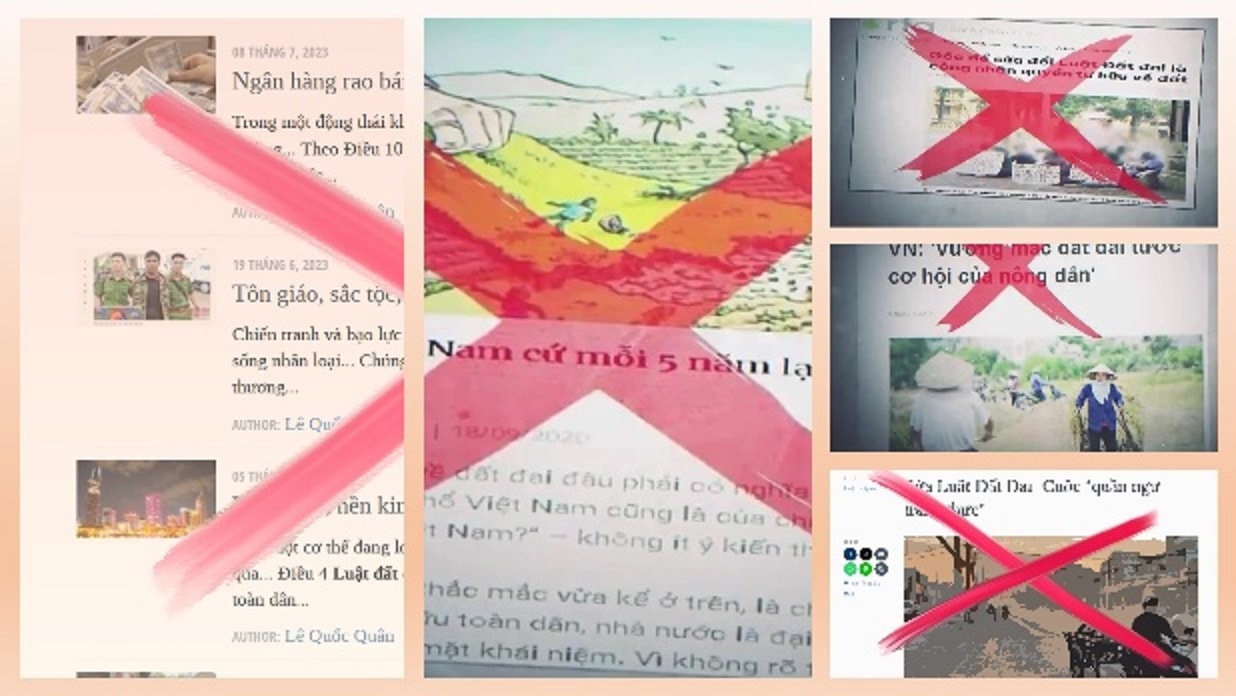
Trên các trang tin như Đài Á châu tự do, VOA tiếng Việt, các trang mạng xã hội của tổ chức khủng bố Việt Tân,… đăng tải nhiều bài viết với các luận điệu xuyên tạc bản chất vấn đề, thổi phồng một số hiện tượng cá biệt; từ đó, đánh đồng một số hạn chế, yếu kém trong quản lý nhà nước về đất đai.
Thực tế, luận điệu đòi bỏ quy định sở hữu toàn dân về đất đai chỉ là một chiêu trò trong chiến lược “diễn biến hòa bình” của các thế lực thù địch, hòng phá hoại sự phát triển của đất nước ta. Chúng muốn lợi dụng vấn đề đất đai để tạo ra những “điểm nóng” phức tạp, nhằm chia rẽ khối đại đoàn kết toàn dân tộc, chia rẽ các tôn giáo, gây rối loạn, bất ổn ở nhiều nơi. Đồng thời gây hoang mang trong một bộ phận người dân đang chịu tác động không mong muốn trong quá trình huy động nguồn lực đất đai cho sự phát triển kinh tế - xã hội. Từ đó, chúng thực hiện âm mưu gây mất ổn định an ninh chính trị, trật tự, an toàn xã hội.
Các thế lực phản động đang cố thực hiện âm mưu xóa bỏ quan điểm sở hữu toàn dân về đất đai, hòng xóa bỏ cơ sở vững chắc của việc thực hiện chế độ dân chủ của nhân dân, do nhân dân, vì nhân dân. Khi đất đai được tư nhân hóa sẽ dẫn tới tình trạng đầu cơ, các thế lực có thể thâu tóm, tích tụ đất đai ở một số ít thành viên trong xã hội. Do đó, làm gia tăng sự phân hóa, rối loạn xã hội, nhất là ở khu vực nông thôn, vùng sâu, vùng xa. Từ đó, gây hoang mang, chia rẽ trong nội bộ nhân dân, gieo rắc nghi ngờ và làm giảm sút niềm tin của nhân dân vào sự lãnh đạo đúng đắn của Đảng Cộng sản Việt Nam.
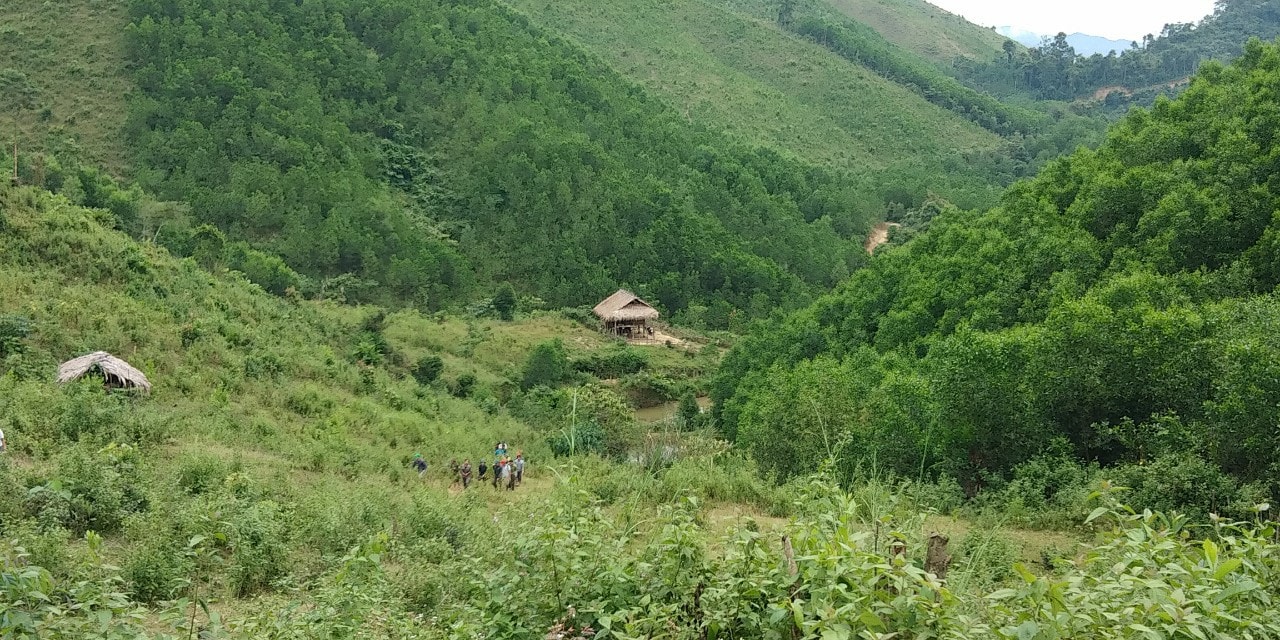
Sở hữu toàn dân về đất đai là tất yếu khách quan
Hầu hết các nước trên thế giới (dù thể chế chính trị nào) thì đều xem đất đai là tài nguyên đặc biệt của quốc gia, là nguồn lực quan trọng phát triển đất nước, có liên quan đến mọi thành viên trong xã hội. Dù cách thức điều hành và hình thức xác định quyền sở hữu đất đai mỗi nước có khác nhau nhưng về bản chất, Nhà nước luôn quản lý đất đai. Các nước phát triển như Mỹ, Trung Quốc, Pháp, Nga,… đều khẳng định vai trò ngày càng lớn và có vị trí quyết định của Nhà nước trong quản lý đất đai. Các quyền định đoạt của Nhà nước bao gồm: Quyền quyết định về quy hoạch và kế hoạch sử dụng đất, quyền quy định về quy hoạch kiến trúc đô thị và công trình xây dựng; quyền quy định về mục đích sử dụng đất; quyền xử lý các tranh chấp về quyền sử dụng đất và quyền ban hành các quy định về tài chính đất; quyền thu hồi đất thuộc sở hữu tư nhân để phục vụ các lợi ích công cộng trên cơ sở đền bù công bằng cho người bị thu hồi…
Ở Việt Nam, đất đai thuộc sở hữu toàn dân do Nhà nước là đại diện chủ sở hữu và thống nhất quản lý -That is an objective necessity and the most correct and effective method for the country's development.
The system of state ownership of land in our country was first enshrined in the 1980 Constitution:"Land, forests, mountains, rivers, lakes, mines, natural resources in the earth's crust, in the sea and on the continental shelf, state-owned industrial, agricultural, forestry, fisheries, and commercial enterprises... all belong to the entire people."The 2013 Constitution continues to stipulate:"Land, water resources, mineral resources, resources in the sea and airspace, other natural resources, and assets invested in and managed by the State are public assets owned by the entire people, with the State acting as the representative owner and managing them uniformly.".
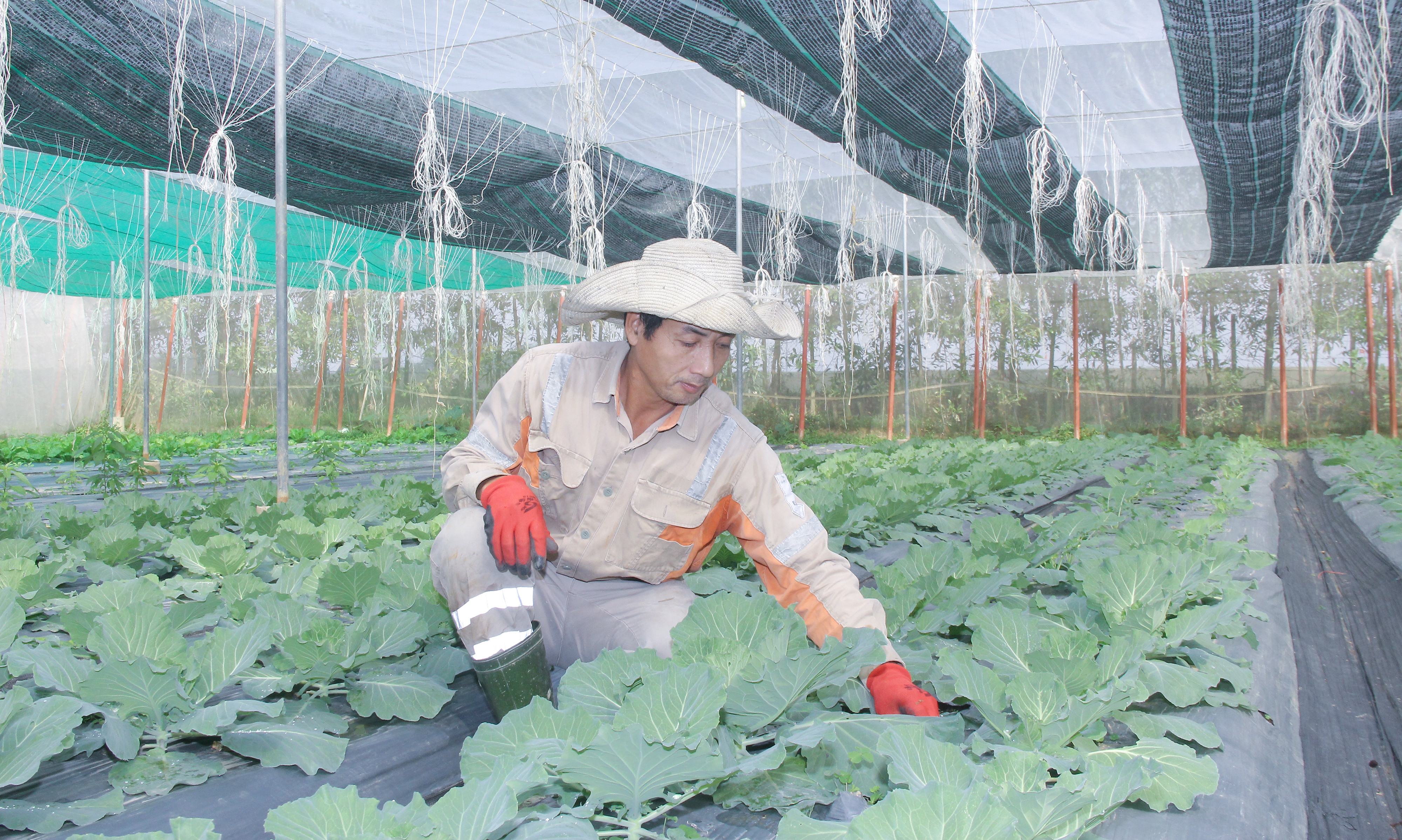
At the 13th National Congress, the Party set forth the policy of continuing to review and improve the institutional framework for land management and use to suit the new development situation. The 5th Central Committee Meeting of the 13th Party Congress also issued Resolution No. 18-NQ/TW, dated June 16, 2022.Regarding continuing to innovate and improve institutions and policies, enhance the effectiveness and efficiency of land management and use, and create momentum to make our country a developed, high-income country."; which clearly states the viewpoint:"Land is owned by the entire people, with the State acting as the representative owner and managing it uniformly."
According to current law:"Land is owned by the entire people, with the State acting as the representative owner and managing it uniformly. The State grants land use rights to land users in accordance with the provisions of this law."(Article 4, Land Law of 2013)Accordingly, citizens or land users have many rights and benefits from land use, such as: being protected by the State regarding their property rights to land use; enjoying the fruits of their labor and investment on the land; having the right to convert, transfer, lease, sublease, inherit, donate, mortgage, and contribute land use rights as capital; and receiving compensation when the State reclaims the land... These rights are exercised within the limits stipulated, such as: using the land for the purposes prescribed by the State; not arbitrarily changing the purpose of land use; and the State having the right to reclaim allocated land use rights with compensation…
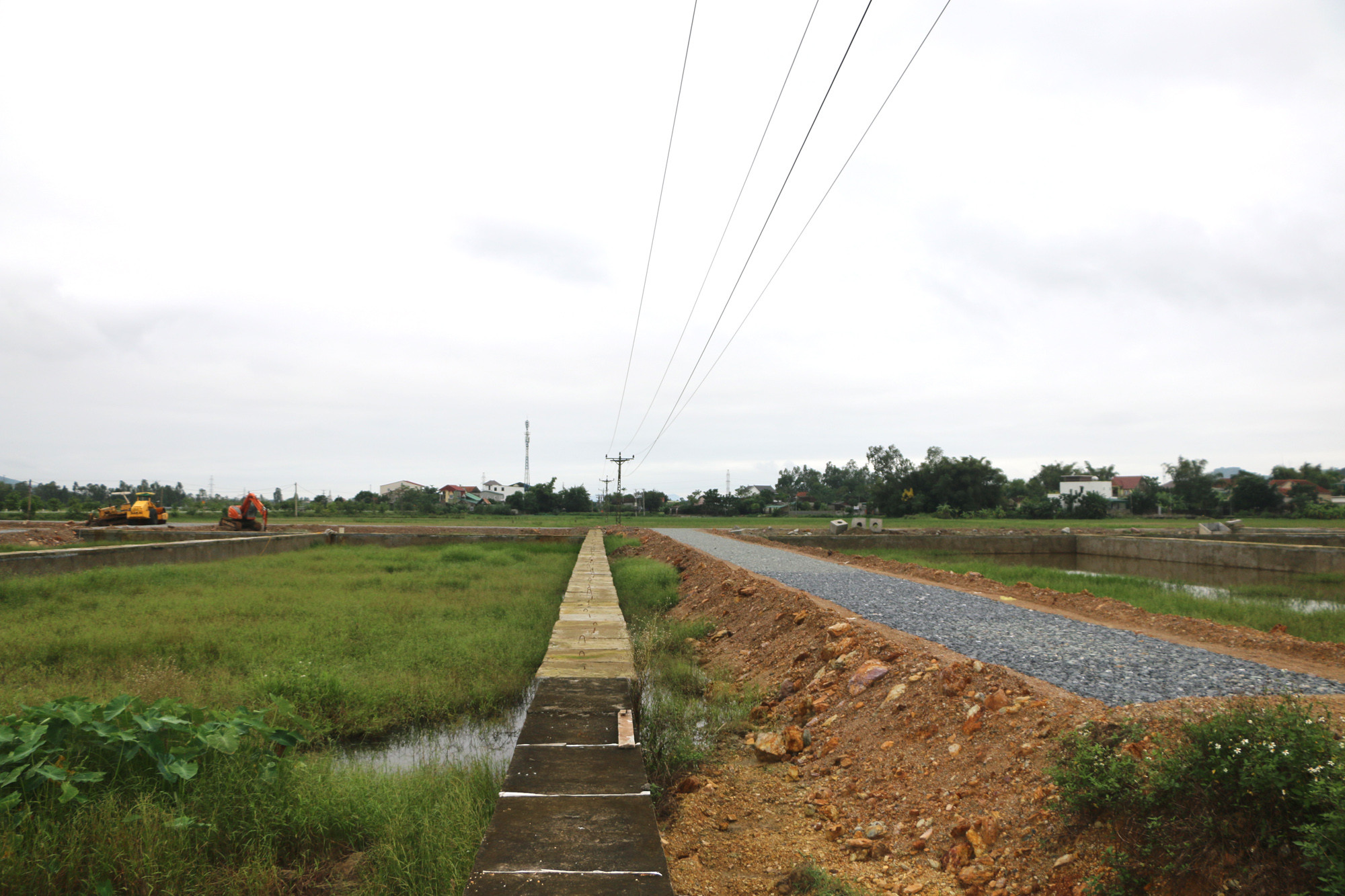
Thus, defining land ownership as a system of state ownership with the State as the representative owner is objective and consistent with the orientation of building a socialist rule of law state in Vietnam. It reduces the risks of depleting land resources, curbs social inequality, and creates an important legal basis and tool for state management of land, especially in implementing economic and social development policies and ensuring national defense and security. The fact that a small number of officials and civil servants commit violations in land management is due to their own moral decay and failure to properly implement the principle that land belongs to the entire people, with the State as the representative owner and managing it uniformly.


