
Many specialties from Nghe An are selling well as Tet approaches.
As Tet (Lunar New Year) approaches, the market for local specialties in Nghe An province becomes vibrant as consumer demand surges, with many products being pre-ordered by customers. Despite high demand and limited supply, prices for specialties such as wild boar, porcupine, goat, and bamboo rat remain stable, reflecting sustainable consumer trends and the cautious market approach of livestock farmers.
Specialty crops raised during peak season.
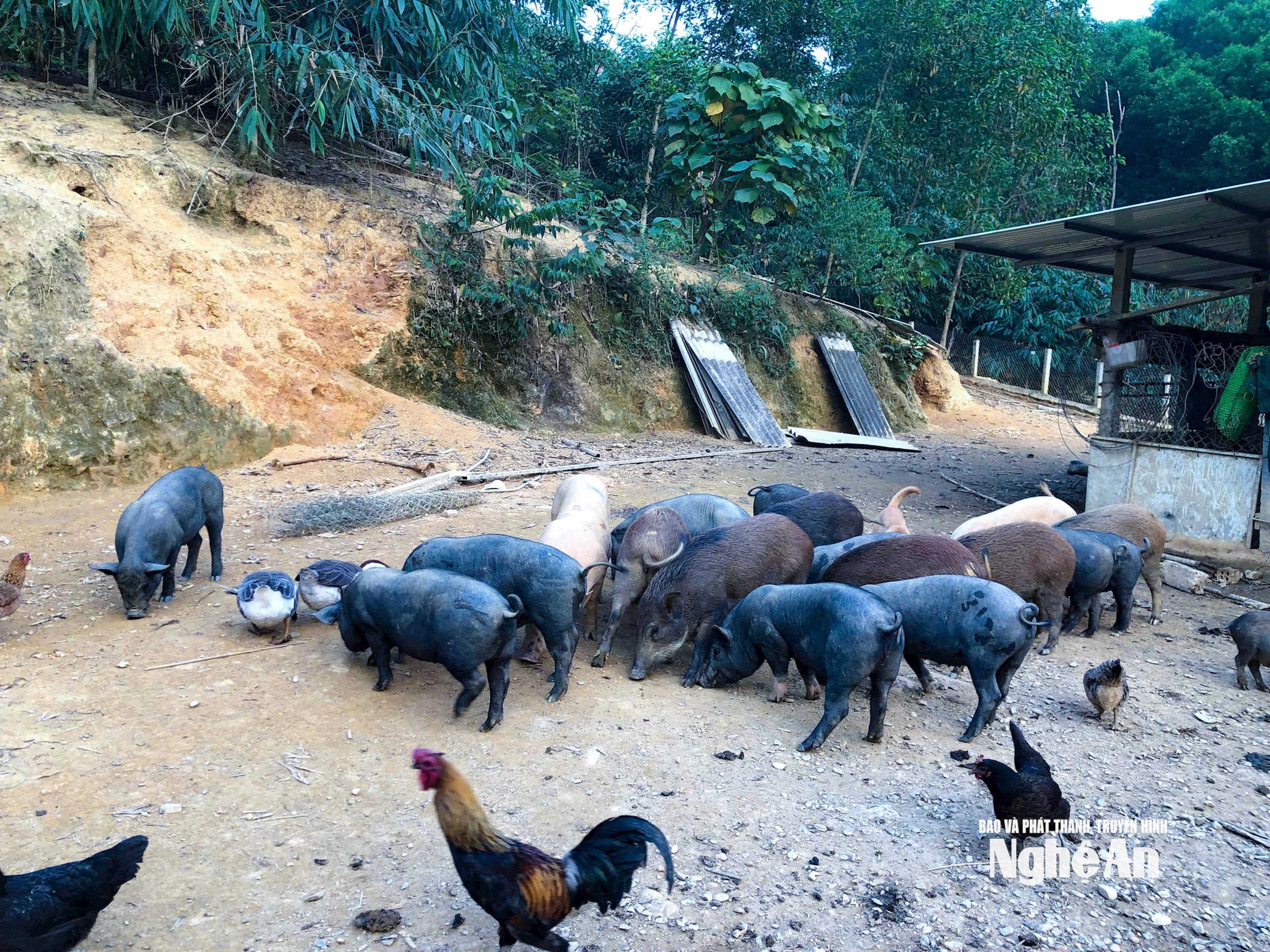
In the last months of the year, when the demand for organizing year-end parties, celebrations, andShopping for food for TetWith a surge in demand, the market for specialty farmed products in Nghe An province has become vibrant. Unlike common livestock products, specialty products raised naturally and with biosafety practices are gradually occupying a unique position in the high-end consumer segment. These products not only serve culinary needs but are also chosen as gifts during Tet (Lunar New Year) due to their novelty, meat quality, and clear origin.
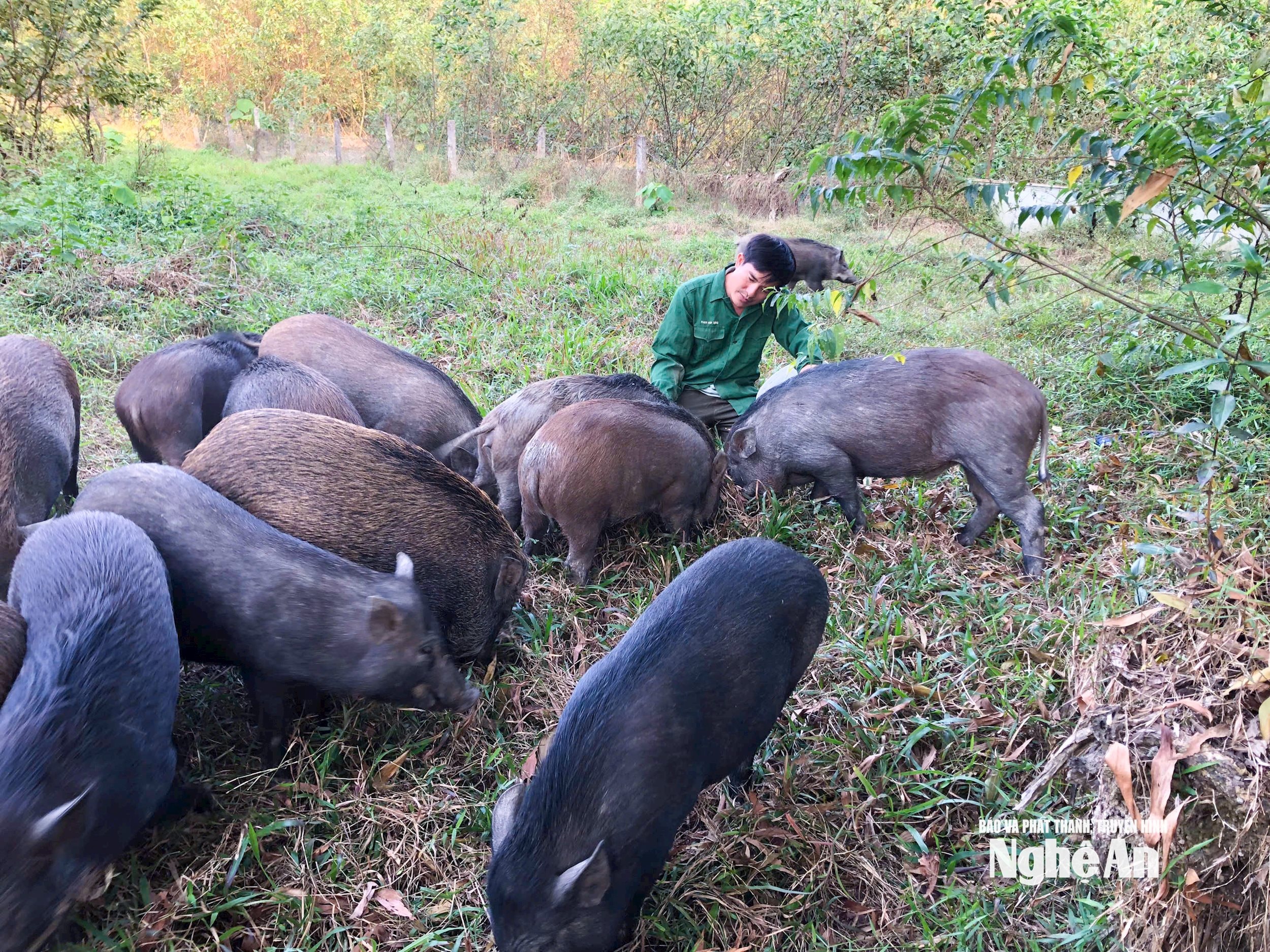
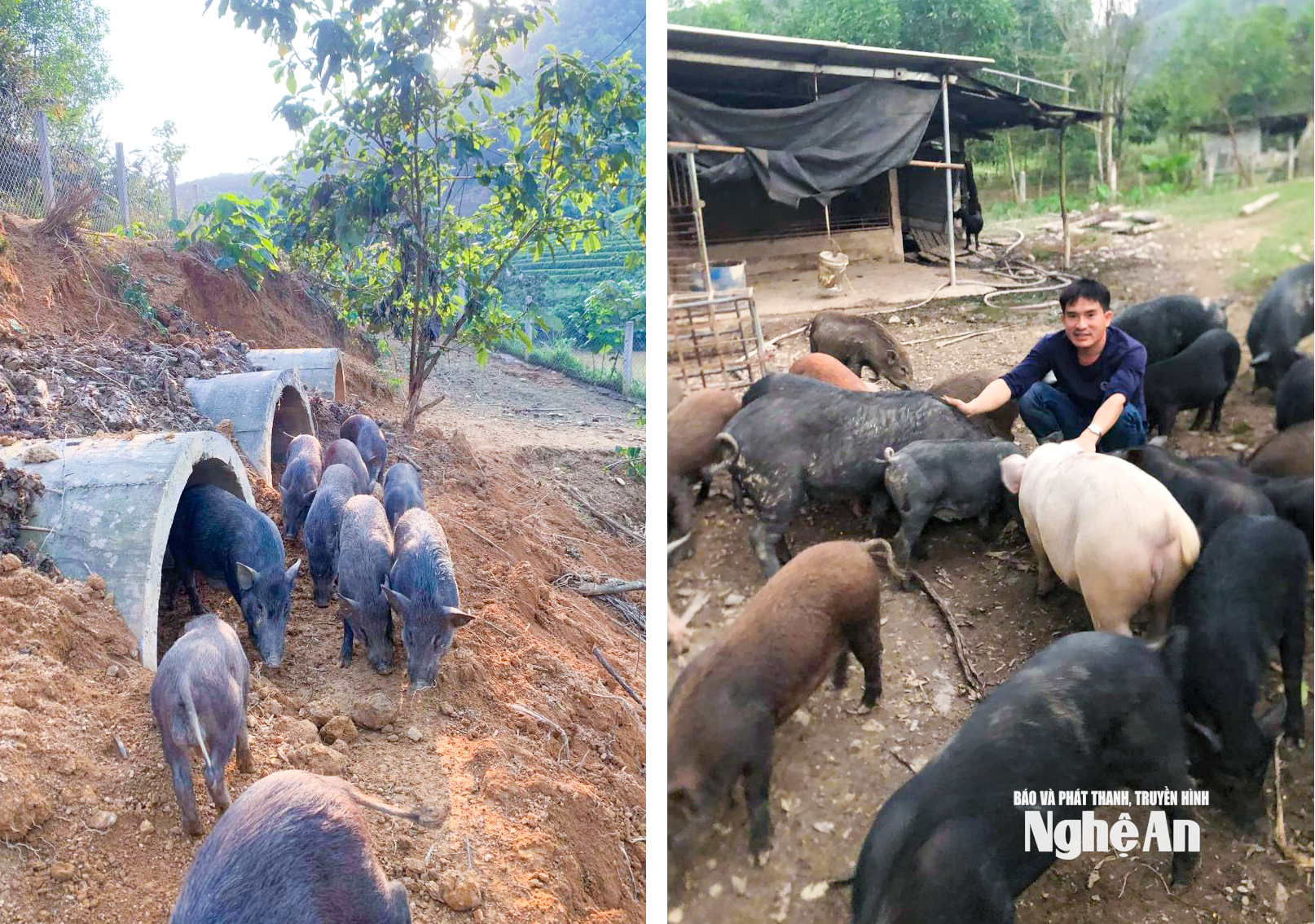
In Sướn hamlet, Hạnh Lâm commune, the farm of Mr. Nguyễn Đức Tính is bustling with activity as the year draws to a close. On over 10 hectares of hillside land, his family is raising approximately 200 wild boars and nearly 200 porcupines in staggered batches. The pigs are completely free-range, foraging for food in the garden, and are only supplemented with one meal a day in the evening using organic feed such as soybean meal, banana stalks, and cornmeal. They also use probiotics made from garlic mixed into the feed to boost the animals' natural immunity. According to Mr. Tính, this method of raising animals requires a long time and perseverance, but in return, the meat quality is highly valued by the market.
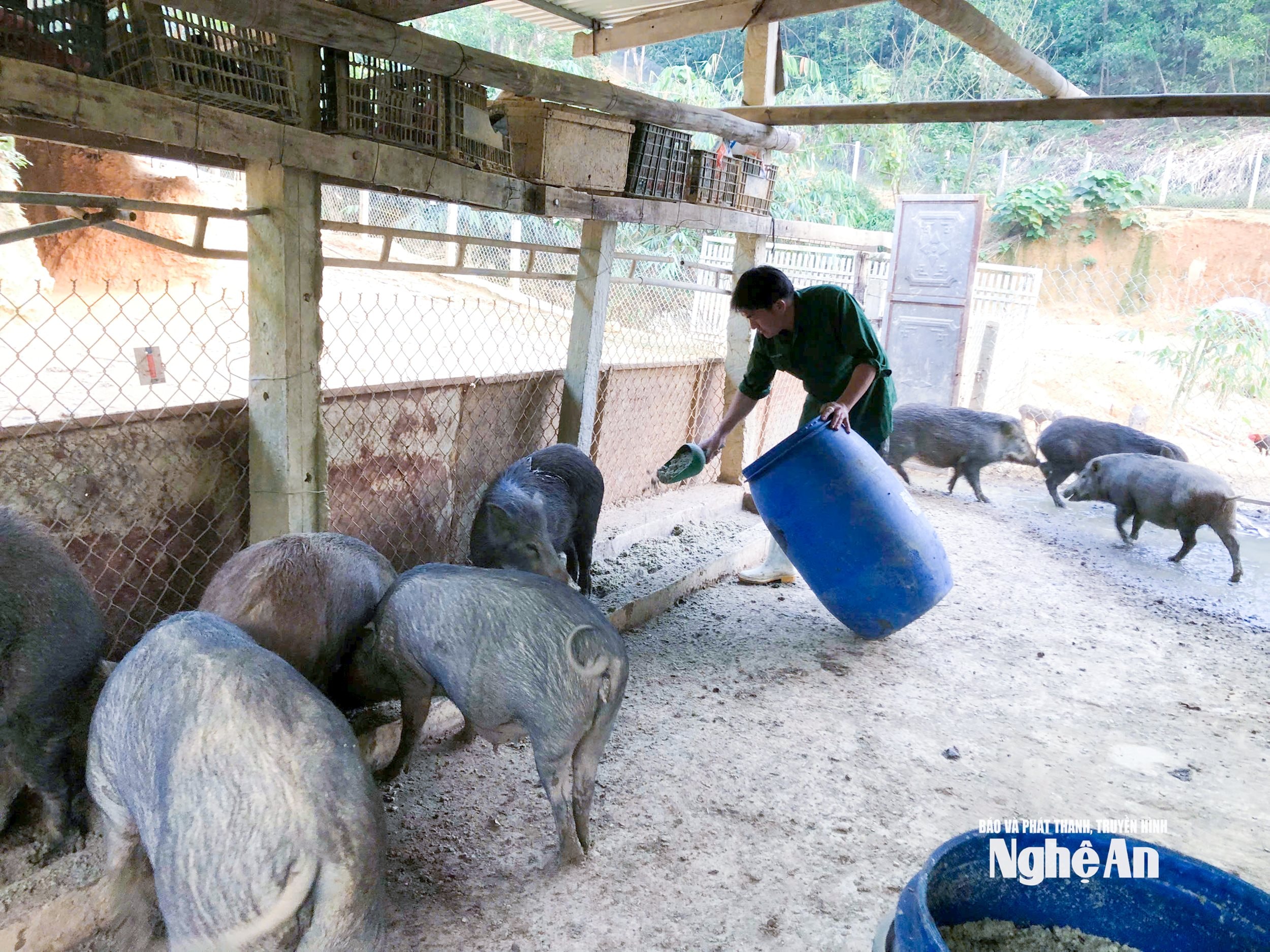
“Raising wild boars requires a long time, a full year before they are ready for market, with each pig weighing only about 35-50 kg. In return, the meat is firm, flavorful, and the skin is thick and crispy; customers will remember the taste after just one bite,” Mr. Tinh shared. Thanks to self-sufficiency in feed, the cost per pig is only about 8,000 VND/day, so even though they are raised for a long time, the selling price remains stable at 160,000-170,000 VND/kg, not increasing with the market fluctuations at the end of the year.
Along with wild boars, commercially raised porcupines are also a "trump card" for the farm. Porcupines are easy to raise, rarely get sick, have low costs (daily feeding costs are only about 2,000 VND/animal), and can be raised year-round. However, peak consumption still falls around Tet (Lunar New Year), when restaurants, agencies, and households have a high demand for year-end parties and celebrations. At the end of the year, the price of commercially raised porcupines fluctuates between 250,000 and 300,000 VND/kg; in the month leading up to Tet alone, Mr. Tinh's family sells about 200 porcupines, bringing in a significant income.
Not only Mr. Tinh's model, but many other specialty livestock farms in the province have also recorded a significant increase in purchasing power. In reality, consumers are increasingly concerned about food quality and are willing to pay higher prices for products with clear origins and safe farming practices.
Supply is limited, prices are stable.
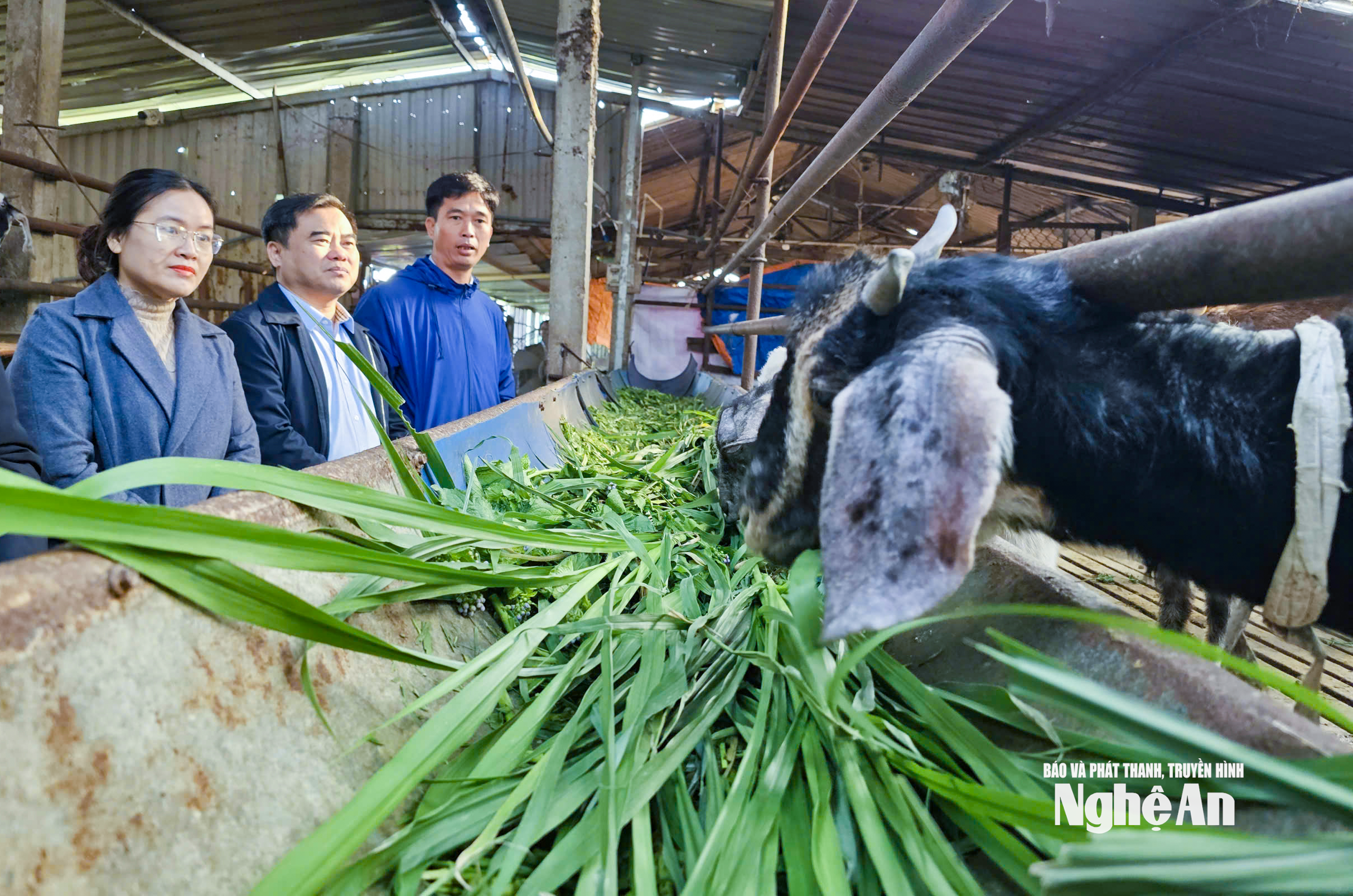
In the market for specialty livestock products leading up to Tet (Lunar New Year), goat meat is one of the most popular items at year-end parties and gatherings. In Vinh Hung ward, Mr. Duong Hong Lai's Bach Thao Boer crossbreed goat farm currently has only about 30 goats left out of a total herd of 150. During the peak season at the end of the year, he sold more than 100 goats to specialty restaurants at a price of 220,000 - 250,000 VND/kg.
According to Mr. Lai, with specialty products like goat meat, as long as the meat's firmness and natural sweetness are maintained, there's almost no need to worry about sales. Processing the meat right at the farm helps reduce intermediary costs while ensuring product quality when it reaches consumers.
In the experiential consumer segment, Mr. Le Xuan Chuong's large-scale bamboo rat farming model in Van Kieu commune is also operating at full capacity to meet year-end orders. With nearly 1,000 bamboo rats, each raised for 8-10 months to reach a weight of 1.4-1.6 kg, the selling price is 500,000-600,000 VND/kg, mainly sold through specialty restaurants and customers buying them as gifts.
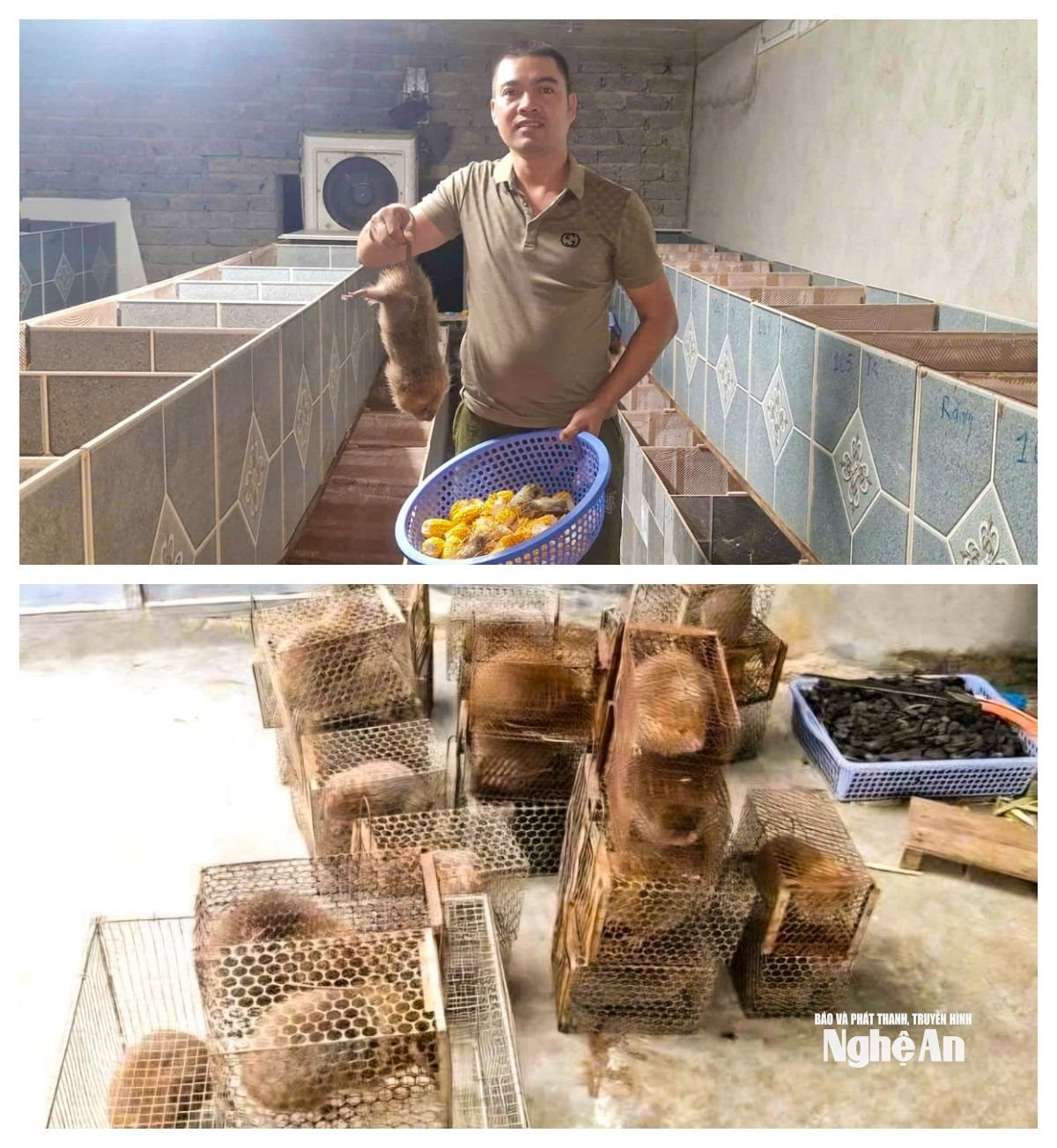
The situation is similar with porcupines and bamboo rats. Mr. Nguyen Tien Ai, owner of a porcupine farm in Dai Dong commune, said that nearly 100 porcupines for meat had been pre-ordered by many restaurants and individual customers. Mr. Le Xuan Chuong, from Van Kieu commune, had to refuse large orders because his bamboo rat herd was not yet ready for slaughter; he prioritized individual customers buying them to try in order to expand his market share. "Demand always exceeds supply. I prioritize careful selection and don't sell prematurely to maintain my reputation," Mr. Chuong shared.
This is not a limitation of the farms themselves, but rather a "safety net" for the market. With long rearing times, high initial investment costs, advanced technical requirements, and strict legal regulations, farmers are forced to carefully consider their options before expanding their herds. As a result, the market for specialty livestock avoids the "bumper harvest, low prices" situation that has occurred with many other agricultural products.
The most noticeable common feature is that theySpecialty livestock farming modelThe supply is insufficient to meet demand at the end of the year. However, unlike the "price gouging" often seen with some other goods, the selling prices of farmed specialty products have remained relatively stable. Wild boar meat is priced at 160,000 – 170,000 VND/kg; commercial porcupine meat at around 270,000 VND/kg; goat meat at 220,000 – 250,000 VND/kg; and bamboo rat meat at 500,000 – 600,000 VND/kg.
According to the farmers, the majority of customers are regulars, restaurants, and long-term purchasing agencies. Maintaining stable prices is considered a way to preserve market share and reputation, rather than seeking quick profits during a few peak weeks. In addition, the long rearing period, high initial investment costs, and demanding technical requirements also make farmers cautious about expanding their herds, thereby limiting the risk of oversupply.
Market trends show that raising specialty livestock in a natural, bio-secure manner is opening up a sustainable path for local agriculture. Instead of chasing quantity, these models focus on quality, building reputation, and serving the high-end consumer segment. This also forms the foundation for a value chain from production to consumption.
In the long term, for this segment to develop stably, clear direction is needed: planning suitable areas for raising specialty livestock; supporting legal procedures for specific livestock; strengthening market connections, especially with restaurants and culinary tourism. Then, specialty livestock will not only be in high demand during Tet (Lunar New Year) but will also become key products, increasing farmers' income and contributing to the diversity of local culinary identity.


