
Many difficulties exist in implementing swimming lessons for children.
In recent years, child drowning prevention efforts in Nghe An province have faced many difficulties and shortcomings. The annual rate of child deaths due to drowning has not decreased sustainably; many children still lack access to swimming lessons.
Over 160 children have died from drowning in the past three years.
On the evening of July 10, 2024, a tragic drowning incident occurred at Quynh Phuong beach in Hoang Mai town. The victim was Ng. NTU (born in 2013), residing in Hung Dong commune (Vinh City). She was visiting her hometown in Quynh Vinh commune, Hoang Mai town, and went swimming at Quynh Phuong beach with a friend. While swimming, she was swept away by the current and, not knowing how to swim, tragically drowned.
This is the most recent child drowning death and one of many drowning incidents that have occurred in Nghe An province recently. According to statistics from the Department of Labor, War Invalids and Social Affairs, between 2021 and June 2024, 165 children died from drowning in the province. In the first six months of this year, the province has experienced 14 drowning incidents resulting in the deaths of 16 children.
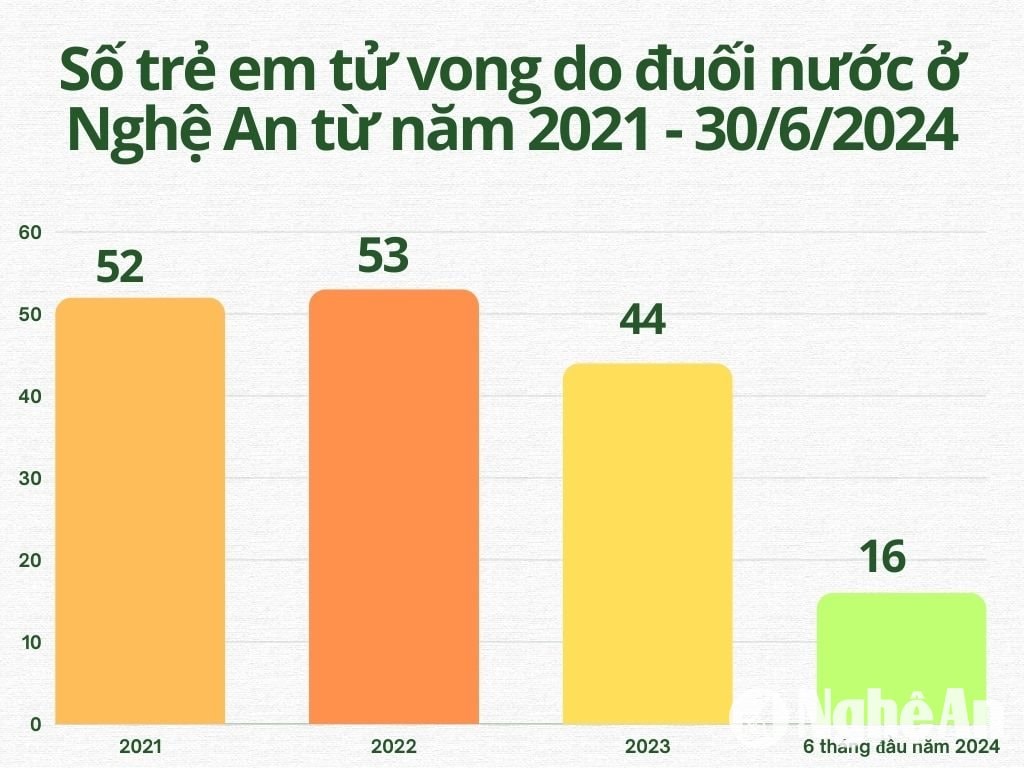
Faced with the alarming risks of drowning accidents and the alarming statistics, the Provincial People's Committee, along with relevant departments, agencies, and organizations, have directed and coordinated the implementation of numerous measures and solutions to minimize the number of drowning incidents and the number of children involved in drowning accidents in the province. Each year, the province allocates approximately over 4 billion VND to support the prevention and control of child drowning.
In 2021, the People's Committee of Nghe An province issued a plan to implement the program for preventing accidents and injuries to children in Nghe An province from 2021 to 2030, setting the goal of reducing the number of child deaths due to drowning by 5-10% annually. Specifically, the plan aims for 50% of children aged 6-16 in Nghe An province to know how to swim safely and possess water safety skills by 2025, increasing to 60% by 2030; and for 100% of districts, cities, and towns to complete the model of "All children in the commune know how to swim" and "All students in the school know how to swim".
During the period 2021-2023, the province collaborated with the Department of Children, Ministry of Labour, Invalids and Social Affairs to implement the project "Supporting the implementation of effective and sustainable interventions to prevent and combat child drowning in Vietnam," carrying out project activities in 12 pilot communes in Dien Chau, Yen Thanh, and Quynh Luu districts.
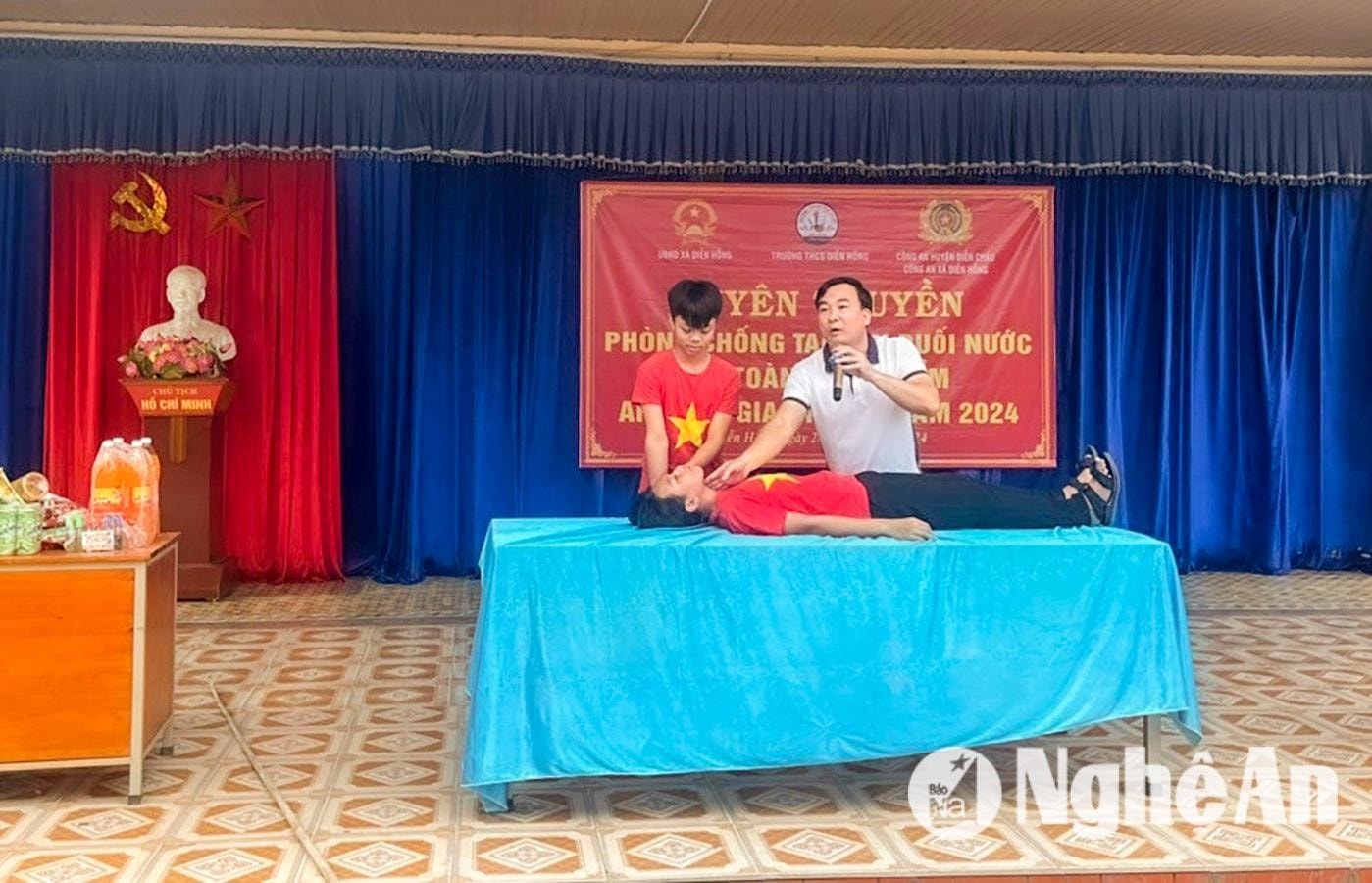
Through the Project, communication activities were organized, capacity-building training was provided for provincial officials and civil servants, safe swimming skills classes were organized for 1,400 children, and water safety skills classes were provided for 24,000 children aged 6 to 15, as well as for 1,800 delegates including preschool teachers, commune officials, and representatives of parents and grandparents of children under 15 years old.
Challenges in popularizing swimming lessons.
Despite efforts in preventing and combating drowning among children, Nghe An still faces many challenges, as the number of child drownings remains high; the annual rate of child deaths due to drowning has not decreased sustainably, especially during hot weather.
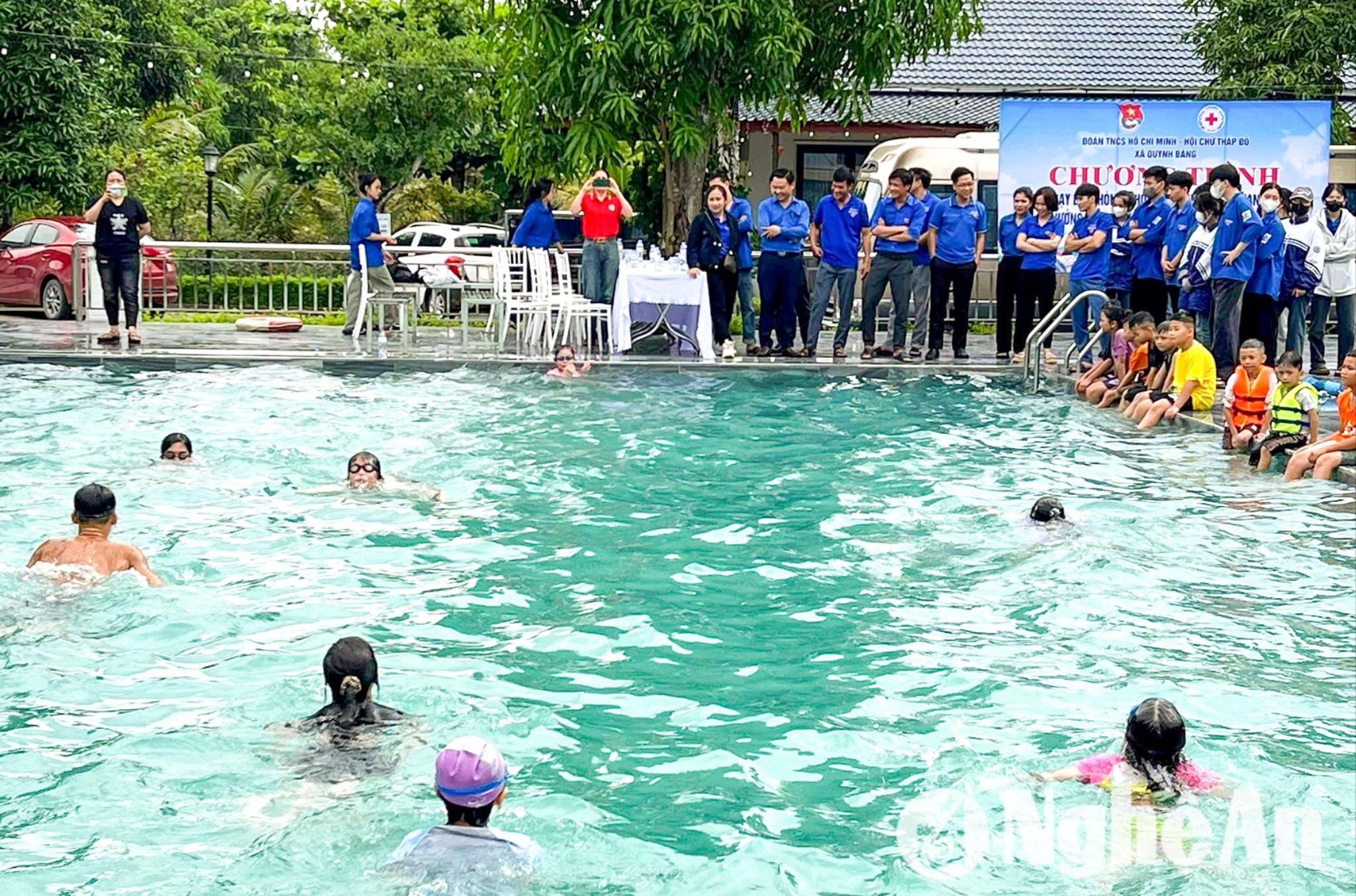
This situation stems not only from the negligence and carelessness of parents and caregivers in monitoring and managing children, but also from the fact that many children do not know how to swim and have not been trained in safe swimming skills in aquatic environments. While swimming instruction for children has received attention at the grassroots level, it is not conducted regularly, and children mainly learn to swim at private swimming pools that require relatively high fees.
According to reports from districts, cities, and towns, there are currently 216 swimming pools throughout the province, including 111 fixed pools and 105 mobile pools. Most of these pools were built by individuals and businesses for investment and commercial purposes in economically developed central areas such as Vinh City, Cua Lo Town, and Dien Chau. For children in rural areas and those from impoverished backgrounds, swimming lessons are very limited. In addition, there are some mixed-use pools, wading pools, swimming cages, ponds, and lakes created by local people to teach children to swim; however, these mixed-use pools are unsafe and do not meet regulatory requirements.
Ms. Le Thi Nguyet - Head of the Department of Children and Gender Equality (Department of Labor, War Invalids and Social Affairs).
On July 7, 2023, at the 14th session of the 18th term (2021-2026), the Nghe An Provincial People's Council passed Resolution 09/2023/NQ-HĐND stipulating policies to support investment in swimming pools and organize swimming lessons for children in Nghe An province. According to the plan, in 2024, support will be provided for the installation of 178 mobile swimming pools.
However, the implementation of the Resolution has been very slow. It wasn't until mid-May that the Provincial People's Committee issued Decision No. 1181/QD-UBND approving locations eligible for investment support in swimming pools and swimming lessons for children. Even then, only 99 locations received support, significantly fewer than the target set in Resolution 09/2023. To date, with only a little over a month left until the end of the students' summer vacation, the installation of the swimming pools has not yet begun due to delays in receiving funding from the Provincial People's Committee.
According to a representative from the Department of Culture and Sports, the reason for this situation is the delay by localities in reviewing and evaluating the conditions for ensuring and selecting suitable locations for installing mobile swimming pools at schools or commune People's Committees, as stipulated in Clauses 1 and 2 of Article 2 and Clause 1 of Article 3 of Resolution No. 09/2023/NQ-HĐND dated July 7, 2023, of the Provincial People's Council.
Meanwhile, representatives from local Culture and Information Departments stated that, along with the installation of swimming pools, the cost of constructing auxiliary facilities such as yards, fences, and showers, as well as the cost of maintaining and operating the pools (e.g., electricity for pumps, chemicals for water disinfection, and pool cleaning), is quite high. Given the limited local budget, many communes, towns, and schools are hesitant to accept support from the Provincial People's Council Resolution.
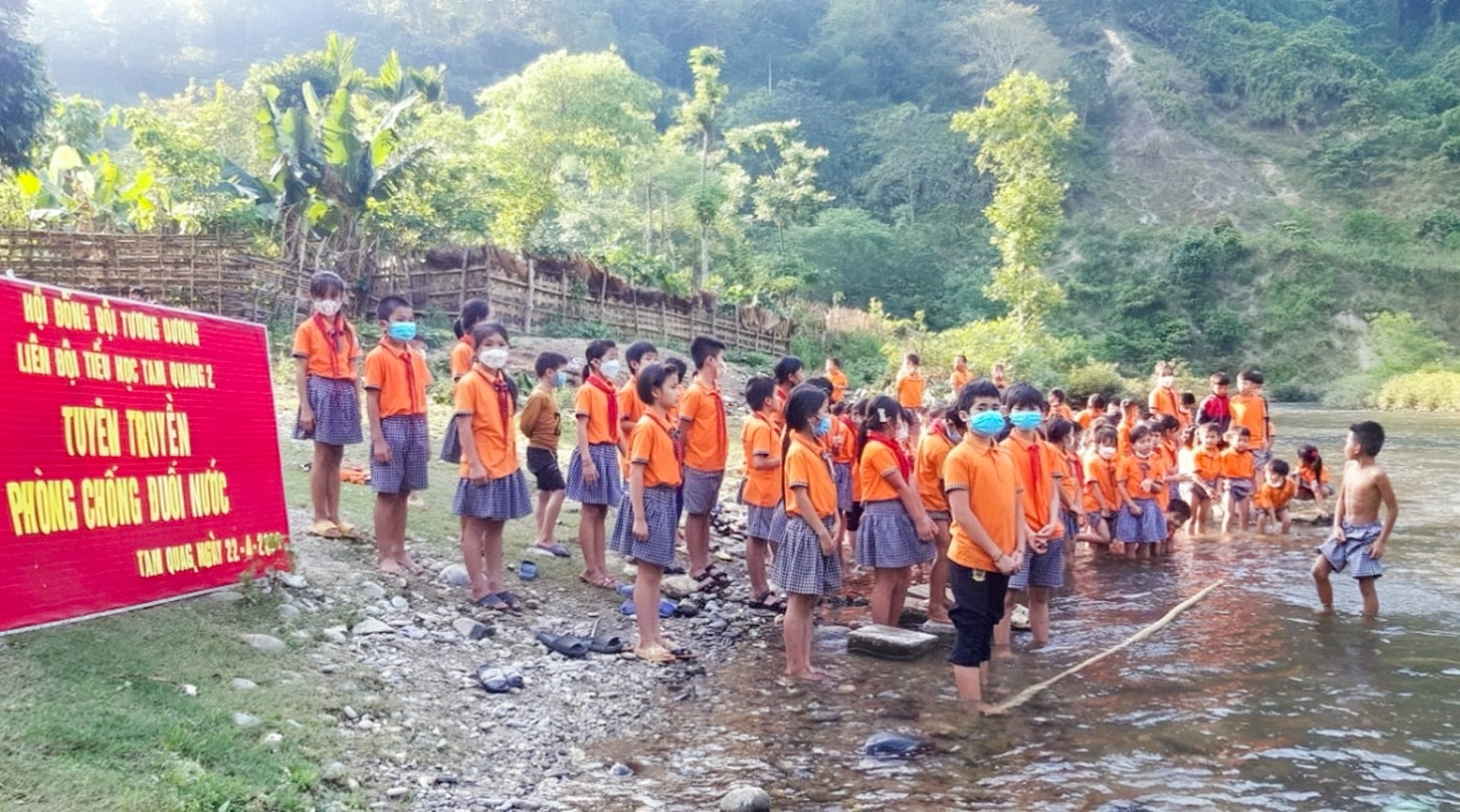
These shortcomings have led to a delay in the implementation of a practical resolution by the Provincial People's Council, and for many localities, especially rural areas, ethnic minority regions, and mountainous areas, the popularization of swimming for children remains only on paper.


