
The rhythm of life and livelihood at Quang Thiet estuary.
As small boats line up to dock, bringing with them freshly caught seafood, the Quang Thiet wharf (Trung Loc commune) becomes bustling. Without the need for permanent stalls, the market by the wharf is still crowded with buyers and sellers, vividly reflecting the persistent livelihood of fishermen in the coastal region of Nghe An.
Bustling afternoon market
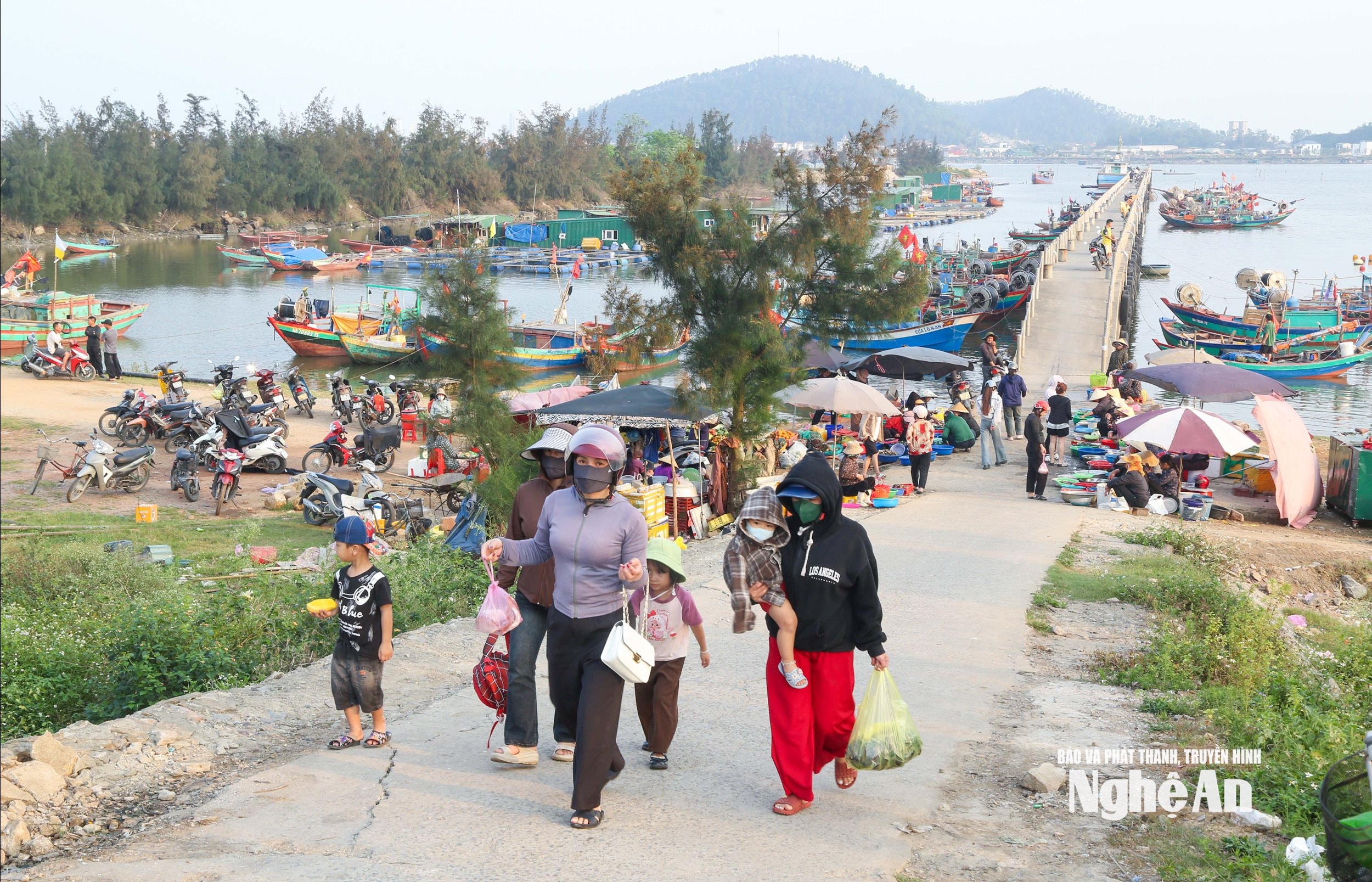
Around 3 PM each day, as the coastal sun begins to soften, the Quang Thiet wharf area starts to transform into a different rhythm of life. From the sea entrance, small fishing boats returning after hours at sea line up. And at this time, a special "market" with no signs or stalls begins right on the shore.
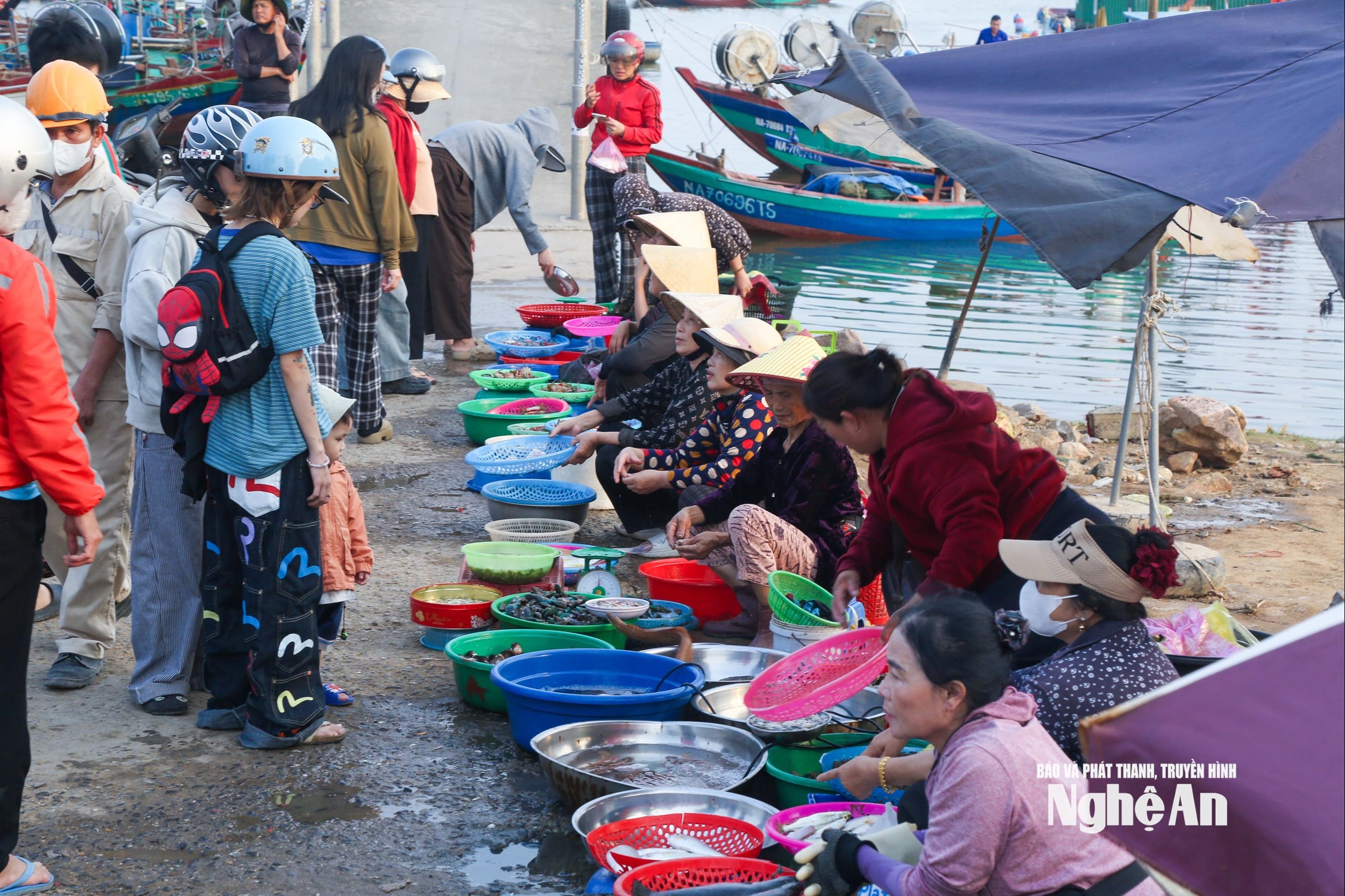
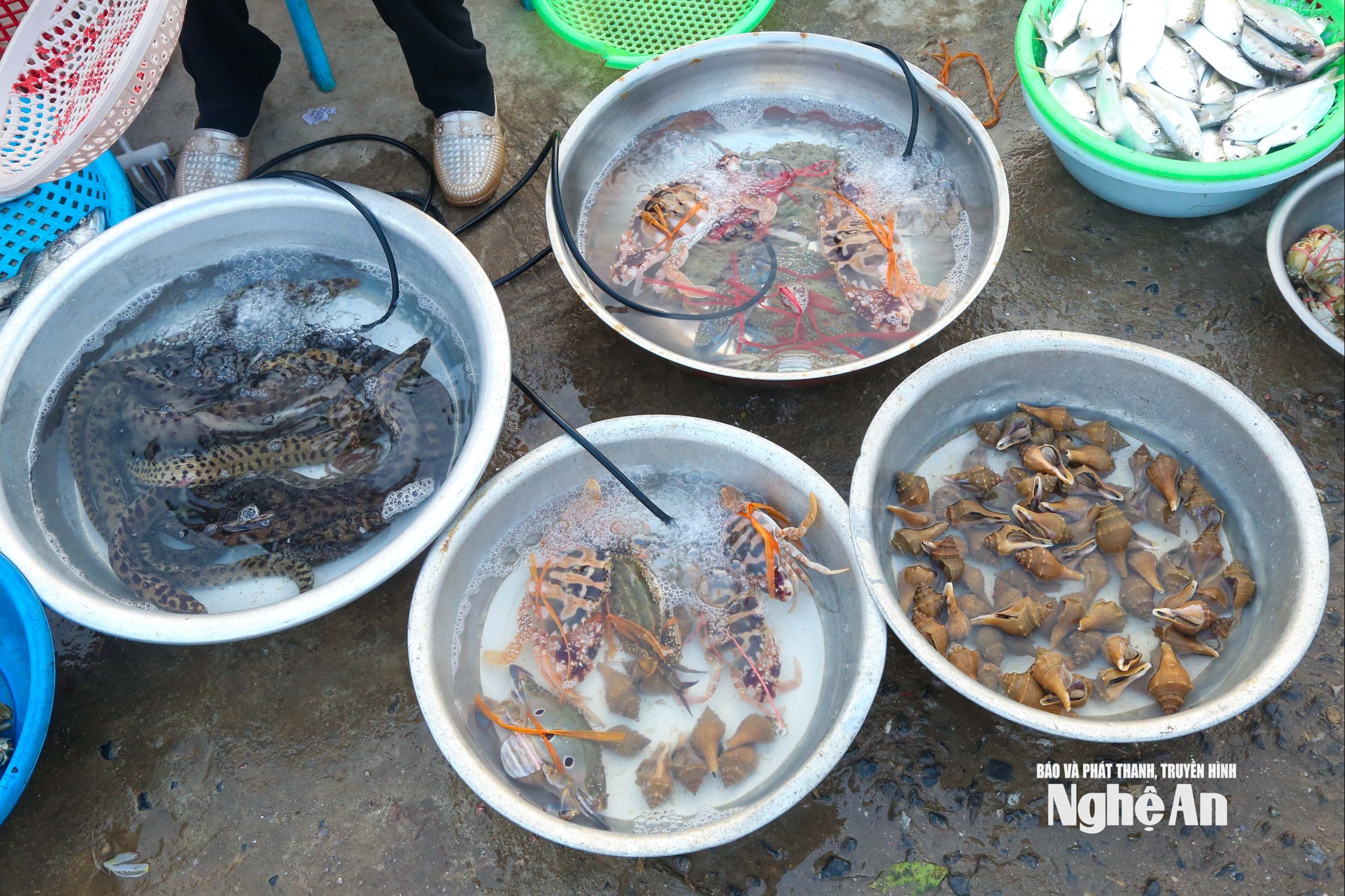
The boats that had just docked quickly became trading hubs. Baskets of shimmering fish, glistening squid, and fresh shrimp, crabs, and lobsters were unloaded from the boat's hold. Without any preservation or transportation, the seafood was sorted on the spot and sold directly to buyers. The sellers were mostly fishermen or family members, while the buyers were locals, mixed with visitors from neighboring villages.
The buying and selling activity is quick and efficient. The shouts, the bargaining, and the sound of the waves create a unique symphony of the coastal region. Here, the exchange isn't heavily reliant on haggling, as buyers trust the freshness and honesty of the sellers. Seafood is freshly caught from the sea, and the prices are reasonable due to the lack of intermediaries, so almost everything sells out.
Having been associated with the dock for many years, Ms. Nguyen Thi Chien shared: "Every afternoon I come out around 3 PM. The seafood has just been brought ashore, so it's very fresh, and there are many customers. Usually, by around 6 PM, almost everything is sold out."
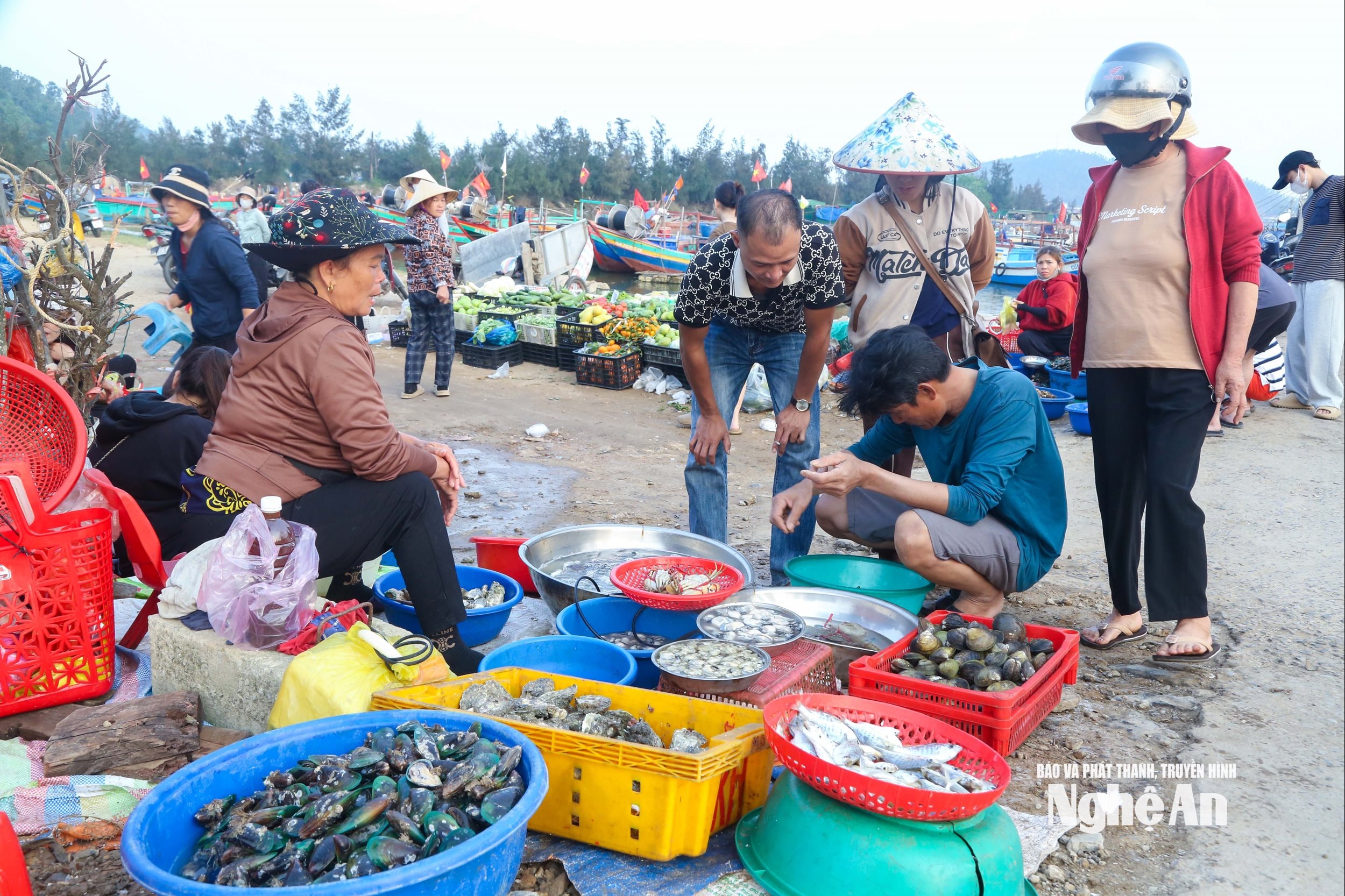
Besides serving the needs of the local community, the afternoon market also attracts people from neighboring areas. Mr. Le Van Hung (Dong Loc commune) said: "I often come here to buy seafood because it's fresh and the prices are reasonable. Buying directly from the boats gives me peace of mind."
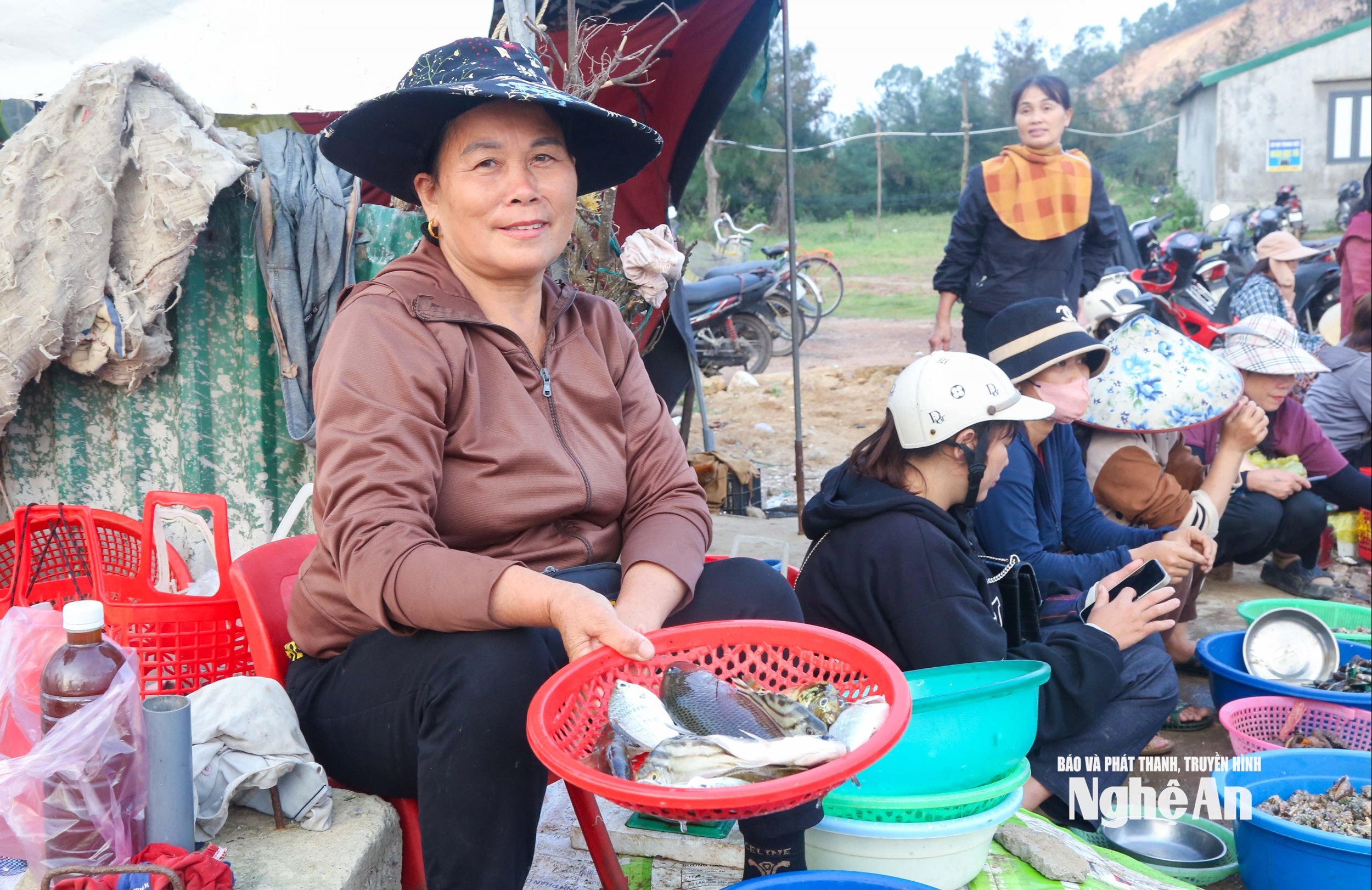
What's special about this market is that it has no fixed structure or organization. There's no roof, no stalls, no signs, yet everything flows smoothly according to the fishermen's daily routines. It is this natural, rustic charm that creates a unique appeal, helping the Quang Thiet wharf maintain its allure over the years.
More than just a place for buying and selling, the afternoon market is also a space for connecting people. After each fishing trip, fishermen bring back not only seafood but also stories about fish schools, the weather, and whether their journeys were successful or difficult. These stories are shared right on the dock, contributing to the close-knit atmosphere and authentic coastal life.
The pillar of support for fishermen in coastal areas.
Behind the hustle and bustle of the afternoon markets lies the enduring role of the Quang Thiet bara dock, which has been closely associated with the lives of fishermen for nearly 30 years.
Located in the estuary area, this mooring point has long been an important support for the people of Tan Lap hamlet (formerly Nghi Quang commune, now Trung Loc commune). Since the completion of the seawall, it has proven effective, becoming a safe haven for boats, especially during the rainy and stormy season.
Currently, there are about 120 boats of all sizes regularly entering and leaving the harbor. For fishermen, this is not only a place to anchor but also the starting point for each fishing trip.
As dusk falls, the boats gradually leave the harbor, carrying with them hopes for a successful voyage. Smaller boats that fish near the shore usually return within the day, while larger vessels venture further out to sea, staying at sea for several days to a week.
Mornings at the dock take on a different rhythm. After their fishing trips, the boats mainly dock to rest, repair their fishing gear, and prepare for the next journey. Large-scale trading hardly takes place here, as most of the seafood is transported to docks in Cua Lo ward or wholesale markets for sale.
However, behind these fishing trips, there are still many worries. Mr. Tran Huu Tinh, a fisherman with over 25 years of experience in the profession, shared: "Each fishing trip brings in about 3-5 million VND, but with the high price of fuel, many trips barely cover the costs."
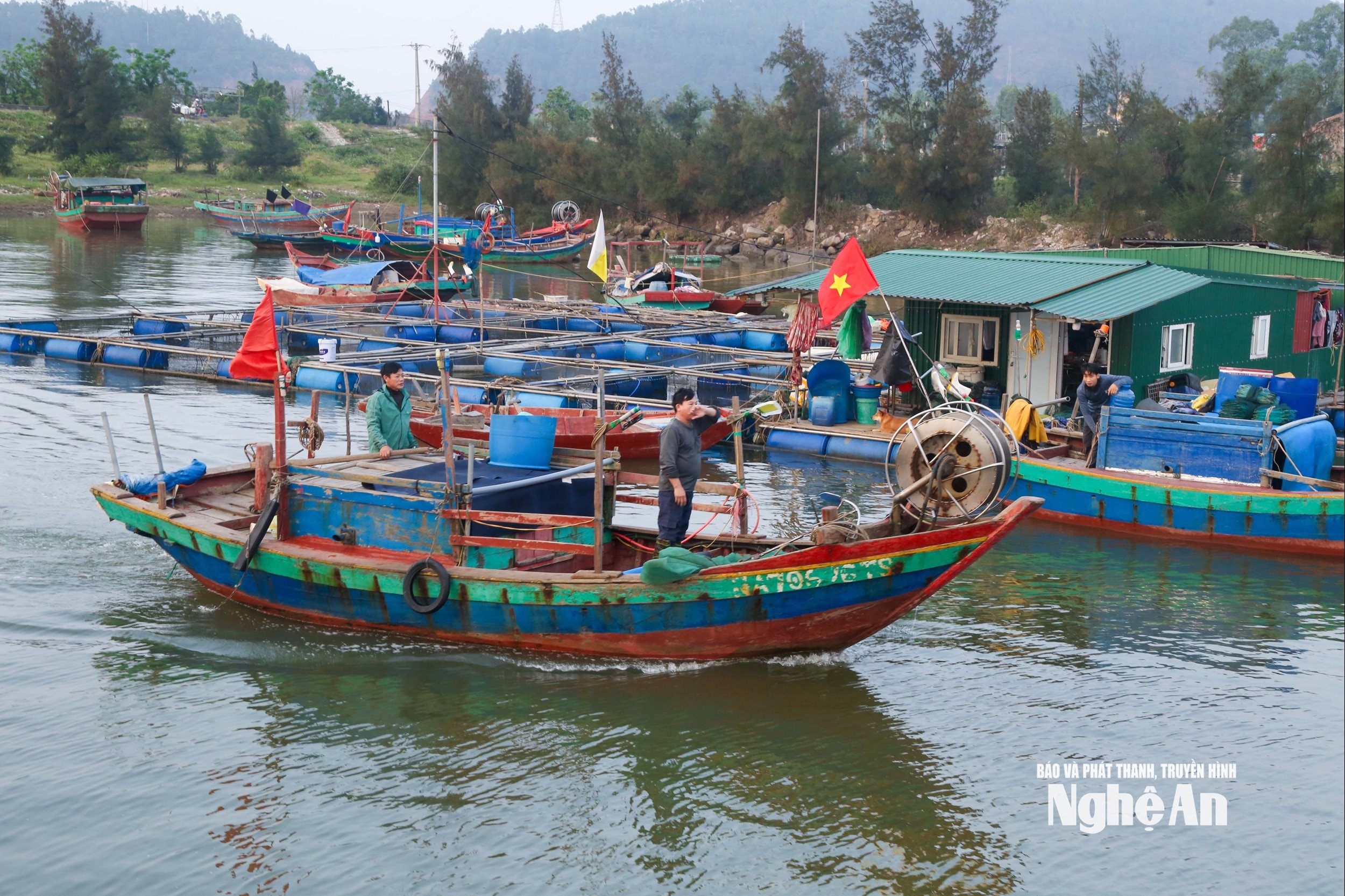
Rising fuel costs, boat maintenance, and fishing gear expenses are making life difficult for fishermen. In addition, unpredictable weather and fluctuating fish stocks also significantly impact fishing efficiency.
However, for the people here, the sea remains their main source of livelihood, a traditional occupation that is difficult to replace. The boats still set sail every day, carrying the hope of more bountiful fishing seasons.
For nearly 30 years, the Quang Thiet wharf has continued to play a vital role in the socio-economic life of the locality. More than just a mooring place, it serves as a link to livelihoods, contributing to income generation for hundreds of households.
Mr. Dau Khac Than, Vice Chairman of the People's Committee of Trung Loc commune, said: "The local authorities have requested the higher levels to dredge the waterways and improve the infrastructure of the mooring area to ensure the safety of boats and ships, especially during the rainy and stormy season."
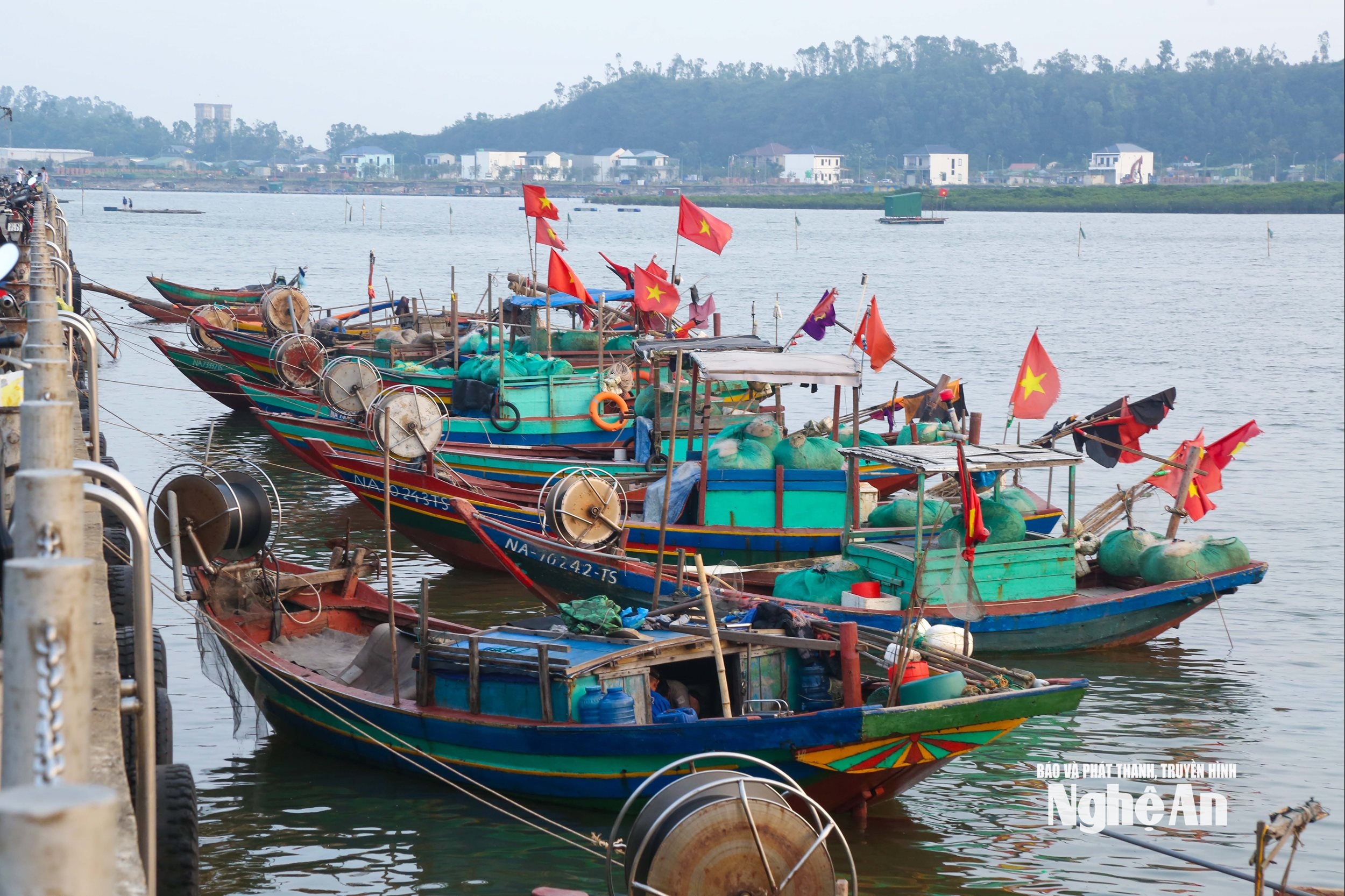
In the context of developing the marine economy, investing in infrastructure upgrades is an urgent requirement, contributing to improved exploitation efficiency and stable livelihoods for fishermen.


