
Dried grapes are medicine.
Psychologists in Germany conducted a psychological experiment surveying the preferences of children aged 3-5 when given a choice between fresh grapes and raisins.
Surprisingly, despite the appealing appearance of fresh, plump grapes, 7 out of 10 children immediately chose dried grapes. It's unclear why, as the subjects in this study, unlike adults, are not very talkative… or explanatory! Ask the elders, then ask the children. Perhaps we can learn many valuable lessons from them!
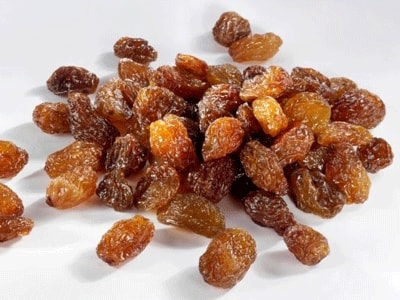
Raisins are not only appealing to children because they are delicious and sweet. Raisins even hold a cherished place in human history. Prehistoric people, viewing raisins as a gift from the gods, used them as ornaments and even carved images of raisins on cave walls. According to legend in the Middle East, as far back as the Jewish people, thousands of years before Christ, used raisins to pay taxes. If they weren't valuable, the tax authorities wouldn't have accepted them!
That's not all. In terms of nutritional value, raisins are clearly a healthy snack because they are very low in fat but high in energy, and easy to store. Therefore, raisins are a convenient snack for those who work hard.
Furthermore, raisins are a healthy snack for people with high blood pressure due to their mild diuretic effect and potassium content. A study in the US showed that blood pressure in raisin-eaters was more stable than in non-raisin eaters. Some therapists even recommend that people over 40 eat raisins regularly to help control blood pressure. Of course, raisins should only be consumed by patients who do not have diabetes. Conversely, people prone to hypoglycemia should keep some raisins handy in their pockets for emergencies.
Rich in fiber, raisins are therefore a great food choice for those suffering from constipation and hemorrhoids. In addition, thanks to their ability to draw fat through the intestines, raisins indirectly lower cholesterol. Many doctors have therefore readily classified raisins as a suitable food for people with coronary heart disease. According to a study in the US, after one month of consumption, LDL levels in the blood decreased significantly in patients who included 50g of raisins in their daily diet.
That's not all. Raisins are a good source of iron. People with anemia, those recovering from hemorrhagic trauma, pregnant women, and women with heavy menstrual bleeding should choose raisins to supplement the iron necessary for the healthy structure of blood cells, instead of relying on meat or liver, which can lead to problems with blood lipids.
According to Nguoi Lao Dong - NT


