
Signs of malnutrition in children
Malnutrition in young children can be detected even while the baby is still in the womb, and is most common in children under five years old. Below are the signs of malnutrition in children that parents should pay attention to in order to provide the best care for their children.
The child is slow to gain weight.
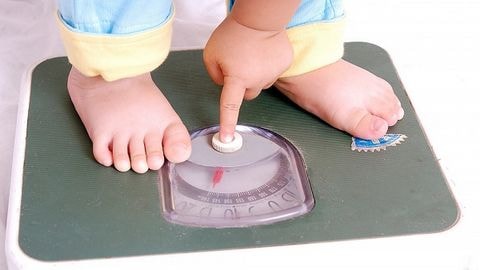 |
For children aged one to five years, weight is the first indicator of their physical development. Once a child reaches one year of age, their height and weight measurements change more slowly compared to the first few months of life.
Therefore, parents often do not closely monitor their child's weight, or are negligent when the child's weight stagnates and shows no signs of gaining weight. According to nutrition experts, a child is considered at risk of malnutrition if they do not gain weight for three consecutive months.
Parents can monitor their child's growth monthly using weight and height charts to assess their child's health. The chart includes a benchmark for weight. If the child's weight falls below this benchmark, the risk of malnutrition is very high.
If weight-related malnutrition is detected early, treatment can be very quick. However, if left untreated and becomes chronic malnutrition, it will affect height, making long-term treatment much more difficult later in life.
The child has delayed physical development.
Parents can easily identify this problem by monitoring their child's height and weight. Compare your child's measurements to the average weight and height in a child's chart. A child is considered underweight if their weight is more than 20% below the standard, and stunted if their height is less than 10% below the average height.
Especially in the early years of life, parents need to monitor their baby's developmental milestones such as rolling over, sitting, walking, and talking to check if they are appropriate for their age.
The child shows signs of fatigue, weakness, and reduced activity.
Meals during this critical period are also very important for children. If your child shows signs of picky eating, doesn't eat enough meals, or doesn't finish their food portions according to their age, you need to investigate and find the cause to help them eat well, sleep well, and get enough energy for their daily activities.
In addition, health factors such as poor activity levels, sleep disorders, and infectious diseases should not be overlooked. These are also signs of malnutrition.
The above are signs that parents need to know when their child is malnourished. If you have any concerns, please see a doctor for advice and the best care for your child, helping them catch up with the growth of children of the same age..
According to VNN
| RELATED NEWS |
|---|


