
Ways to save electricity when using a washing machine.
(Baonghean.vn) - When using a washing machine correctly,This not only saves a considerable amount on monthly electricity bills but also helps the washing machine operate efficiently, extending its lifespan.
Choose the right washing machine.
To save electricity when using a washing machine, consumers need to carefully consider their family's needs right from the purchase stage. Clearly, owning a washing machine with a capacity that matches your needs will consume less electricity than having the machine operate at a capacity that is too high or too low compared to what is required.
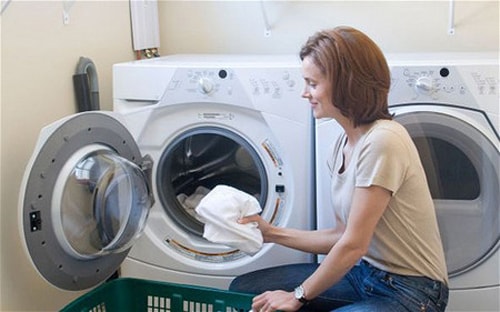
Another way to save energy is to choose a washing machine with an energy-saving wash function (Economy mode). For front-loading washing machines, consider buying one with a pause function to add more clothes.
 |
How to choose the water level for washing
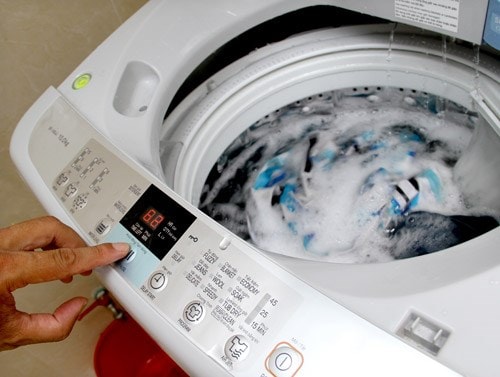
Washing machines currently on the market usually have at least 3 water levels for each washing cycle. For small loads of laundry, only the low water level should be used; for larger loads, choose the appropriate water level that is sufficient to wash the clothes.
Choosing the right water level not only saves water during the washing process, but a lower water level also reduces the washing cycle time, thereby indirectly reducing electricity consumption for the family.
If you consistently wash small loads of laundry but your washing machine is too large, it will result in inefficient washing and increased energy consumption. Consider switching to a smaller capacity washing machine for better washing performance and energy savings.
 |
Choose detergent for your washing machine.
It's not by chance that manufacturers market detergents specifically designed for washing machines. Not only do they protect the machine during operation, but they also provide better cleaning results compared to other detergents. Therefore, choosing detergents specifically designed for washing machines is essential.
For heavily soiled clothes, even a lot of detergent won't remove all the dirt. Instead, you can pre-treat the clothes before washing them, such as turning them inside out to remove any remaining dirt and stones, and scrubbing heavily soiled areas before putting them in the washing machine. This will both improve washing efficiency and save energy.
Washing less frequently does not save electricity.
Washing a smaller load than the machine's capacity does not necessarily reduce water and electricity consumption.
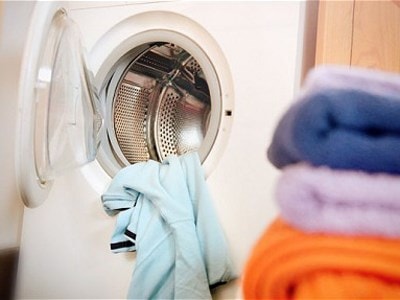
Modern washing machines often have sensors that detect the load size, adjusting water consumption accordingly. However, electricity, water, and time consumption will always be lowest per kilogram of laundry if you fill the drum completely. Therefore, filling the drum to the manufacturer's recommended capacity will provide the most optimal savings.
And to avoid further motor wear or bearing damage (which is also a cost-saving measure), you shouldn't wash too few loads or divide the wash into many separate loads.
 |
Use cotton washing programs.
Modern washing machines often have multiple washing programs suitable for various fabric types, from jeans, wool, jersey, cotton, etc., but it's not necessary to choose the exact same program for each fabric type; it also depends on the level of cleanliness or dirtiness of the laundry.
Regardless of the fabric of your clothes and if they aren't too dirty, it's best to choose the cotton wash cycle. This program will wash more effectively than others because it consumes less water and electricity per kilogram of laundry, and it allows you to wash a full load of clothes with optimal, economical results.
Place the machine in a dry and well-ventilated area.
Washing machines should be placed in a dry, well-ventilated, and level location. If they are unbalanced, the drum may hit the sides of the machine, creating noise, affecting the electrical circuits and motor, and increasing energy consumption. Regular cleaning is also necessary to ensure optimal washing performance, especially the water pump filter.
Turn off the washing machine when not in use.
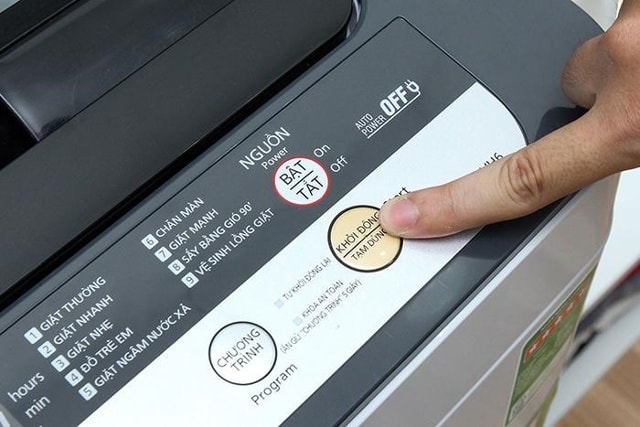
Do not plug in the washing machine when there are too few clothes. Furthermore, washing a small load of clothes will not clean them any better than washing a full load. If your washing machine has a hot water setting, use only cold water for rinsing to save energy. When not in use, completely disconnect the washing machine from the power supply.
Washing machines that meet Energy Star standards use 50% less water than conventional washing machines.
 |
Regularly clean and maintain your washing machine.
Over time, if not cleaned, the washing machine will accumulate residue inside and outside the drum, leading to increased friction and noisy operation. Furthermore, if not cleaned, scale, algae, and dirt will build up in the inlet and outlet valves, causing inaccurate water flow, wasting energy, and resulting in less effective cleaning of clothes.
Ngoc Anh
(Synthetic)


