
Things to avoid when eating water spinach.
This type of vegetable is very easily contaminated, posing a health risk. Therefore, housewives need to pay attention to some important principles when using it.
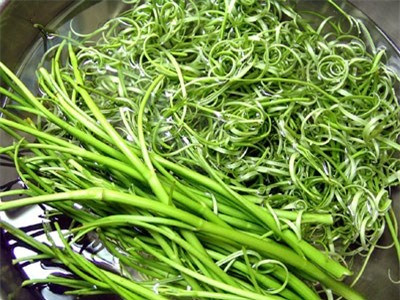 |
| Water spinach is a common food in the daily meals of every family, especially in the summer. |
Do not eat raw water spinach.
We should not eat raw water spinach or eat it when it is not thoroughly cooked because it can cause bloating, allergies, or stomach pain. This is because water spinach contains a type of large intestinal fluke parasite called Fasciolopsis buski, which is abundant in aquatic plants, including water spinach.
When Fasciolopsis buski eggs enter the human body, they hatch and develop, causing mild abdominal pain and symptoms such as diarrhea, allergies, or even chronic diseases of the gallbladder, liver rupture, cirrhosis, liver failure, etc. Therefore, it is best to prevent infection by not eating raw water spinach.
Furthermore, because water spinach is easy to grow, suitable for all seasons, and popular with many people, nowadays, farmers disregard the risks and use growth stimulants and pesticides, harvest the vegetables prematurely and sell them on the market, and grow water spinach in ponds, lakes, and rivers... where the water is polluted, making it very dirty and potentially containing many types of worms, parasites, and other pathogens.
If you eat raw water spinach, these parasites will enter the body, attach themselves to the intestines, penetrate the intestinal wall, enter the bloodstream, and the blood will carry them to all parts of the body... After a while, the eggs will hatch into worms and parasites that reside there and harm the body. In fact, many cases of serious illnesses caused by parasitic worm infections through food have been recorded.
Those who have keloid scars
Water spinach is a popular vegetable because it's easy to eat, easy to prepare in many dishes, has a sweet taste, is cooling, detoxifying, promotes skin regeneration, and is a laxative and diuretic. However, water spinach is a food that should be avoided by those with skin wounds because it stimulates cell proliferation, leading to keloid scarring.
Water spinach is incompatible with milk.
Products like cow's milk, yogurt, and cheese are rich in calcium, while water spinach contains certain chemicals that can interfere with calcium absorption. Therefore, consuming these foods together will not provide the highest nutritional value for the body.
Who should not eat water spinach?
According to folk wisdom, people with joint pain, gout, urinary tract infections, kidney stones, and high blood pressure should avoid eating water spinach; it should also be avoided while undergoing any medical or surgical treatment. Conversely, for patients with simple osteoporosis and low blood pressure (90/60 mmHg), eating water spinach is still beneficial due to its high calcium content.
According to folk wisdom, people with joint pain, gout, urinary tract infections due to kidney stones, and high blood pressure should avoid eating water spinach. Therefore, if anyone in your family suffers from these conditions, you should also limit their consumption.
According to the Plant Protection Department of the Ministry of Agriculture and Rural Development, water spinach is the leading leafy vegetable with a high risk of food poisoning, containing many growth stimulants and pesticides. Consuming vegetables with pesticide residues exceeding permissible levels can lead to chronic poisoning, weakened immune systems, and even affect the nervous system.
How to choose delicious vegetables
When buying water spinach, you should avoid buying bunches with stems that are thicker than normal.
Additionally, avoid choosing vegetables that are excessively crisp when fresh, have dark green leaves, and appear very shiny and smooth from a distance, as these vegetables may have been grown with excessive amounts of nitrogen or foliar fertilizers. When boiled, the hot water will be light green, but it will turn dark green and have black sediment when cooled.
In particular, when washing water spinach, if you see too many bubbles, you shouldn't use it because there's a risk that the spinach has been contaminated with dishwashing chemicals.
To ensure good health and maintain the benefits of vegetables in family meals, we need to ensure hygiene by washing each leaf thoroughly, soaking them in diluted salt water, or ideally, washing them, draining them, and storing them in a bag in the refrigerator for a few days before eating. This way, any pesticide residue will be partially broken down.
According to AloBacsi.vn


