
These "pillars of strength" keep the flame of folk music alive.
To preserve folk songs and melodies amidst the hustle and bustle of modern life, the elderly play a significant role. In many rural villages, it is the elderly men and women with graying hair who are the most persistent and silent in keeping the flame alive and passing on the heritage of their ancestors.
Deeply attached to the songs of my homeland.
At 79 years old, Mr. Cao Xuan Thuong (from Dien Chau commune) is still deeply engrossed in his manuscripts. Originally a poet in the Provincial Literature and Arts Association, after retiring in 2003, he began his involvement with the local folk song club. To date, he has spent over 23 years advising, directing artistic activities, and composing new lyrics for the movement.
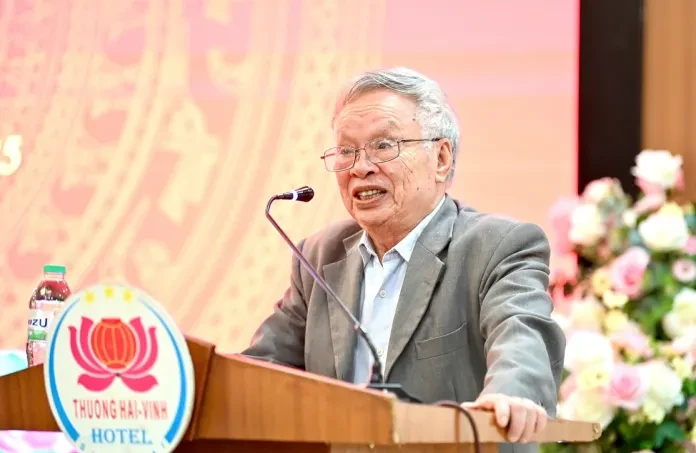
Unlike writing poetry, composing scripts and lyrics for folk songs like "ví" and "giặm" requires the author to have a very firm grasp of the ancient melodies. Mr. Thưởng said: "Many poets write very beautiful lyrics, but people can't sing them because they don't understand the rules of the melodies. You have to know when to use the 'khuyên' melody, when to sing 'tứ hoa', 'đồng xuân', or 'réo'... Once you understand the rules and combine them with your literary knowledge, the song will have depth and touch people's hearts."
For over two decades, Mr. Thuong has written hundreds of short plays, skits, and dialogues for communes, districts, and clans in the area. His works are not only rich in poetic quality but also witty, bringing gentle yet profound laughter.
While Mr. Thuong is deeply devoted to every word, Mrs. Nguyen Thi Thuan (68 years old, from Quan Thanh commune) has chosen to dedicate her entire life to the local theater, despite her difficult circumstances. Even as old age approaches, despite health problems and constant illnesses, the sound of music and singing makes her forget all her fatigue.
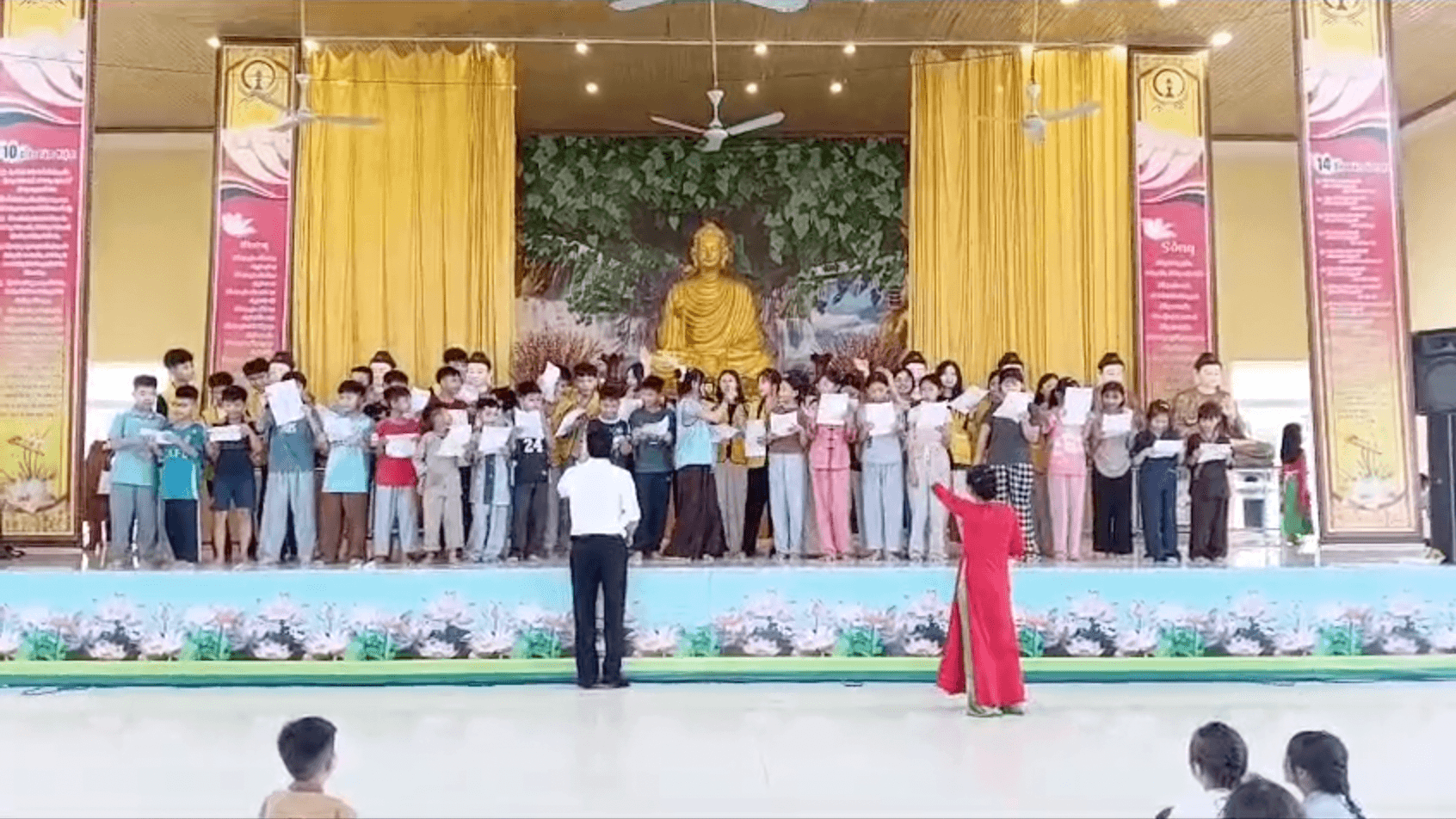
In October 2025, after the merger, when Quan Thanh commune established the Folk Song Club, Ms. Thuan was one of the most enthusiastic supporters. Knowing that the newly established movement faced numerous difficulties, she voluntarily contributed money from her own pocket – savings carefully accumulated from the support of her children – to the initial fund. She shared: “I don’t have a pension, but luckily all four of my sons have stable lives, so I took the lead in supporting it to encourage my brothers and sisters and the community to join hands and contribute. With the fund, the club will have the resources to operate.”
Besides performing, Ms. Thuan also proactively contacts schools, temples, and churches to teach singing for free to young children. Sometimes she guides over 500 students in singing during summer retreats. Ms. Thuan said: “I’m old now, so I’m giving the stage to the energetic younger generation. I just hope to be someone behind the scenes, passing on what I know so that the children will love the songs of our homeland; that would make me very happy.”
Driven by a desire to create a warm and welcoming space for the community, Ms. Hoang Thi Lien (62 years old) established the Tam Hop Commune's Intergenerational Folk Song Club. Having previously worked as a business manager, after retiring and entering her twilight years, she was concerned about the lack of a healthy recreational space for many elderly people in the area. With the advice and encouragement of artists from the Provincial Traditional Arts Center, Ms. Lien proactively mobilized the community, developed regulations, and laid the foundation for the establishment of the Tam Hop Commune's Intergenerational Folk Song Club.
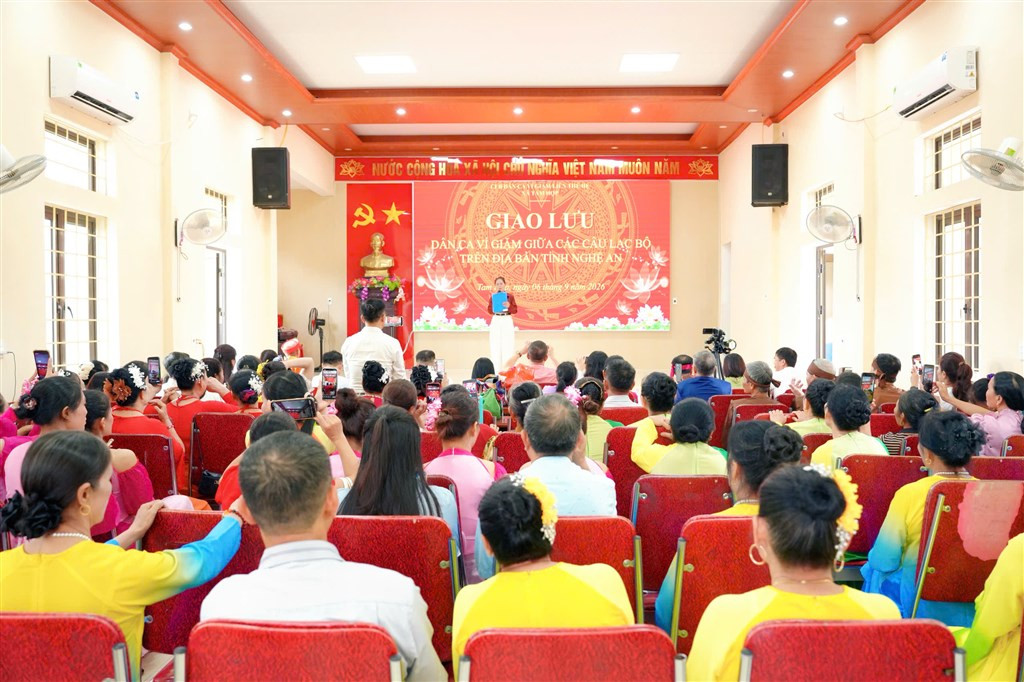
Shortly after its establishment in October 2025, the club, under her leadership, attracted nearly 90 members, with elderly people making up more than half. As the club's chairperson, Ms. Lien not only oversaw the regular Sunday training sessions but also directly connected with villages in the commune to bring folk song performances to entertain the community during festivals and cultural exchanges. Notably, the club also successfully organized a cultural exchange program.folk songs of the Ví and Giặm genres.The event, held on a province-wide scale and bringing together nearly 15 participating clubs, was recognized and highly appreciated by the Department of Culture, Sports and Tourism.
The positive changes in mental and physical health are also a common feeling among those involved. Ms. Truong Thi Sam (77 years old) - the oldest member in Tam Hop - shared: “Since joining the club, every Sunday, meeting the other members and singing makes me feel energized, and my illnesses seem to disappear. In addition, the members, especially the club leader, have supported my family a lot. It's fortunate that at this age, we have such a community to live happily and healthily.”
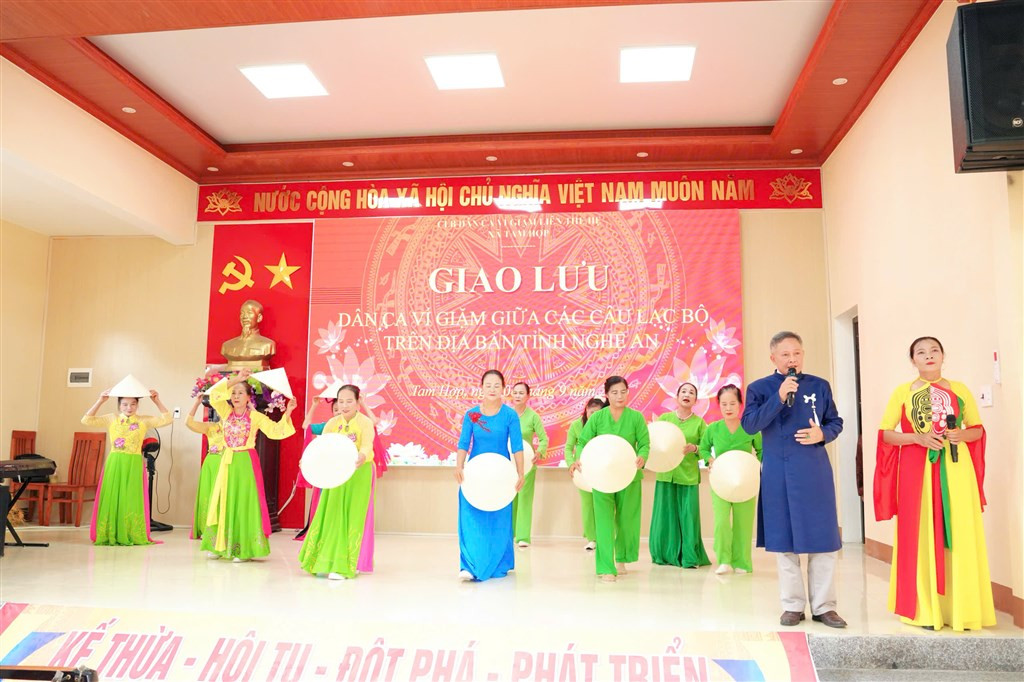
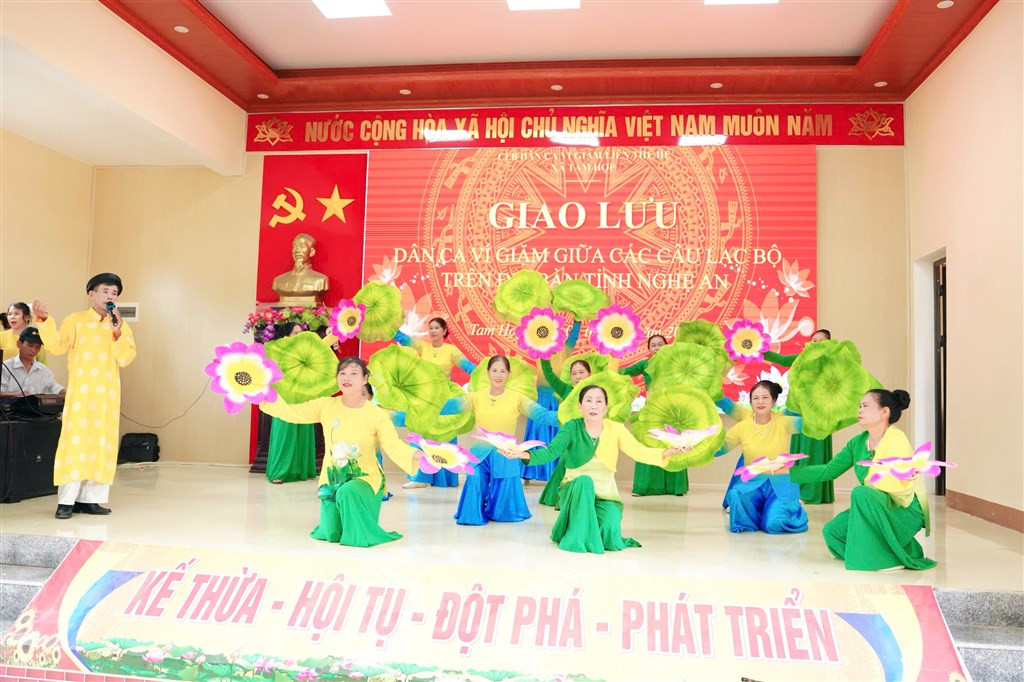
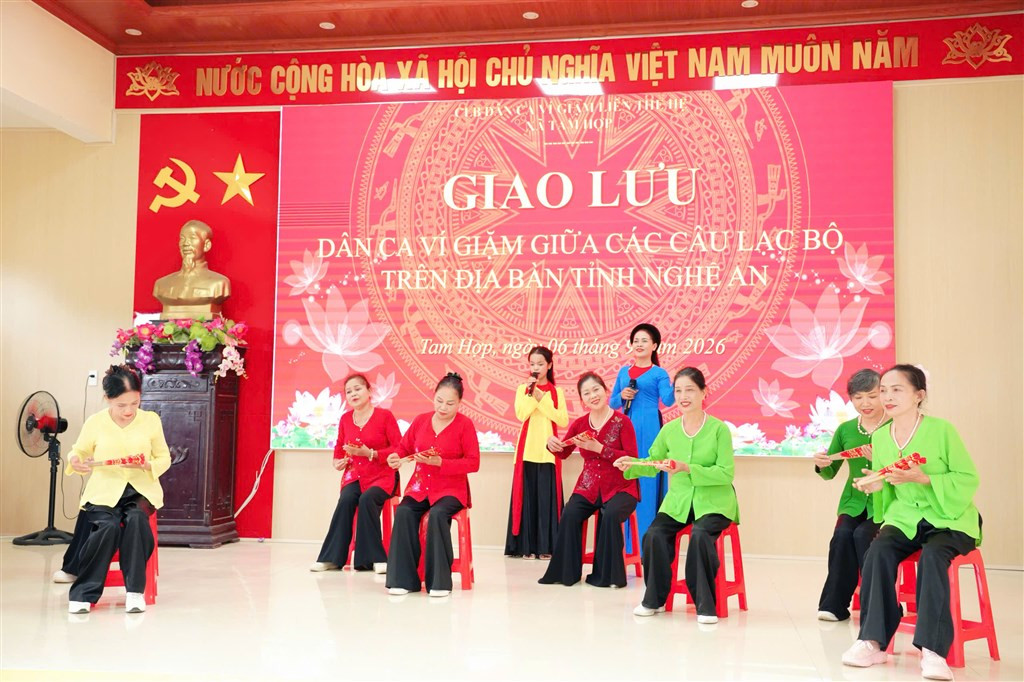
To ensure the club's long-term vitality, Ms. Lien also harbors a plan to establish a specialized group where elderly members can directly teach traditional melodies to the younger generation of teenagers and students.
The long-term relay challenge
The enthusiasm of the elderly is immense, but to sustain the movement within the village, each member needs a solid foundation from their family and the support of society.
At the Tam Hop Commune Intergenerational Folk Song Club, without any funding from the government budget, all activities, from renting costumes and props to organizing large and small events, rely on the collective efforts of members and their descendants. Ms. Luong Thi Thu Quy, Ms. Lien's daughter, shared: “Seeing my mother busy with the club even after retirement, we were initially worried about her health. But since the club started, we've seen her happier, more active, and always in high spirits, so the whole family has switched to wholeheartedly supporting it. Having such a healthy and enjoyable old age for our parents in the countryside is what makes us happiest, so we contribute as much as we can.”
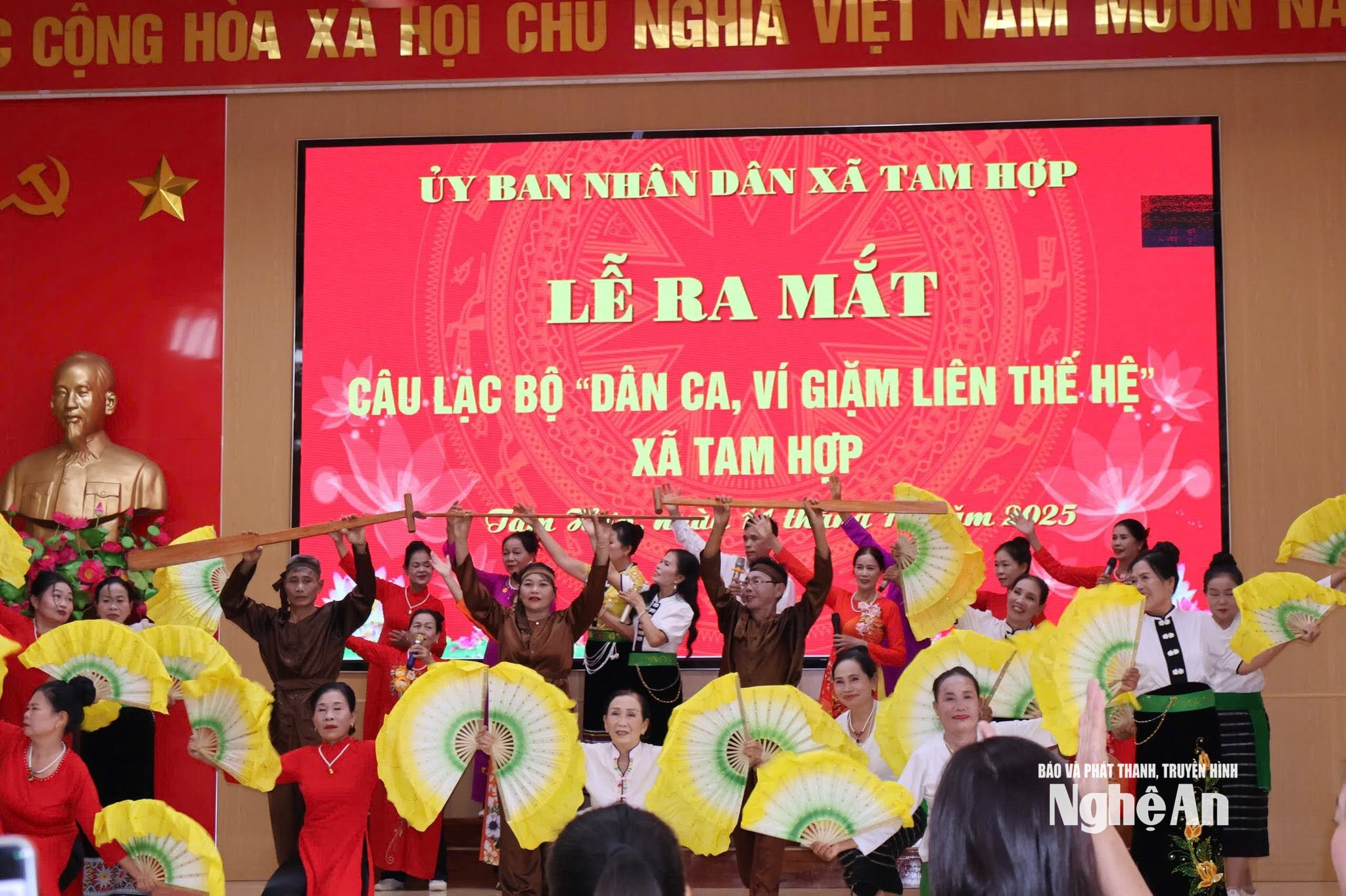
However, the folk music movement at the grassroots level still faces significant obstacles, especially in attracting and retaining the next generation. Besides promptly recognizing the contributions of key members, Mr. Nguyen Van Thuong frankly acknowledges: “To keep members engaged and nurture their passion, we must first ensure they don't suffer any disadvantages. Initially, when their love isn't strong enough, clubs or local authorities must provide support and financial assistance for training and travel. Once the songs have become deeply ingrained in their blood and souls, they will naturally become passionate and dedicated without demanding anything in return.” That is also why Mr. Thuong regularly mobilizes social resources and calls for support for the club's activities.
Besides the issue of funding, Mr. Thuong also suggested that the cultural sector open short-term training courses on traditional melodies for amateur writers and artists. He argued that only when grassroots writers master the rules and forms of the Ví and Giặm folk melodies will their scripts truly reflect real life while preserving the original essence of the heritage.
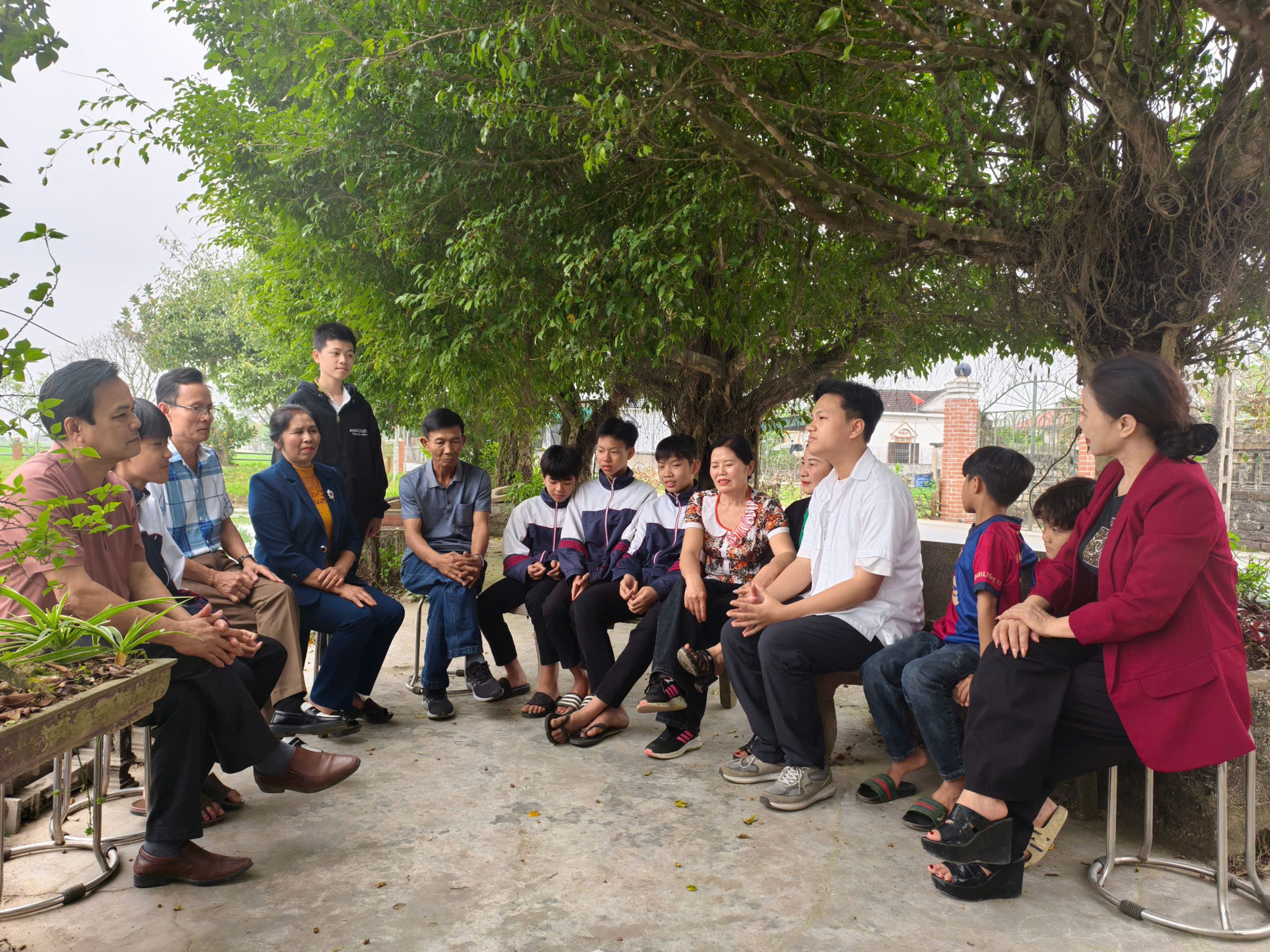
Assessing the role ofelderlyRegarding conservation efforts, Mr. Tran Quoc Chung, Director of the Provincial Traditional Arts Center, affirmed: “Elderly people are the core elements, the particularly important bridge to preserve and transmit folk songs at the grassroots level. Most clubs maintain their regular activities and gather members thanks to the prestige, exemplary conduct, and dedication of those who came before. They not only perform directly but also act as silent teachers, passing on their knowledge to the next generation. In the future, the center will continue to cooperate with localities to open more training courses on skills and professional development, while also advising on more practical support mechanisms to help grassroots clubs maintain their long-term activities.”