
These education policies will take effect from May 2025.
The education policy, effective from May 2025, relates to university admissions, policies for ethnic minority and mountainous region students, and collaborative training programs.
Regulations for university and college admissions in Early Childhood Education.
The Minister of Education and Training issued Circular 06/2025/TT-BGDĐT amending and supplementing a number of articles of the Regulations on university and college admissions for the Early Childhood Education ngành issued together with Circular 08/2022/TT-BGDĐT dated June 6, 2022. This Circular takes effect from May 5, 2025.
Circular 06 includes the following notable adjustments:
According to the new regulations, early admissions will no longer be considered. The new regulations also stipulate that when using high school academic results for admissions, only the student's academic results for the entire 12th grade year must be used. Furthermore, to ensure that the contribution of the 12th grade year's academic results to the admission score is not too low, the regulations stipulate that the weighting of the 12th grade year's results in the admission score must not be less than 25%.
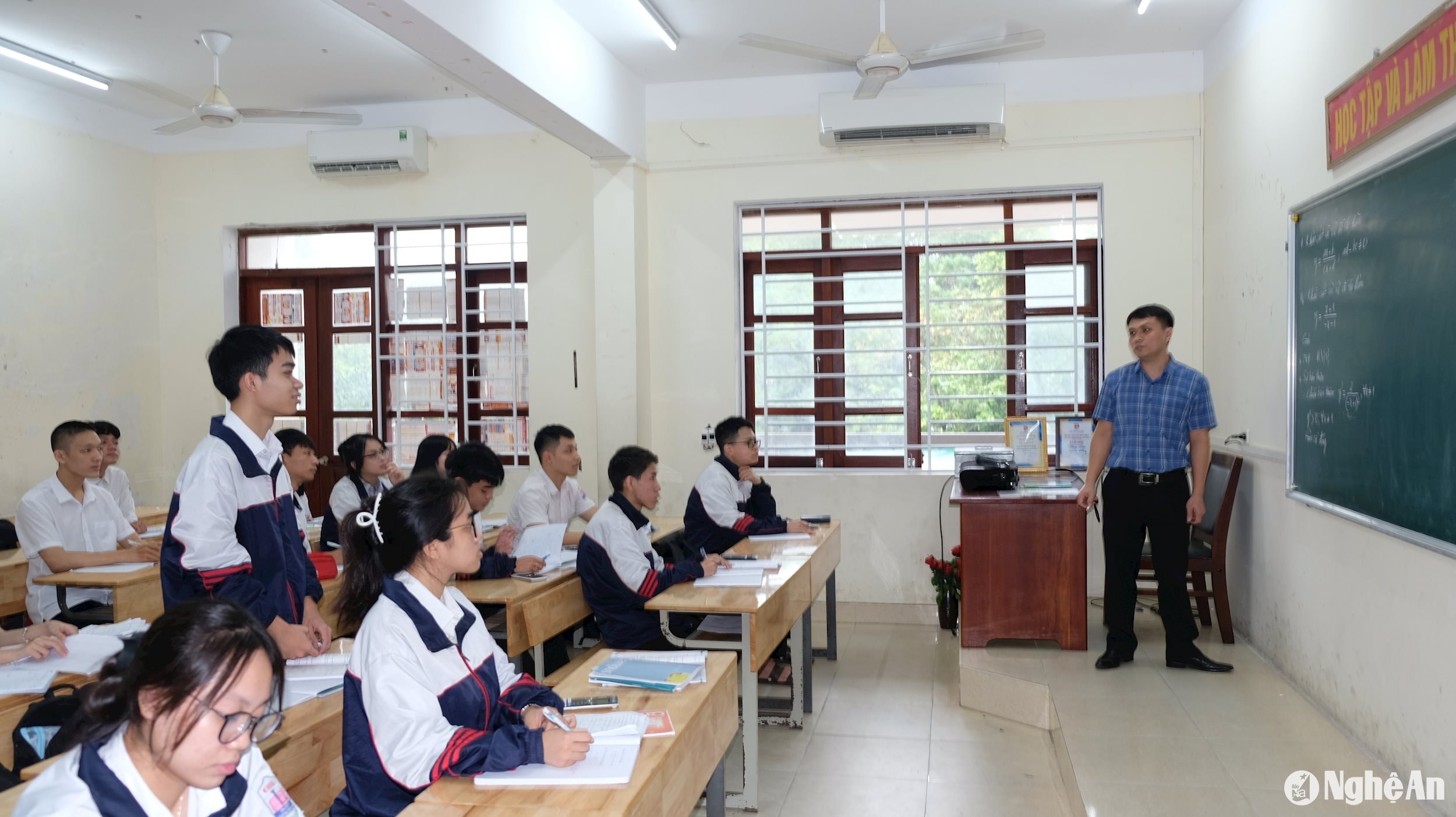
The new regulations stipulate that educational institutions using multiple admission methods must determine the rules for converting equivalent entrance thresholds and admission scores for each admission method, selection method, and combination of subjects according to the general guidelines of the Ministry of Education and Training.
In addition, to ensure that candidates have complete information during the application process, the regulations stipulate that the equivalent conversion rules must be publicly announced no later than the time of announcing the minimum quality assurance threshold for admission.
Candidates do not need to select a method code, combination code, etc.; they only need to clearly identify the program, major, group of majors, and training institution they wish to attend in order to decide on registration. The Ministry of Education and Training's general admissions support system will use the method with the highest score achieved by the candidate for admission consideration.
To ensure equal admission opportunities for students from different regions, the regulations remove the requirement for specific training programs; each major and each program has a maximum of 4 admission combinations; there is no limit on the number of admission combinations.
However, to ensure the quality and necessary knowledge foundation for university studies, the regulations stipulate that the subject combination used for admission must include at least 3 suitable subjects, of which Mathematics or Literature must have a weighting of at least 25% in the admission score. From 2026 onwards, the common subjects in the subject combinations must contribute at least 50% of the total admission score.
Another new point is that the regulations stipulate that schools can convert foreign language certificates into foreign language scores to be included in the subject combinations for admission consideration, but the foreign language score converted from these certificates with a weighting factor for the admission score cannot exceed 50%.
The new regulations also set a limit on the total bonus points, not exceeding 10% of the maximum score on the admission scale (for example, on a 30-point scale, the maximum is 3 points) to create a fairer opportunity in the admission process. However, training institutions will still award bonus points based on the specific characteristics of the institution, its entrance requirements, and by maximizing the individual strengths of each candidate.
Each candidate has the opportunity to achieve the maximum score on the scoring scale, but no candidate's total score (including all bonus points and priority points) can exceed this maximum score.
Regulations on joint training programs between Vietnamese and foreign higher education institutions.
The Minister of Education and Training issued Circular 07/2025/TT-BGDĐT regulating the joint training programs between Vietnamese and foreign higher education institutions at the undergraduate, master's, and doctoral levels.
This Circular takes effect from May 5, 2025 and replaces Circular 38/2020/TT-BGDĐT dated October 6, 2020 of the Ministry of Education and Training.
Some new points in Circular 07 relate to the scope of application, training methods, foreign language requirements, program transfer, teaching and the ratio of foreign lecturers, and protection of learners' rights.
Specifically, the scope of application includes updating regulations on joint training programs between Vietnamese and foreign higher education institutions, clarifying the scope and level of training.
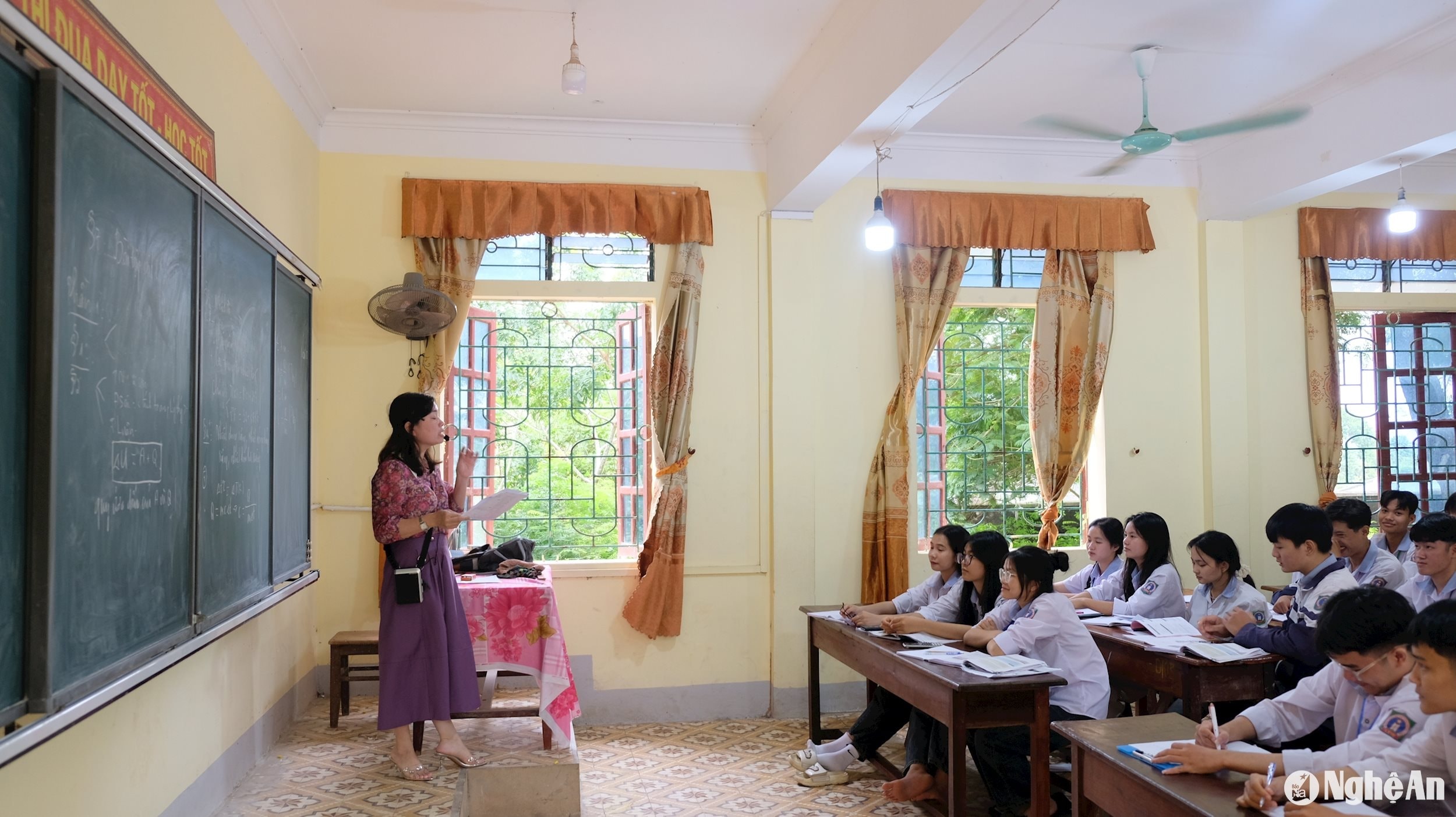
Training format: Improve the proportion of online training in joint training programs (maximum 50% for blended online and offline programs).
Language requirements: Provide detailed requirements for valid language certificates, helping to make the admissions process more transparent.
Program Transfer: Clarifying regulations regarding program transfers and the recognition of up to 50% of credits.
Teaching and proportion of foreign lecturers: The circular requires foreign lecturers to lead at least 25% of the total program workload.
The circular also provides clear regulations on protecting rights when training programs are interrupted or terminated prematurely.
Policies for children and students in ethnic minority and mountainous regions.
The government has issued Decree 66/2025/ND-CP stipulating policies for preschool children, students, and trainees in ethnic minority and mountainous areas, coastal and island regions, and educational institutions with preschool children and students benefiting from these policies. The Decree takes effect on May 1, 2025.
Decree 66 expands the scope of support, adding more groups of students eligible for assistance, applicable to children in nurseries, boarding students, and day students at preschool, primary, secondary, and continuing education institutions.
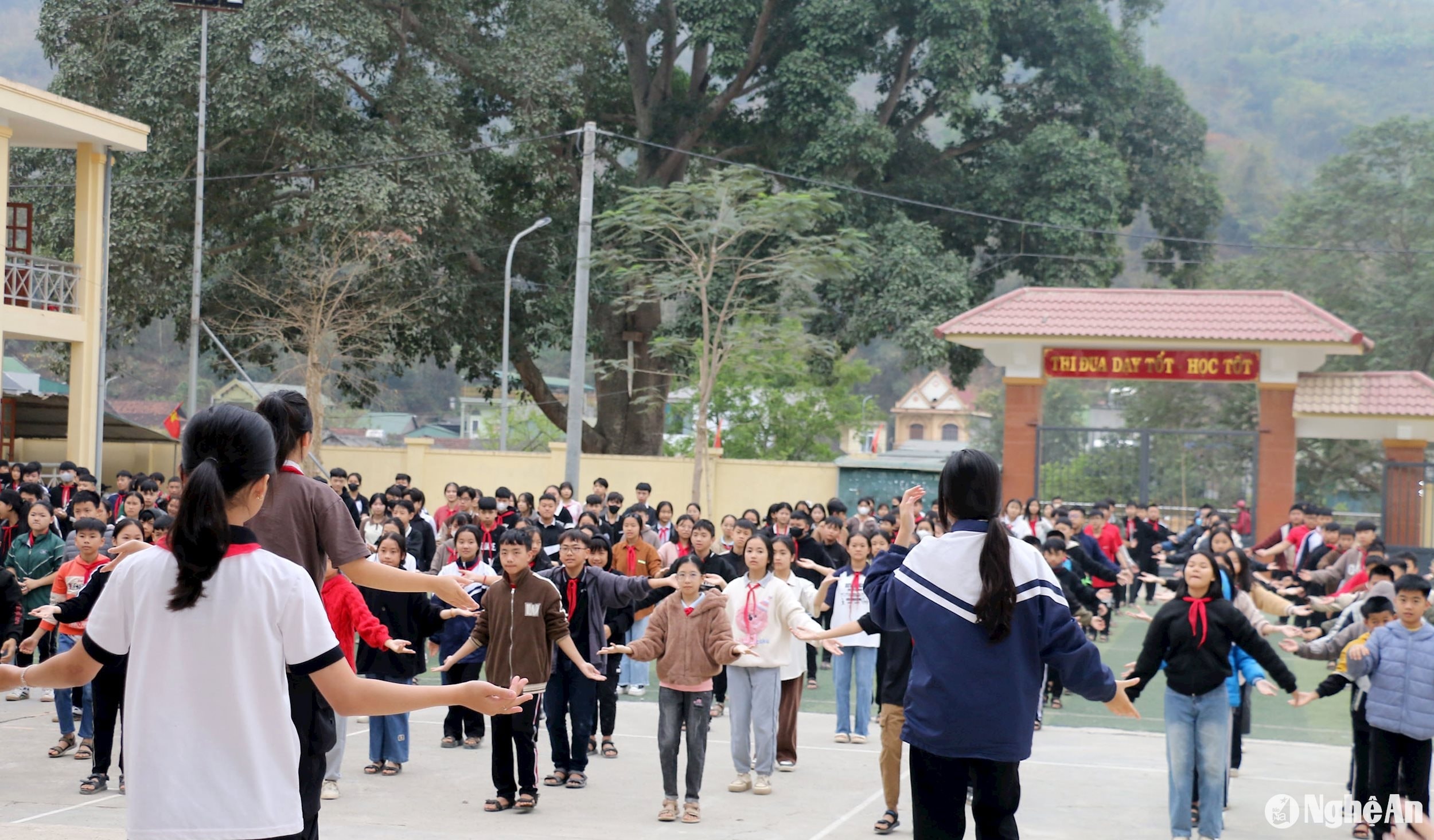
Educational institutions that provide centralized accommodation and meals or undertake the task of educating ethnic minority students in boarding schools are also eligible for this policy.
Regarding support levels, boarding students and trainees receive a meal allowance of up to 936,000 VND/month, an increase compared to previous policies. Housing allowance for students who arrange their own accommodation is 360,000 VND/month, applicable for 9 months/academic year.
First-grade boarding students from ethnic minority groups who have studied Vietnamese before starting the first-grade program are entitled to an additional month of the aforementioned benefits. Higher subsidies will ensure better learning and living conditions for these students.
Decree 66/2025/ND-CP allows ethnic boarding schools and ethnic preparatory universities flexibility in using support funds, in accordance with the actual conditions of each locality.
The decree also clearly specifies the funding source from the state budget, while encouraging the participation of organizations, individuals, and businesses to mobilize additional social resources for education.


