
Signs that require immediate medical attention for your child.
When children show signs such as not eating or breastfeeding, vomiting, etc., parents need to know that the child may be seriously ill, even very seriously ill.
The best course of action is to quickly take the child to the nearest medical facility for examination and timely treatment. Absolutely do not keep the child at home for further monitoring or self-medicate. "Many parents notice their child's symptoms but are complacent, keeping the child at home or taking them to the doctor too late, leading to a more severe and difficult-to-treat condition," warned Dr. Pham Mai Dang, Deputy Head of the General Planning Department at Children's Hospital 2.
• Acute projectile vomiting:It occurs immediately after eating or some time after eating. The severity of vomiting can be determined by the highest number of times within a specific period, or by factors that trigger vomiting such as after eating rice, porridge, milk, water, or even vomiting without eating or drinking anything... This is a sign of both medical and surgical conditions. In medical cases, projectile vomiting may be a sign of a condition...digestive disordersEarly diagnosis is crucial for appropriate care and immediate intervention to prevent dehydration, electrolyte imbalance, exhaustion, or hypoglycemia. In this case, the child may experience prolonged vomiting for one to two days, up to a maximum of three days.
In surgical cases, acute vomiting can be an initial symptom of intussusception. Early examination and diagnosis are crucial to prevent necrosis and infection of the intestinal loops. Projectile vomiting can also be a sign of a previous injury (such as a fall, head injury, bone lodged in the throat, or a foreign body in the digestive tract) that parents may be unaware of. This could indicate a hematoma in the brain, brain injury, or cerebral hemorrhage. Often, this is accompanied by pale skin and pale extremities.
•ConvulsionThere are two possible scenarios: seizures in children accompanied by fever, or seizures alone. Common manifestations of seizures include: limbs twitching in a rigid or stiffened state, biting the lips, teeth grinding and unable to open, eyes rolling back or closing tightly, and unresponsiveness to painful stimuli.
Seizures accompanied by fever may be a symptom of central nervous system infections such as encephalitis or meningitis. If the seizure lasts a long time, it can cause cardiac arrest and respiratory arrest due to prolonged oxygen deprivation to the brain. During a seizure, children are also at risk of physical injury because they are more prone to falls or collisions with hard objects.
Seizures without fever can be a symptom of epilepsy, brain tumors, and other conditions.cerebral hemorrhageThis could be due to ruptured cerebral vascular malformations; or metabolic disorders such as hypoglycemia, hypocalcemia, hypomagnesemia, etc. A characteristic feature is that seizures recur frequently, with seizures becoming more frequent and longer, even the first seizure lasting longer compared to seizures accompanied by fever.
The principle of managing a child's seizure at home is to ensure a clear airway and avoid injury caused by the seizure. The general initial treatment for a child having a seizure is to place a hard object, wrapped in a soft cloth, between the child's teeth to prevent them from biting their tongue. Parents should not panic and should avoid having too many people around, as this will only make it harder for the child to breathe. Keep the child in a well-ventilated area, avoid respiratory obstruction, wipe away any mucus, and quickly take the child to the nearest medical facility. Absolutely do not squeeze lemon juice into the child's mouth; this is very dangerous as it can cause immediate respiratory and cardiac arrest, and death.
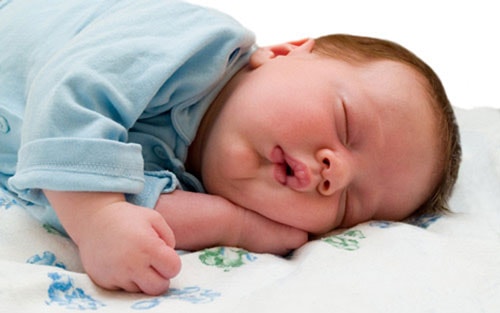
• Excessive sleepiness:This is a sleep pattern that differs significantly from a child's usual sleep. When stimulated or woken up, the child reacts by opening their eyes, crying out, and struggling, but then continues to sleep. The cause may be a disturbance in consciousness, neurological disorders, or systemic illnesses that cause fatigue (such as viral infections). If the lethargy is due to neurological damage (direct or indirect), the condition will worsen and may lead to coma; if it is due to fatigue from a common illness, the prognosis will be more favorable.
•Diarrhea:Obesity is particularly dangerous for obese children because it is difficult to assess the amount of fluid lost and calculate the amount of fluid to replace. This is because excess fat can account for 20-30%, or even 50-60%, of body weight, masking signs of dehydration (wrinkled skin, skin pinch marks, sunken eyes, weight changes), making it difficult for parents and medical staff to detect. Furthermore, the excess fat puts pressure on blood vessels, hindering blood circulation, making it difficult to establish IV lines during emergencies, and slowing the response to intensive treatment.
Diarrhea with dehydration exceeding 5% of body weight requires hospitalization. This is especially true when children vomit frequently, are unable to drink, or when fluid replacement is ineffective due to a higher rate of stool excretion than oral rehydration. The causes of diarrhea are mostly viral; bacterial; side effects of medications; other infectious diseases; or food allergies, medications, chemotherapy, radiation therapy, surgical conditions… Regardless of the cause, the most important principle is to prevent dehydration. Dehydration during diarrhea is the leading cause of death. The most effective method of prevention and treatment is oral rehydration with electrolyte solutions. The dosage depends on the severity of vomiting or diarrhea; it's crucial not to wait until signs of dehydration appear before administering fluids.
According to Women of Ho Chi Minh City - NT


