
Warning signs about children's health should not be ignored.
Some health symptoms in children are nothing to worry about, but others can signal more serious problems.
 |
Lack of responsiveness to loud noises.
Infants and young children can't tell us if they have hearing problems. If you notice your child isn't affected by or doesn't respond to loud noises, have them checked for hearing loss.
Hearing loss
Today, the prevalence of audio devices, video games, television, and the noise from busy streets can put children's hearing at risk. According to the U.S. Centers for Disease Control and Prevention (CDC), approximately 12.5% of children aged 6-19 suffer permanent hearing damage from exposure to loud noise. Therefore, when children use headphones, remind them to keep the volume below 50%.
Difficulty concentrating
Young children can't tell their parents they have blurry vision. But parents have several ways to recognize it. If your child seems unable to focus on anything or takes a long time to reach for your hand or face, tell your doctor. For school-aged children, if they squint, have difficulty reading, sit very close to the TV, or constantly rub their eyes, consider the possibility of a vision problem.
High fever and severe headache.
Children usually get fevers from viruses or mild bacterial infections. This is nothing to worry about. But if a child has a high fever, appears to have a severe headache, and has difficulty opening their eyes for an extended period, it could be a sign of meningitis. Take the child to the hospital immediately.
Stomach-ache
Occasionally, children experience stomach pain when trying new foods. If the child experiences severe pain, cries while clutching their stomach, feels pain upon touch, and may also have vomiting and diarrhea, they may be at risk of acute appendicitis.
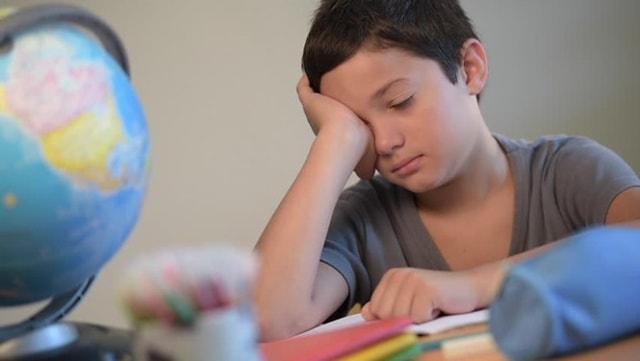
I'm very tired.
When children show signs of extreme fatigue, seemingly lacking the energy to do anything (excluding cases of studying requiring them to stay up late), this is a cause for concern. If fatigue persists, it could be related to issues such as anemia, malabsorption disorders, headaches, or depression. At this point, parents need to be close to their children to understand any psychological, social, or school-related conflicts and help resolve them.
Respiratory problems
Along with environmental pollution, the number of children with asthma is increasing. Symptoms of asthma include difficulty breathing during exercise or play, shortness of breath, and respiratory infections that are slow to heal.
Weight loss
If a child's weight changes only slightly, it's usually nothing to worry about, but if you notice a significant and unexplained weight loss, you should see a doctor to find the specific cause.
Frequently thirsty
It's not just adults who get diabetes; children also have a relatively high risk. If you notice an unusually increased thirst in your child, along with frequent urination, increased appetite, and weight loss, they may have type 1 diabetes.
According to TNO
| RELATED NEWS |
|---|


