
Things you never knew about the 'jungle' camp of Calais.
(Baonghean.vn) - The lives of thousands of migrants at the camp.New JungleChaos descended once again when French authorities began clearing out the refugee camp on October 24th.
"Wild" camp
The New Jungle refugee camp is a settlement for migrants in the port city of Calais. It serves as a refuge for those wishing to cross the 50km Channel Tunnel from France to England.
French police, along with British border officers and barriers, were erected to prevent migration to Dover. In addition, clashes between refugees and local authorities were frequent.
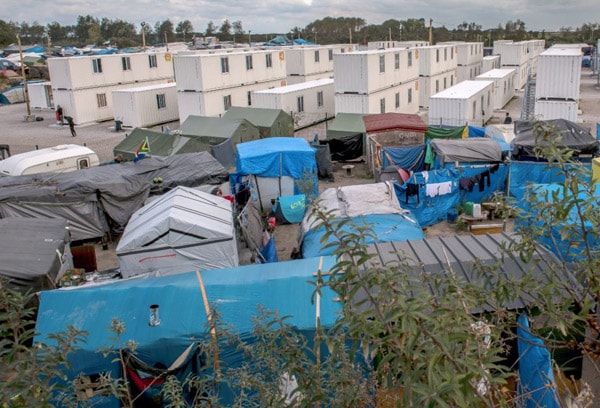 |
| The New Jungle camp in Calais, October 2016. Photo: Getty Images |
Dangerous journey
Many migrants risk their lives by stowing away on trucks or Channel Tunnel trains.
In 2015, the Eurotunnel operator intercepted 37,000 illegal migrants attempting to reach the UK. According to the International Organization for Migration, 31 people died en route, many of them teenagers.
Population is always changing.
Not considered a refugee camp under international law, New Jungle exists in an unclear jurisdiction, lacking infrastructure and jurisdiction, with a constant flow of people coming and going, making accurate census difficult.
However, earlier this week, the French government estimated that between 5,684 and 6,486 people lived in the camp. In addition, according to charities, the camp's population reached nearly 10,000.
War, famine, and violence drive migrants to Calais.
The majority of people living in Jungle come from countries experiencing war or political turmoil, such as Afghanistan, Eritrea, Sudan, Iraq, Syria, Somalia, and other parts of Africa.
The majority of the population in Calais is men, with women making up about 10-15% and usually living in separate areas. The people in the camp are divided into four groups: adults, adolescents, families, and vulnerable people (pregnant women, the sick, and the disabled).
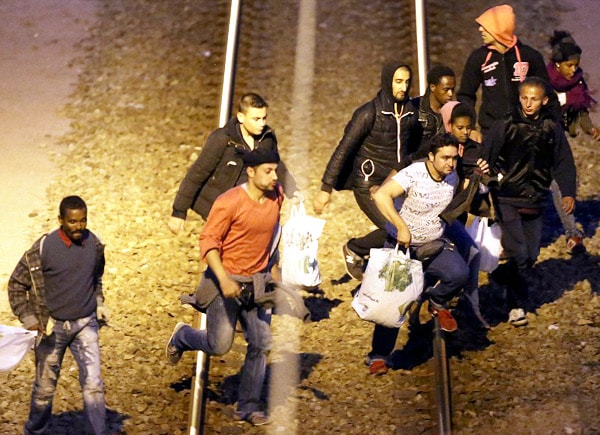 |
| Migrants in Calais on the railway tracks heading towards the Eurotunnel. (Getty Image) |
Unaccompanied children are a growing concern.
According to the French aid organization Terre D'Asile, 1,291 minors are currently in the camp. Some are victims of human trafficking and sexual abuse. Malnutrition and disease are common at the New Jungle camp.
Earlier on October 21, the UK began accepting a small number of children who "eligible" under European Union and UK law.
In March 2016, the British government announced it would allow 3,000 unaccompanied refugee children to enter the country. However, to date, only 80 have been accepted.
This isn't the first time New Jungle has been taken down.
In 2001, the camp was closed for the first time, triggering a cycle of destruction and rebuilding between immigrants and authorities.
In March 2016, the southern half of the camp was demolished. But by August 2016, the camp's population had increased by 53% in just two months.
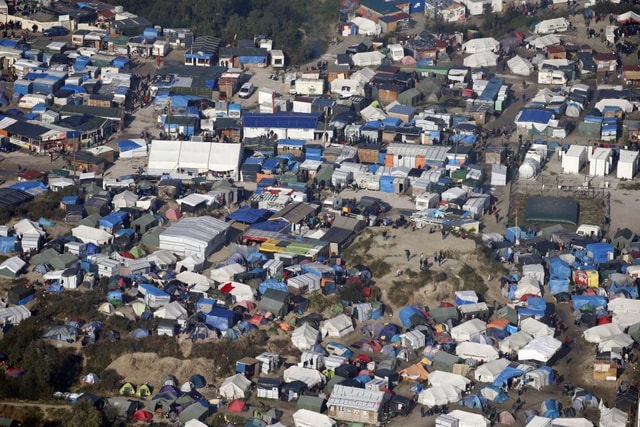 |
| An aerial photograph shows hundreds of makeshift tents crammed together at the Jungle camp. (Photo: Reuters) |
Reasons for the recent demolition
Because it was an unofficial camp, the "jungle" camp did not qualify for international assistance, resulting in the French government being unable to control environmental sanitation and security there.
Furthermore, the closures occurred at a time when the immigration crisis, fears of terrorism, and the spread of anti-migration movements in Europe were surging.
The French Interior Ministry said the plan to dismantle the camp will be completed by December.
Will another New Jungle emerge?
French authorities said immigrants and refugees would be given two options: apply for asylum in France and be relocated to a new place in France, or return to their home country.
However, some charities working in the camps argue that this solution is not feasible for those with strong reasons who still want to settle in the UK.
Thanh Hien
(According to CNN)
| RELATED NEWS |
|---|


