(Baonghean.vn) - Talking about the subsidy period means talking about ration coupons, distribution, and queuing. That era has faded into the past, but the impressions of this period will surely remain in the minds of many people.When people think of the subsidy period, they often associate it with hunger and hardship. Some want to forget that past, while others want to remember those difficult times as fond memories. The following are images from the subsidy period that no one can forget – a time of hardship that has passed.
 |
| A typical apartment of a wealthy family during the subsidy period. |
 |
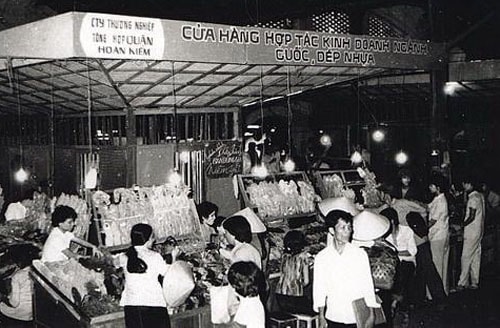
| A scene of buying and selling at a state-owned trade stall. |
 |
| Radio was a luxury item back then. |
 |
| A former household goods stall. |
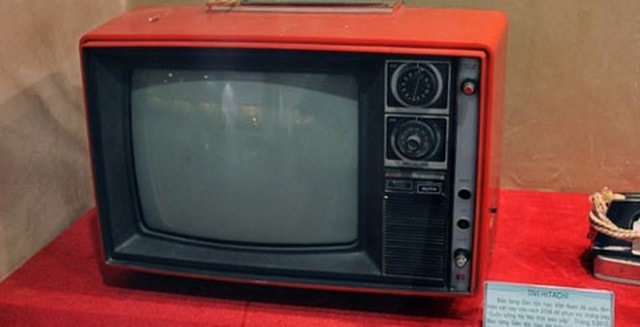 |
| These items are now considered extremely outdated, but during the subsidy period, only the wealthiest families could afford them. |
 |
| The oil lamp was closely associated with the lives of people during the subsidy period. |
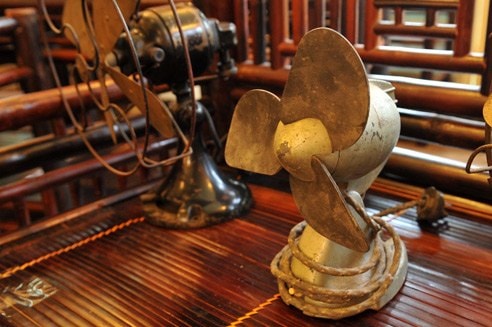 |
| During the subsidy period, buying a small electric fan was very difficult. Fans were distributed to government offices, and employees drew lots to win one. Those who were lucky would get to take home this rare item. |
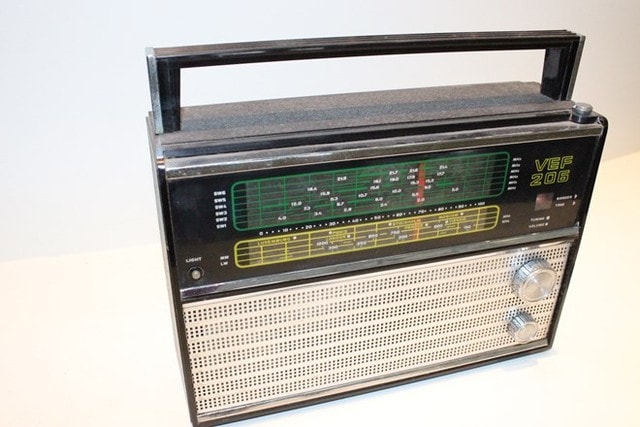 |
| Before 1985, owning a VEF 206 radio was considered lucky. Families in rural areas might even have to sell their entire herd of pigs just to afford one of these Soviet-made radios. |
 |
| A shop that refills ballpoint pens. During the subsidy period, ballpoint pens were reused many times by refilling them with ink. Many families made a living by refilling ballpoint pens. |
 |
| The pigs were kept in a separate corner of the apartment in the housing complex. |
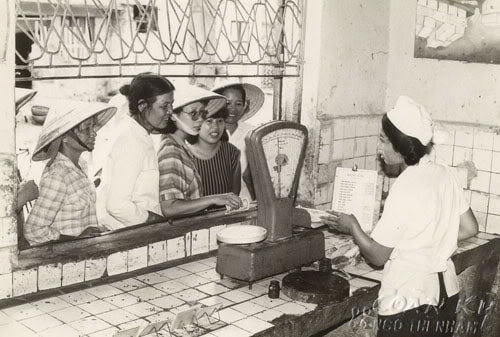 |
| A butcher shop from the subsidy era. |
 |
| Meat ration coupons during the subsidy era. |
 |
| A scene of people queuing to buy fuel during the subsidy era. |
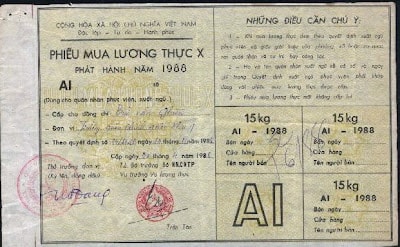 |
| Food stamps could be exchanged for food items such as rice, cassava, corn, potatoes, and wheat grains in equivalent weights as indicated on the stamp. |
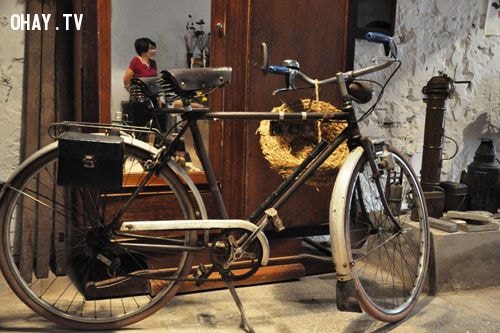 |
| Thong Nhat bicycles used to be a popular mode of transportation for Vietnamese people. |
 |
| You can purchase bicycle parts with this voucher. |
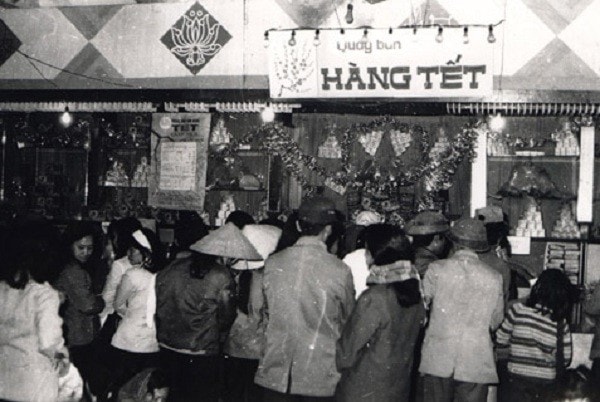 |
| During the subsidy period, Tet shopping relied mainly on state-owned stores. These stores were decorated with banners, posters, and other decorations to create a festive atmosphere. |
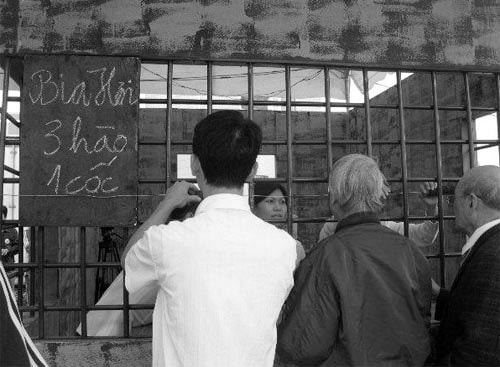 |
| Despite the hardships of life, we still have fun with friends over a few beers. |
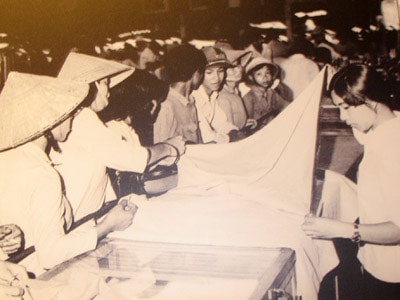 |
| The fabric stall was crowded with women browsing and buying. |
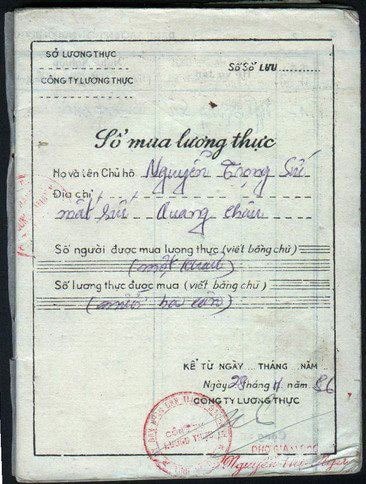 |
| The ration book, also known as the rice book, stipulated that during this period, government officials were only allowed to buy 13.5 kg of rice per month. The idiom "as sad as losing your rice book" originated from this: Losing your rice book was even more important than losing money because even with money, you couldn't buy rice, not even red rice, full of husks and grit. |
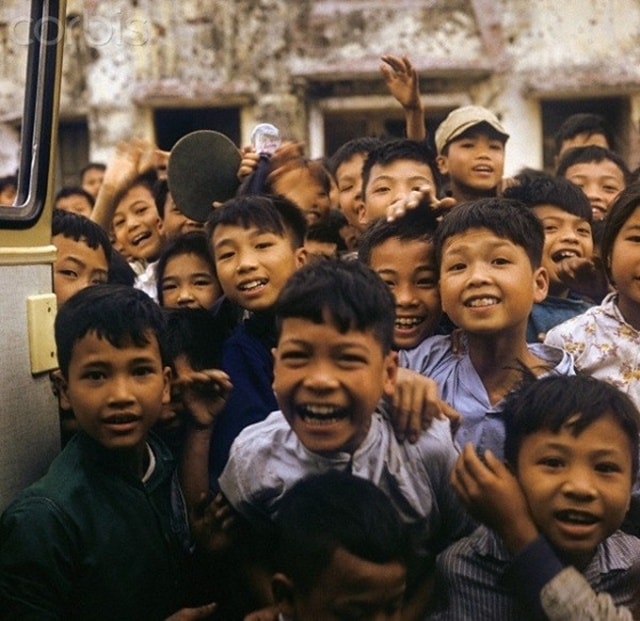 |
| Despite the hardships and difficulties, smiles are always present on the faces of every family member, and the children always have a natural, playful spirit. |
The subsidy period left many unforgettable impressions on the lives of Vietnamese people. For the younger generation, it is difficult to fully imagine the hardships faced by each family during this historical period.
Peace
(Synthetic)



