
The vegetables that are 'bathed' in the most chemicals.
A diet rich in green vegetables is very good for your health, but given the current situation, you need to be careful when consuming this type of food.
To increase profits, many farmers have been "generous" in applying nitrate fertilizers and spraying pesticides on vegetables before harvesting. In addition, they also spray chemicals to extend the freshness of fruits.
This practice has the immediate consequence of harming consumers' health. At a mild level, it causes food poisoning; at a severe level, it affects the respiratory system, causes mutations, and leads to the development of cancer.
According to recent statistics, more than a thousand people suffer from food poisoning in Ho Chi Minh City every year. There are hundreds of causes for this situation, among which fruits and vegetables with chemical residues exceeding permissible levels are a direct factor affecting the health of consumers.
Therefore, identifying safe vegetables by sensory perception is extremely important. Typically, on vegetables contaminated with pesticides and chemical fertilizers, you can see small dust particles and smell an unusual odor. When eaten, the vegetables will have an unusual taste.
Here is some additional information you should know to protect yourself and your family from the risks of food poisoning.
Bitter gourd
When buying, it's best to look for small, elongated bitter gourds with many tiny veins along their surface. Large, dark green, smooth bitter gourds with swollen bodies but shiny veins are likely to have been treated with chemicals to keep them fresh.
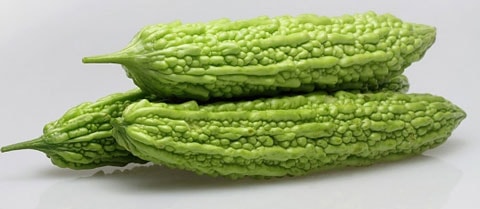 |
| Bitter gourd contains many types of stimulants. |
Bean sprouts
The plump, white bean sprouts with few roots are often appealing to housewives. However, these are bean sprouts produced using a truly horrifying technology.
green beans
Shiny, hairless, long green beans with clearly defined segments are the result of overuse of foliar fertilizers. If all the beans on display are free of insect damage, it indicates they were sprayed with pesticides before being sold.
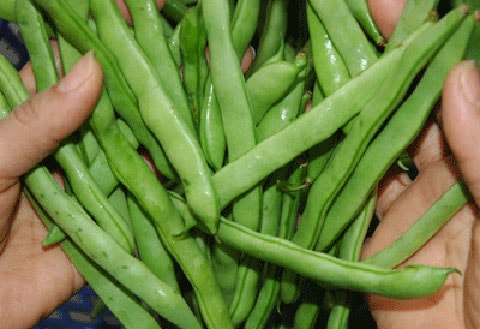 |
Be careful when choosing beans.
Cabbage
This type of vegetable attracts many insects when grown in the soil. Therefore, gardeners often increase the use of pesticides and nitrogen fertilizers in the period before harvesting.
This is very dangerous because when used, the residue of fertilizers and pesticides in the vegetables is still very high due to insufficient time for decomposition.
When you hold a bunch of tender, vibrant green cabbage with no signs of insect damage and unusually thick, uniform stems, it's likely cabbage that has been fertilized with excessive amounts of nitrate fertilizer. You should avoid using this type of cabbage, especially for raw consumption.
Water celery
If sprayed with too many pesticides and fertilizers, the vegetable stems will be unusually thick and the shoots will be abnormally white. If left for a day without being soaked in water, the vegetables will wilt and the stems will shrivel.
General notes:
When preparing leafy vegetables like cabbage and Chinese cabbage, you should cut off the roots, separate the leaves, and remove any damaged leaves. Then, soak the vegetables in salt water or potassium permanganate solution for about 15 minutes, and rinse each leaf thoroughly under running water several times before further processing.
This method, though simple, can effectively remove pesticides and fertilizers from vegetables, especially in the crevices of the leaves. Additionally, it helps to clean away worm and parasite eggs and other dirt clinging to the vegetables.
According to Vietnamnet.vn


