
These are the subjects that attract children's attention the most.
Beekeeping, folk dancing, surfing... these are some of the unusual subjects taught in certain countries that make students no longer look forward to recess.
Japan: Admiring Nature
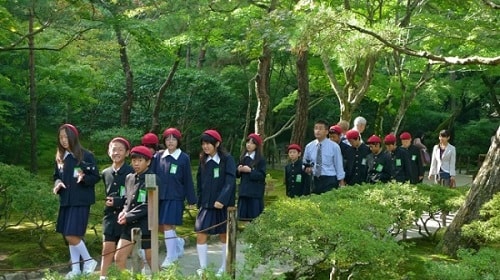 |
The purpose of this lesson is to teach young people to appreciate the aesthetic aspects of the environment outside the classroom. Modern children often neglect the development of this skill, prioritizing time in front of computers and other electronic devices. Like other familiar subjects such as Math and Geography, students are graded and even have to take a final exam when studying Nature Appreciation.
Bashkiria: Beekeeping
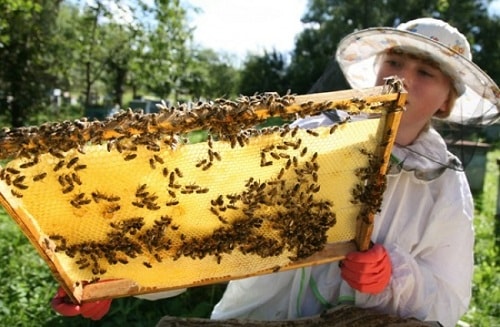 |
Over 100 schools in Bashkiria have beekeeping facilities. There, students learn how to care for beehives and harvest honey. This subject helps them learn patience, concentration, and precision.
Israel: Cybersecurity
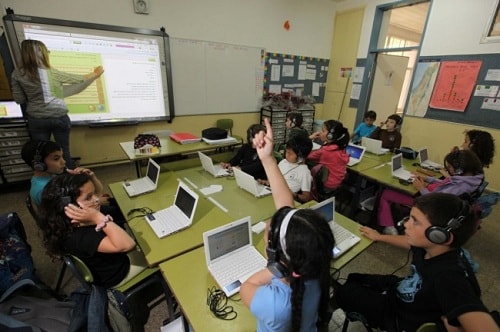 |
As the internet plays an increasingly important role in life, cybersecurity is also an essential area of knowledge. Aware of this, schools in Israel have introduced a subject called "Theory and Practice of Cyber Warfare," in which children are taught how to behave in cyberspace and how to respond to comments on social media. Furthermore, the subject focuses on the problems associated with children's addiction to video games..
Armenia: Folk Dance
 |
Armenians are proud of their country's traditional dances. Armenian culture boasts over 1,500 indigenous dances, each with its own meaning and unique history. Dissatisfied with schools only offering lessons on cultural heritage, since 2013 the government has made folk dance a compulsory subject in the school curriculum..
Australia: Surfing
 |
With its reputation as "master of the waves" putting Australia on the world map, the people of this country decided to teach surfing in schools. This helps ensure that no foreigner surfs better on Australian beaches. Students in Hawaii are also introduced to similar lessons..
USA: Scientific Invention
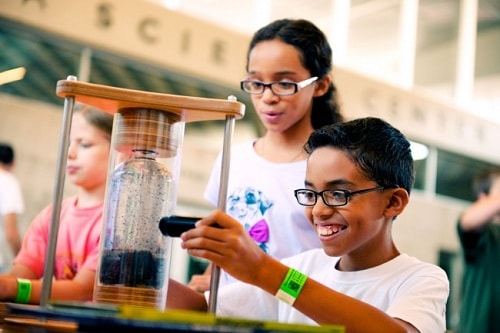 |
After completing their science theory course, some children in the US receive the same homework assignment: invent something. They have the entire following school year to complete it, then present their invention to their teacher and classmates. Each invention is discussed and evaluated based on its success and relevance before a final grade is given.
According to VNE


