
The unsung heroes behind the scenes.
Have you ever wondered how many people contribute behind the scenes to get a radio or television program airing successfully? The answer lies not only in the familiar faces on screen, but also in the many people who are responsible for different tasks within each program.
.png)
Thuy Linh - Thanh Quynh/Present: Hong Toai •7/9/2026
*****
Have you ever wondered how many people contribute behind the scenes to get a radio or television program airing successfully? The answer lies not only in the familiar faces on screen, but also in the many people who are responsible for different tasks within each program.
InNewspapers and radio and television in Nghe AnSimilarly, behind every program and news broadcast are the contributions of many people and many different roles. Some are on location, others work tirelessly in the editing and control rooms. And some quietly check every signal and handle every technical detail before going on air. They may not appear in front of the camera or be recognizable to the audience, but each role they play contributes to the completeness of the work, together keeping the entire production process running smoothly and efficiently.
.png)
A day in the life of a cameraman is extraordinary. It can begin when darkness still blankets the streets, when many are still asleep. And today was no different; cameraman Lang Linh woke up at 3 a.m. He checked each battery, each memory card, wiped down his lens, and then hurried off.
Outside, a new day hasn't even begun, but for him, the journey to find those perfect images started much earlier...
.jpg)
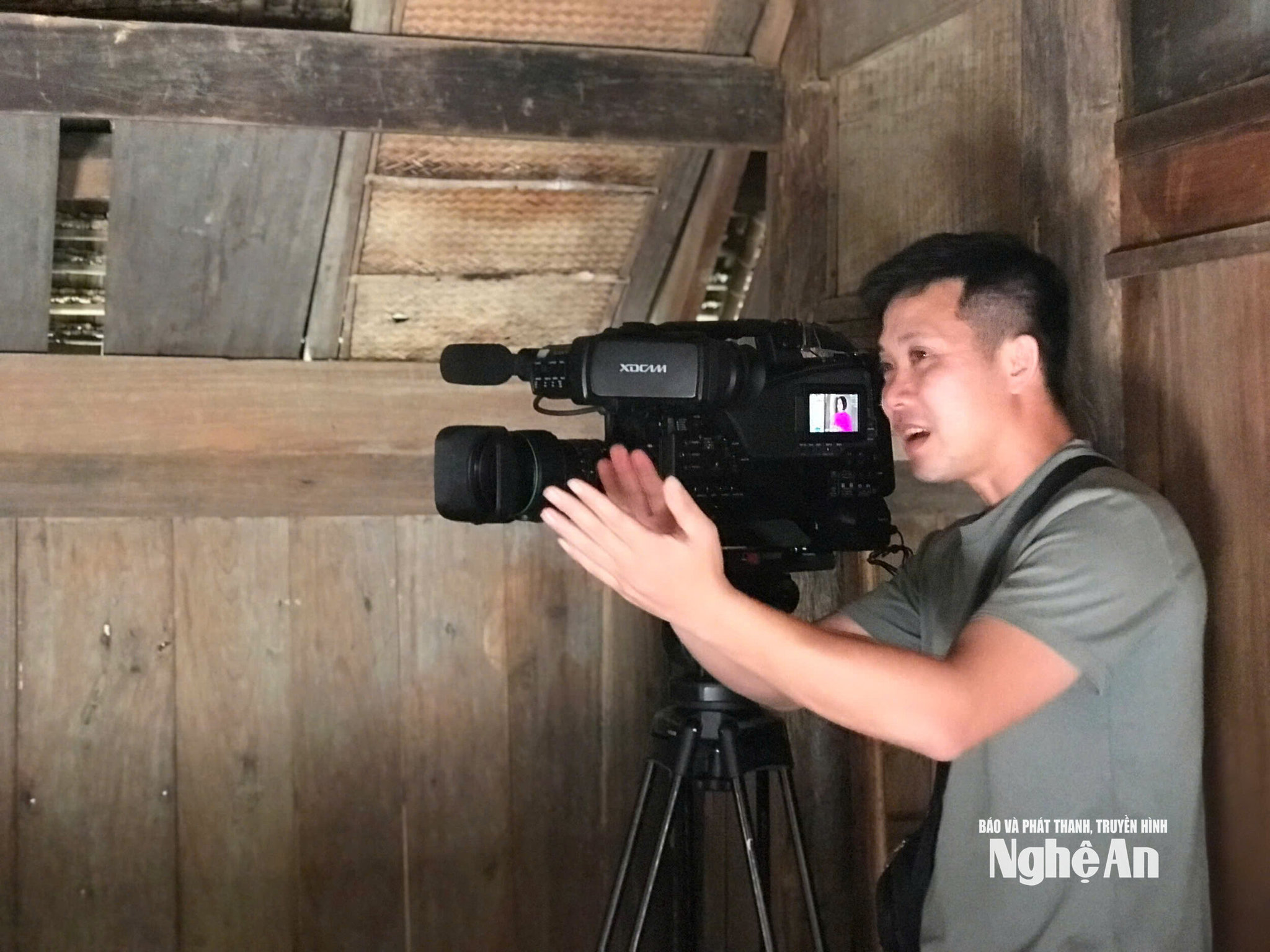
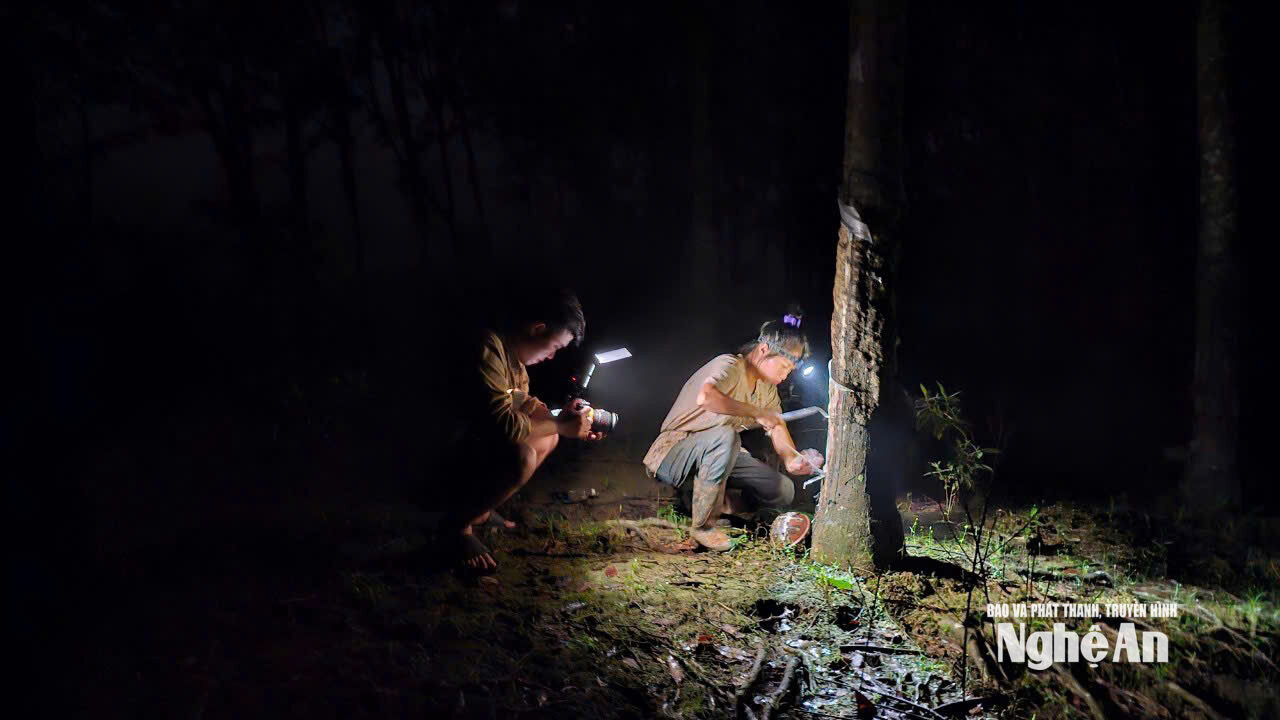
Sixteen years dedicated to his profession also means sixteen years of Lang Linh traveling to many places, from the highlands to the remote coastal areas, from scorching hot days to reporting during natural disasters, rain, and cold. Each trip is a story, a memory, and an unforgettable mark on his professional journey. These journeys involve long days of constant travel, patiently waiting for hours just to capture a single moment, and facing rising floodwaters beneath his feet. But from these trips, Lang Linh has gained a wealth of life experience. He has met people and witnessed stories that he would likely never fully understand if he were only on camera.
Perhaps, through those efforts, "Graduates in the Fields," "Resolution at the Forefront," "Heritage from the Heart," "Stories Told from the Peak of Pù Lôm," etc., have become unforgettable milestones in the hearts of viewers. These are also works that have garnered acclaim at numerous provincial and national journalism awards and national radio and television festivals. But for him and his colleagues, what keeps them in this work is much simpler. It's when the images they capture are well-received by the audience, when what they have seen and experienced is conveyed to viewers through the most authentic images.
The greatest joy comes when what you've carefully selected and recorded with all your heart finally touches the emotions of the viewers.
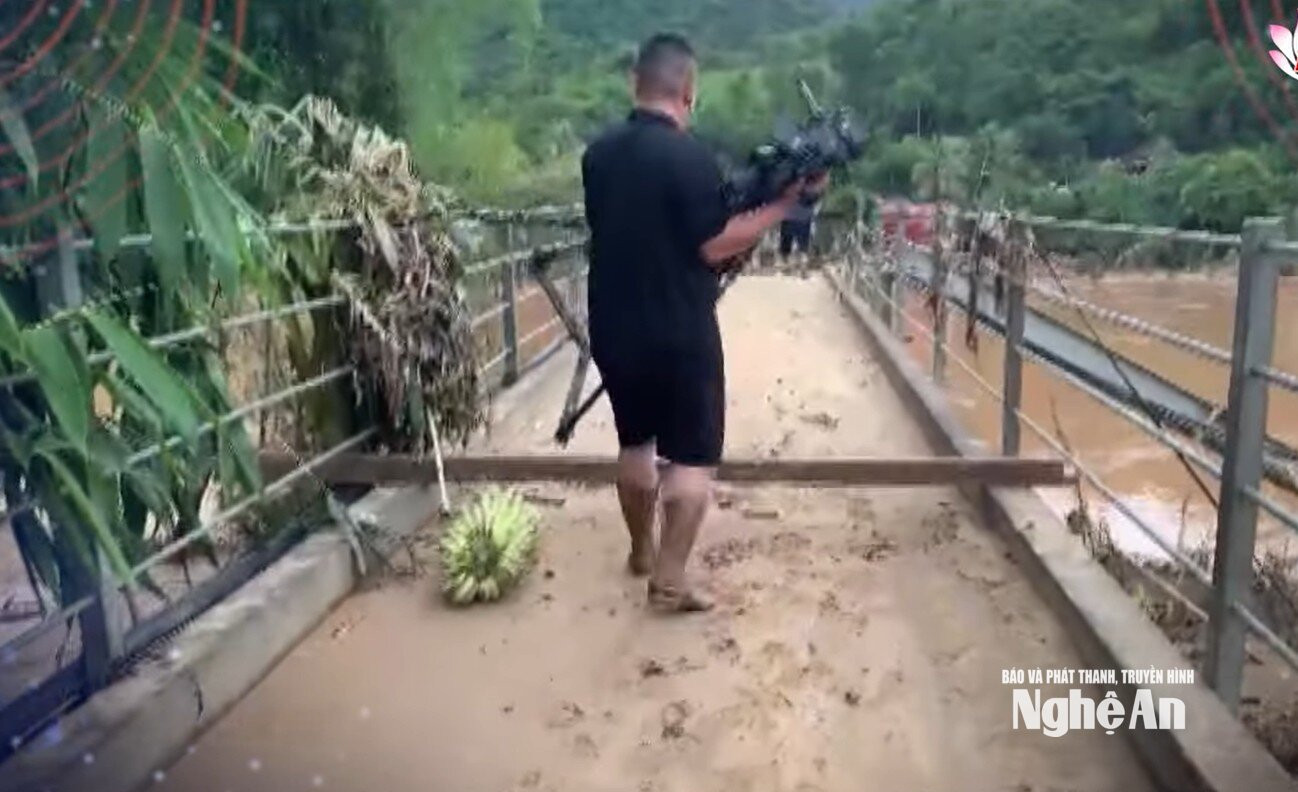
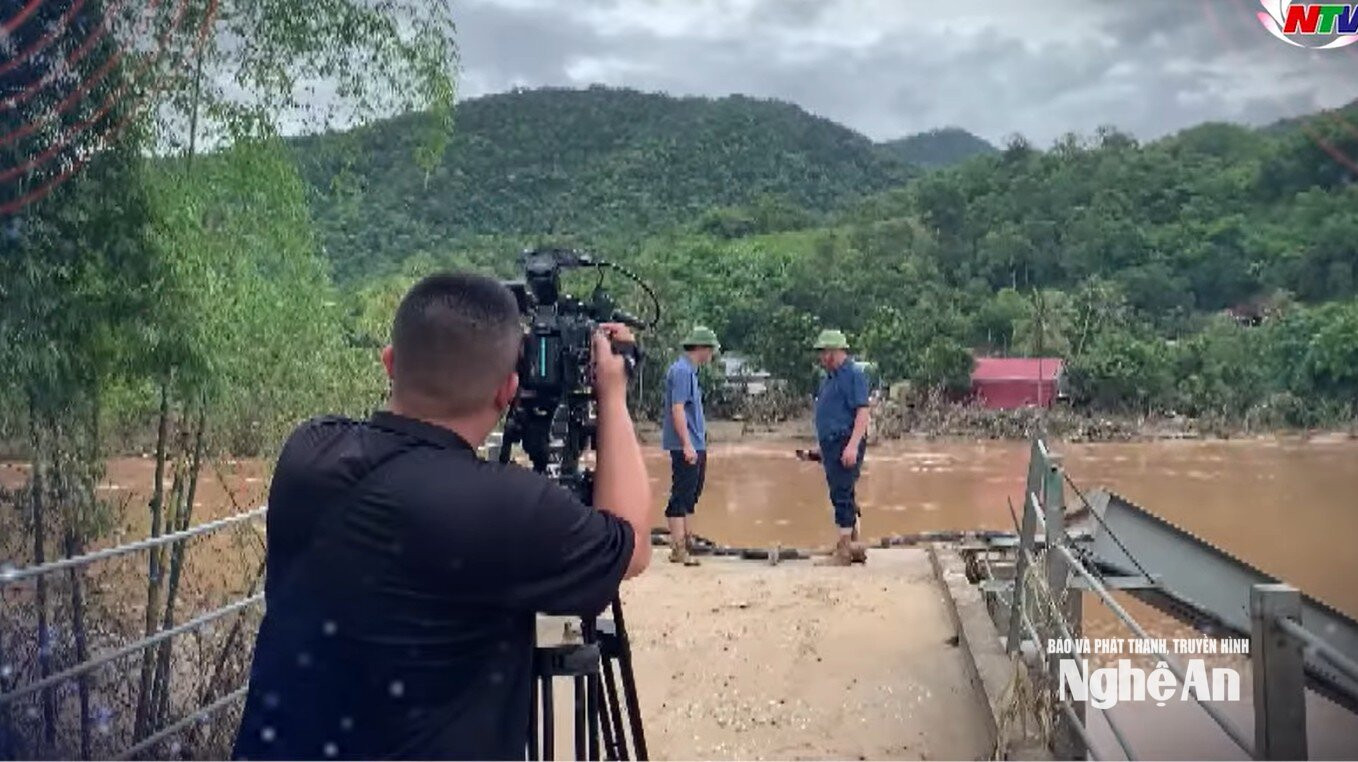
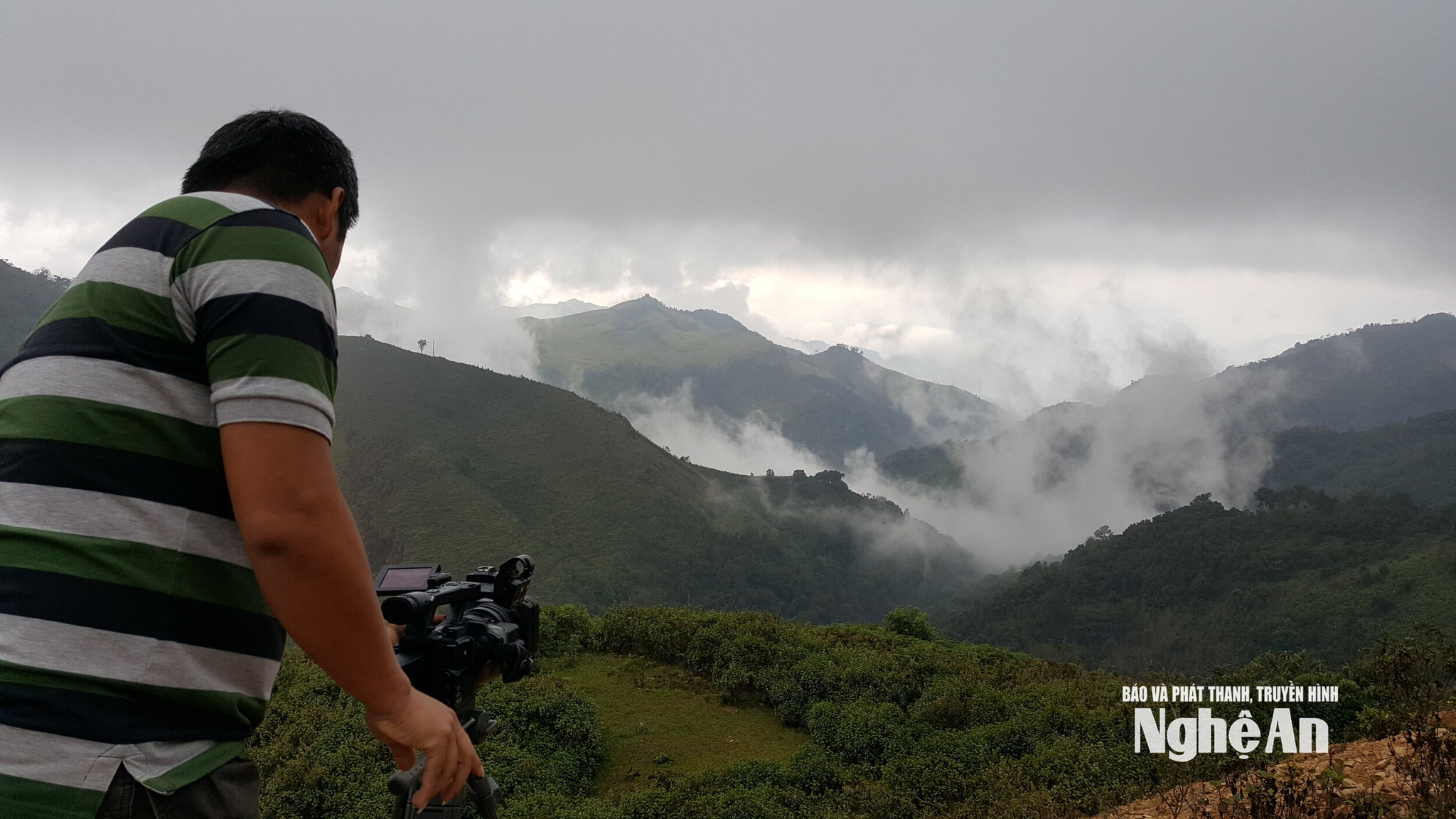
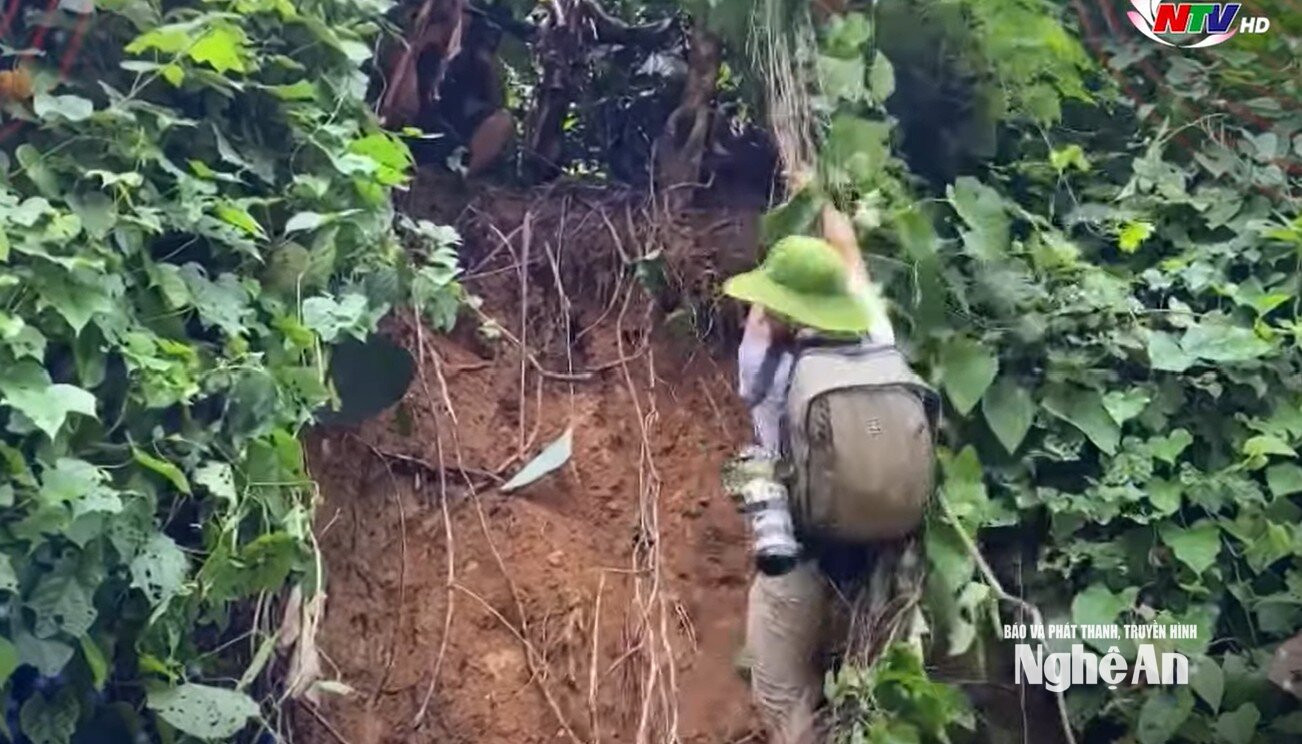
At Nghe An Newspaper and Radio & Television, the camera crew are the "cameramen" who regularly accompany editors and reporters on their assignments.
Each genre presents its own unique requirements. For news, the cameraman must be quick-witted and react promptly to unexpected events to avoid missing crucial moments. For specialized programs, patience and observation skills become even more essential, as a compelling story is sometimes built upon very small details. And for cultural and artistic programs, the framing demands subtlety in composition, lighting, movement, and the ability to capture emotionally charged moments.
Therefore, behind a seemingly simple shot lies a whole process of preparation and selection. The cameraman must understand what they are filming, how the subject needs to be portrayed, and how that image will contribute to telling the story. There are moments that only last a few seconds; if you are not quick and perceptive enough to recognize them, they will slip away and cannot be recaptured.
.jpg)
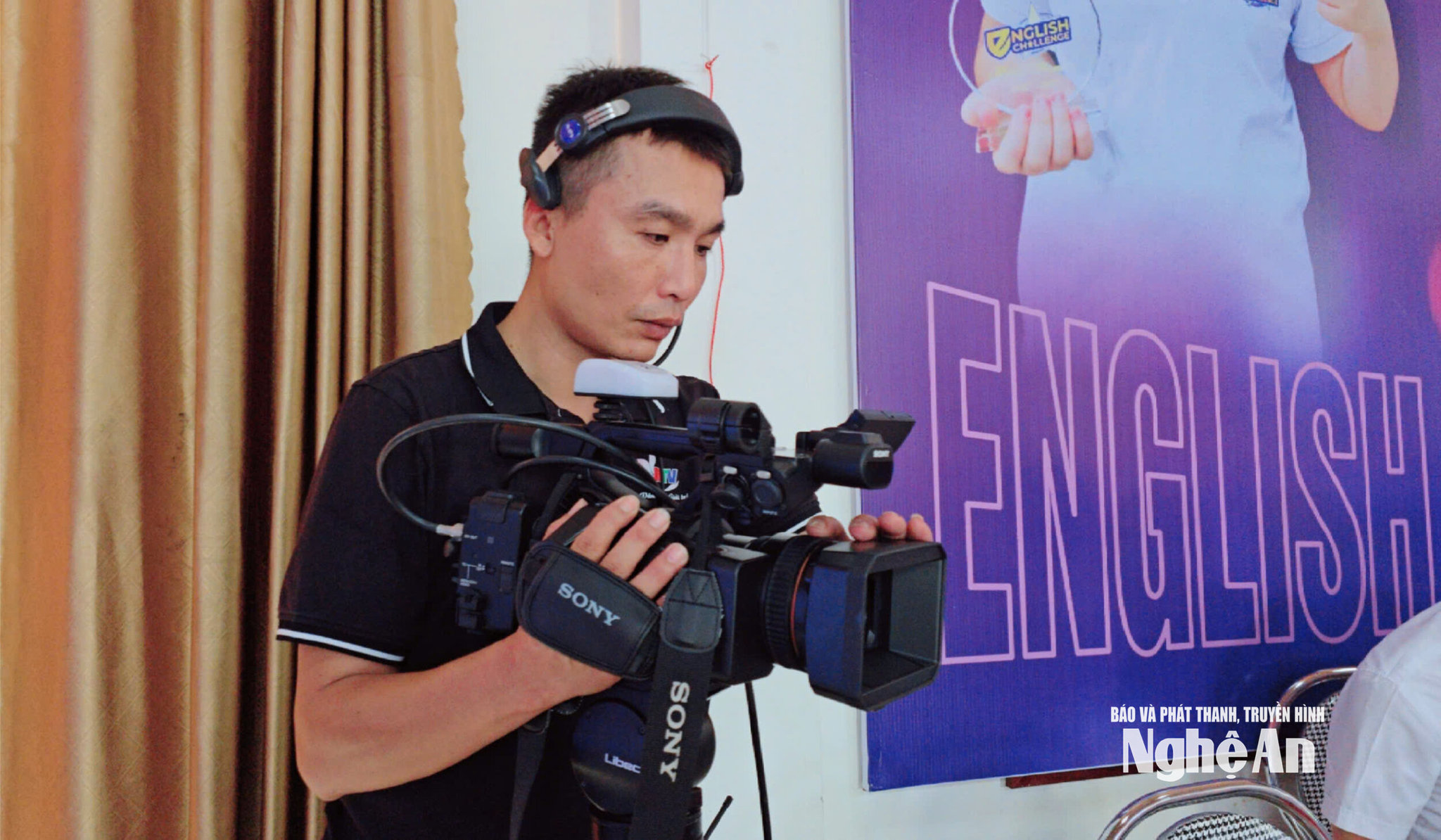
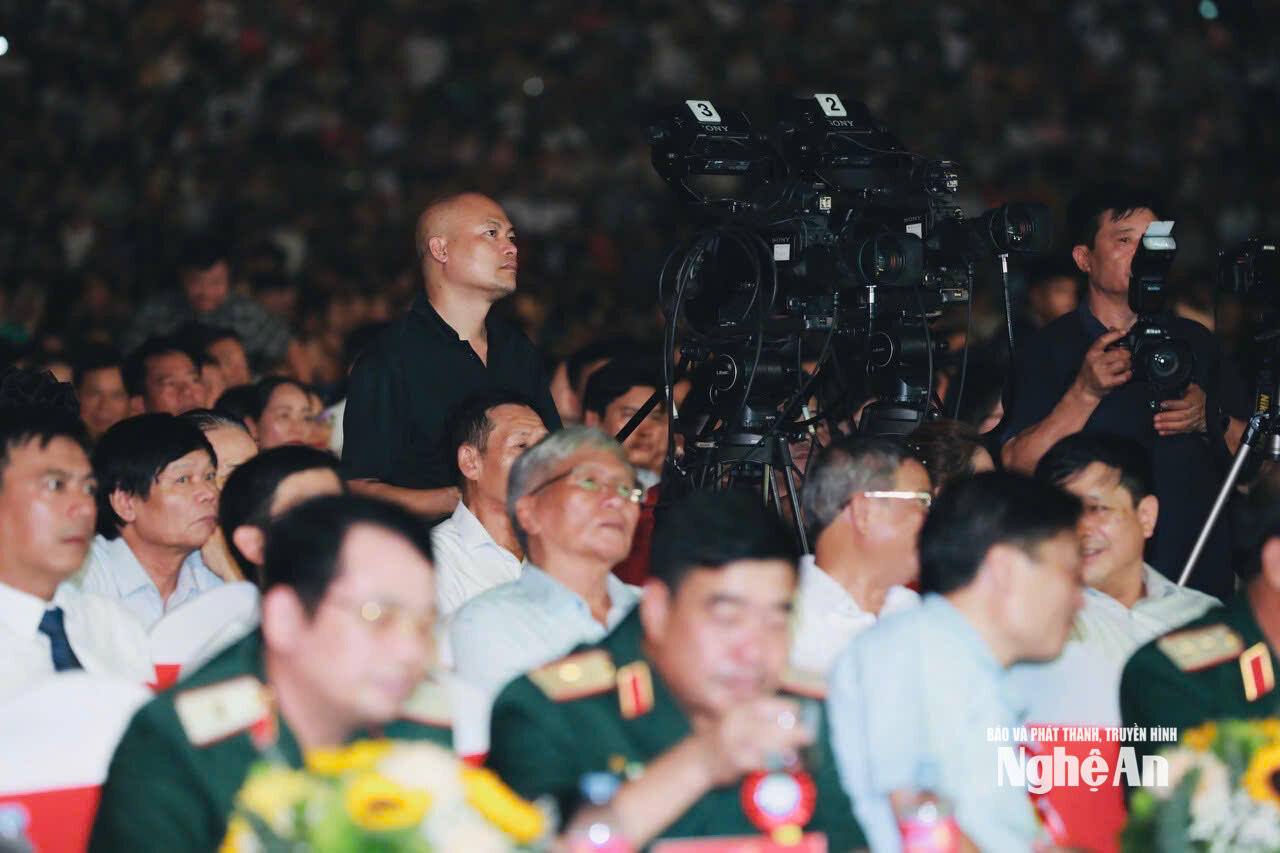
Reporter Nguyen Thi Cam Thuy from the Special Programs Department shared: “During fieldwork, filming plays a very important role. We convey ideas, and they express them through their thinking, observation skills, and artistic eye. Sometimes, viewers don't need to hear commentary; just by looking at the images, they understand the message being conveyed. In harsh circumstances like fires and floods, the profession of filming demands even greater endurance and perseverance.”
A good idea needs to be transformed into images. Conversely, a beautiful shot, an unexpected detail discovered by the cameraman on set, opens up a new approach to the work. The cameraman's dedication captures the most authentic moments of life, a weight that no script or commentary can create on its own. Then, when the images are delivered, these raw, sweat-soaked film clips become solid material for the editor to refine a complete television product for the audience.
They didn't appear in person, but what they saw, selected, and recorded became an integral part of the story told on air.
.png)
While cameramen bring back authentic images from the field, the technical team is like the "conductor" who connects and refines the work. Amidst hours of footage with various frames, dialogues, and sounds, they must select, arrange, edit, and connect to find the most logical narrative.
There are images that appear on screen for only a few seconds but carry more weight than an entire narration. There are also moments that seem ordinary at first glance, but when placed correctly, they become the details that give the work its emotional impact. To make these things reach the viewer naturally, behind every minute of broadcast are countless reviews, considerations, and adjustments.
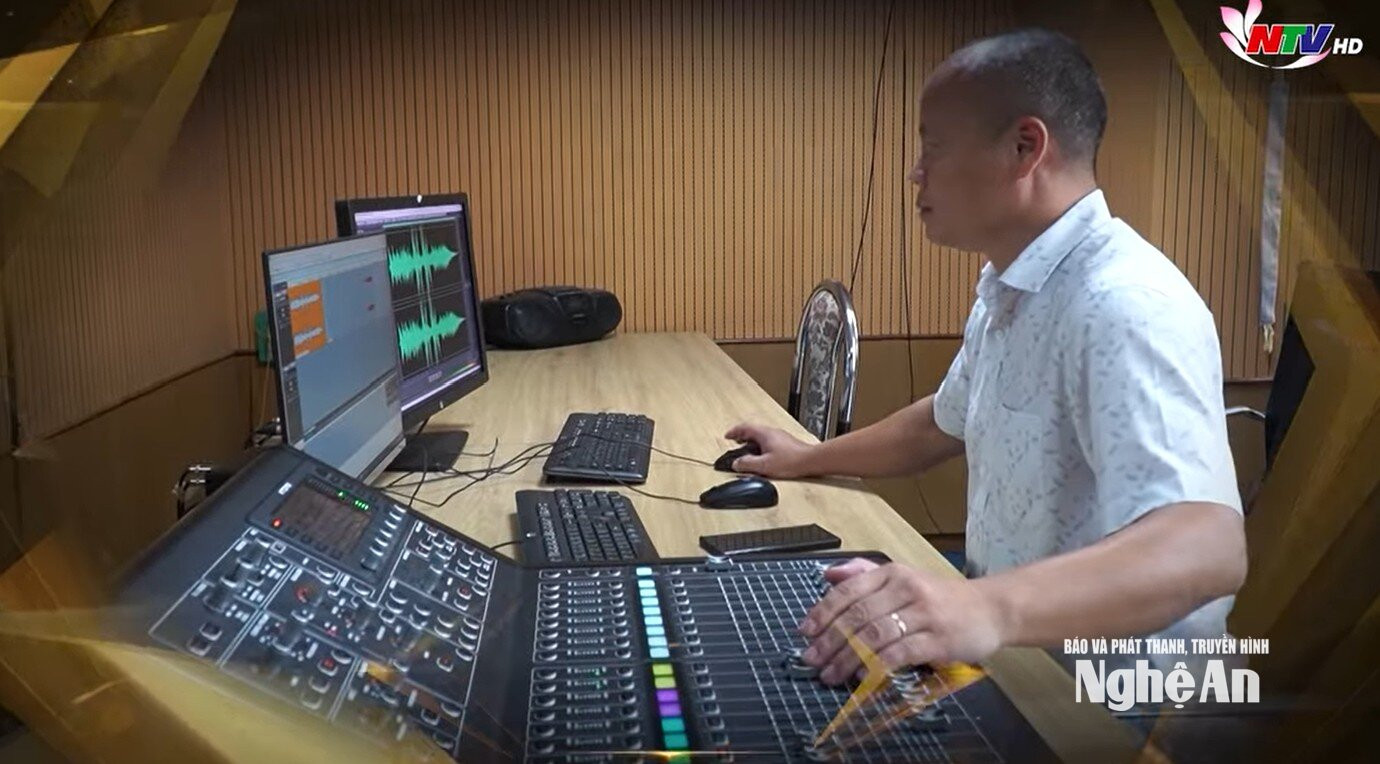
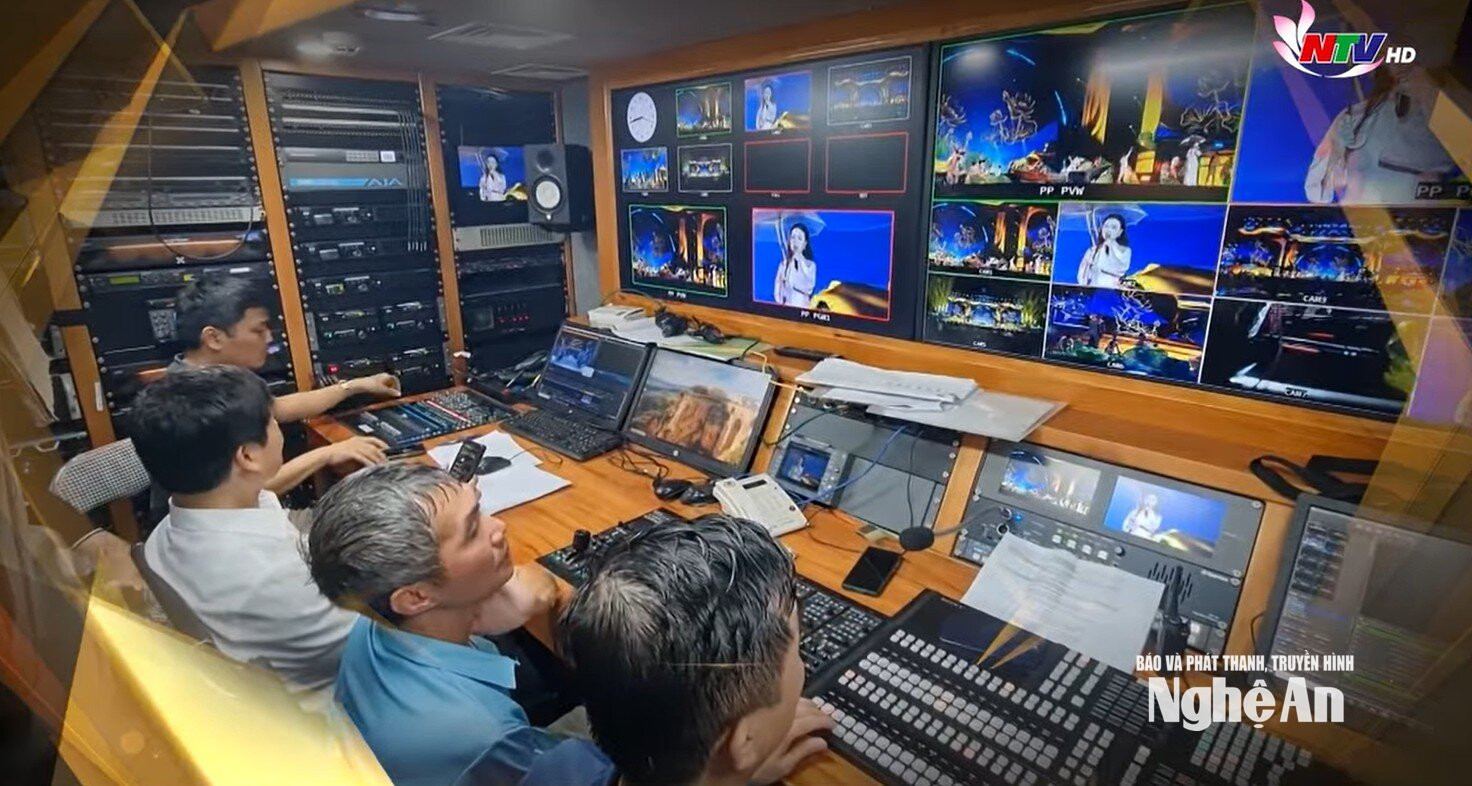
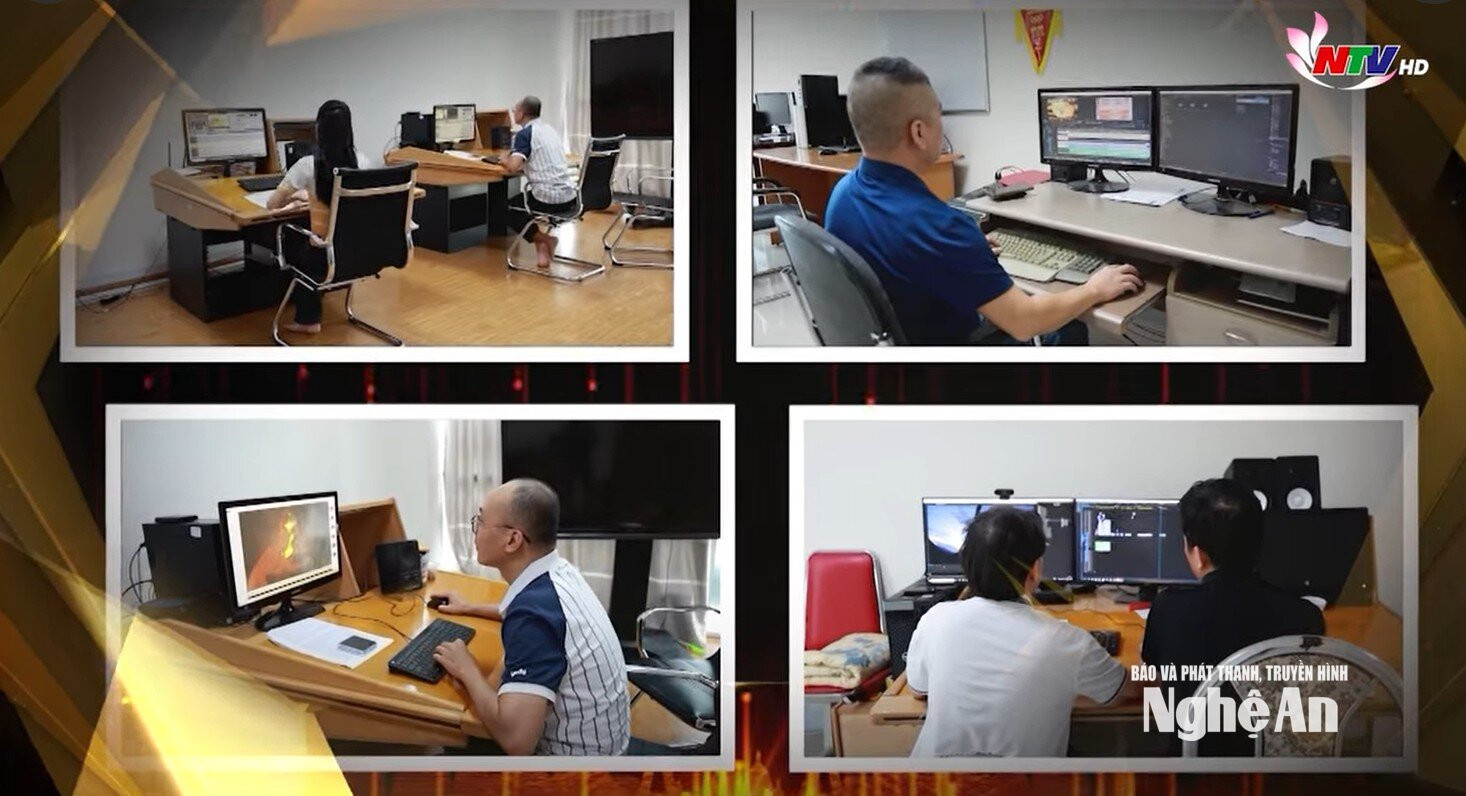
That's also why post-production staff often have to race against time. As broadcast time approaches, every step must be precise, because even a small error in image, sound, or technical aspects can affect the entire program. Editors not only need to be proficient in software and equipment but also need a sense of rhythm, knowing where to stop and which details should be retained so the story doesn't break. It's a careful process involving careful consideration and selection of shots, and harmonious handling of sound, audio effects, dialogue, and music.
But today's television production isn't confined to the editing room. With advancements in technology and the development of content production and distribution across multiple platforms, their work is increasingly shifting closer to the field.
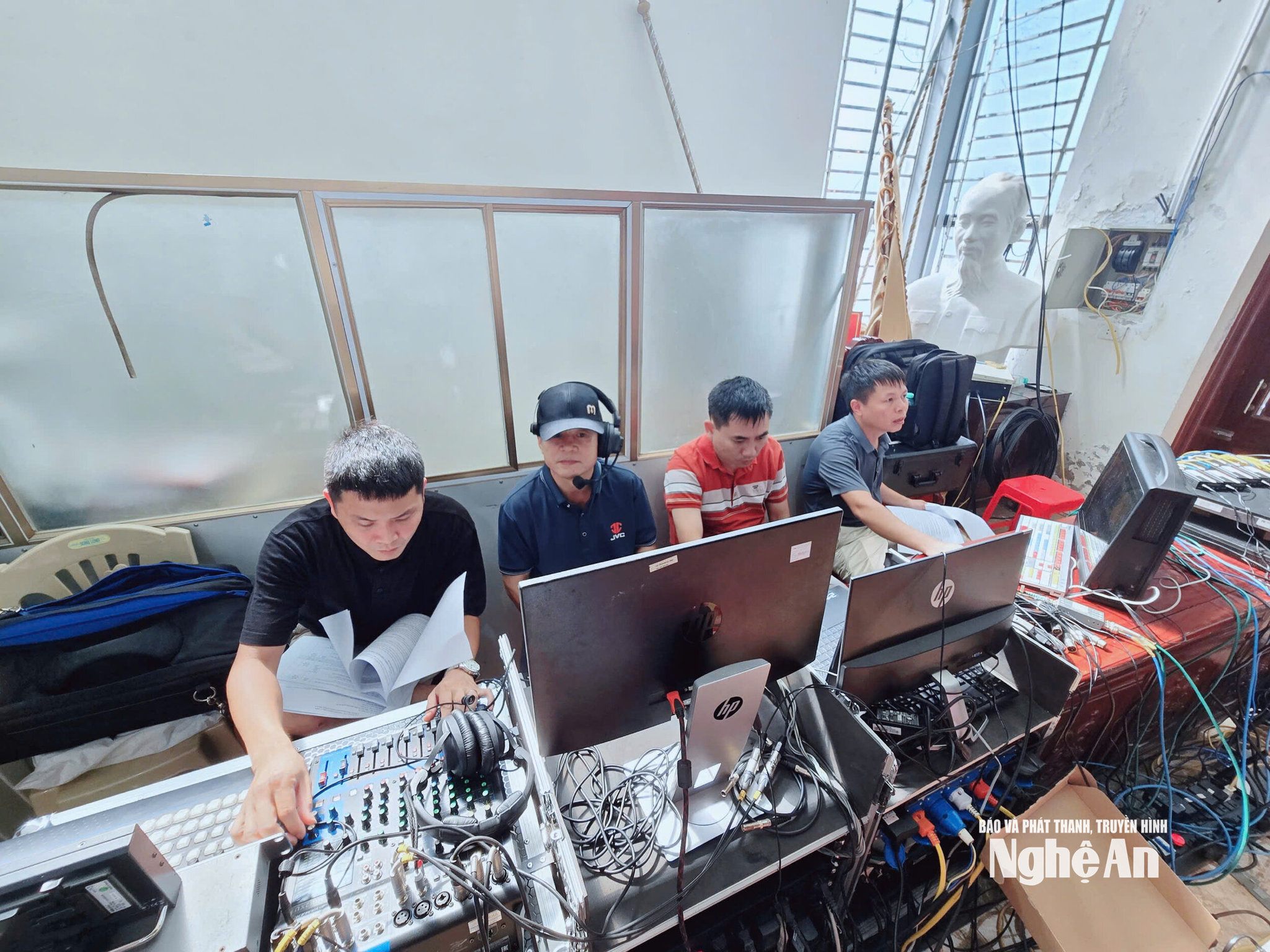
From a live television broadcast or an outdoor event to a central transmission point, the technical team must arrive early to survey the location, check the power supply, equipment, infrastructure, and signal quality, calculate transmission plans, and prepare contingency plans. Behind the smooth transmission of images lies meticulous preparation and the ability to respond to situations that may arise at any time.
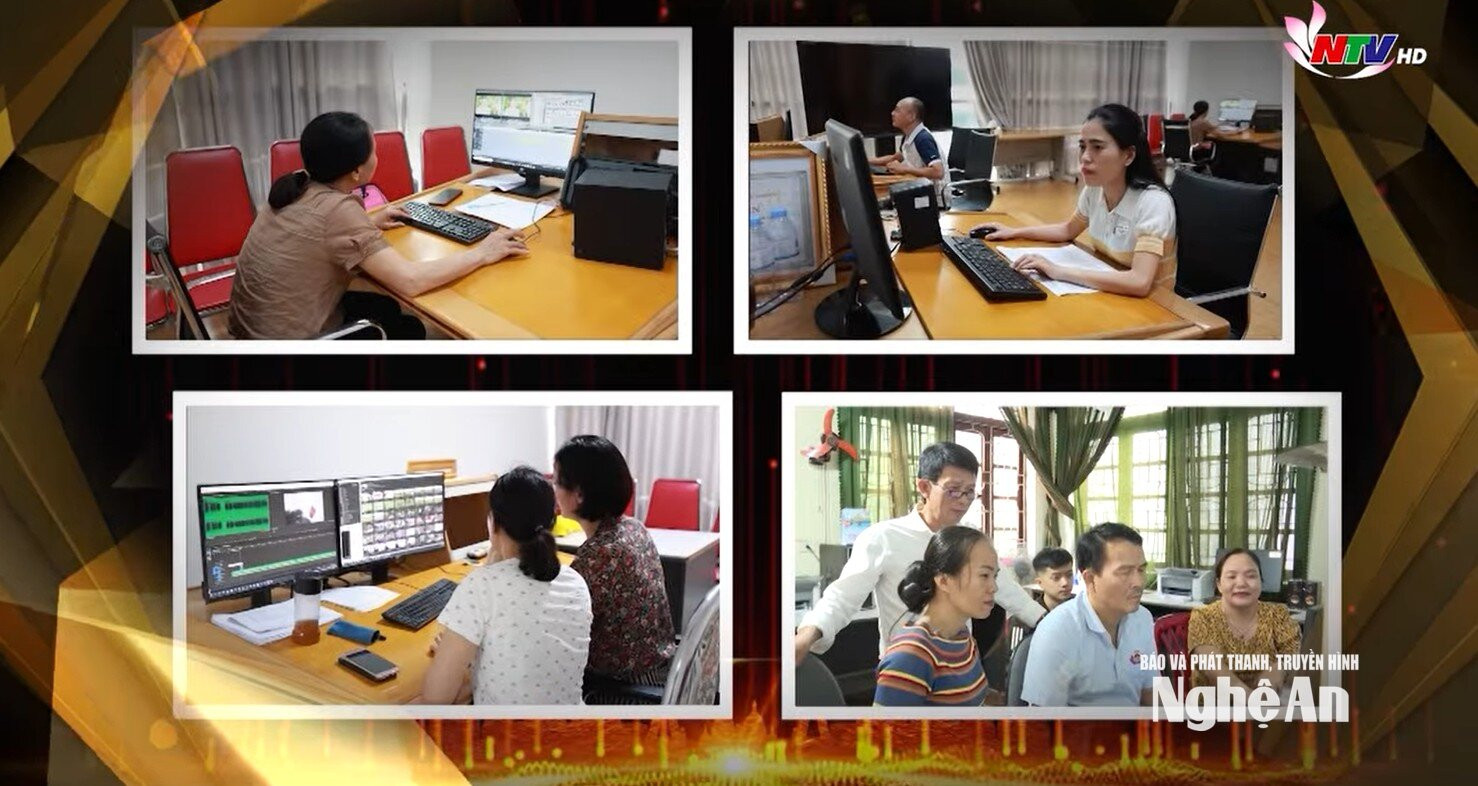
The digital transformation has brought television content to multiple platforms, while expanding production formats such as livestreaming and live broadcasting. This also means that the technical workforce must adapt to an increasingly flexible and demanding journalistic workflow.
Emphasizing this requirement, Engineer Nguyen Hong Trung from the Technology Department stated: “Current technology demands versatility. In studios and editing rooms, we must master new technologies in image and sound. When on location, we must survey signals and technical infrastructure to support the operational team. We must always be alert to handle any situation.”
.jpg)
.jpg)
.png)
"Versatile" is perhaps the most accurate word to describe today's technical professionals. They might start their workday in front of a monitor, but could also end it at a remote location, in the heat, rain, or on a high-pressure field. They must understand the equipment but cannot rely solely on it; they must adhere to procedures but at the same time always be prepared for unforeseen circumstances.
Once the program airs, viewers see a finished product, but few realize that to ensure those images arrive on time, the sound is uninterrupted, and the signal is not disrupted, there were people who had to tirelessly monitor every parameter and every transmission, ready to handle any abnormalities immediately.
The technical team's presence is almost always hidden behind the screen. But it is precisely this "invisibility" that measures the quality of a good technical team. They don't need to be visible; they just need to let the story be told completely on air.

For the field of journalism, archival materials are a "treasure trove," an invaluable resource accumulated over the years. Through each era, these archives preserve the imprints of events, people, and places within the flow of time. They also become the memory of a news organization and a valuable source of material, adding depth, corroborating evidence, and authenticity to today's stories.
A documentary may have ended its broadcast many years ago, but its value doesn't end with the program. When properly preserved, categorized, and organized scientifically, such documents can reappear in new works, continuing the stories of people and the changes in their homeland.
Therefore, the archives room is not simply a place to preserve what has passed, but is becoming a continuously operating "digital data station," where the values of the past are preserved, sought out, and revived to serve the flow of journalism today.
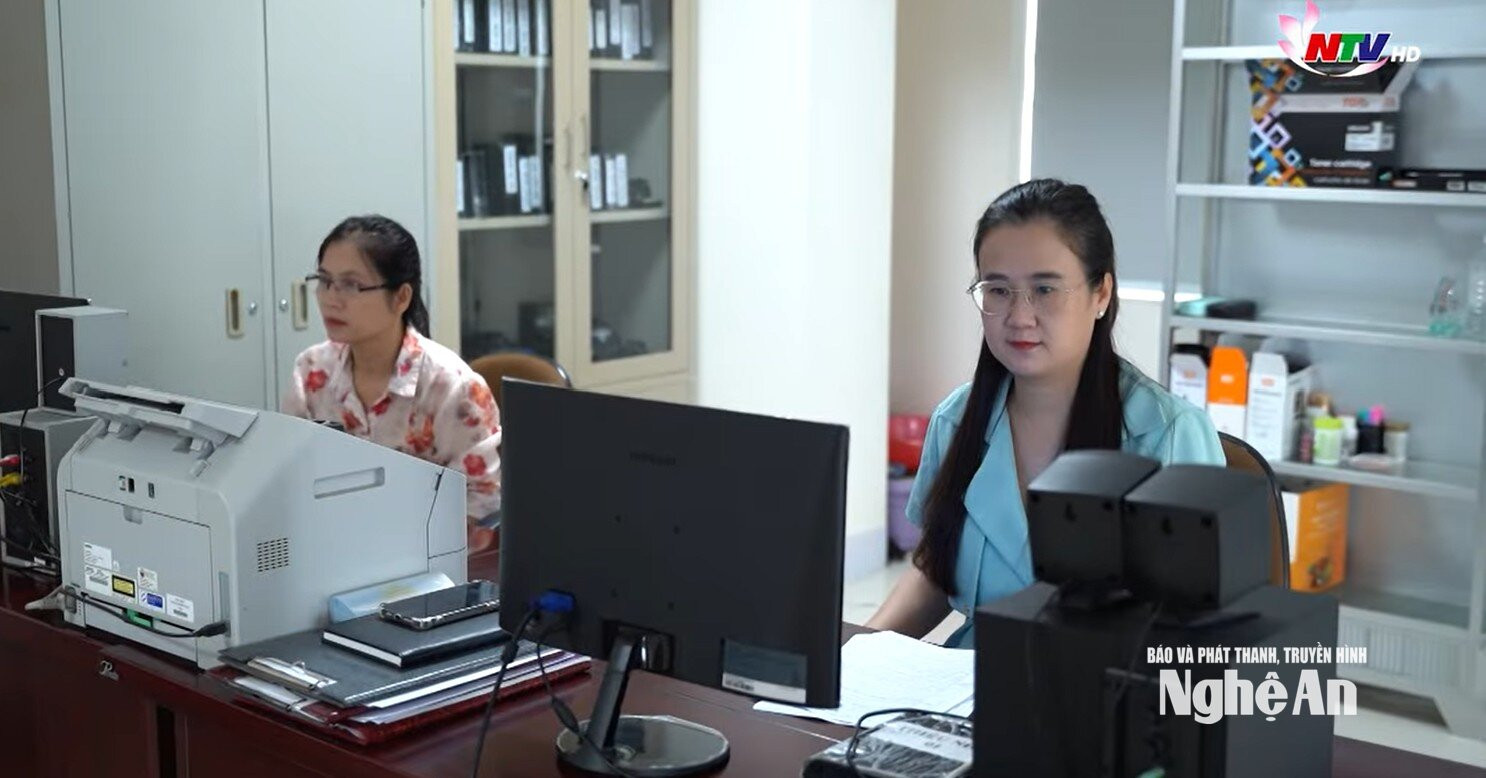
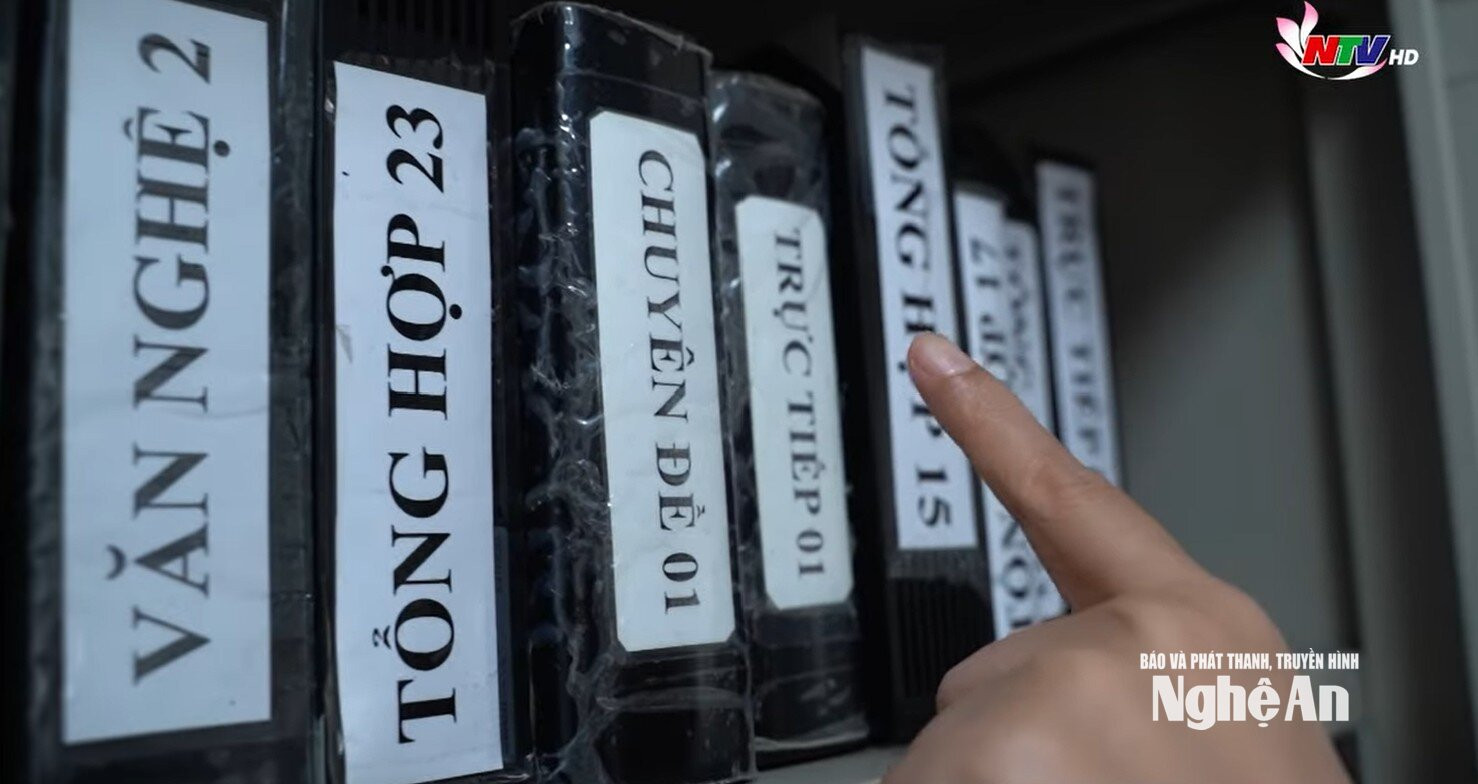
Behind the constant flow of news lies a less visible but exceptionally demanding job requiring precision and patience. Every day, archivists receive image files, review content, identify information, classify, store, and extract information as needed for production. And when it comes to finding the exact frame, the exact person, the exact moment within that massive volume of material, all information must be organized scientifically, completely, and accurately from the moment the material is received into the archive.
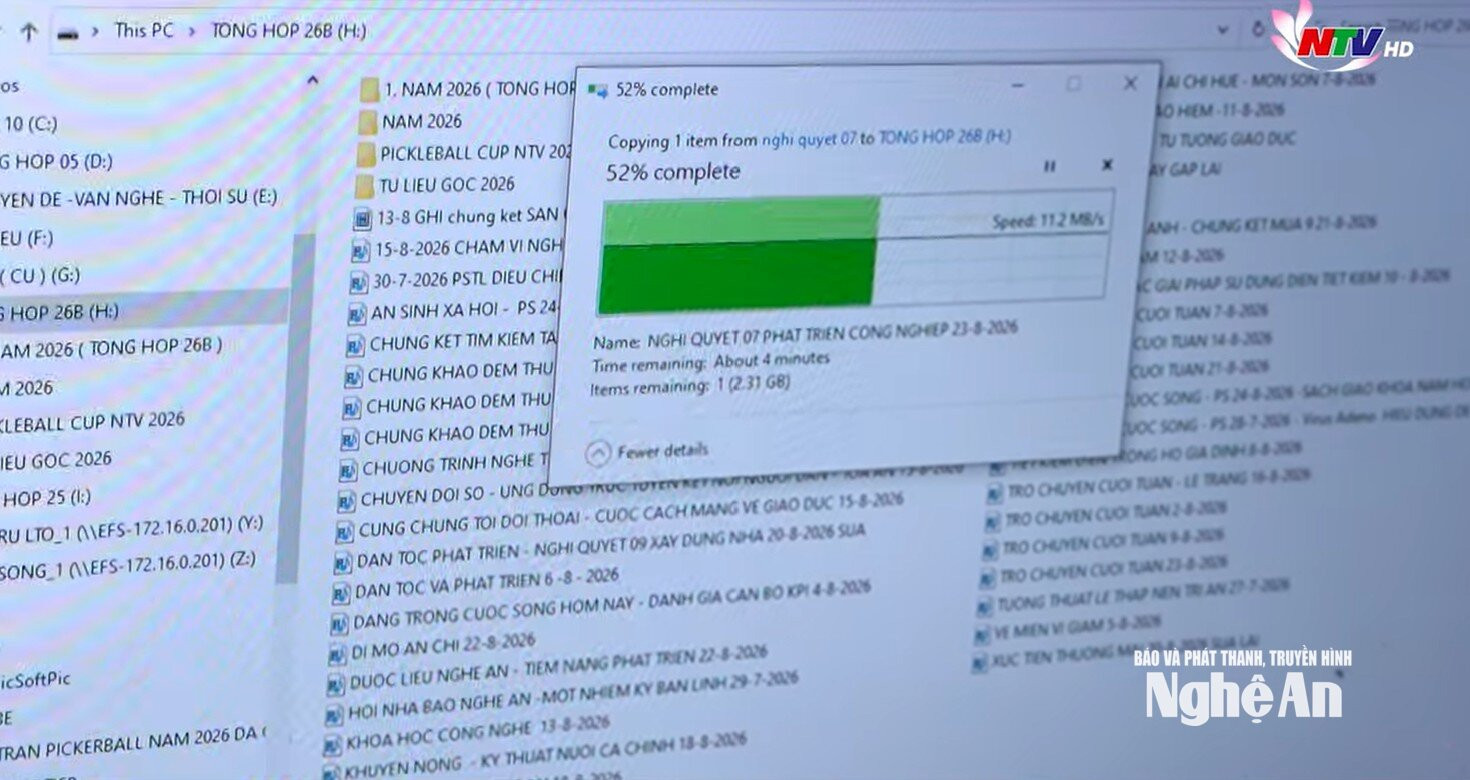
In the modern television environment, the archives room is no longer simply a place to "store" what has passed. It is becoming a digital data station, where image resources are received, digitized, organized, and maintained for long-term exploitation. At Nghe An Newspaper and Radio and Television, archives created over many periods are gradually being transferred to the digital environment, from the physical media of previous generations to the image files produced daily.
Technology makes storage more convenient, but it also places higher demands on data standardization, identification, and searchability. A data archive is only truly valuable when what it stores can be found and used at the right time.
.jpg)
Over the years, the image of the staff in the Documentation Department, including "the eldest sister" Cao Hang, has become familiar to many colleagues. Having dedicated herself to seemingly repetitive daily tasks, she understands that behind every operation of entering, saving, or searching lies the responsibility of preserving a part of the media organization's memory.
Working in the archives requires a high degree of accuracy and patience. If each frame and piece of old documentation is not properly categorized and stored, retrieving it when needed will be extremely difficult.
Carefully preserving this data is our way of honoring the efforts of previous generations and serving the production work of today.
Ms. Cao Hang - Documentation Department, Newspaper and Radio and Television of Nghe An Province.
For the team of journalists, the efforts of the Documentation Department have yielded irreplaceable value. When a reporter or editor needs to find an image of a person who appeared many years ago; when a program needs to compare changes in a place name; or when a work wants to revisit an event that was previously recorded on screen, then data that seemed to lie dormant in the archives becomes crucial pieces to complete the story.The more complete, accurate, and scientifically organized the documentation is, the greater its potential for exploitation.
In the ever-fast-paced world of digital journalism, archivists quietly continue their work to ensure that the legacy of contemporary journalism is not only preserved but also continues to thrive in future stories.

Many people still refer to the Central Control Department as the 24/7 signal guards in a room where the lights are "never turned off."
The term sounds simple, but behind it lies a job demanding near-absolute precision. This is where radio and television programs are received, checked, regulated, and broadcast. From finalized programs in the editing room and studio to live broadcasts in the field, every signal must be controlled before reaching the audience, because even a small error can affect the entire program being broadcast.
.jpg)
For this department, there is no such thing as "time out" as long as the program is still on air. Shifts follow one another, and the focus is unwavering. Every parameter on the system is continuously monitored; any unusual fluctuations in sound, image, or signal must be detected and addressed promptly. Viewers only see a seamless program on screen, but for those on the main control panel, every minute counts in ensuring that all signals operate accurately and stably.
This unique nature means that those working as the Central Control Room are accustomed to night shifts, early morning shift changes, and even holidays and Tet (Lunar New Year) celebrations that are incomplete with their families. The 24 hours of a day are divided into shifts, and responsibilities extend from one shift to the next. For them, a smooth broadcast is not something that can be taken for granted, but rather the result of maintaining alertness throughout each minute of their shift.
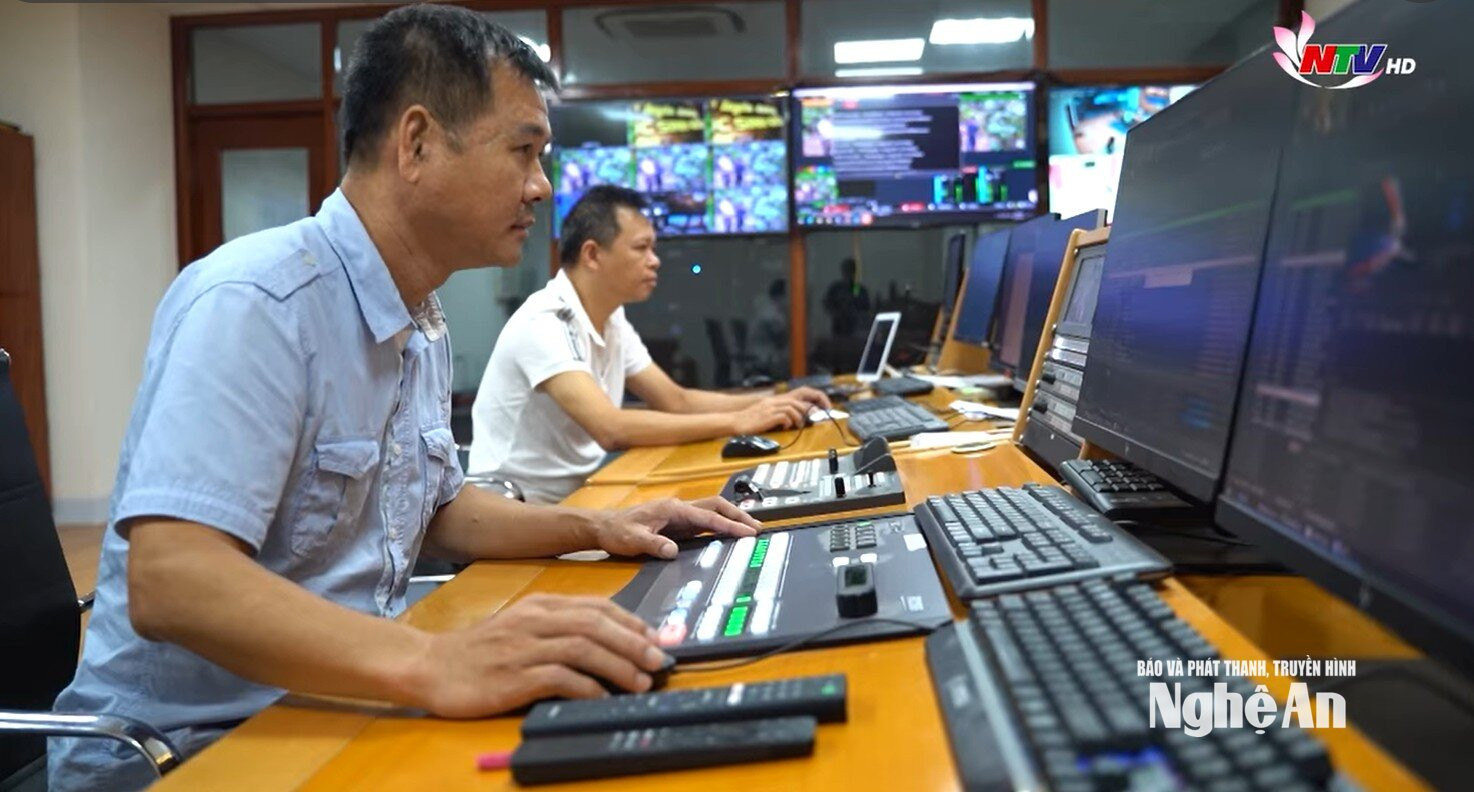
In a multi-platform media environment, this job becomes even more complex. Not only must the technical team ensure the integrity of radio and television signals on traditional platforms, but they must also monitor and control broadcast streams on digital platforms, coordinating with relevant departments during live broadcasts or when incidents occur. Transmission lines may change, equipment may malfunction, and signals from the field may be unstable. In such situations, the most important thing is a clear head to identify the problem, determine the appropriate course of action, and ensure that the incident does not disrupt the flow of information to the public.
For over twenty years, I've been involved in overnight shifts, missed family meals, and New Year's Eve celebrations where we couldn't be together with our families. My colleagues and I in the technical field have become accustomed to a rhythm of life where work can start at any time.
That pressure demands intense concentration and a high sense of responsibility, because behind every broadcast is the task of keeping the home airwaves uninterrupted.
Mr. Ho Nam - Technical and Technology Department, Nghe An Newspaper, Radio and Television.
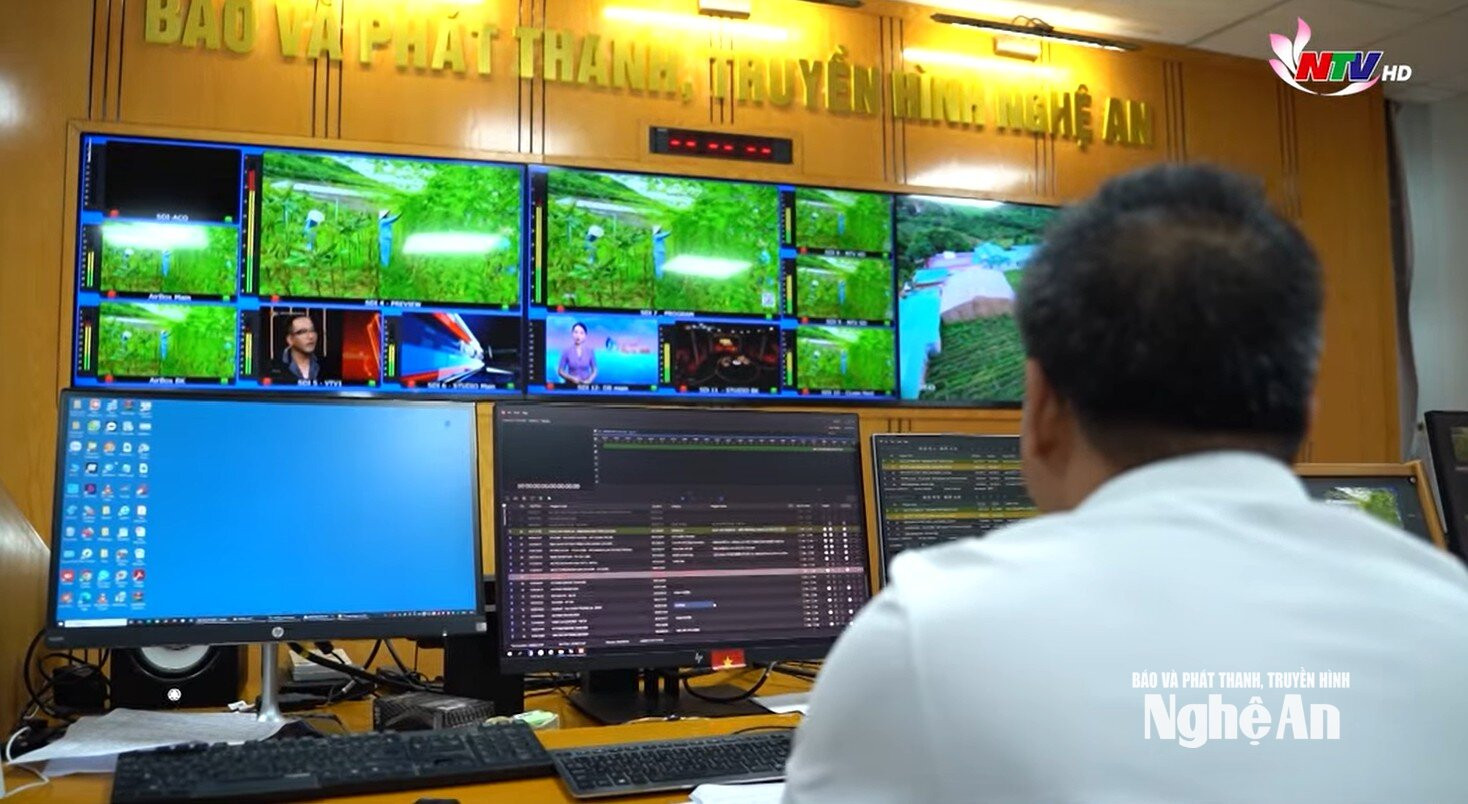
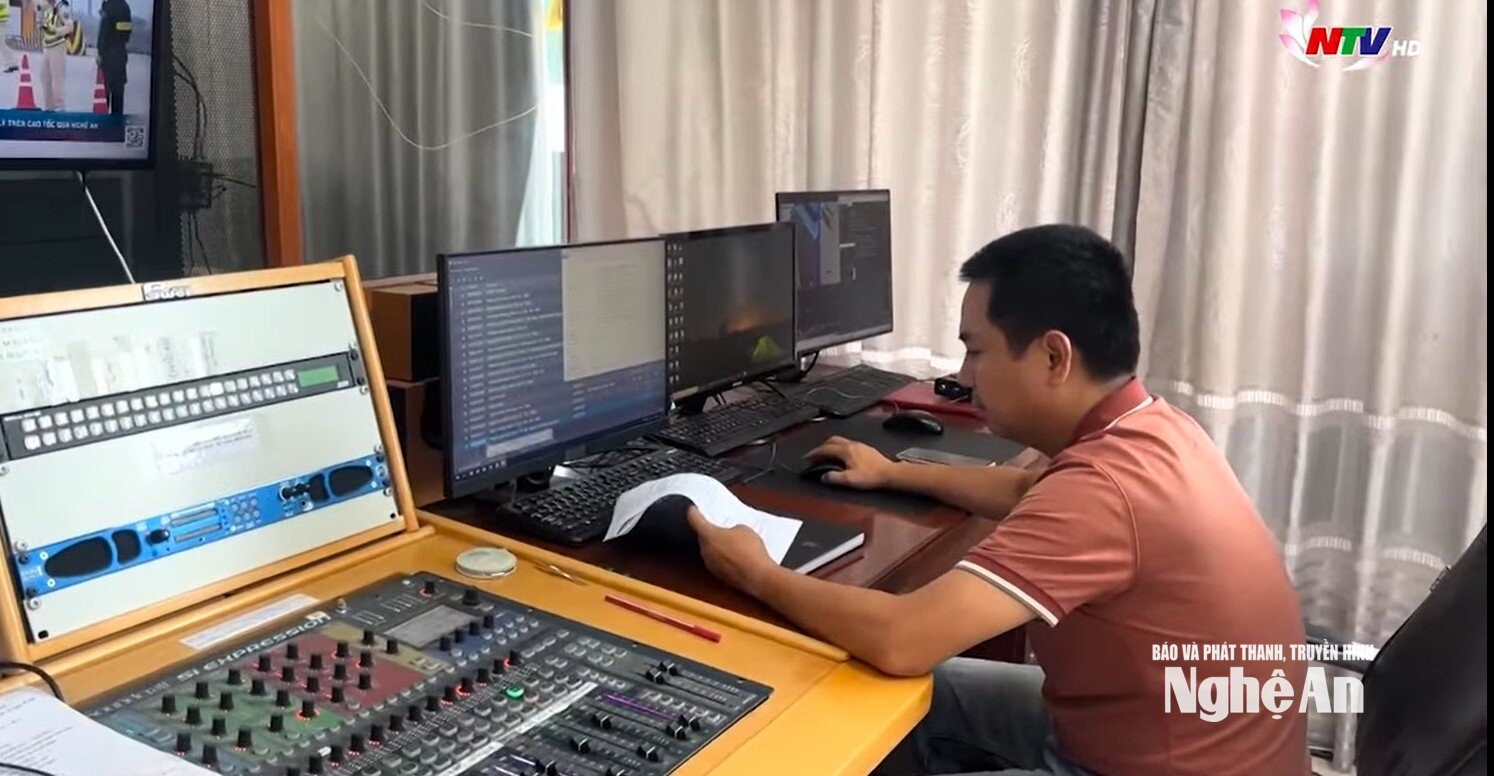
It's clear that behind every frame, every news report, every broadcast program are many people quietly doing their jobs. They don't stand in front of the camera, they don't directly appear in the stories being conveyed to viewers. But their precision in every action, their dedication in every shift, and their ability to handle unexpected situations contribute to creating a complete journalistic product.
All these efforts have contributed to building strength, establishing the brand, and spreading its values.Newspapers and radio and television in Nghe AnIn a new phase of development!


