
Mistakes to avoid when using electric motorbikes in the rainy season.
The rainy season is a sensitive time for all types of vehicles, including electric motorbikes.
During the rainy season, electric vehicles not only face the risk of flooding but also the effects of high humidity. Below are some common mistakes users make when using electric vehicles in the rainy season and how to fix them.
Failure to perform regular inspections and maintenance.
Many people often neglect regular inspections and maintenance for their electric vehicles during the rainy season. This leads to increased risk of breakdowns.
Therefore, it is necessary to periodically check the electrical system, battery, and other parts of the vehicle. Ensure that electrical connections are free of rust and that the braking system is functioning properly. Regularly clean and lubricate moving parts to prevent seizing.
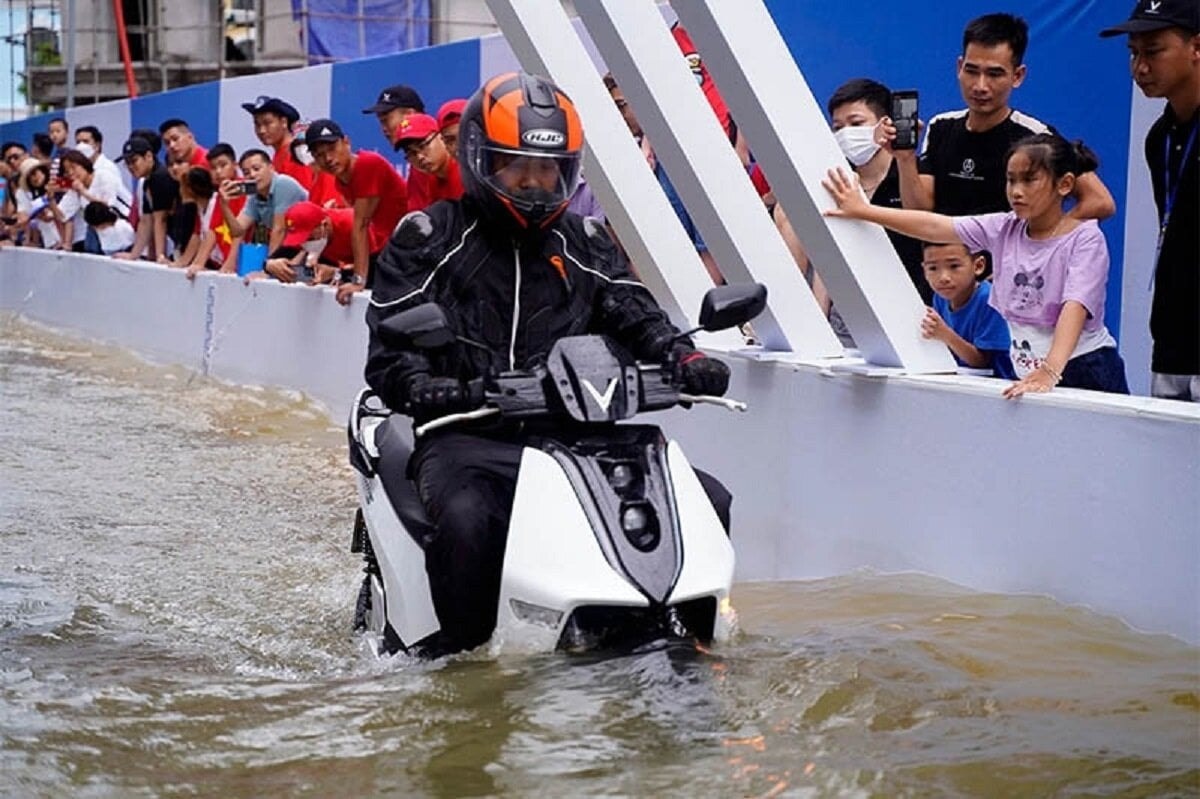
Passing through flooded areas
Many people carelessly drive through flooded areas, leading to the risk of water entering the electrical system and causing damage. The advice is to avoid driving through flooded areas, especially when the water level exceeds the vehicle's safe limit. If you must drive through, ensure you move slowly and thoroughly inspect your vehicle after passing through the flooded area.
No battery protection for the car.
The battery is the most important component of an electric vehicle and is very susceptible to water and moisture. However, many people don't pay attention to protecting the battery when driving in the rain. Owners should use protective measures such as waterproof battery covers or install additional battery protection devices. After each trip in the rain, check and dry the battery to ensure no water has entered.
Use non-waterproof accessories.
Using non-waterproof accessories such as lights, horns, or other electronic devices can lead to damage in the rain. You should choose accessories that are water-resistant. If you are unsure about the water resistance of an accessory, wrap it in waterproof materials before use.
Do not dry your car after driving in the rain.
After driving in the rain, many people don't dry their cars but let them air dry. This allows water and moisture to penetrate the car's components, causing damage. Therefore, always dry your car with a soft cloth, especially electrical components and the battery. Ensure your car is stored in a dry, well-ventilated place.
Using unsuitable tires.
Worn tires or tires unsuitable for wet or slippery road conditions can easily lead to loss of control and accidents.
Therefore, it's necessary to check your tires regularly and replace them when needed. Choose tires with deep treads and good traction to ensure safety when driving in the rain.
Using electric vehicles during the rainy season requires special attention and caution from users. By avoiding common mistakes and taking protective measures, you can ensure your electric vehicle operates well and safely in all weather conditions.


