
The most devastating superstorms in history.
Haiyan was one of the super typhoons with extremely high intensity and destructive power, causing significant loss of life and property in the areas it passed through.
Super Typhoon HaiYan hits the Philippines like the end of the world.
>>The devastating power of Super Typhoon Haiyan in the Philippines
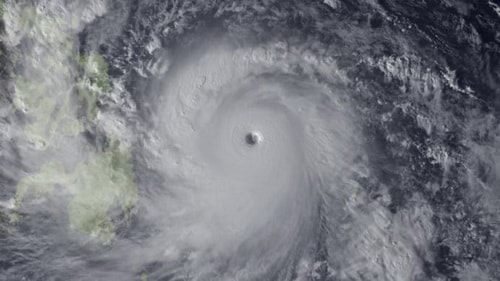 |
| Satellite images show Super Typhoon Haiyan on November 7th, with its impact extending over 400 km. |
Super typhoon Haiyan, with its tremendous power, struck the Philippines, causing devastating damage to the country. Super typhoons are storms with wind speeds reaching hundreds of kilometers per hour and extremely high pressure, resulting in heavy losses of life and property. We would like to review some of the largest and most terrifying super typhoons ever recorded in the world.
1. Hurricane Ike in 2008
Hurricane Ike was one of the three most devastating hurricanes ever to hit North America, causing $24 billion in damage in the US, $7.3 billion in Cuba, $200 million in the Bahamas, and $500 million in Turks and Caicos.
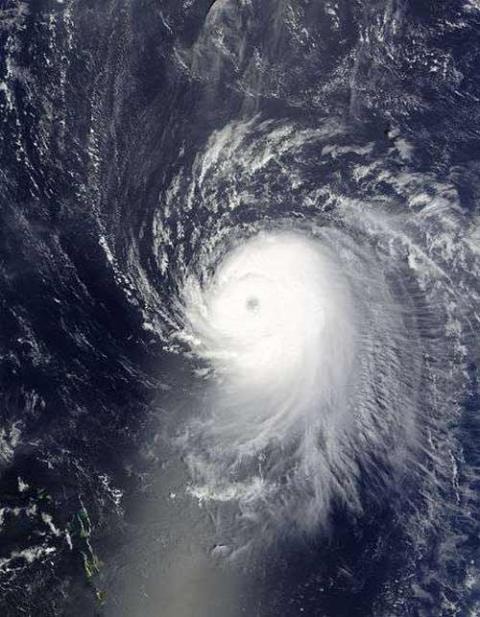 |
Formed on the morning of September 1, 2008, Hurricane Ike gradually intensified to a Category 4 storm with pressures below 930 mbar hPa, becoming the strongest hurricane in the North Atlantic in 2008. After sweeping across Cuba and the Gulf of Mexico, Hurricane Ike, with winds of approximately 205 km/h, made landfall in the US state of Texas before dissipating, killing at least 195 people in its path.
2. Hurricane Katrina in 2005
Hurricane Katrina was a devastating superstorm that ravaged the southeastern United States and became the most destructive natural disaster in American history since the 1906 San Francisco earthquake.
With an atmospheric pressure of 918 mb of mercury at its center and wind speeds of 201 km/h, it was the third strongest hurricane ever recorded to hit the US state of Louisiana.
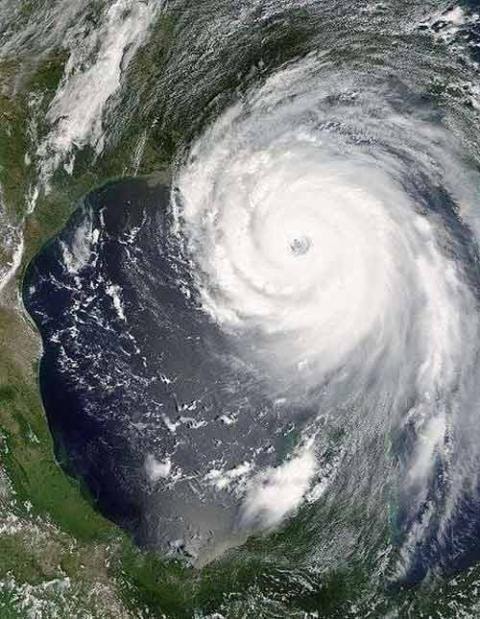 |
The US confirmed 207 deaths in the storm when two levees in New Orleans broke, flooding 80% of the city, with water levels rising as high as 7.6 meters in some areas. More than 1 million people lost their homes due to the superstorm. The power system in the affected areas was severely damaged and took two months to restore.
Although these were some of the biggest super typhoons in history, they cannot compare to Super Typhoon Haiyan, a Category 5 super typhoon with wind speeds reaching 312 km/h, which recently made landfall in the Philippines and is now posing a direct threat to Vietnam.
According to American meteorologist Jeff Masters, Super Typhoon Haiyan was the strongest typhoon of 2013 and the strongest super typhoon to ever make landfall in human history.
3. Hurricane Kenna in 2002
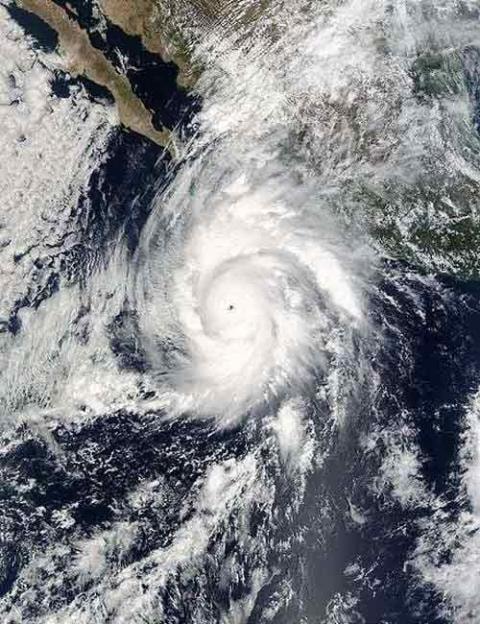 |
Category 5 Hurricane Kenna was the third major Pacific hurricane to make landfall on the Mexican coast on October 25, 2002. With wind speeds of 225 km/h and waves reaching 5 meters in height, this hurricane caused $101 million in damage to Mexico.
4. Hurricane Pauline in 1997
Not only was Hurricane Pauline one of the most devastating storms ever to hit Mexico, it was also one of the deadliest.
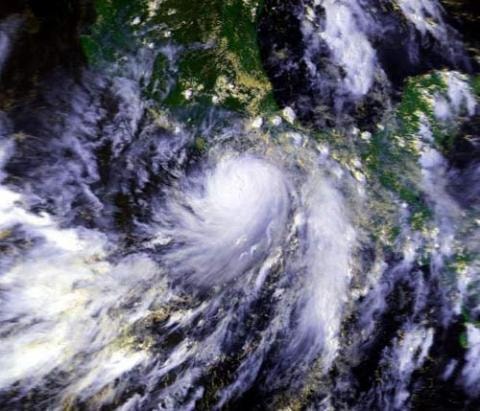 |
Upon making landfall on the Mexican coast, Hurricane Pauline brought heavy rains, with rainfall measured at 406 mm in Acapulco. The torrential rains triggered devastating landslides, burying villages and homes, resulting in approximately 250-400 deaths and 300,000 people losing their homes.
Furthermore, Hurricane Pauline was one of the most economically damaging hurricanes, with total losses reaching $7.5 billion.
5. Hurricane Nina in 1975
In August 1975, Typhoon Nina unexpectedly struck China with such tremendous force that it caused the Banqiao Dam in Henan Province to burst immediately. The Banqiao Dam breach caused a massive flood that triggered a series of dam failures across China, amplifying the damage caused by Typhoon Nina.
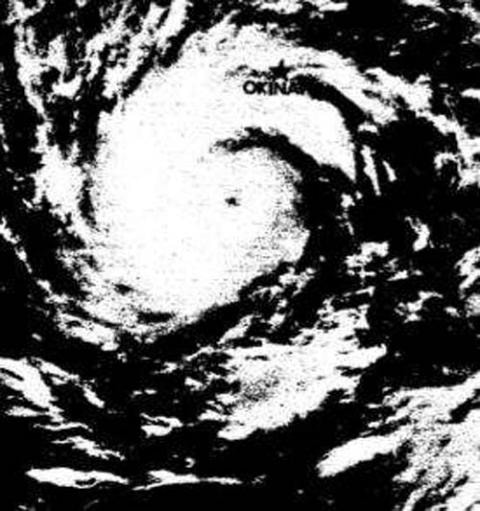 |
As one of the most dangerous storms in Asian history, Typhoon Nina raged for a very short time but was incredibly powerful, claiming the lives of approximately 100,000 people.
6. Hurricane Bhola in 1970
Cyclone Bhola is considered the strongest tropical cyclone ever to hit East Pakistan (modern-day Bangladesh) and the West Bengal region of India on November 12, 1970. The storm killed approximately 300,000 to 500,000 people, making it one of the deadliest natural disasters in history.
Although this storm was only classified as a Category 3 super typhoon, the high number of fatalities was due to the massive waves it generated that flooded low-lying islands in the Ganges Delta, sweeping away villages and crops in the area.
5. Hurricane Galveston, 1900
On September 4, 1900, authorities in Galveston, Texas, issued a warning about a major hurricane that had just swept across Cuba and was heading straight for the Gulf of Mexico.
The US National Weather Service's "major storm" warning is simply a term used in their policy instead of "superstorm" to avoid causing panic among the public.
 |
However, this type of warning led the people of Galveston to become complacent and negligent in their preparations, while a massive superstorm was approaching.
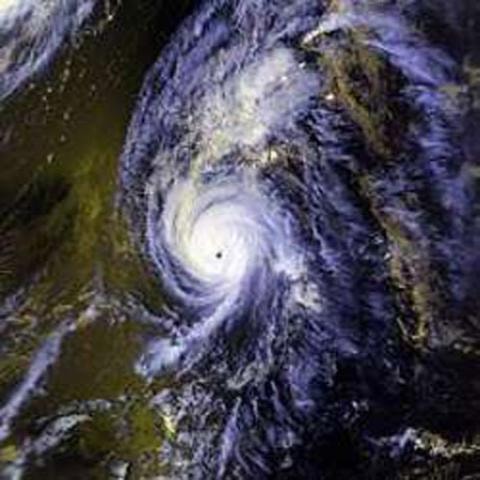
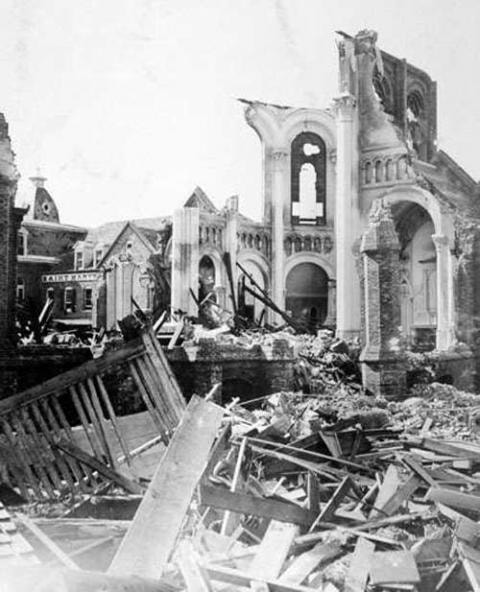
When Hurricane Galveston made landfall on September 8th, it generated waves up to 4.5 meters high and winds reaching 217 km/h, a Category 4 hurricane. The waves were so powerful that they swept across the entire island of Galveston, washing away and destroying 3,600 homes.
Hurricane Galveston was the deadliest natural disaster in American history, claiming over 6,000 lives. Total damage caused by this superstorm amounted to $20 million in 1900, equivalent to $500 million today.
7. The Superstorm of 1780
This was the deadliest hurricane to form in the Atlantic, devastating Puerto Rico, Dominica, the Lesser Antilles, Bermuda, and the US state of Florida.
 |
Although property damage has not been quantified, this super typhoon has claimed a total of 22,000 lives.
According to xaluan


