
Common habits that harm your car
(Baonghean.vn) - When driving a car, some habits, due to laziness, saving money, or simply ignorance, can affect the lifespan of the vehicle. Below are some habits that many drivers overlook.
Improper vehicle starting
Starting a car may sound simple, but it's actually quite different from turning on the radio, TV, or air conditioner. Many people rush to drive off as soon as the engine starts. This causes the engine to wear out quickly because it has to work harder before it's fully ready. Conversely, many people start the engine just to warm up the car. This action not only fails to warm the car up but can also harm the engine if left running for too long.
The best way to start a vehicle is to set off after warming up the engine for 30 seconds to 1 minute.
Rest your arm on the gear shift
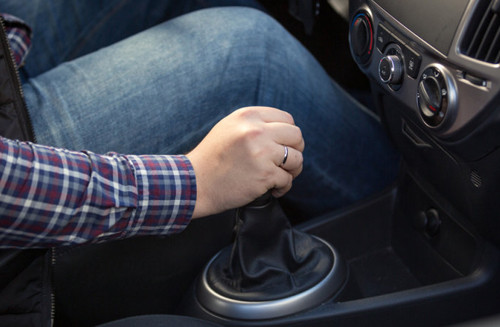 |
Driving a manual transmission car is often quite enjoyable, and when going over bumpy roads, drivers instinctively place one hand on the steering wheel and the other on the gear shifter.
Placing your hands on the gear shifter can put pressure on the transmission's bearings and synchronizers, causing them to wear out faster. In any case, the best approach is to keep both hands on the steering wheel. This allows the driver to shift gears and maintain control during sudden turns.
Do not use the parking brake.
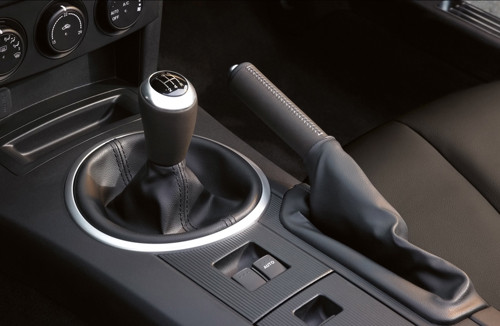 |
In automatic cars, many people often rely on the P gear and don't engage the parking brake when parking, especially on inclines. The P gear mechanism is simply a ratchet gear without rotating shafts, so if this gear is subjected to continuous force, it can wear out quickly or even break. Always use the parking brake to reduce stress on the transmission.
The radiator is regularly filled with 100% plain water.
According to the principles and guidelines, to protect your car, you should fill the radiator with a mixture of 50% regular water and 50% coolant. However, many people still don't read the instructions carefully and continue to use only regular water for the radiator.
This causes water to evaporate very quickly, and in winter it will freeze if the outside temperature drops too low. Operation will be problematic if this situation persists.
Let the fuel tank run empty.
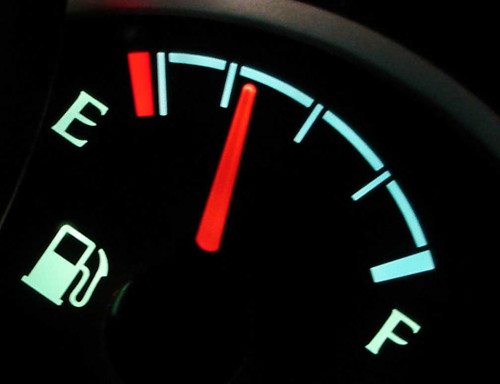 |
Modern vehicles have fuel pumps that are cooled by the fuel in the tank itself. Constantly letting the fuel tank run low can lead to the fuel pump overheating and wearing out. Keeping the fuel tank at least about a quarter full will keep the fuel pump in good condition.
Use the parking brake to stop the car for an extended period of time.
Using the handbrake is convenient, but prolonged braking makes it difficult to release the handbrake, causing problems with vehicle operation. Even if the driver can use high speed to return the brake to its original position, this action reduces the lifespan of the handbrake.
Floor the gas pedal while the engine is still cold.
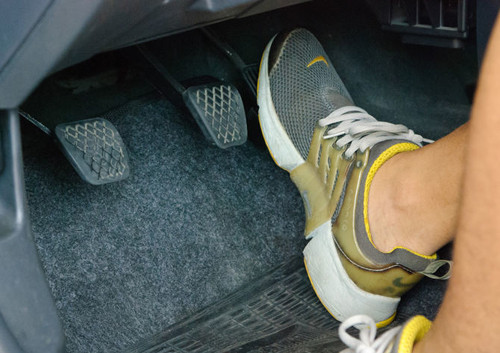 |
If leaving a car overnight or parked for an extended period, drivers should let it idle for one or two minutes after restarting. This allows the engine to warm up, and the lubricating oil to circulate and lubricate all parts. Pressing the accelerator hard immediately after starting creates a sudden temperature change, damaging components.
The engine is cleaned by spraying water at high pressure.
Keeping your car clean is a good habit, but spraying high-pressure water on the engine is a mistake. While strong water jets will wash away dirt, they can also loosen or dislodge many important engine parts. Therefore, a dirty but functioning engine is better for the car than a sparkling clean but malfunctioning engine.
Overuse of the clutch pedal
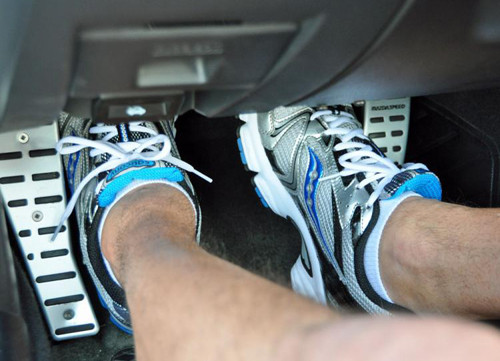 |
Many drivers operate the clutch pedal in this way. Even when stopped, they keep the clutch pedal pressed down to the floor. This might help the car move forward slightly in traffic jams or be ready to move when the traffic light turns green. However, pressing the clutch pedal while stopped causes friction on its surface, leading to wear and tear and loss of clutch functionality. This also damages the clutch release ring, clutch lever, and brake pads.
Instead of depressing the clutch and shifting into forward gear, release the clutch and shift into neutral. When starting to move, first lightly depress the clutch before letting the car roll.
Turn the car around.
Normally, when making a U-turn, the driver will turn the steering wheel all the way. However, if the steering wheel is turned all the way frequently, the generated mechanical force will be affected, leading to premature steering wheel maintenance. Therefore, drivers should reduce the force applied when turning the steering wheel to avoid damaging the vehicle.
Suddenly shifting from reverse (R) to forward (D)
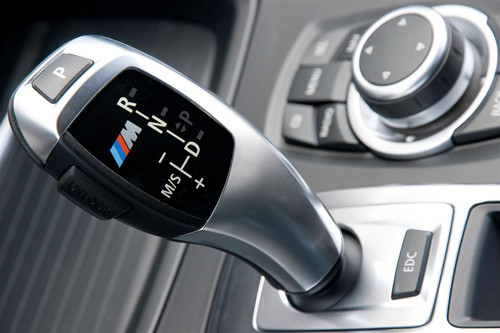 |
When reversing out of a parking space, many drivers instinctively shift gears and start moving forward... This may not have an immediate impact, but over time, such abrupt changes of direction can damage the powertrain.
Instead, bring the vehicle to a complete stop before shifting gears. This only takes a few extra seconds and will prevent future damage to the axle, engine, and transmission.
Autopilot
You shouldn't let the car run on autopilot because doing so will prevent sufficient oil from reaching the engine, which will further damage the gearbox.
Apply the brakes when going downhill.
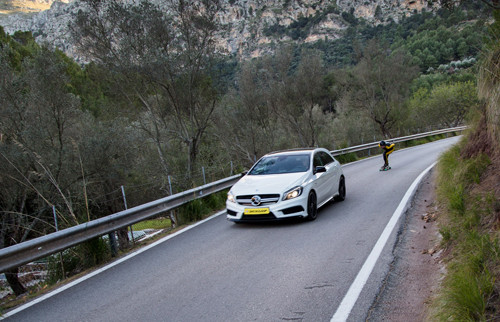 |
Sometimes drivers apply the brakes while going downhill to prevent the vehicle from going too fast. However, this generates heat in the brake pads and rotors, causing wear and increasing the risk of overheating or warping. In addition, the hydraulic system can become ineffective due to working under high pressure. The ultimate consequence is brake failure.
One solution is to try shifting to a lower gear. The natural reduction in stress on the powertrain will help the vehicle maintain a safe speed. This way, when you need to apply the brakes, they will be much more effective.
Using the wrong type of engine oil for the vehicle.
Regular oil changes are essential for improving your vehicle's performance. Using the wrong type of oil, unsuitable for your engine, will quickly lead to wear and tear on other internal components. This will prevent your car from running smoothly and could cause engine failure sooner or later.
Ignore warning icons.
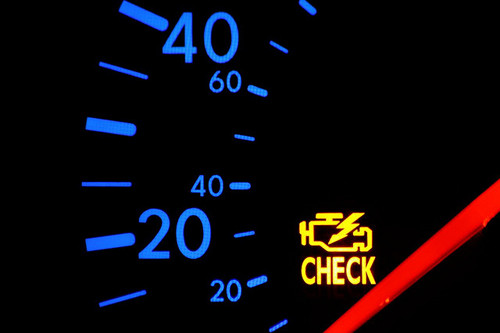 |
The warning lights on the dashboard don't light up randomly, so when any light comes on, it definitely means your car is having a problem. Ignoring the warning might not cause immediate damage, but it can have long-term consequences, and more importantly, it could cause the car to stop abruptly while in motion.
Ignoring the warning signs
Any unusual vibrations, persistent hissing noises, frequent banging, or other abnormal symptoms should be checked immediately.
The driver might not notice any problems, but the longer it's left unchecked, the more trouble it will cause if a part suddenly breaks down, leaving the car stranded on the road.
Ngoc Anh
(Synthetic)
| RELATED NEWS |
|---|


