
Foods to avoid when taking medication
Although these foods are very healthy, when combined with medicine, they become poisonous.
Cold and flu medicine with coffee
If you're suffering from illnesses caused by erratic weather changes, such as a runny nose, sore throat, or the flu, taking medication with coffee can stimulate the nervous system, causing anxiety, trembling, sweating, and even hallucinations.
Even green tea, which contains many minerals beneficial to the body, is "boycotted" in this case because its caffeine content will reduce the effectiveness of the medication, causing discomfort and worsening the illness.
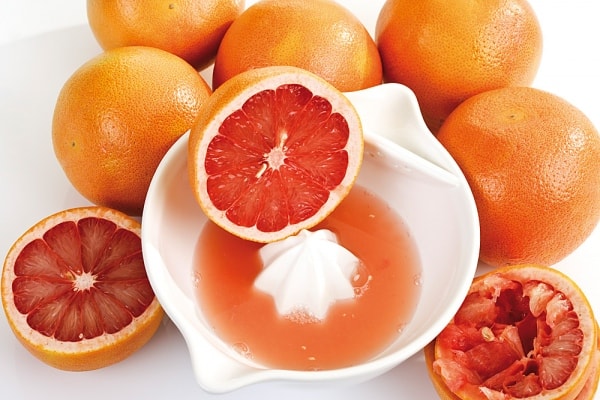
Grapefruit juice with kidney medicine
Did you know that taking medication with grapefruit juice significantly reduces the body's ability to absorb the substances in the medication? For those who are taking medication to lower cholesterol, grapefruit juice can increase the absorption of the medication by up to 15 times, causing extremely serious harm.
For those taking medication for kidney-related conditions, grapefruit juice can reduce the effectiveness of the medication. Furthermore, regular consumption can even cause serious kidney damage.
Oranges and tangerines with anti-inflammatory properties.
 |
Everyone knows that citrus fruits contain a lot of vitamin C, A, and many minerals that are very good for the body's development, help boost the immune system, give the skin a healthy glow, and even aid in weight loss.
However, these products are completely unsuitable for people suffering from stomach problems, excess stomach acid, or persistent heartburn. If used with anti-inflammatory drugs or stomach pain medication, they will worsen the condition, causing burning sensations in the stomach and increasing acid levels.
Foods rich in vitamin K, along with medication for blood disorders.
Foods rich in vitamin K, such as avocados, cilantro, lettuce, celery, zucchini, and green cabbage, are very good for people with low platelet counts – a cause of blood thinning. However, it's important to note that if you have a blood disorder with high platelet counts, or your blood is too thick and clots too much, hindering blood circulation, you should avoid these foods.
Foods high in vitamin K can reduce the effectiveness of medication, further increasing blood clotting and platelet levels in the body. However, you should gradually reduce these foods in your daily diet rather than drastically cutting them out to avoid nutrient deficiencies and ensure your body can adapt to these changes.
Spinach with calcium tablets
You should avoid eating spinach within two hours of taking calcium supplements. This is because spinach contains a high amount of potassium oxalate, which, once in the body, precipitates into calcium ions, hindering the body's absorption of calcium and leading to stunted growth and delayed development.
Cheese, meat products rich in histidine, and antihistamines.
While taking allergy medication, you should avoid cheese and meat products rich in histidine.
The reason is that histidine in the body is metabolized into histamine, and allergy medications inhibit the breakdown of histamine, causing this substance to accumulate in the body, leading to dizziness, headaches, and other unpleasant sensations.
Sweet foods go well with bitter-tasting stomach medicine.
Bitter-tasting stomach medications often rely on the inherent bitterness of the drug's ingredients to stimulate saliva production and gastric juice secretion, thereby creating a feeling of appetite and speeding up digestion. However, if the bitterness of the medication is combined with the sweetness of food immediately after taking it, its effectiveness can be significantly reduced, and the medication will almost lose its therapeutic effect.
Bananas and oranges with diuretics
When using diuretics or laxatives, small amounts of potassium remain in the blood. If you then consume potassium-rich foods like bananas and oranges, it can lead to severe potassium excess, easily causing cardiovascular complications and being extremely harmful to your health.
Shrimp with Vitamin C
After taking vitamin C supplements, you should not eat shrimp for two hours. This is because the high amount of copper in shrimp will oxidize vitamin C, rendering the vitamin C supplements ineffective.
According to Phu Nu Today (Women Today)


