
Foods that are extremely good but shouldn't be eaten in large quantities.
Even foods that are considered healthy and beneficial to health can have adverse effects if consumed in excess.
Carrot
The beta-carotene content in carrots has been shown to help prevent certain cancers, especially when converted into vitamins A, B, and E, and minerals such as calcium, magnesium, manganese, iron, and copper—essential nutrients for the body. However, caution is advised, as excessive beta-carotene intake can cause the skin to turn yellow. This is common in infants, young children, and even those who frequently consume carrots.
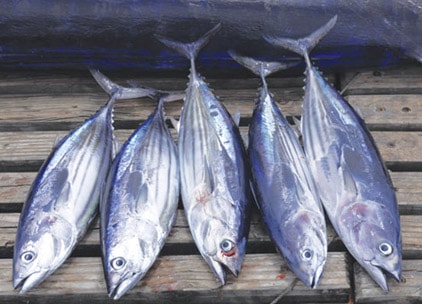
Tuna... should only be consumed in moderation to be beneficial to health - Photo: Shutterstock
Tuna
This type of fish is recommended by many nutritionists for inclusion in meals due to its benefits: lowering blood pressure, reducing bad cholesterol, protecting the liver, preventing anemia and iron deficiency, and reducing the risk of heart disease. However, caution should be exercised when consuming this fish, as CBS News (USA), citing the Institute for Biodiversity Research in Maine, reports that up to 84% of fish worldwide contain mercury, which is harmful to health; tuna, in particular, often has mercury levels exceeding safe limits. Eating too much tuna can easily lead to mercury poisoning – an element that can cause permanent damage to the brain and kidneys.
Kombucha tea
Kombucha, also known as health-promoting mushroom tea, is a fermented food used in folk medicine for centuries. Its benefits have been scientifically proven to help prevent conditions such as atherosclerosis, constipation, fatigue, detoxify the body, and fight aging. In recent years, kombucha tea has become popular, however, some undesirable side effects such as vomiting and allergies often occur with excessive consumption. Furthermore, the kombucha brewing process can easily lead to mold and bacterial contamination.
Coffee
Besides its benefits such as weight loss, cancer prevention, diuretic effects, reduced risk of gallstones, prevention of cirrhosis, and improved brain function, coffee can also disrupt heart rhythm, cause blood clots, nausea, anxiety, restlessness, tremors, and difficulty sleeping if consumed in large quantities.
Water
Everyone knows how important water is to the body. However, improper or excessive water intake can lead to electrolyte imbalance. According to Dailyhealthpost, electrolytes such as sodium, potassium, magnesium, and calcium are crucial for the body to perform its functions optimally. Drinking too much water disrupts the electrolyte balance, leading to water imbalance. As a result, the body constantly excretes water, causing fatigue and increasing the risk of heart and kidney problems.
According to Thanh Nien - NM


