
Say no to violence in hospitals!
Assaulting medical staff is a violation of the law. Encouraging violence and widening the gap between doctors and patients is a crime.
Find the cause.
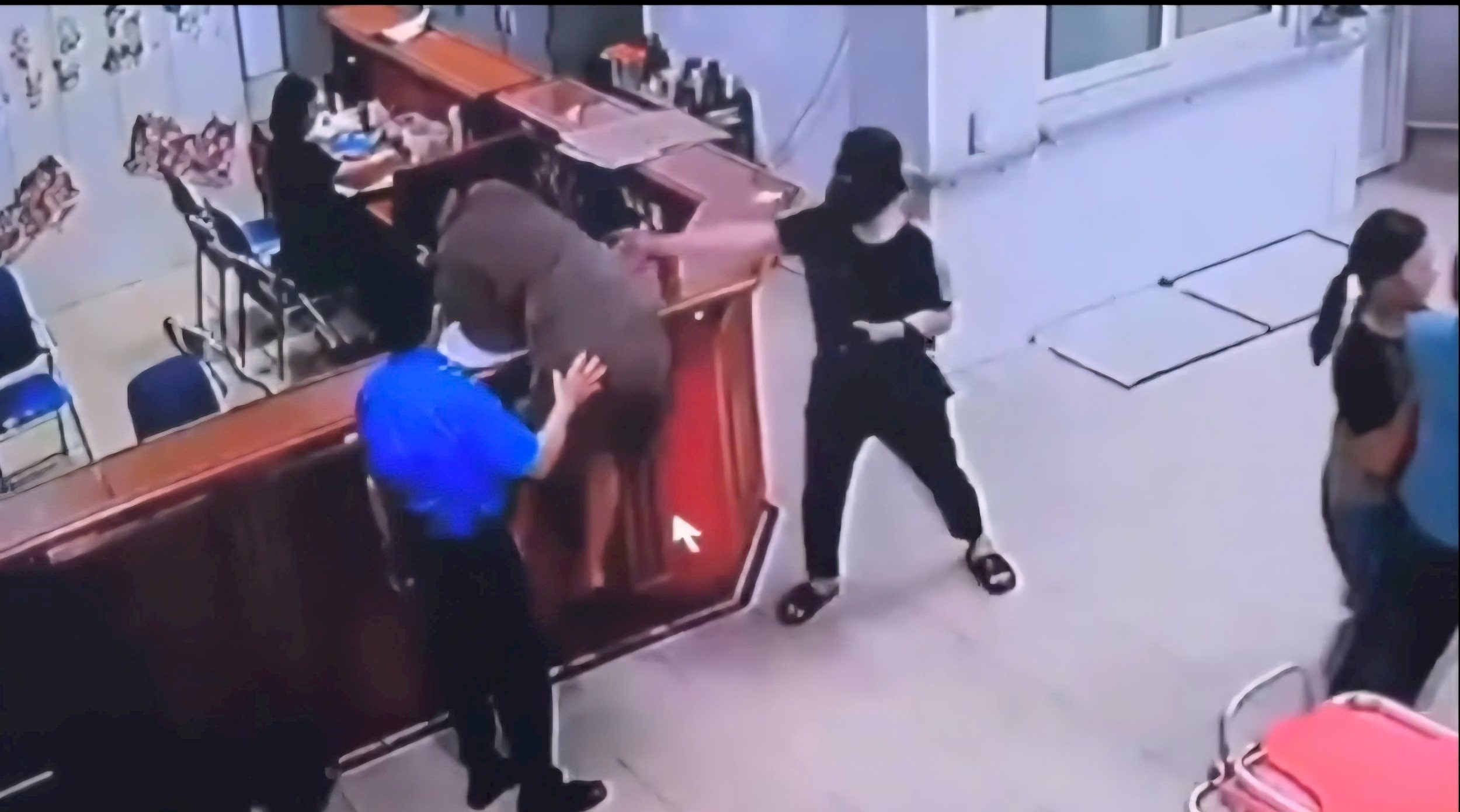
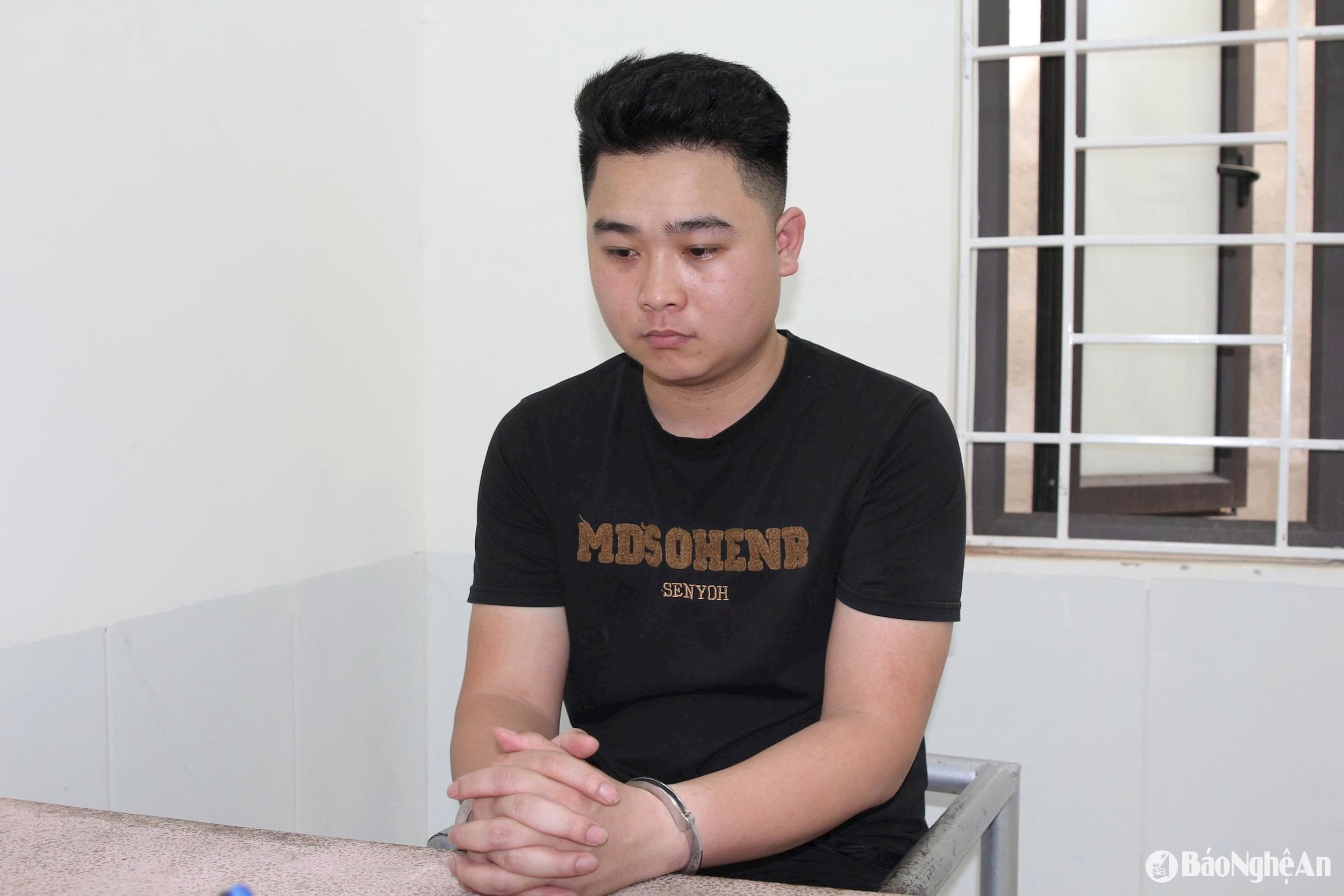
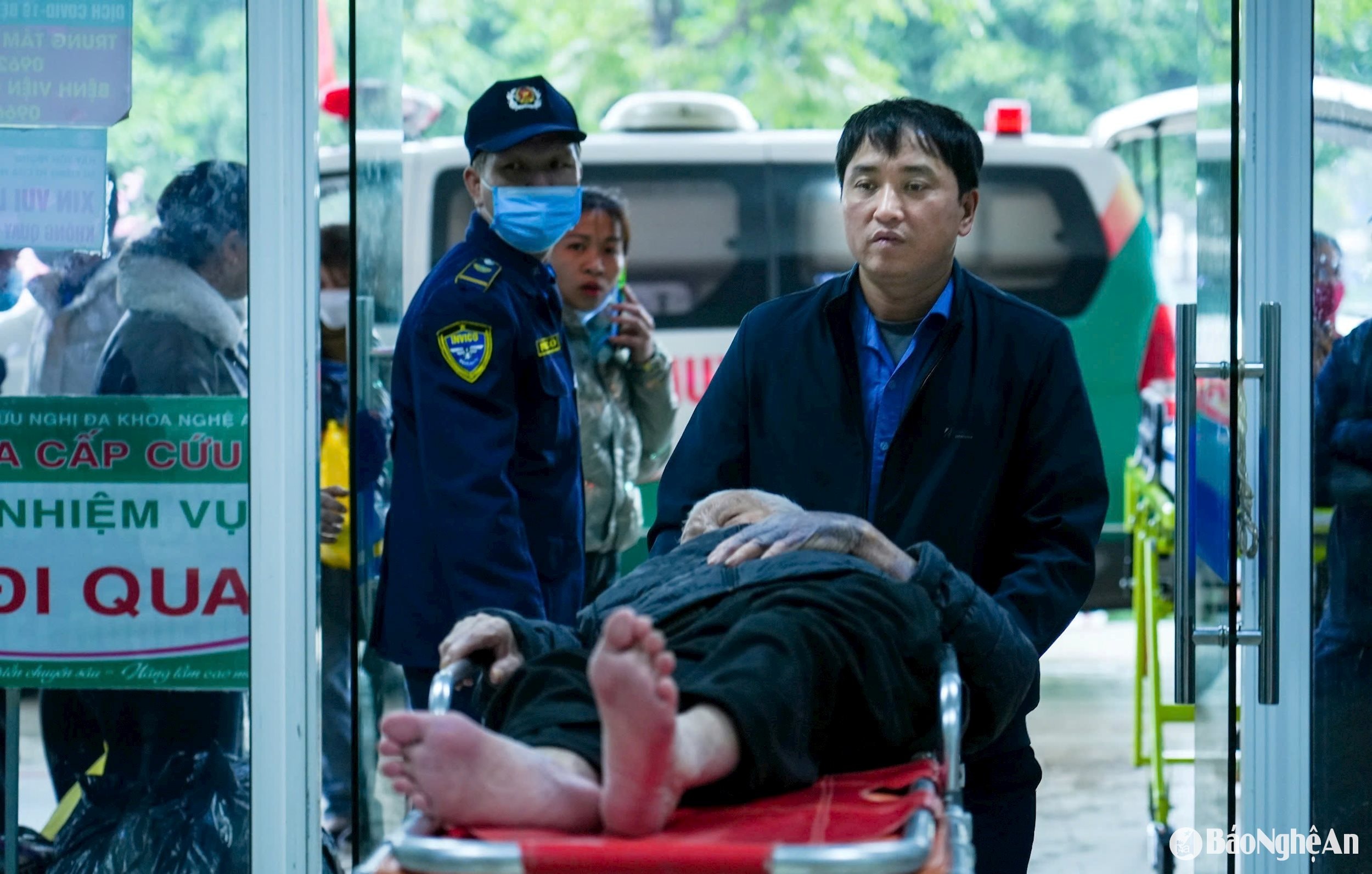
On June 1st, at Nghe An Friendship General Hospital, a female medical staff member was assaulted by a patient's family member, punched in the face in the emergency room. At the time of the attack, she was assisting a patient. The police subsequently arrested the suspect.assaultThis is concerning. Worryingly, this is not an isolated incident. In just over a month, there have been numerous cases of employees being assaulted.medicalThis has occurred at numerous public healthcare facilities across the country.
More importantly, when the incident of the medical staff being attacked was reported by the press and shared on social media, it received a variety of reactions from readers and social media users. Alongside outrage at the thuggish behavior of the patient's family members, there were also opinions justifying the violence with emotional justifications such as "there's no smoke without fire," "there must have been a reason for such outrage," and "the fault lies with the victim." Such justifications not only hurt the feelings of medical staff but also lead many to question whether social ethics and civilization are deteriorating.
Seeking answers to the question of why there are assaults on medical staff and why such thuggish behavior is justified, a doctor with a PhD in medicine and a specialist in Nghe An (who wishes to remain anonymous) explained: Objectively, firstly, the trust of some people in medical staff has plummeted, especially after a series of irregularities in the medical sector were exposed, and many medical staff were arrested in the Viet A case related to Covid-19 test kits. Secondly, a small number of medical staff have previously acted and spoken in ways that are unethical. One bad apple spoils the whole barrel.
Thirdly, the emotions of family members while in a medical facility are already pushed to the brink of "over the limit." In this state, they will become highly agitated if they perceive someone's behavior, actions, or words as inappropriate. Not to mention that some family members bring patients in while under the influence of stimulants such as alcohol.
From a subjective perspective, firstly, medical staff have received extensive training in schools, agencies, and workplaces. However, the vast majority of these courses and training programs focus solely on professional expertise. Courses and programs specializing in soft skills such as patient psychology, family psychology, and professional conduct are very rare. Most medical staff acquire these skills through self-study. And those with such a self-learning spirit have mostly become leaders, with less direct contact with patients.

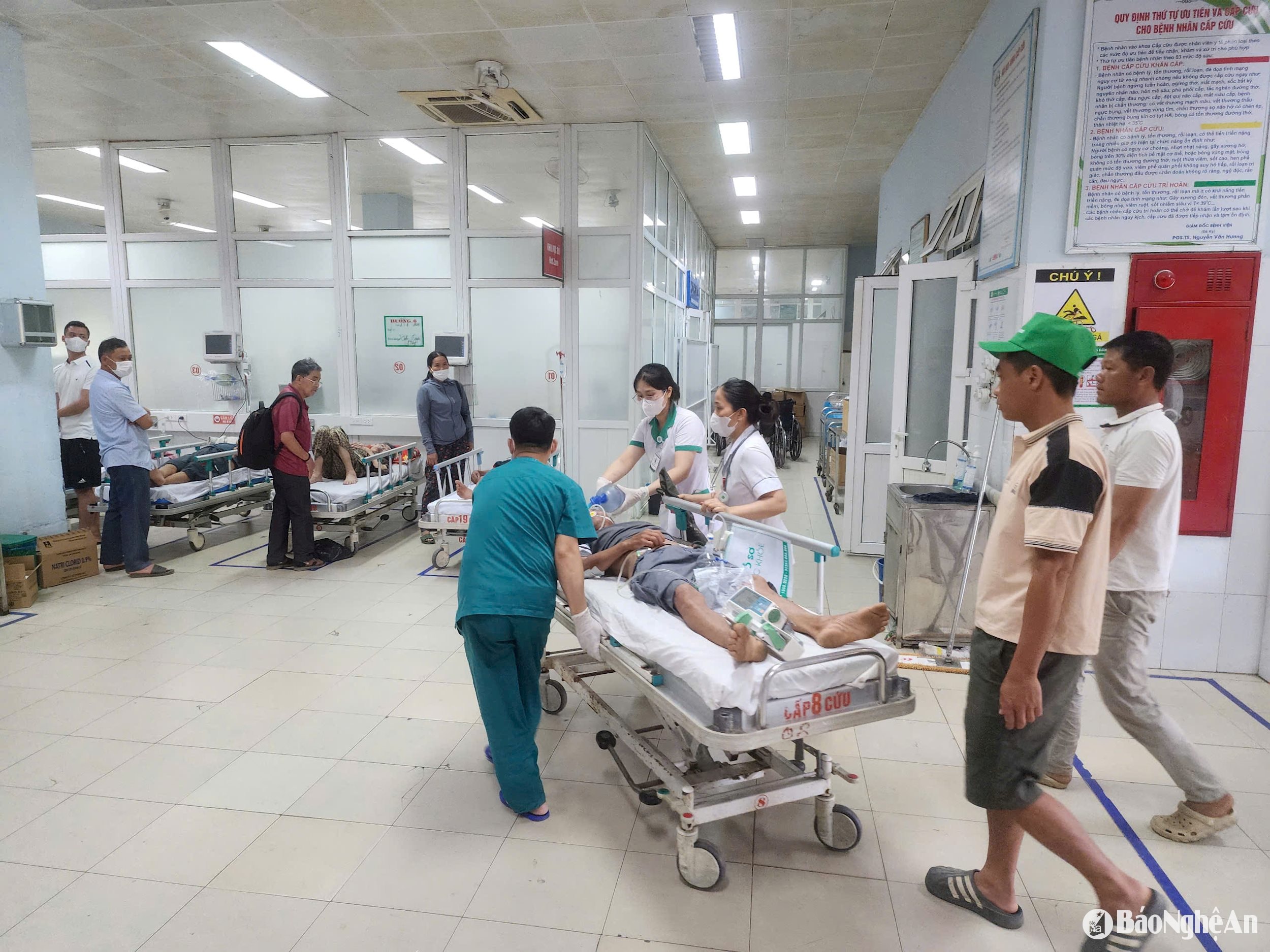
Secondly, the pressure of work in the healthcare environment (especially in public healthcare), particularly in the Emergency Department, is extremely intense. For example, the Emergency Department of Nghe An Friendship General Hospital receives 200-250 patients daily. Healthcare staff there work with urgency and efficiency. Unintentionally, normal social interactions have become reduced and replaced by impersonal demands and commands. In public healthcare facilities, recruitment and staffing are very "economical," forcing healthcare workers to work intensely for extended periods, leading to severe stress. In this situation, negatively impacting their mental and physical health, healthcare staff may unintentionally say or do things that displease patients and their families.
Thirdly, many medical facilities currently do not effectively implement hospital security measures; security equipment is very limited. The security staff (contracted from security companies) includes many "unofficial" workers who lack professional training; many are elderly or in poor health... therefore, when a situation arises, this force can only stand by and watch, appearing helpless. For example, in the recent incident at Nghe An Friendship General Hospital, when a patient's family member raised their voice and prepared to attack medical staff, the security guard in the Emergency Department calmly sat and looked at his phone.
Furthermore, many public hospitals currently lack a dedicated social work department due to cost-saving measures and manpower constraints. One of the crucial functions of this department is to welcome, guide, provide information, and introduce the hospital's medical services to patients from the moment they enter the outpatient department or clinic. The social work department plays a vital role in relieving pressure on patients and their families. In fact, hospitals with such a department experience significantly fewer incidents of assault against medical staff.
Who is responsible?
Clearly, the responsibility for assaults or unfriendly attitudes towards medical staff does not lie entirely with the victims. Who is responsible for this situation? – First and foremost, it lies with those who attacked the medical staff. They are attacking the very people who are working to protect the lives of their loved ones and safeguard public health. Medical staff are performing their duty to save lives in situations where they are not allowed to carry protective equipment and lack the ability to defend themselves in a high-pressure and risky environment. Attacks on medical staff should be considered attacks on public officials, and strong, strict penalties should be imposed.
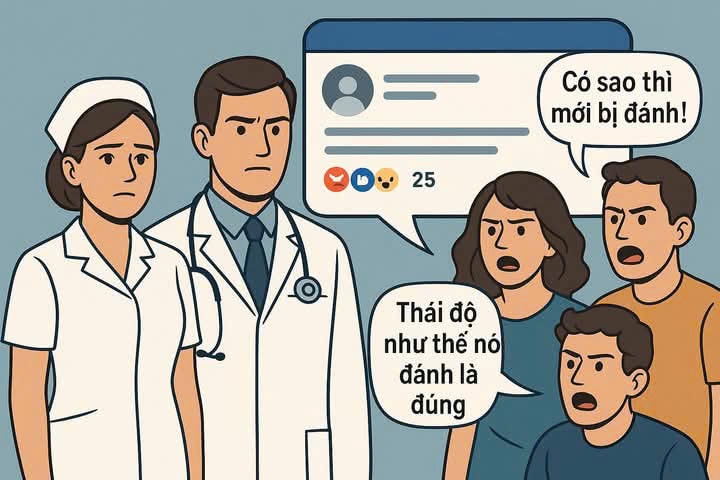
Those who are attacking medical staff on social media need to be vigilant and clearly distinguish right from wrong in each case and for each individual; they should not equate the inappropriate words or actions of a particular staff member with the general perception of the medical profession. Harsh and biased words towards medical staff in general not only hurt and frighten those who are performing their duty to save lives but also create an unfriendly reaction from the public when encountering medical staff; at the same time, it encourages violence in the medical environment. This will cause violence to escalate, spread, and become commonplace in society... gradually eroding all the most basic moral values in society.
Next, it is the responsibility of the healthcare facilities themselves. Healthcare facilities have not done a good job of protecting themselves. Specifically, healthcare facilities have not done a good job of allocating and utilizing human resources; have not done a good job of hospital security; and have not done a good job of training and educating healthcare staff... It should be added that nearly 15 years ago, the Nghe An Health Department launched the movement "Innovating the style and attitude of healthcare workers towards patient satisfaction" (including improving medical ethics, communication skills, and the spirit of service of healthcare workers). The leaders of the Health Department have continuously emphasized and required healthcare facilities to implement the movement well. The current situation demands that facilities further strengthen the implementation of this movement.
Ultimately, it is the responsibility of each healthcare worker. Every healthcare worker needs to cultivate a strong sense of self-improvement, enhancing medical ethics, communication skills, and a spirit of service. Along with that, each healthcare worker must also learn how to behave appropriately in the social media environment. An inappropriate word or phrase, out of context, can lead to misinterpretations; the victim can become the target of attack.
Returning to the incident where a female medical staff member at Nghe An Friendship General Hospital was attacked by a patient's family member, the leaders of the Nghe An Health Department have acted correctly, appropriately, and promptly. Immediately after the incident, the Director of the Nghe An Department of Health, Le Thi Hoai Chung, requested that the authorities strictly punish the assailant; at the same time, she requested that medical facilities review, strengthen, and implement measures to ensure security and order according to regulations; proactively develop plans to prevent and respond to disruptive situations and assaults on medical staff; urgently review, install, and maintain security camera systems and increase security personnel in key areas such as the Emergency Department and Outpatient Department...

The Director of the Department of Health also requested that medical facilities publicly disclose and enhance consultation and explanation regarding regulations and rules in medical examination and treatment, the number of family members allowed in when bringing relatives for examination and treatment; and ensure professionalism in conduct from medical staff and hospital workers.
The health sector leaders have requested that units continue to instill in medical staff the importance of upholding medical ethics, maintaining a positive attitude, and providing thorough explanations to patients' families. They hope that patients' families will understand the work environment and nature of the job, and create all conditions to enable medical staff to perform their duties in the best possible way.
Director of Nghe An Department of Health, Le Thi Hoai Chung
Fortunately, following the directive from the Director of the Nghe An Department of Health, many medical facilities in the province have organized training courses on medical ethics, communication skills, and codes of conduct. This is a timely and necessary measure to help medical staff protect themselves and uphold the trust placed in them by the white coat.


