Society

Farmers in Nghe An stay up all night to make sugarcane syrup for Tet.

Huy Thu January 1, 2025 18:24

These days, people in the riverside area of ​​Xuan Duong commune (Thanh Chuong district) are entering the season of pressing sugarcane to make molasses. The fragrant smell of sugarcane molasses makes them feel like Tet (Lunar New Year) is drawing closer.
bna_1.jpg
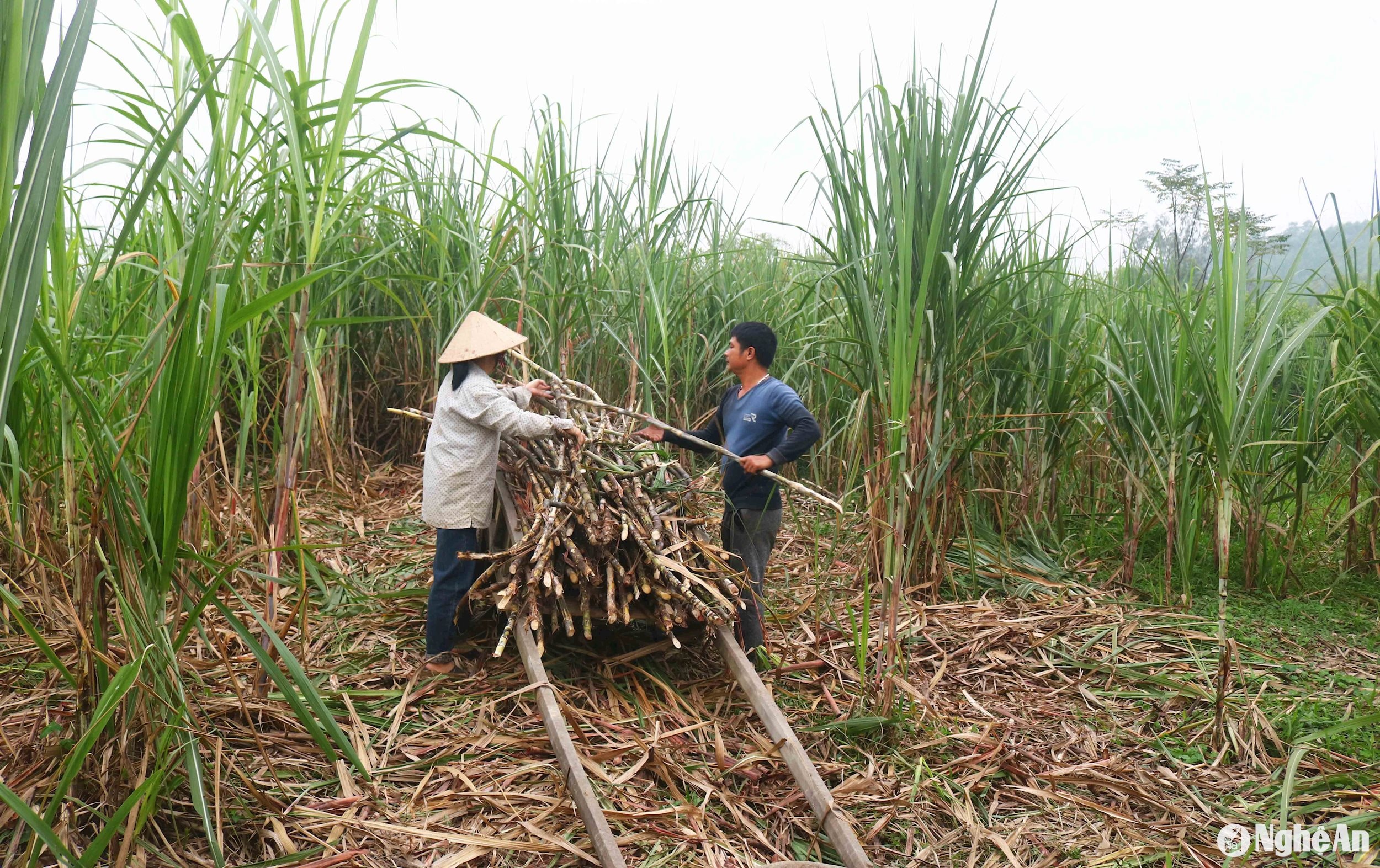
The Bien River delta area, now part of Duong Bac hamlet in Xuan Duong commune, has a long-standing tradition of sugarcane cultivation and molasses production. Many households in the area still continue this trade. Sugarcane here is planted once and harvested 4-5 times. (Photo: Huy Thu)
bna_2.jpg
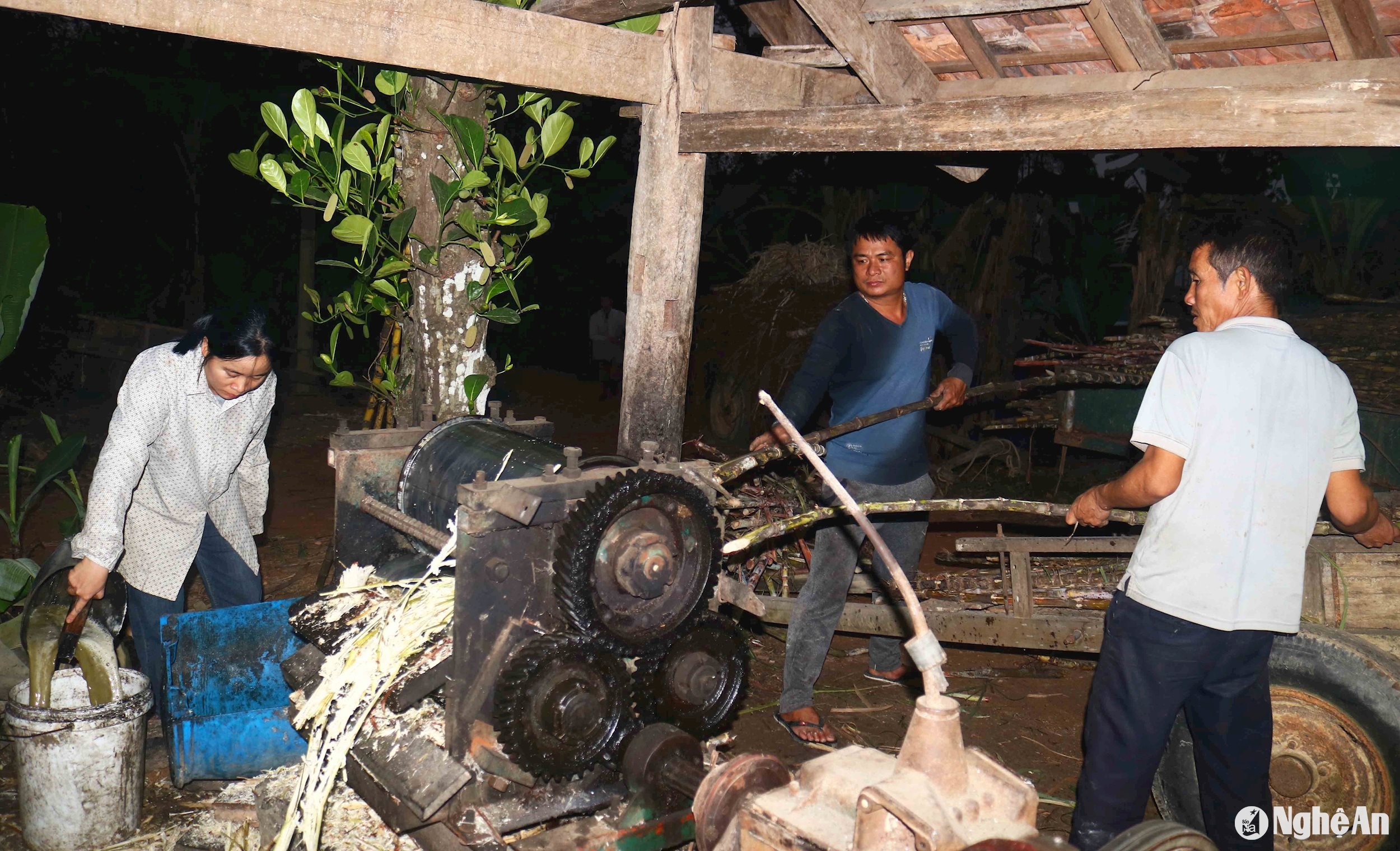
Previously, sugarcane pressing tools were rudimentary, and the process of pulling the stalks and boiling the syrup was quite laborious. Now, thanks to sugarcane pressing machines, pressing sugarcane has become much simpler. However, only two households in the village have purchased large-capacity pressing machines, which they use for both their own sugarcane juice and for other villagers, charging 100,000 VND per pot of sugarcane juice. Some households that don't take their sugarcane to be pressed use mini-presses to press sugarcane at home. Photo: Huy Thu
bna_3.jpg
Families who buy sugarcane pressing machines often build a molasses-making furnace next to the machine, consisting of two cast-iron pans and a wood-burning door. Those who transport sugarcane for pressing have to bring firewood to the furnace to cook the molasses. Locals say that cooking one pan of molasses takes four hours, so it consumes a lot of firewood. (Photo: Huy Thư)
bna_4.jpg
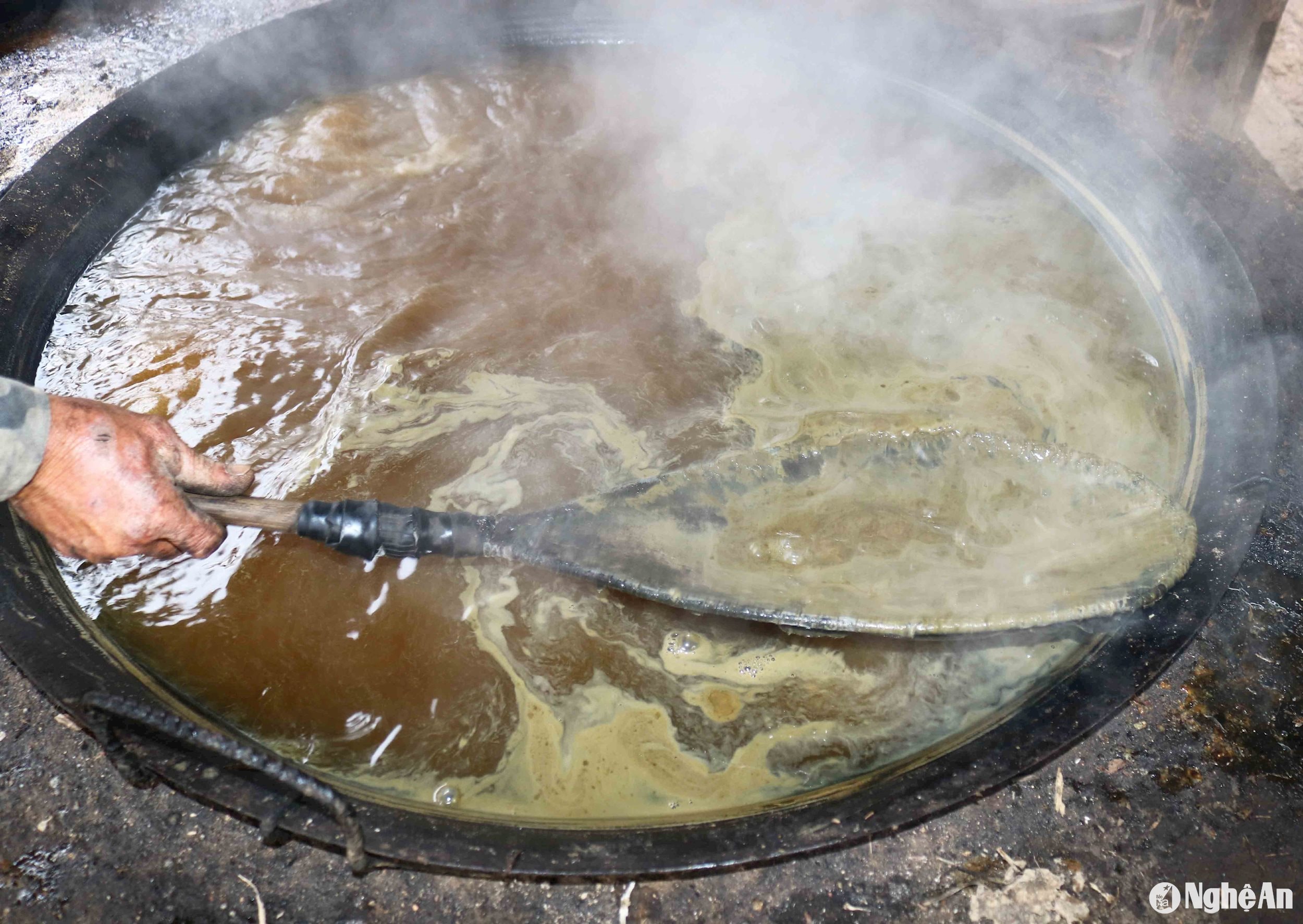
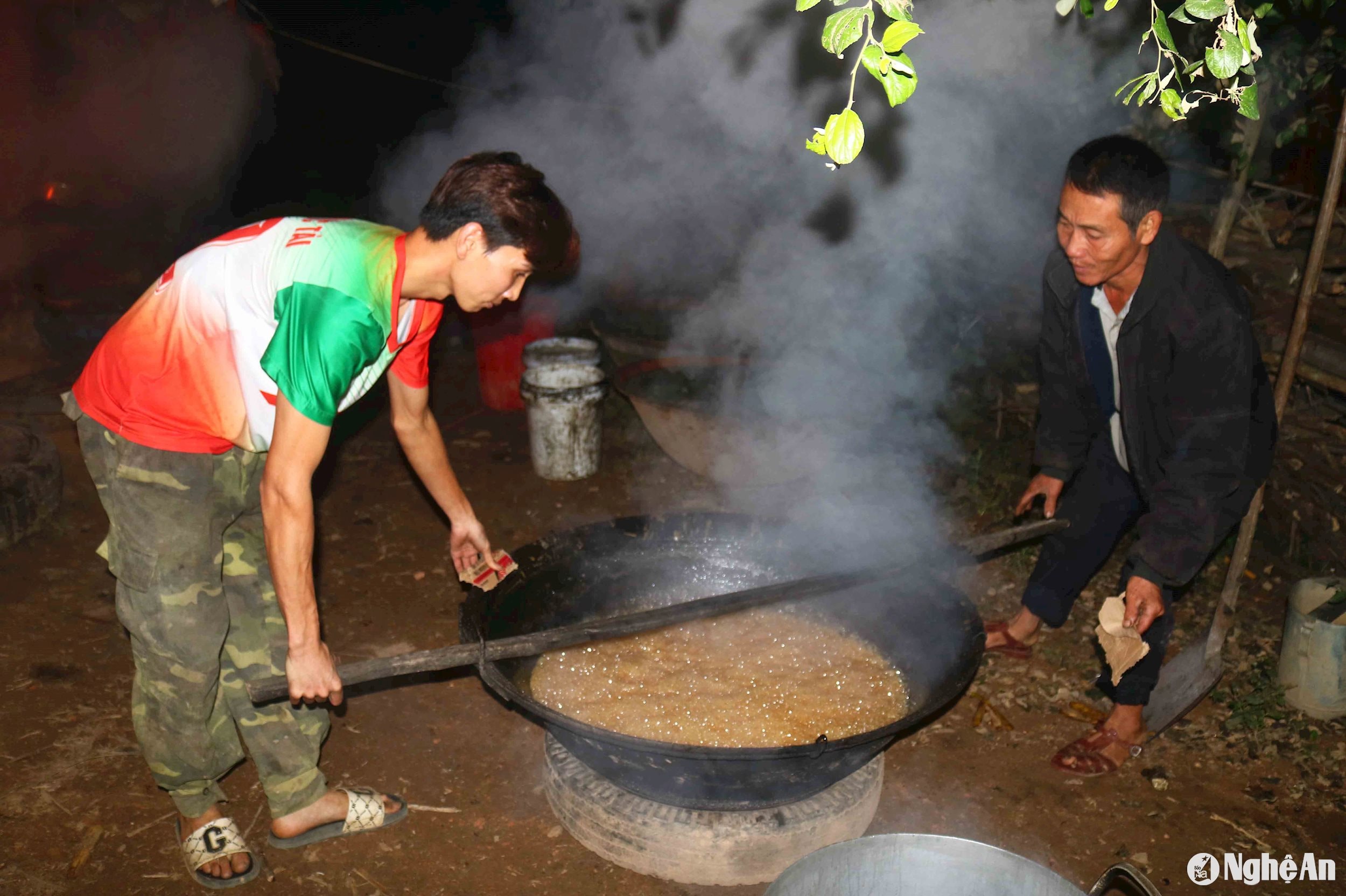
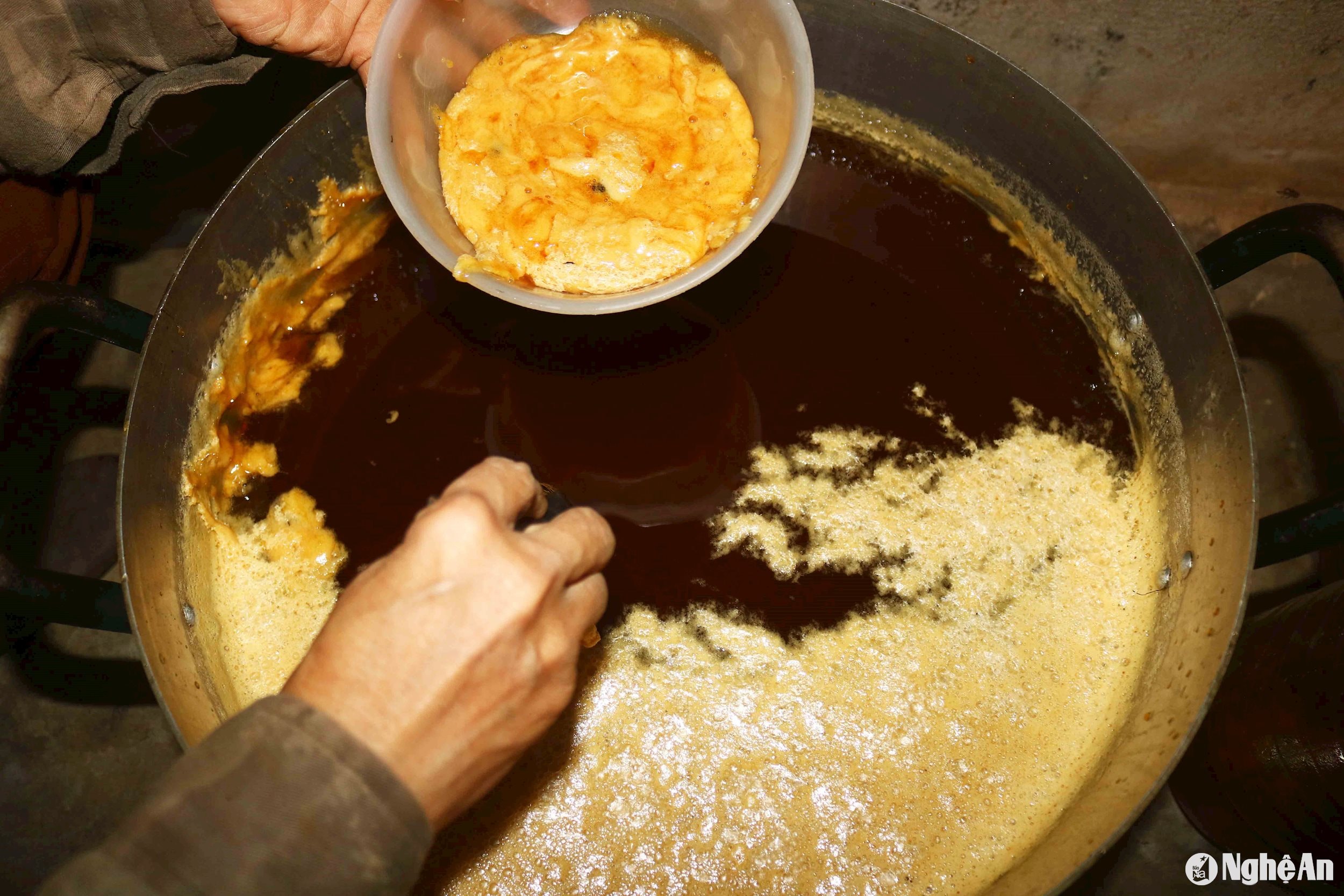
Each ox cart loaded with sugarcane stalks can typically yield 1-1.5 pans of sugarcane juice. When cooking the juice, the dirty foam that rises to the surface must be carefully skimmed off. Local people usually use a shallow sieve made of cloth or tulle to remove this foam. Photo: Huy Thu
bna_5.jpg
Ms. Nguyen Thi Binh (55 years old), an experienced sugarcane syrup maker in the neighborhood, shared: Her family grows 3 sao (approximately 3,000 square meters) of sugarcane. Last year, they pressed 30 pans of sugarcane juice and made 750 liters of syrup. This year, the sugarcane is good, the plants are big and sturdy, so they will yield more syrup. According to Ms. Binh, the dirtier the sugarcane, the more foam will be produced during syrup making. The foam gradually changes from black to white and then pinkish. If the foam is carefully skimmed off, the finished syrup will be bright and beautiful. Photo: Huy Thu
bna_6.jpg
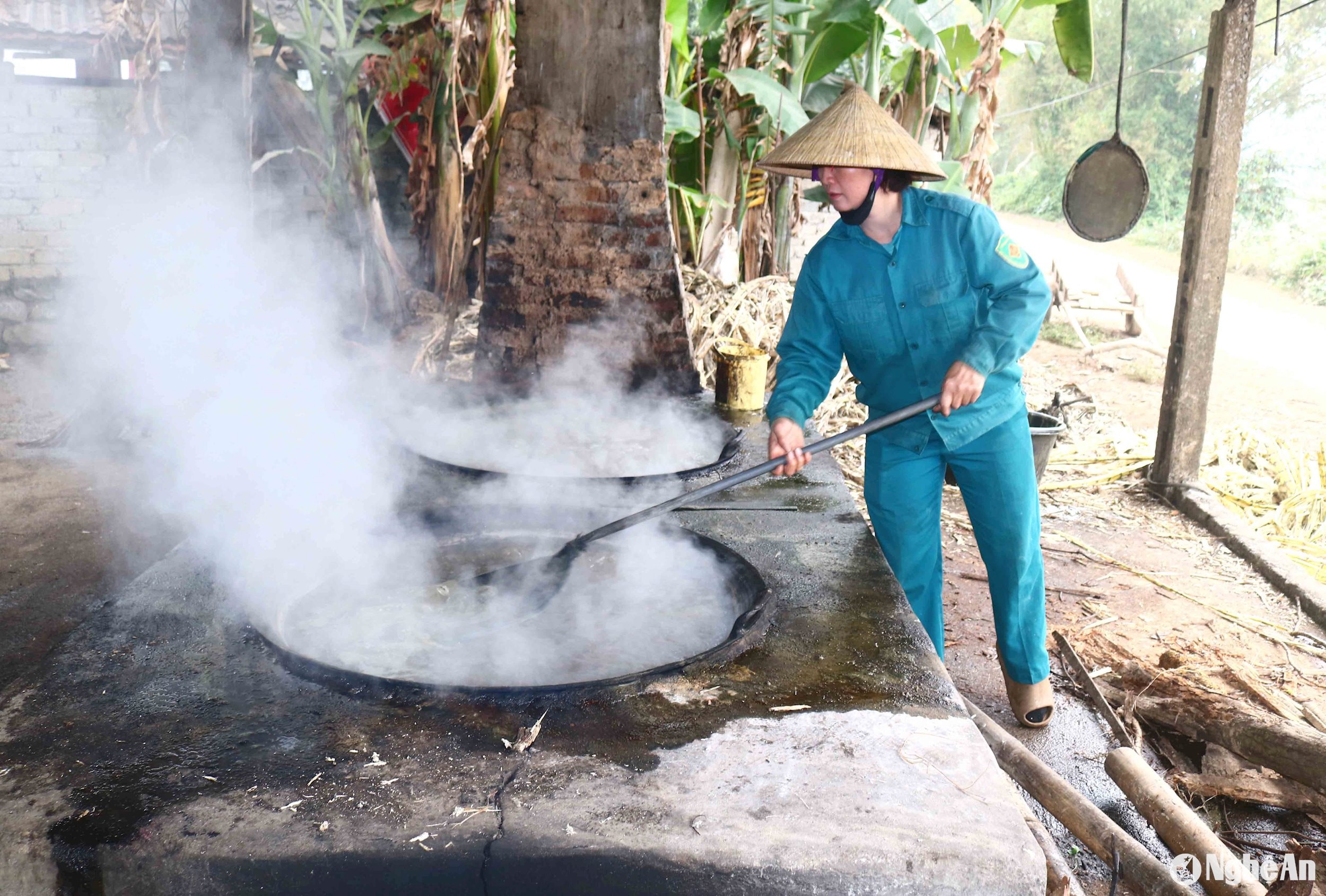
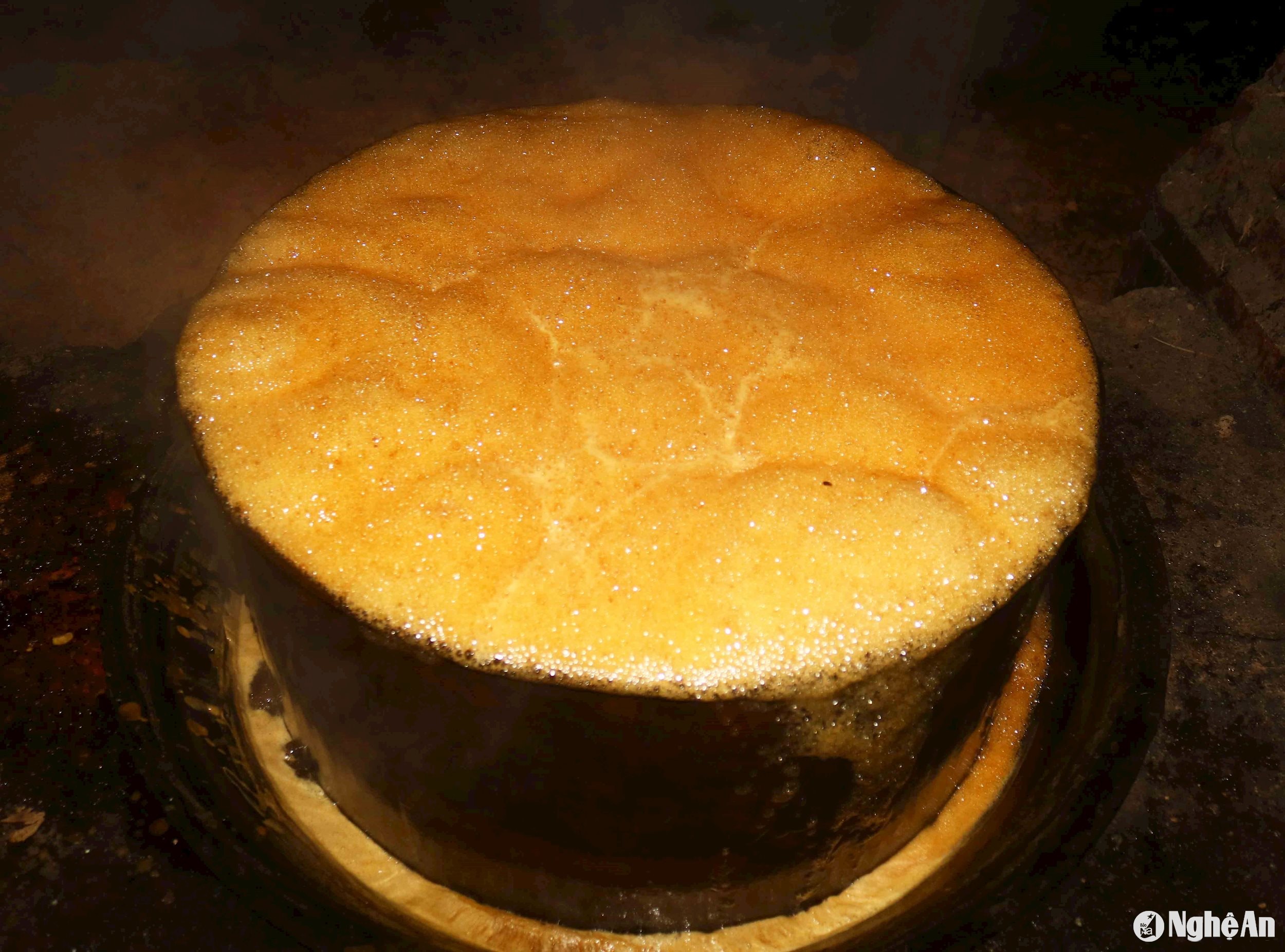
When the honey in the pot is skimmed off and boils over, people here often use a thin sheet metal ring with a handle to "frame" the honey and prevent it from overflowing. Some households even use a sheet metal rice container as a ring for cooking the honey. Photo: Huy Thu
bna_7.jpg
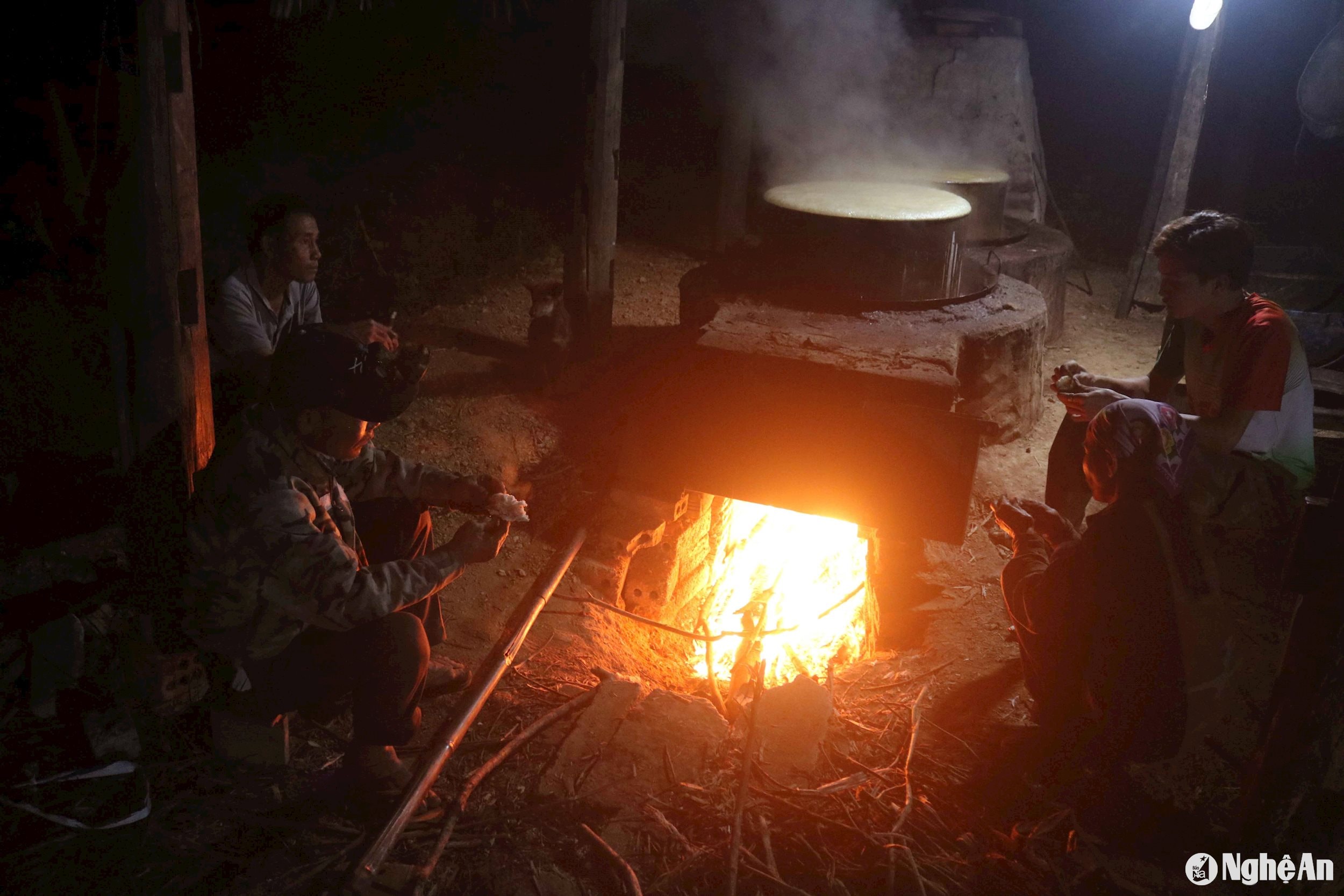
Each sugarcane syrup maker can only produce 3-4 batches (6-8 pans) per day. Each household harvests only a small amount of sugarcane, enough to press into 2 pans of sugarcane juice for one batch. Once one household finishes making syrup, another starts. On a December night, around the flickering fire of the sugarcane syrup maker, people stay up late helping each other "watch the fire," skim off foam, scoop out syrup, roast sweet potatoes and cassava, and eat together amidst joyful laughter that lasts until late at night. Photo: Huy Thu
bna_8.jpg
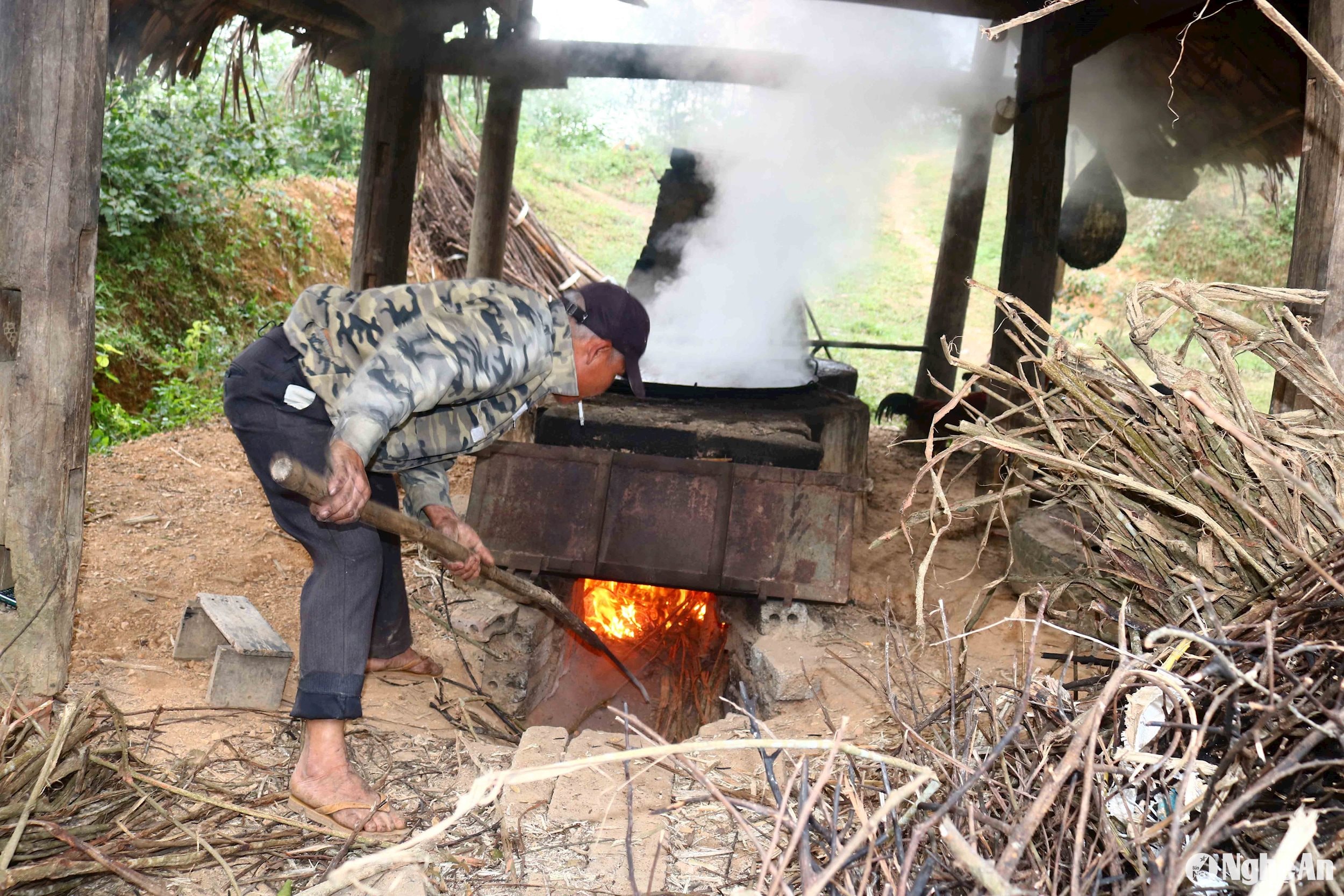
The fire in the oven must be kept steady; if the fire is too weak, it will take longer to cook, and if the fire is too strong, the molasses will easily burn and become charred... Mr. Nguyen Si Toan - Head of Duong Bac hamlet, said: Bien molasses is famous in the district. In recent years, the sugarcane farming and molasses production here has flourished. His family is the largest sugarcane farmer in the hamlet, producing about 100 vats of molasses per season. Photo: Huy Thu
bna_9.jpg
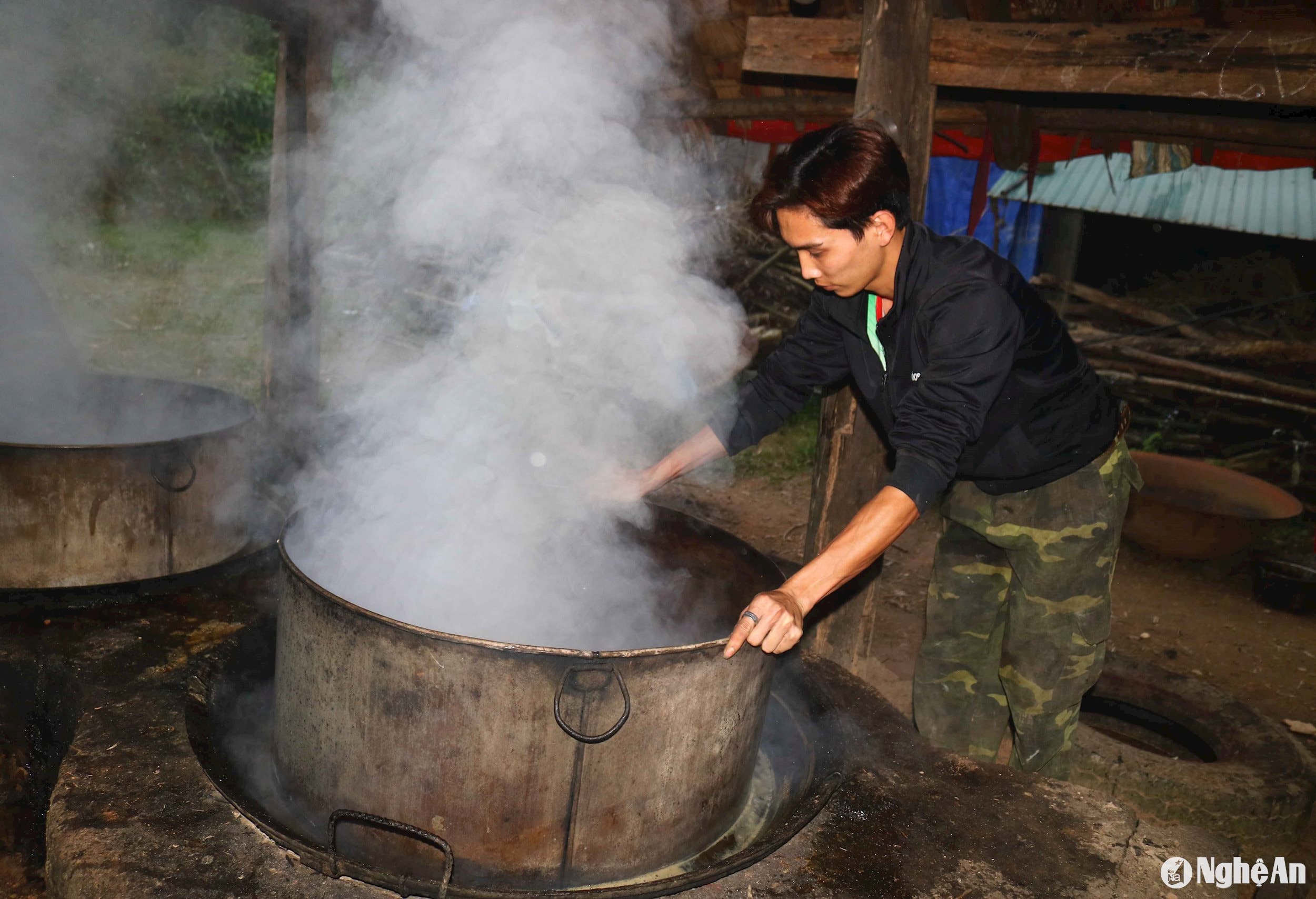
When the sugarcane syrup in the pan boils vigorously, turns a reddish-brown color, and emits a fragrant aroma, the syrup-making process is complete. The heat is adjusted according to whether the syrup is thick or thin. Mr. Nguyen Cong Cuong, the owner of a syrup-making facility in the neighborhood, said: One full pan of sugarcane juice will yield about 20-25 liters of syrup. (Photo: Huy Thu)
bna_10..jpg
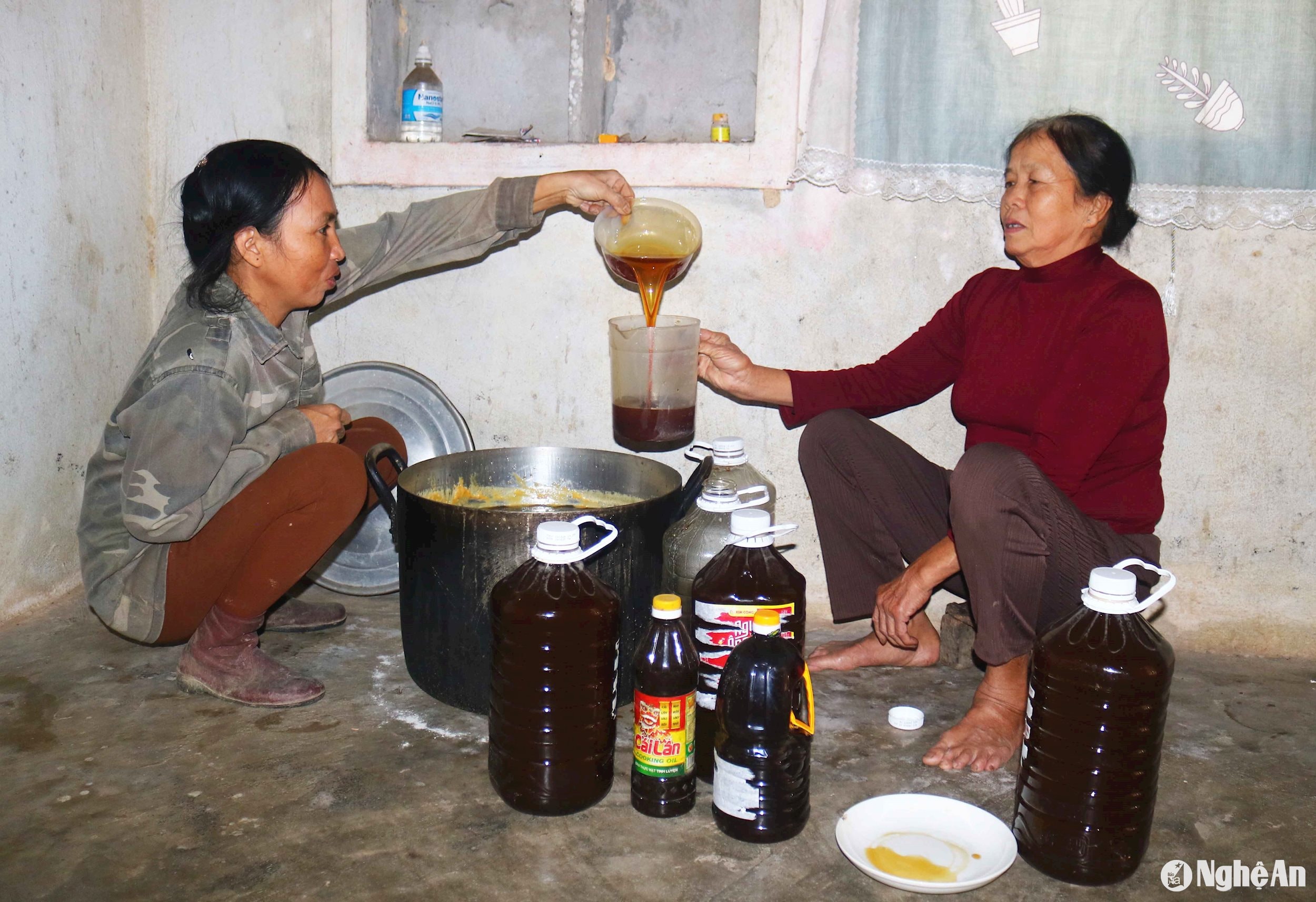
The freshly cooked honey is poured into pots, pans, and plastic containers by locals and transported home on ox carts. The sweet, frothy layer of honey floating on top of the pots can be used as a dipping sauce for sweet potatoes, rice crackers, and other snacks – a favorite treat for many. Photo: Huy Thu
bna_11.jpg
The sugarcane syrup from Bai Bien is intensely sweet, thick, and has a long shelf life. It can be used to make candy, cakes, sweet pastries, and as a seasoning in many delicious Tet (Lunar New Year) dishes. The product, made by local people, is mainly supplied to the local community at a price of 50,000 VND per liter. The sugarcane pressing and syrup-making season brings income and joy to the local people and evokes many memories of the Nghe An countryside: “In December, the sound of the bamboo rustling fills the air / The scent of drying sugarcane bagasse fills the air along the way.” Photo: Huy Thu
Sugarcane pressing and molasses making season in Bien Beach. Video: Huy Thu
0 0 0
x
Farmers in Nghe An stay up all night to make sugarcane syrup for Tet.
Google News
POWERED BYFREECMS- A PRODUCT OFNEKO