Shrimp farmers in Nghe An province proactively respond to rain and wind.
Thanh Phuc•July 18, 2024 11:21
According to forecasts, this year's storms and rainfall will be unpredictable and extreme. Currently, farmers have prepared plans to help their aquaculture products weather the storms...
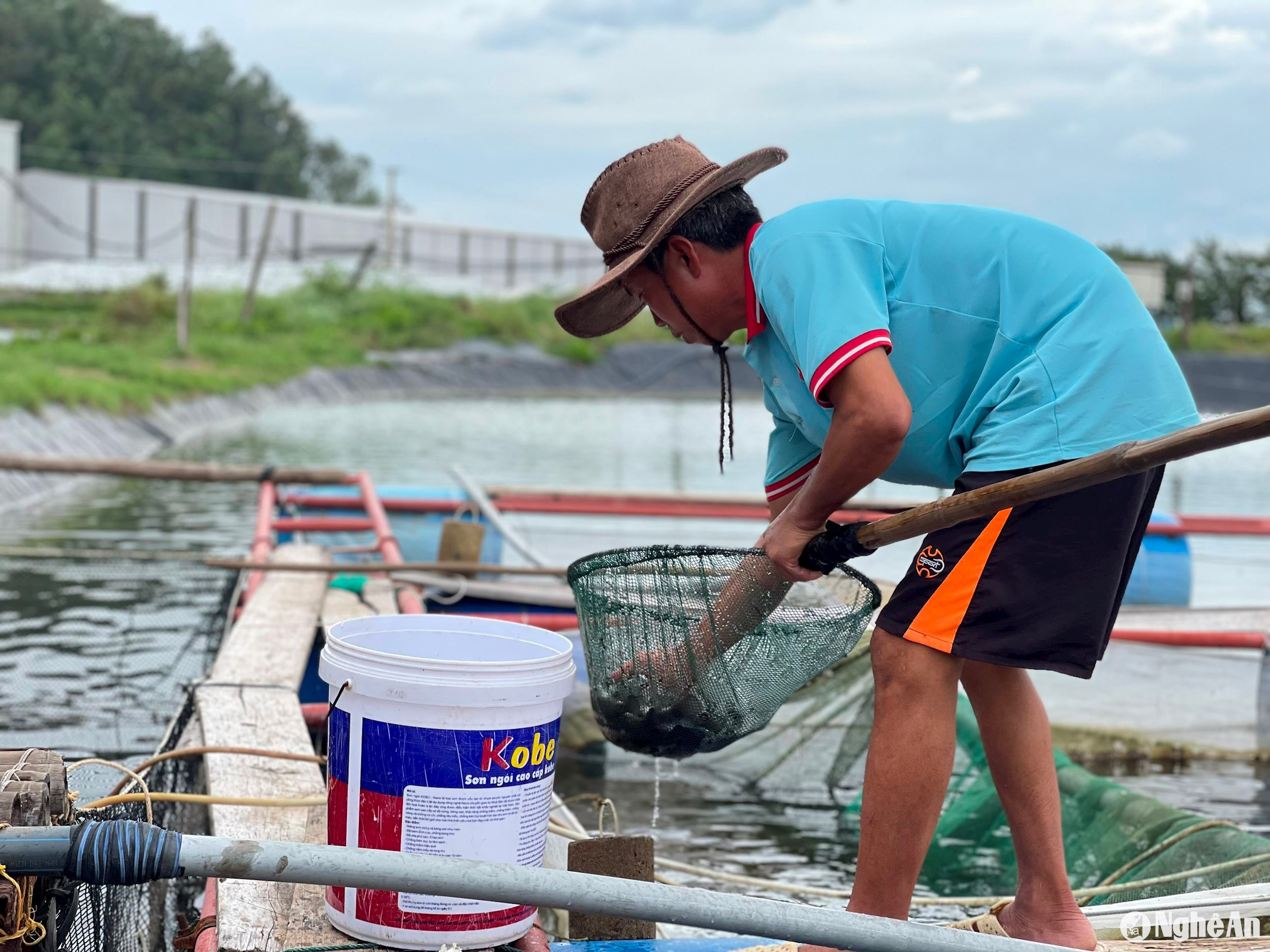
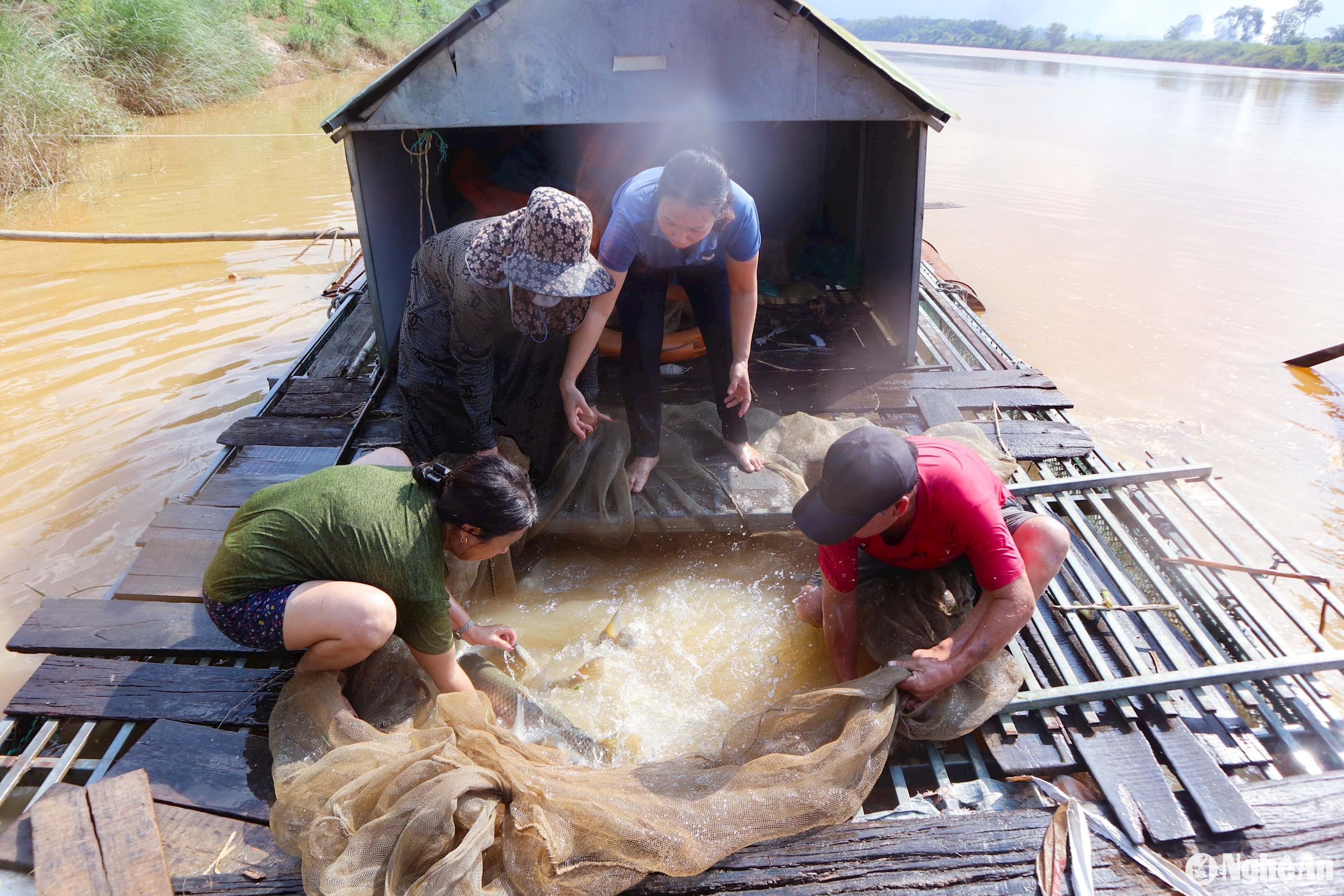
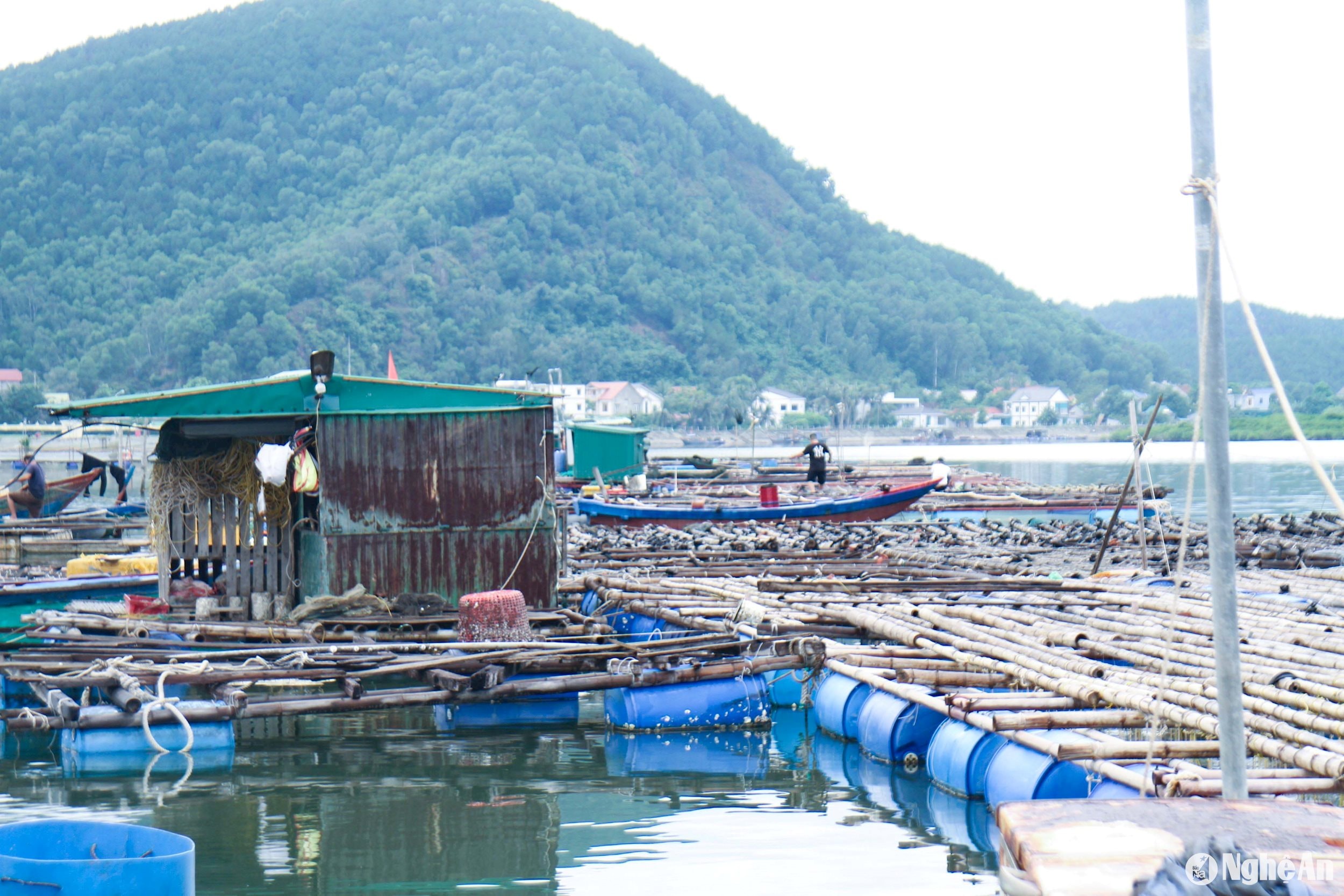
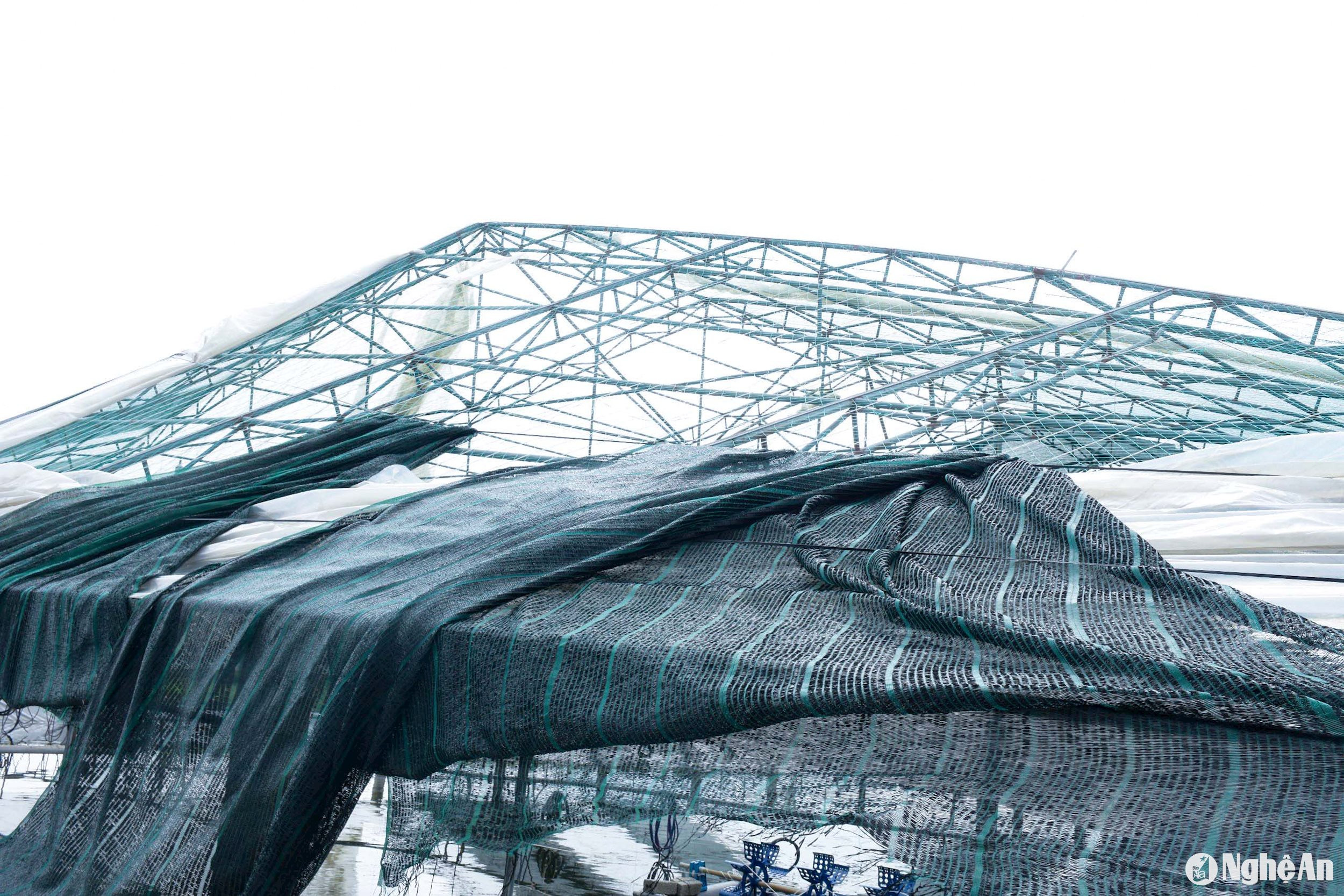
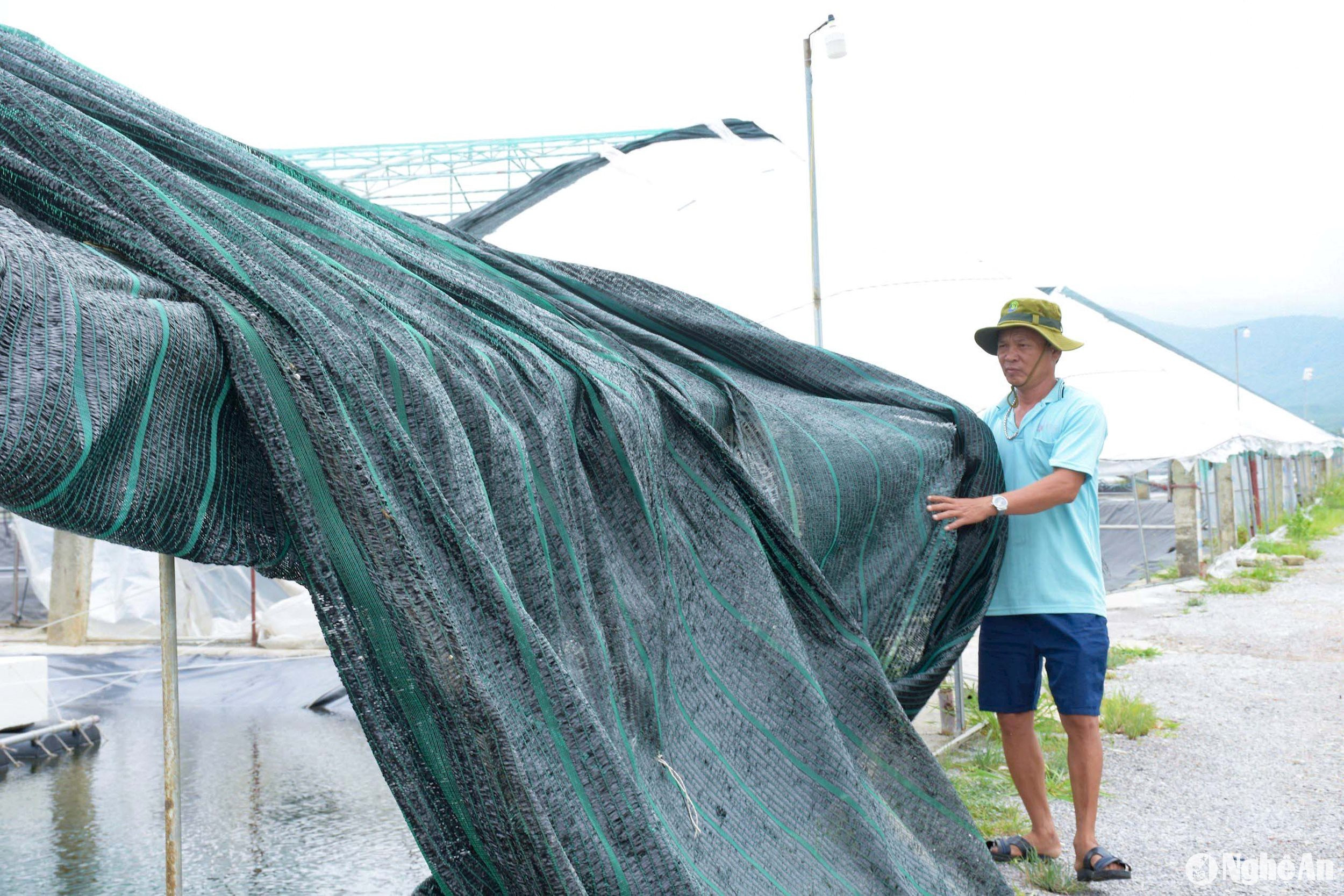
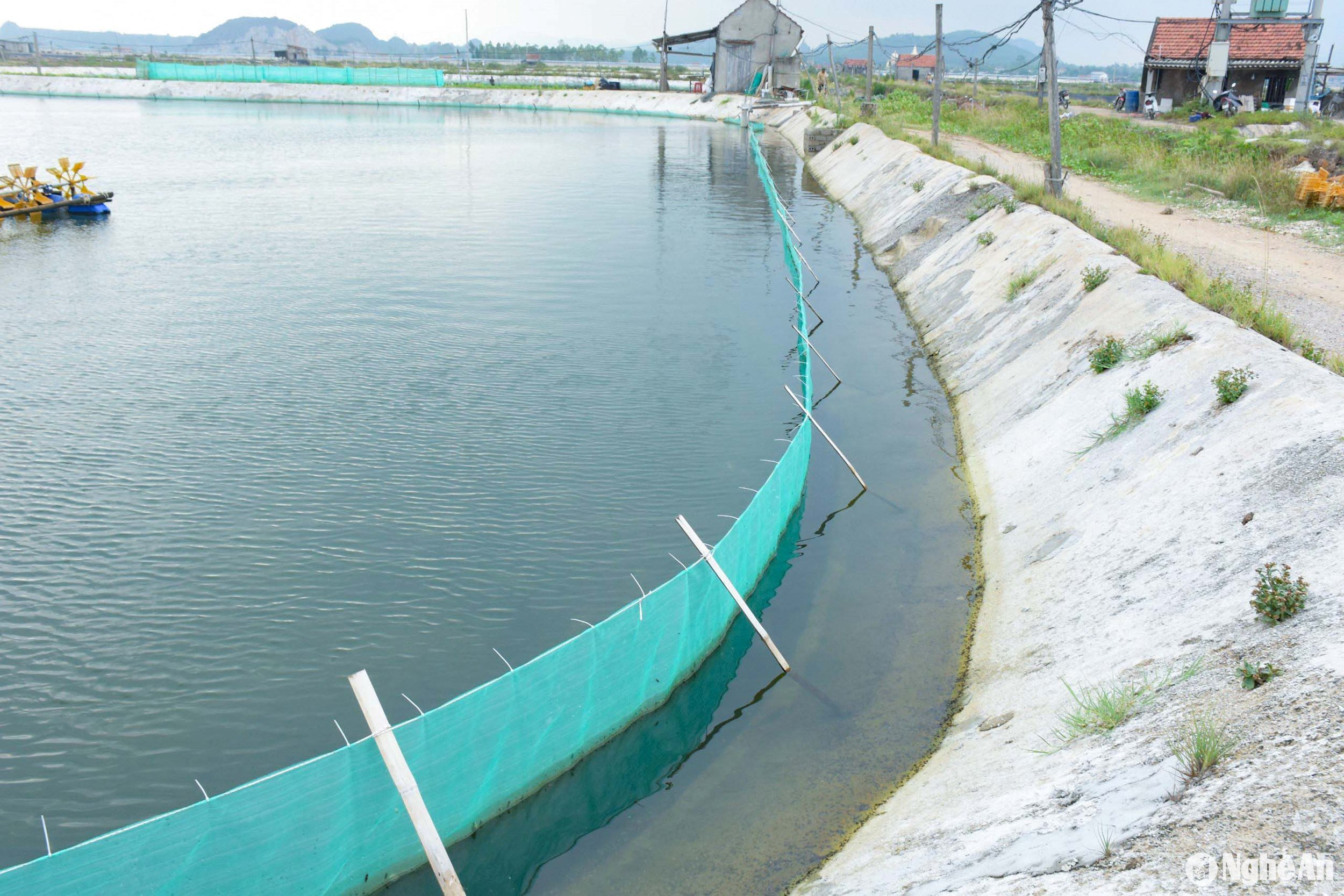
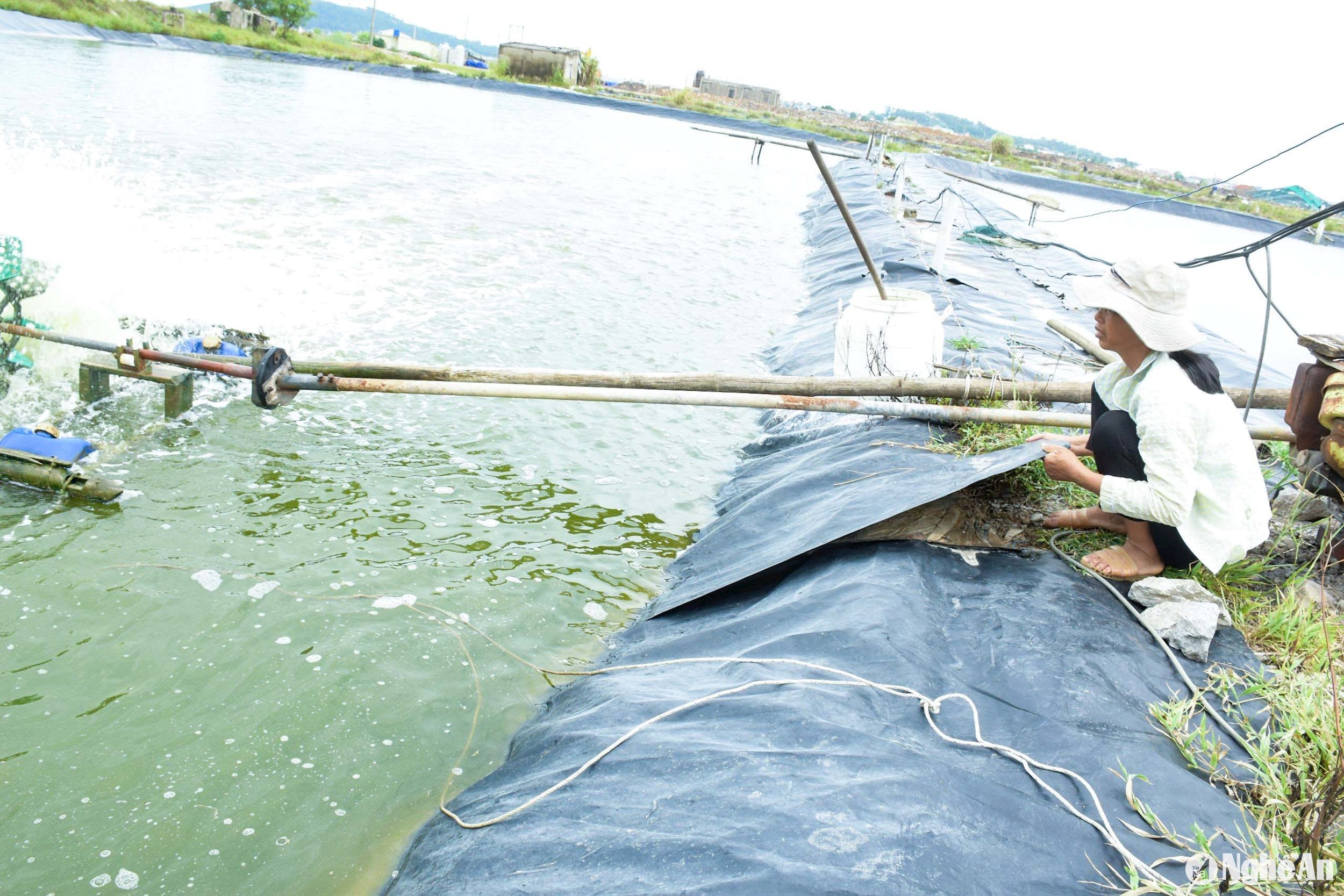
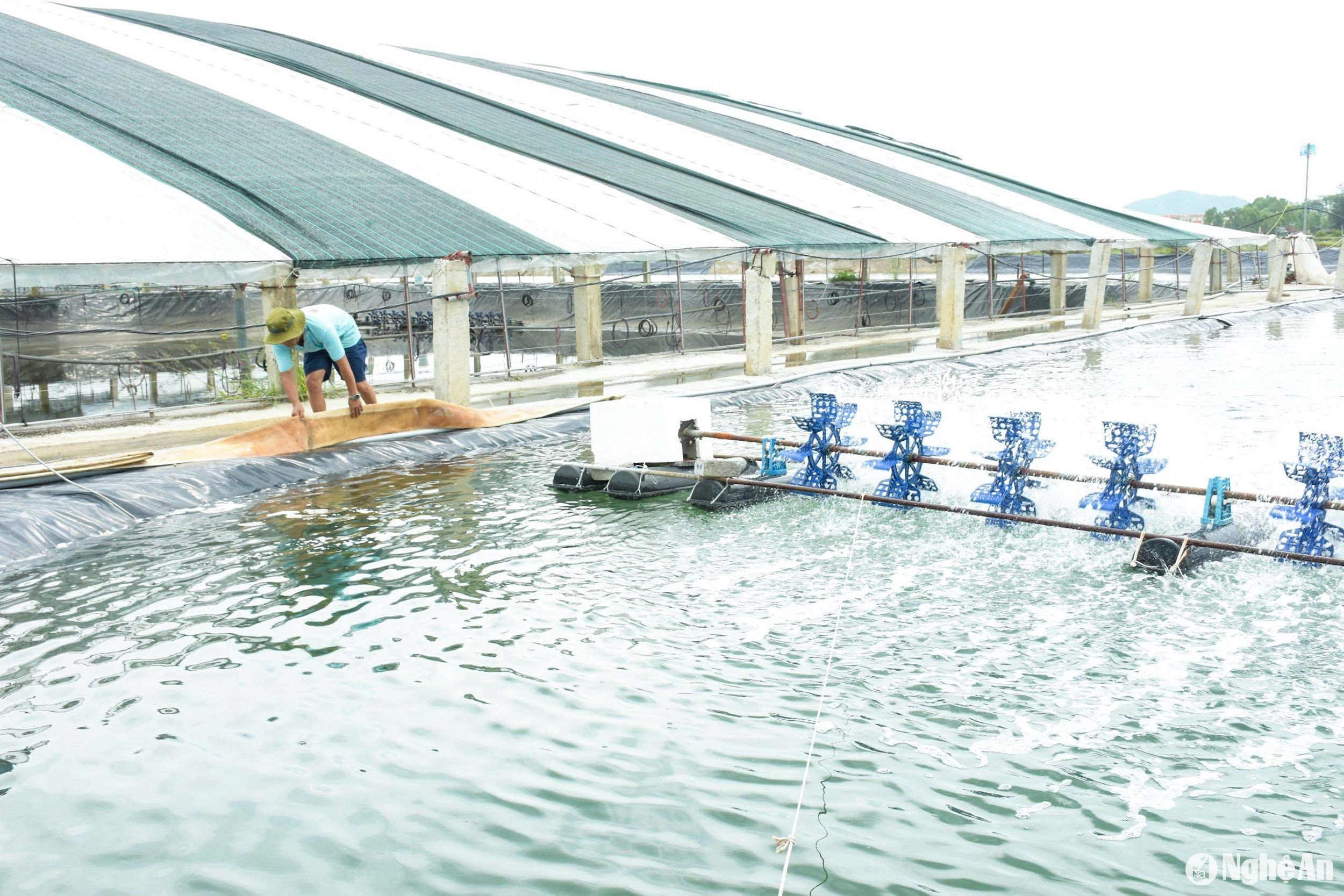
The recent heavy rains (July 15-17) caused severe damage to many shrimp farming net houses in Quynh Loc commune and Quynh Di ward (Hoang Mai town). Photo: Thanh PhucTherefore, shrimp farmers have to buy new nets and coverings to replace the old ones in a timely manner. Photo: Thanh PhucTo minimize losses when water levels rise and shrimp are washed away, farmers have purchased nets to enclose the embankments. Photo: Thanh PhucReinforcing fish ponds and lagoons with tarpaulin covers prevents water from flooding in from the outside, thus avoiding environmental pollution. Photo: Thanh PhucWith alternating hot and sunny weather and transitional rains, sudden weather changes cause water temperature fluctuations; therefore, water fans and aeration systems are used to increase oxygen and regulate the rearing environment. Photo: Thanh PhucThis is also the time when diseases are most likely to occur in farmed aquatic animals. Therefore, farmers must strengthen the resistance of aquatic animals by: supplementing vitamin C mixed into the fish feed daily; using probiotic and synthetic enzyme preparations to improve digestion and protect the intestines… Photo: Thanh PhucThinning out the ponds to reduce stocking density is also a practice adopted by many households raising sea bass, grouper, and snapper… Photo: Thanh PhucAccording to recommendations from specialized agencies, fish farmers raising fish in cages on rivers, lakes, and the sea should harvest the fish in their cages that have reached the desired weight to minimize losses. Photo: Thanh PhucBefore this year's rainy and stormy season, fish cage farmers in Nghi Tien, Nghi Thiet, Nghi Quang (Nghi Loc district), Nghi Thuy, and Nghi Tan (Cua Lo town) have already implemented measures to prevent damage caused by storms. The cages have been moved and anchored in sheltered areas near the shore; they have been reinforced and securely fastened; and floating buoys have been installed so that the cages can float as the water level rises… Photo: Thanh Phuc
According to forecasts, this year's rainy season will arrive earlier and experience more extreme and unusual events, thus significantly impacting aquaculture. To ensure the safety of aquatic animals during the rainy and stormy season, the health of the animals must be constantly monitored to take timely corrective measures; medicines and chemicals must be used to disinfect, sterilize, and treat the water environment after storms and floods have passed. If any aquatic animals die, they must be handled according to the instructions of specialized agencies, disinfecting, sterilizing, and treating the water environment appropriately.
Your comment has been submitted and will be displayed after being reviewed by the editorial team. The editorial board reserves the right to edit comments to comply with the newspaper's content guidelines.

.jpg)