
Car sales in Vietnam increased by 31%.
Of the total sales figures, passenger car sales reached 16,327 units, up 9%; commercial vehicle sales reached 9,117 units, up 21%; and specialized vehicle sales totaled 1,107 units, up 15% compared to the previous month.
In terms of vehicle origin, the production of domestically assembled vehicles reached 20,566 units, an increase of 17% compared to the previous month, while the number of imported vehicles was 5,985 units, approximately the same as the previous month.
Overall, in the first nine months of the year, total sales across the market reached 214,403 vehicles of all types, a 31% increase compared to the same period last year; of which, passenger cars increased by 30%, commercial vehicles by 31%, and specialized vehicles by 43%.
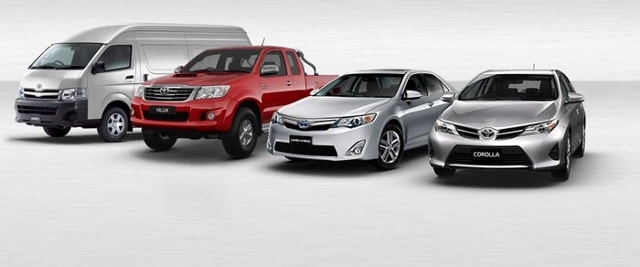 |
| Popular car models in Vietnam - Internet image |
Also considering the origin of the vehicles, sales of domestically assembled cars increased by 29% while imported cars increased by 10% compared to the same period last year.
In terms of sales figures for VAMA member companies last month, Thaco continued to lead the market with 10,104 vehicles sold, accounting for nearly 42% of the market share. Toyota ranked second with 5,110 vehicles sold, representing over 21%, and Ford came in third with 2,654 vehicles sold, accounting for 11% of the market share.
Regarding the outlook for the year-end car market, automotive experts believe it's difficult to predict as it depends on Circular 20. However, the fate of this circular remains undecided, so businesses don't have any specific plans yet.
However, with two auto shows taking place at opposite ends of the country – the Vietnam Motor Show 2016, which just concluded, and the Vietnam International Motorshow 2016 at the end of this month – the market's intensity is evident, as businesses invest in booths and launch hundreds of car models, ranging from domestically assembled to fully imported vehicles, from budget-friendly to luxury, to introduce to consumers nationwide.
This is also an opportunity for businesses to showcase current and future new vehicle technologies, highlighting breakthroughs in their car models. Especially in the face of intense competition in various segments, some manufacturers are implementing price reduction policies to stimulate market demand and attract customers.
For example, on the eve of the recent Vietnam Auto Show, some manufacturers implemented promotional programs offering discounts or waiving registration fees for customers buying cars. Similarly, ahead of the upcoming Vietnam International Auto Show 2016, the French manufacturer Renault in Vietnam pioneered a program offering discounts of up to 300 million VND for customers buying cars... However, these demand-stimulating measures are only short-term solutions, and consumers will ultimately benefit.
Van Xuyen/baotintuc
| RELATED NEWS |
|---|


