
Should you engage the parking brake on a car that won't be used for an extended period?
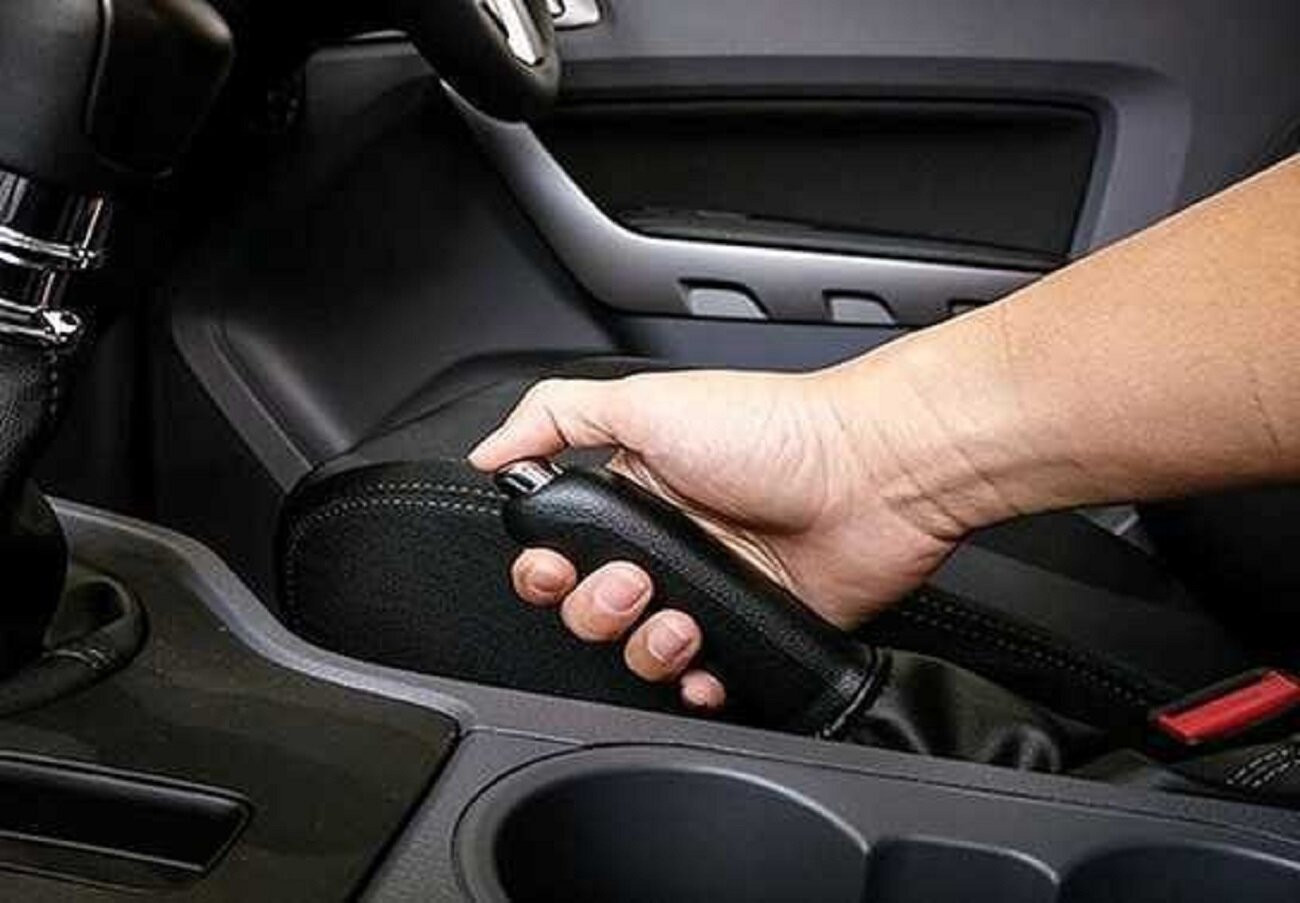
Normally, when stopping or parking, drivers use the handbrake to hold the car in place, but when leaving the car for a long time, the handbrake should not be engaged as it can cause the brakes to seize.
According to experts, prolonged use of the parking brake can cause the brake pads to press against the brake discs, potentially leading to dents, jamming, or rust. Therefore, if the car is left unused for an extended period on relatively flat terrain, drivers should simply shift the gear lever to P (for automatic cars) or to 1 (for manual cars) without using the parking brake. For added safety, drivers can use wheel chocks to prevent the car from rolling.
Engaging the parking brake and leaving it engaged for an extended period significantly increases the likelihood of brake seizure, so drivers should perform an on-the-spot check using the following method:
- Release the parking brake, start the engine while stationary, then slowly press and release the foot brake 10-15 times to allow the brake fluid to circulate in the hoses and the brake pistons to resume operation.
- Observe whether the brake warning light is illuminated on the dashboard, and have someone outside the vehicle check if the rear brake lights are on. This is to verify that the electrical and electronic functions of the braking system are working properly.
- Engage forward gear and gently press the accelerator to see if the vehicle moves forward normally. If you notice significant resistance or the brake warning light illuminates within the first 100-200 meters of travel, it means the brakes are locking.
If you notice your brakes are locking up after engaging the parking brake for an extended period, you should contact a roadside assistance service or a professional mechanic to have your vehicle's braking system inspected and repaired.
If you try to continue driving, it could cause the brake pads to overheat, the wheels to emit a burning smell, and the brake discs to be scratched or damaged.


