
Preventing and properly managing stroke
Stroke is entirely preventable through weight loss, blood pressure control, choosing appropriate contraception, and eating a healthy diet.
According to Master Ngo Ba Minh from People's Hospital 115, stroke is the leading cause of disability and the third leading cause of death after cardiovascular disease and cancer.
Prevent stroke by:
Regular health check-ups
Everyone, especially those over 50, should have an annual health check-up. Nowadays, with improved living standards, people are more concerned about their health, but generally, the knowledge of the majority of the population remains limited. Many previous stroke patients believe they were perfectly healthy.
In reality, they may have many diseases or risk factors without knowing it, such as hypertension and atherosclerosis (often accompanied by high cholesterol). Therefore, regular health checkups are necessary for early detection and proper treatment advice from doctors to prevent dangerous complications.
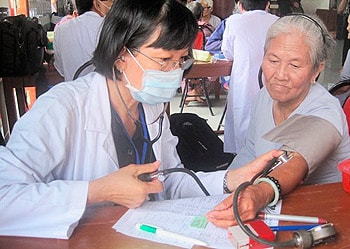
Control blood pressure
High blood pressure is the most significant risk factor for stroke. If blood pressure is not well controlled, the risk of stroke is very high. High blood pressure is a chronic disease; therefore, it cannot be cured, only optimally controlled. To control blood pressure, it is necessary to follow a low-salt diet, lose weight, reduce stress, and take medication consistently.
Controlling cardiovascular disease
Consulting a doctor and using long-term anticoagulant medication to treat atrial fibrillation can reduce the risk of stroke by 67%.
Reduce alcohol consumption, quit smoking, and avoid secondhand smoke.
Reducing alcohol consumption and quitting smoking significantly lowers the risk of stroke.
Losing weight
Maintaining a healthy weight through a balanced diet and regular exercise can help reduce the risk of stroke. Increased physical activity improves cardiovascular health and reduces cardiovascular risk factors such as dyslipidemia, obesity, and hypertension. A minimum of 30 minutes of exercise per day is recommended (except in cases of severe illness or limited mobility).
Blood sugar control
Adopting a suitable diet to regulate blood sugar levels, along with using blood sugar-regulating medications, helps minimize complications of diabetes, including stroke.
Control blood cholesterol.
Controlling blood cholesterol levels through a proper diet, avoiding fats, oils, and foods high in cholesterol, is crucial. Using specific medications can also help reduce the risk of stroke.
Choose the appropriate method of contraception.
If the patient has the above risk factors for stroke, they should consult an obstetrician to choose an appropriate method of contraception.
Avoid stress in your life.
Change your diet.
Adopt a low-salt diet because it's good for cardiovascular health and blood pressure, contributing to a reduced risk of stroke. Eat plenty of green vegetables and fresh fruits daily, don't add salt to processed foods, and don't use animal fats in cooking (don't use pork fat for frying, don't eat fatty meat, pork cracklings, or fried onions...).
When signs of a stroke appear, proper action is necessary:
- Support the patient to prevent falls and injuries.
- Lay the patient down in a well-ventilated area, tilting them to one side if they are vomiting; clear any mucus from their airways to help them breathe more easily.
- Call an ambulance immediately to take the patient to the nearest medical facility.
- Do not administer or use blood pressure medication or any other type of medication without consulting a doctor.
- Don't just lie there and wait to see if you get better.
- Avoid cupping therapy, ritual cutting, and offerings…
Dr. Minh advises that patients should be taken to the hospital as quickly as possible to save parts of the brain that are not yet dead but are suffering from lack of blood supply, swelling, or compression.
According to VnExpress - NT


