
New methods in treating diabetes
An artificial pancreas that continuously monitors blood glucose levels and delivers insulin promptly is more effective than traditional insulin injections in controlling type 1 diabetes. This is the finding of scientists at the Montreal Institute for Clinical Research (IRCM), Canada.
An artificial pancreas that continuously monitors blood glucose levels and delivers insulin promptly is more effective than traditional insulin injections in controlling type 1 diabetes. This is the finding of scientists at the Montreal Institute for Clinical Research (IRCM), Canada.
A study by IRCM published in the Canadian Medical Association Journal on January 28th showed that trials conducted on type 1 diabetes patients revealed that an artificial pancreas containing two hormones improved blood sugar levels by 15% and lowered the risk of hypoglycemia by up to eight times compared to current insulin supplementation methods.
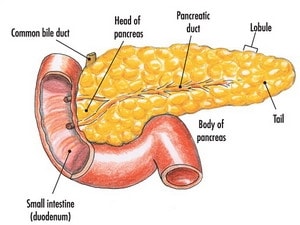
Illustrative image.
Artificial pancreas systems are built on the basis of intelligent algorithms that constantly monitor changes in the patient's blood glucose levels to recalculate the necessary amount of insulin.
Under traditional insulin supplementation methods, diabetic patients often have to regularly self-monitor their blood glucose levels to control the amount of insulin they take into their bodies.
According to researchers, in reality, about two-thirds of patients are unable to do this.
Artificial pancreases can meet this requirement while lowering the risk of hypoinsulinemia, the most dangerous condition for diabetic patients and the most common adverse effect of insulin therapy.
In addition, the artificial pancreas can deliver glucan, a substance that helps raise blood sugar levels when they are too low.
Type 1 diabetes is a condition that occurs when the body doesn't produce enough insulin, leading to dangerously high blood sugar levels.
Controlling blood sugar through insulin injections is key to preventing complications associated with high blood sugar, such as blindness or kidney failure.
Treatment also helps prevent hypoinsulinemia – a condition where blood sugar is too low and can cause patients to become confused, disoriented, or even lose consciousness.
IRCM researchers say they will conduct clinical trials to test the effects of the artificial pancreas system over longer periods and across all age groups.
This finding is considered to have the potential to significantly improve diabetes management and ensure patient safety during treatment.
According to (VNA) - VT


