
Grapefruit is good for people with heart disease.
Modern studies show that grapefruit is very suitable for treating vascular diseases, especially heart disease and coronary artery disease.
It also reduces platelet aggregation, preventing platelets from sticking together and causing vascular blockage. Grapefruit also has anti-inflammatory and anticonvulsant effects.
Pomelo, also known as grapefruit, has the scientific name Citrus Grandis Osbeck. It belongs to the Citrus family (Rutaceae).
Grapefruit is sour and has a cooling effect; eating it relaxes the body and helps treat morning sickness, poor appetite, stomach pain, and indigestion caused by alcohol accumulation.
Pink-fleshed grapefruit contains a large amount of vitamin A and beta-carotene, which helps improve eyesight. In addition, each grapefruit contains 325mg of potassium, 25 micrograms of folate, 40mg of calcium, and 1mg of iron.
Traditional Chinese medicine believes that each part of the grapefruit has its own specific benefits.
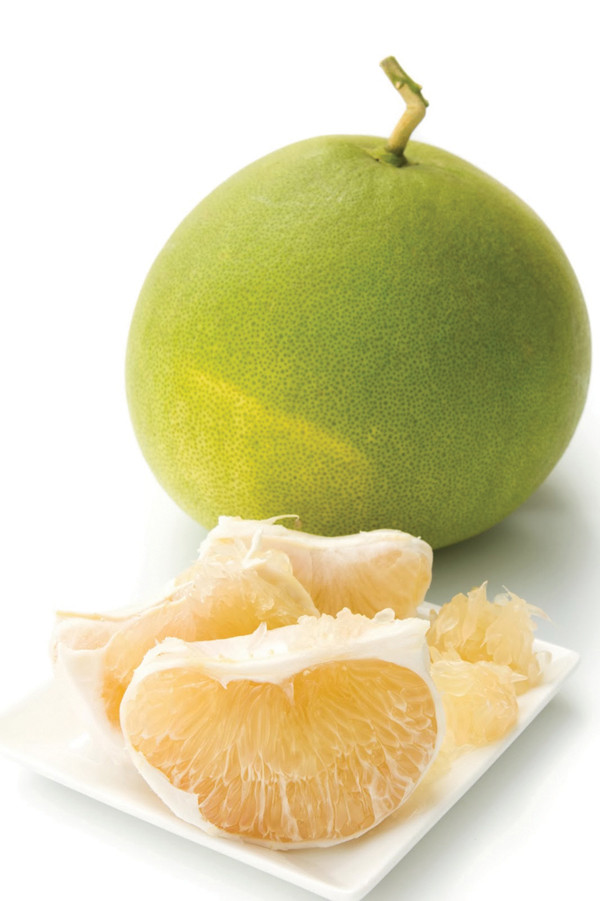 |
| Grapefruit is good for people with heart disease. |
pomelo leaves
Grapefruit leaves have a bitter, pungent taste and a fragrant aroma. They are warm in nature and have the effect of dispelling cold, dispersing qi, clearing meridians, relieving colds, eliminating phlegm, aiding digestion, promoting blood circulation, reducing swelling, and relieving inflammation.
To treat sprains and joint swelling caused by cold or injury: use grapefruit leaves in any quantity, roast them until cooked, apply as a compress to the painful area, massage, or boil them in water for steaming and soaking the affected area.
Grapefruit is considered a kind of "miracle cure," especially for patients with diabetes.
Grapefruit peel
It has a bitter and pungent taste, and is toxic; its effects include promoting bowel movement, expelling phlegm, drying dampness, harmonizing blood, relieving pain, treating intestinal wind, intestinal pain, and reducing various types of edema.
The outer peel of the grapefruit contains many essential oils, has a spicy, bitter, and sweet taste, and is warming in nature. It aids digestion and helps treat colds, coughs, and pain, and is often used in steam inhalation therapy to relieve cold symptoms.
Grapefruit peel also contains many flavonoids such as naringosid, hesperidin, diosmin, diosmetin, hesperitin… which protect capillary walls, reduce permeability, make capillaries more elastic and durable, help prevent strokes caused by ruptured capillaries, and indirectly help lower blood pressure.
To treat chest tightness, rib pain caused by rising qi, and loss of appetite due to anger affecting the liver: take the peel of one fresh grapefruit and two onions. Roast the grapefruit peel until the outer layer is charred, then scrape off the remaining peel and soak it in clean water for one day to remove the bitterness. Remove the peel, cut it into pieces, and boil it in water. When almost cooked, add the two onions, season with spices, and serve with meals. One serving per day. This dish helps to relieve liver qi stagnation, lower qi, and eliminate phlegm.
Treatment of edema and postpartum edema: Take equal amounts of dried grapefruit peel and motherwort extract (or motherwort plant), grind them into a fine powder, mix well, and take 8g each time with wine on an empty stomach. Alternatively, use 20-30g of each ingredient, decocted and drunk throughout the day.
grapefruit peel
Traditional Chinese medicine uses the white pith of grapefruit to promote blood circulation and relieve pain, therefore it is often used to treat aches and pains (caused by stagnation of qi and blood).
Chemical analysis reveals that grapefruit pulp contains pectin, essential oils, and two main flavonoids: hesperidin and natringin.
Pectin is a soluble fiber that externally absorbs cholesterol in food and bile salts, causing both cholesterol and fats to remain in the intestines and be excreted in the feces. Therefore, it contributes to lowering blood cholesterol levels, indirectly preventing diabetes, obesity, and atherosclerosis.
Pectin also has a laxative effect. Pregnant women, the elderly, and those recovering from serious illnesses often suffer from yin deficiency, leading to dry, hard stools and difficulty defecating (constipation). Boiling grapefruit pulp until the liquid thickens, then adding black sesame seeds, creates an excellent remedy for promoting bowel movements.
Pectin is not metabolized or absorbed into the bloodstream, making it a kind of substitute food, which is very convenient for people who need to lose weight (obese). Therefore, some chefs have used the white pith of grapefruit mixed with meat to make a delicious and flavorful dish that avoids the heavy feeling of being full from the fat. Street vendors also use grapefruit pulp in their desserts, making them both fragrant and less cloying.
Hesperidin and naringin have properties similar to rutin, helping to protect the elasticity of blood vessels, prevent arteriosclerosis, and indirectly combat high blood pressure and stroke.
To treat chronic cough in the elderly: take 50-100g of grapefruit peel (remove the green outer layer). Add 20g of rock sugar, steam until cooked, and drink the resulting liquid.
To treat dry cough, excessive phlegm, and indigestion: boil 10-20g of the green outer peel of the grapefruit in water and drink the decoction.
Grapefruit juice
Grapefruit juice is sweet and sour, cooling, non-toxic, and has the effect of strengthening the spleen, lubricating the intestines, preventing constipation, relieving heat, quenching thirst, detoxifying alcohol, and treating coughs... Grapefruit juice has low heat-generating potential because it only contains 9% carbohydrates, including soluble fiber.
Grapefruit juice is rich in nutrients such as fruit sugars, protein, fat, tannic acid, beta-carotene, and minerals like phosphorus, iron, calcium, magnesium, and vitamins B1, B2, and C.
Recent studies show that grapefruit juice is rich in potassium, an active ingredient that helps reduce the risk of heart attack and stroke.
According to modern pharmacological research, grapefruit juice contains components similar to insulin, which helps lower blood sugar and has a supportive effect on patients with diabetes and hypertension. Practical evidence shows that eating grapefruit regularly helps with weight loss and prevents diabetes.
Treating excessive coughing and phlegm with reversed qi flow:
Combine 100g of pomelo pulp, 15ml of rice wine, and 30ml of honey, steam until thoroughly cooked, and consume once a day.
Finely chop grapefruit pulp, put it in a jar, soak it in alcohol, seal it tightly overnight, cook it until soft, mix it well with honey, and swallow it regularly.
Treats digestive disorders, bland taste in the mouth, and saliva reflux:
60g of pomelo pulp, eaten all at once, three times a day.
Grapefruit juice, 50g each time, 3 times a day, for 5 consecutive days.
Squeeze the juice from 5-8 grapefruits, boil it down to a thick consistency, add 500g of honey, 100g of rock sugar, and 10ml of fresh ginger juice. Cook together until it forms a paste, let it cool, and store it in a jar. Take 15ml twice a day for 5 days.
Treating bad breath after a hangover:
Chew and swallow 100g of pomelo pulp slowly.
Take the juice of one grapefruit, add 10g of tangerine peel, 6g of fresh ginger, and 10g of rock sugar, then cook together. Take one dose daily for 5 consecutive days.
To treat motion sickness or digestive disorders, and nausea due to a cold: chew and swallow 30-60g of grapefruit segments gradually.
Grapefruit seeds
Grapefruit seeds are bitter, warm in nature, and contain fat; they are effective in treating inguinal hernia pain, prolapse, and stomach pain.
How to make pectin from grapefruit seeds: Select grapefruit seeds and discard any shriveled or underdeveloped seeds. If you have a large quantity, use about 20 seeds (enough to make pectin water for one day). Put the grapefruit seeds in a cup, pour boiling water (still hot, around 70-80°C) over them until they are completely submerged, stir continuously with chopsticks for about 5-6 minutes, then strain the viscous liquid into a separate cup. Continue this process until all the viscous liquid is removed (the seed shells should feel clean to the touch). Depending on the grapefruit variety and fruit, some varieties with high pectin content may require stirring the seeds with water 5-6 times to remove all the viscous liquid. Those with low pectin content only need to be stirred 3 times.
To combat constipation, dyslipidemia, obesity, and cardiovascular disease: Place 20 grapefruit seeds in a cup, pour boiling water (still hot, around 70-80°C) over the seeds, stir continuously with a fork for about 5-6 minutes, then strain the mucilaginous liquid into a separate cup. Continue this process until all the mucilaginous liquid is extracted (the seed shells should no longer feel sticky to the touch). Drink 50ml 60 minutes after a main meal.
For bleeding control (gum bleeding, nosebleeds, menorrhagia, heavy menstruation): prepare as above, use 20ml every 20 minutes for the first hour.
Skin beautification
A cocktail made from grapefruit, lemon, orange, thyme, rosemary, pumpkin seed oil, etc., helps to enhance skin radiance and combat the damaging effects of environmental pollutants.
Other benefits of grapefruit
Scientists have demonstrated that grapefruit can reduce the risk of prostate cancer due to its high lycopene content (an antioxidant). Experiments on volunteers, who followed a diet with 10 servings of lycopene-rich foods weekly, yielded surprising results: 50% of them had little to no risk of developing prostate cancer.
Researchers have found that grapefruit contains phenolic acids, which may help prevent certain chronic diseases such as arthritis and lupus.
According to experts, grapefruit is considered a "miracle cure," especially for diabetic patients. Furthermore, diabetic patients are encouraged to eat three servings of grapefruit daily to improve their condition. Those at high risk of developing diabetes should also follow this advice.
According to Health & Life
| RELATED NEWS |
|---|


