
Food safety management: Preventing the situation where 'inspections are completed but violations are subsequently found'.
On the occasion of "Month of Action for Food Safety," Nghe An Newspaper and Radio and Television had an interview with Mr. Nguyen Van Thuong - Deputy Director of the Nghe An Department of Health, Head of the Inter-agency Inspection Team on compliance with legal regulations on ensuring food safety.
PV:Sir, it is understood that the Provincial People's CommitteeThe province has just issued a Decision to establish an inter-agency inspection team to check compliance with legal regulations on food safety during the "Month of Action for Food Safety" in 2026., with him as the head of the delegation.So, could you please tell us what key areas the delegation is currently focusing on?
Mr. Nguyen Van ThuongThe inter-agency inspection team, established under Decision No. 1527/QD-UBND dated April 16, 2026, has inspected 9 establishments to date. Administrative violations have been recorded at 3 establishments, with an estimated total fine of 61 million VND. Currently, the inspection team is focusing on large establishments serving tourists during the April 30th and May 1st holidays and the Cua Lo Tourism Festival. The focus is on inspecting facilities and equipment; the origin and source of raw materials; the implementation of the three-step food inspection process and food sample retention; and legal documents and certificates of food safety compliance.
In terms of methodology, the team intensified surprise inspections and strictly handled violations according to the principle of "dealing with violations as soon as they are detected," while also publicly disclosing the results to deter future offenses. Citizen complaints were also received, verified, and investigated promptly.
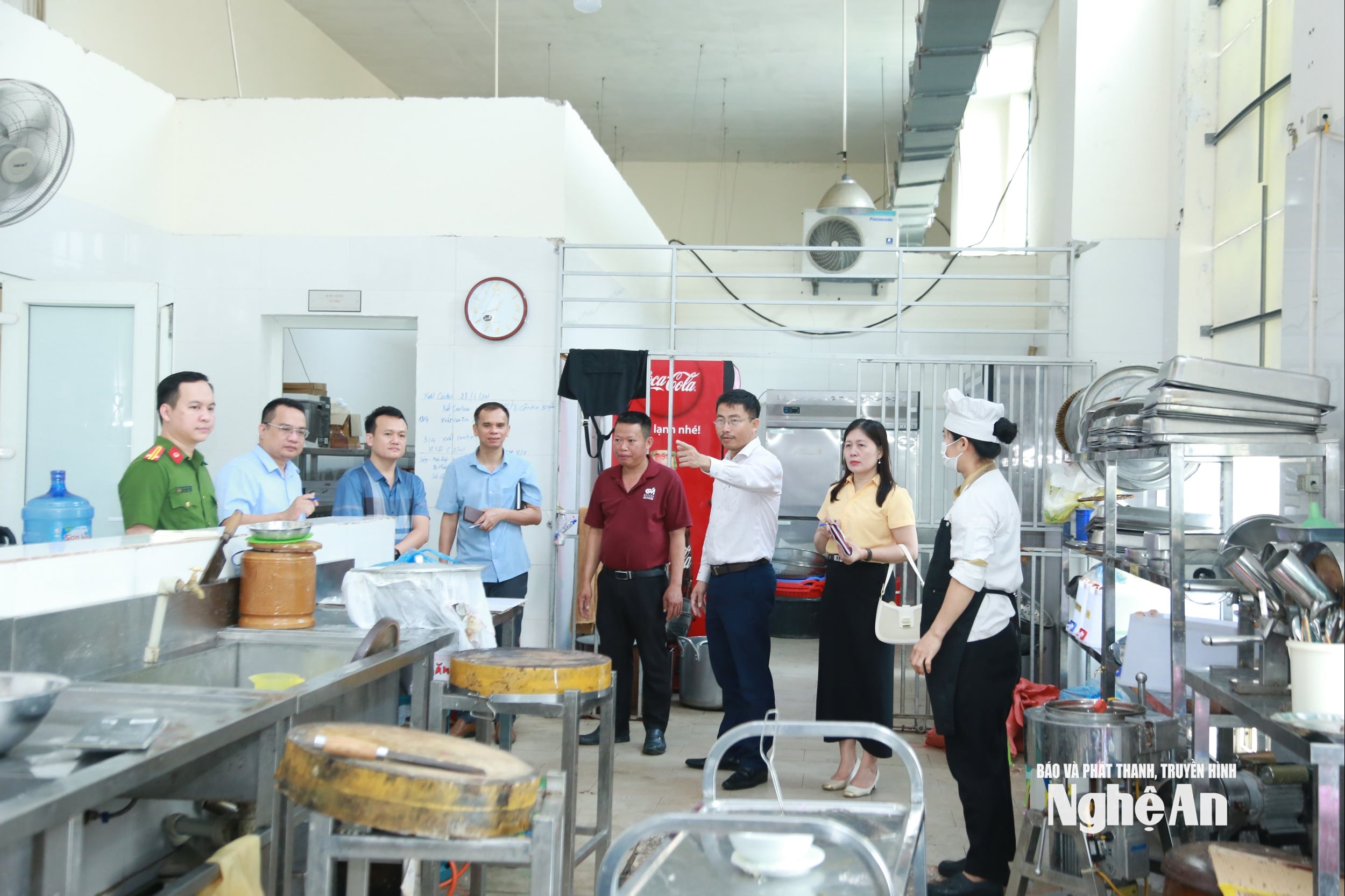
PV: As the head of the inspection team, could you tell us about the results of the inspections of the establishments prior to the recent holiday?What were the most common violations discovered by the inspection team?Is there a situation of "going through the motions," where inspections are conducted correctly, but violations occur afterward? How does the industry handle this issue?
Mr. Nguyen Van Thuong: During inspections prior to the holiday, most establishments complied relatively well with food safety regulations; hygiene conditions and the awareness of food processors had improved. However, the inspection team penalized 3 establishments for violations, with a total expected fine of 61 million VND.
Common violations include: failure to prevent cross-contamination; unsanitary processing areas; insect infestation; inadequate drainage systems; and dilapidated facilities.
Because the inspection team mainly conducted surprise inspections, instances of evasive tactics were not clearly recorded. However, the principle is to prevent a situation where "violations occur after inspection"; continuous monitoring is necessary before, during, and after inspections, and specific responsibilities must be assigned to each level of management.
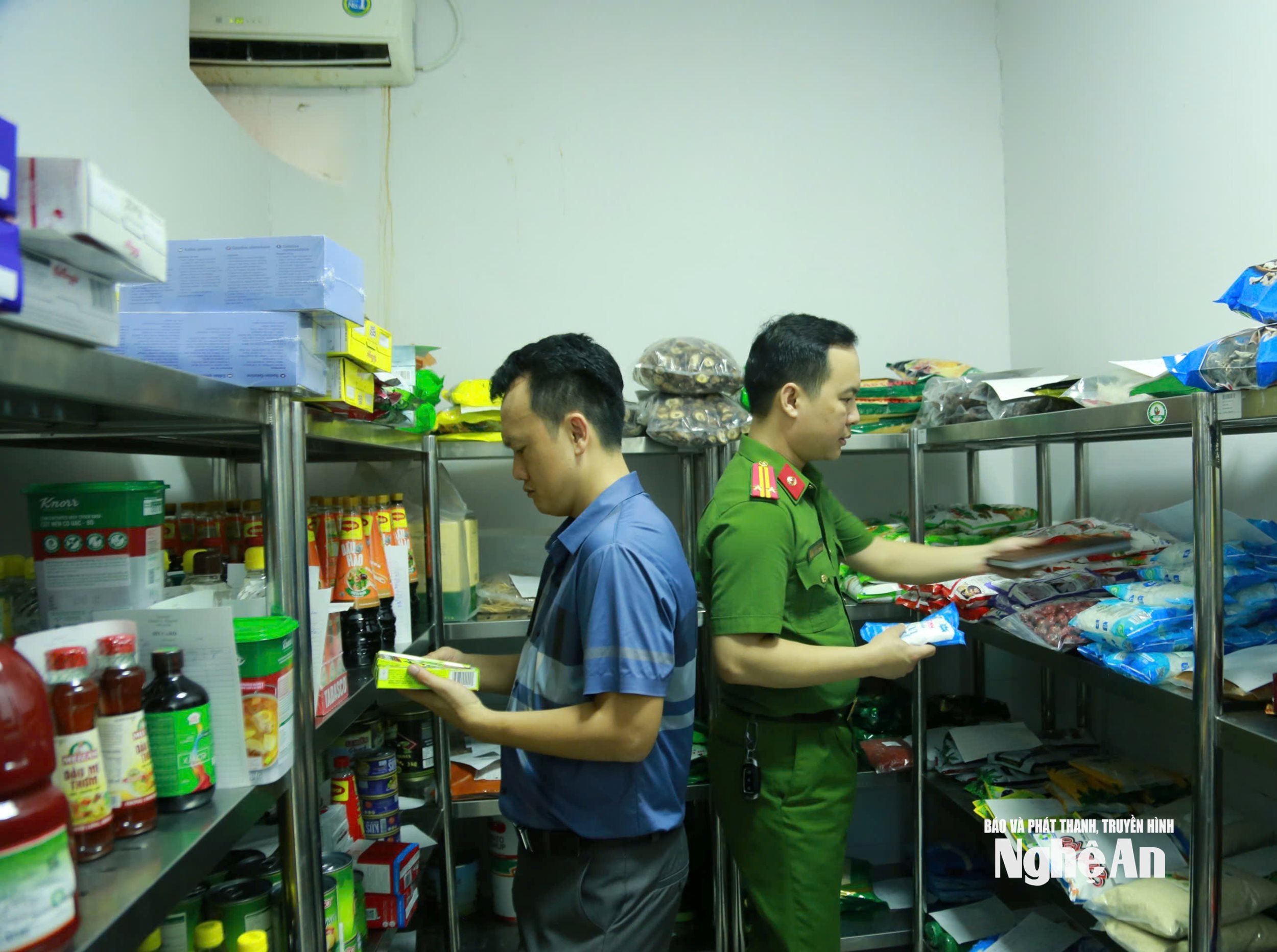
PV:What difficulties and obstacles are currently being encountered in the inspection process?Sir?
Mr. Nguyen Van Thuong: Firstly, regarding human resources: The workforce responsible for food safety, especially at the commune level, is insufficient and often handles multiple tasks, while the number of food production and business establishments is increasing, with many being small-scale, scattered, and difficult to monitor regularly.
Secondly, regarding sanctions and management tools: although the regulatory system is relatively comprehensive, some penalties are not sufficiently deterrent compared to the profits from violations; post-inspection handling measures, especially monitoring corrective actions, still face difficulties. The application of technical measures in food control at establishments remains limited.
Thirdly, regarding compliance: there is still a segment of businesses that prioritize profit over strict adherence to regulations; there is a tendency to comply with inspections, acting correctly only during inspections but not consistently.
Fourth, regarding the specifics of management: many establishments are small, seasonal, operate flexibly, change locations, or even operate without registration, making it difficult to compile lists, monitor, and conduct thorough inspections.
Fifth, regarding management coordination: responsibilities have been clearly defined, but in some places, coordination between sectors and levels is not yet truly effective; the regular supervisory role of local authorities has sometimes not been fully utilized.
Given these difficulties, it is necessary to tighten post-inspection and simultaneously raise the compliance awareness of businesses. If these factors are not addressed comprehensively, the effectiveness of inspections will be difficult to sustain.
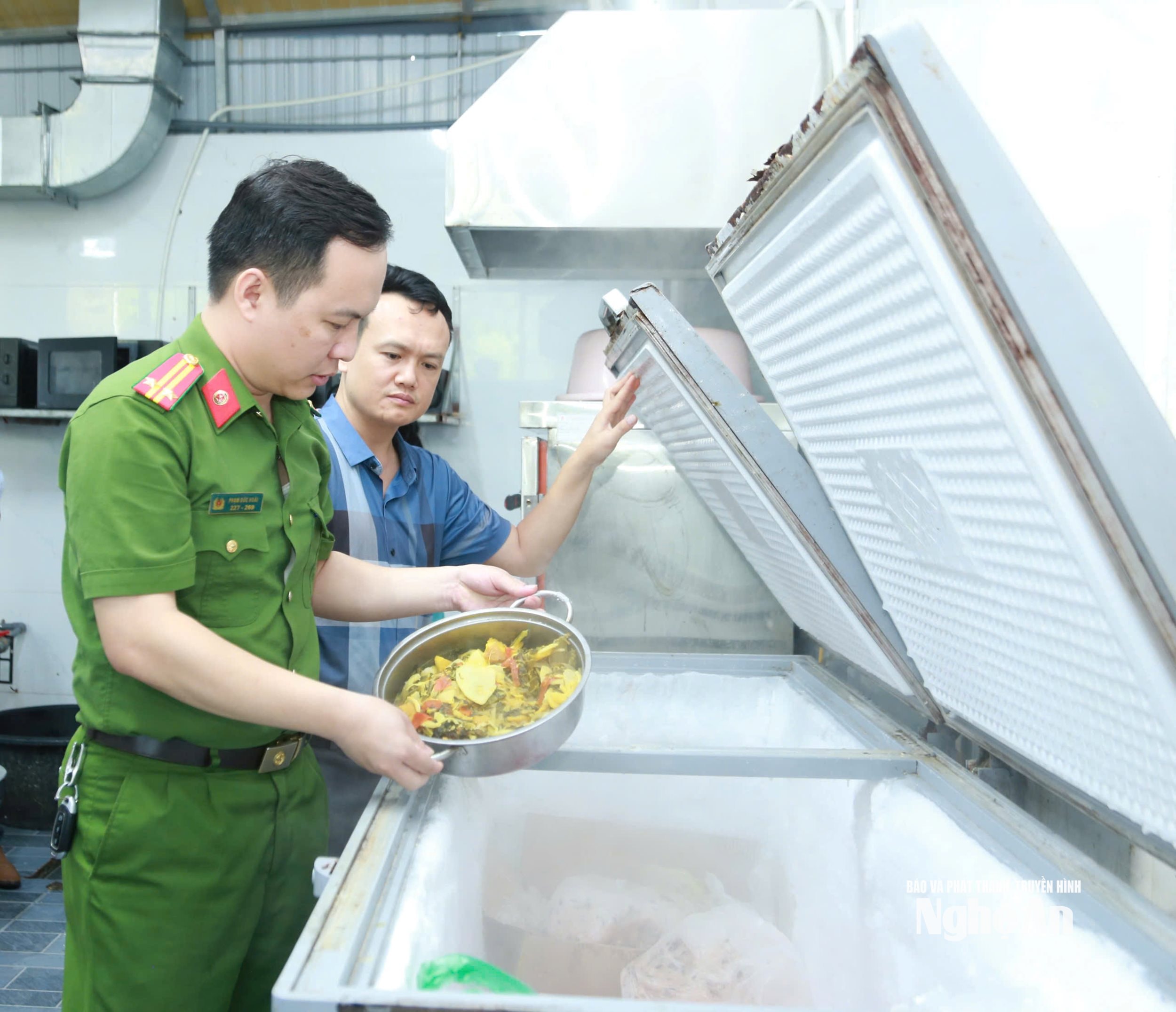
PV: How is the responsibility for food safety management currently divided among different sectors and localities? Are there any overlaps or gaps, sir?
Mr. Nguyen Van Thuong:Regarding the current decentralization of food safety management responsibilities, it is based on the Food Safety Law and Government Decree No. 15/2018/ND-CP dated February 2, 2018, detailing the implementation of several articles of the Food Safety Law. In Nghe An province, food safety management is currently carried out according to Decision No. 11/2021/QD-UBND dated May 20, 2021, of the People's Committee of Nghe An province, which stipulates the assignment, decentralization, and coordination in state management of food safety in Nghe An province. Specifically, state management of food safety is assigned to three sectors: Health, Agriculture and Environment, and Industry and Trade, as well as the People's Committees at the commune level.
Food safety management is currently divided relatively clearly among different sectors according to legal regulations, with virtually no overlapping functions or responsibilities as stated in the documents. However, some shortcomings still exist in the practical implementation process:
Firstly, in some areas, the overlapping nature of products leads to duplication in inspection and supervision activities among different agencies. Secondly, at the grassroots level, especially at the commune level, professional capacity and resources are limited, resulting in lax management of some small-scale businesses and street food. Thirdly, food chain management is limited, and traceability and control throughout the production-to-consumption chain are not yet synchronized.
PV: In cases of food poisoning, the responsibilities of the business establishment and the regulatory agency are determined. How is it, sir?
Mr. Nguyen Van Thuong: The management agency is responsible for managing, supervising, inspecting, investigating food poisoning incidents, and handling violations by food production and business establishments, as well as food service businesses, that cause food poisoning within its jurisdiction, according to assigned responsibilities, hierarchical levels, and legal regulations.
Food production and business establishments are responsible for notifying and cooperating with state management agencies in the investigation and handling of food poisoning incidents; bearing all treatment costs for those affected and compensating for damages in accordance with civil law.
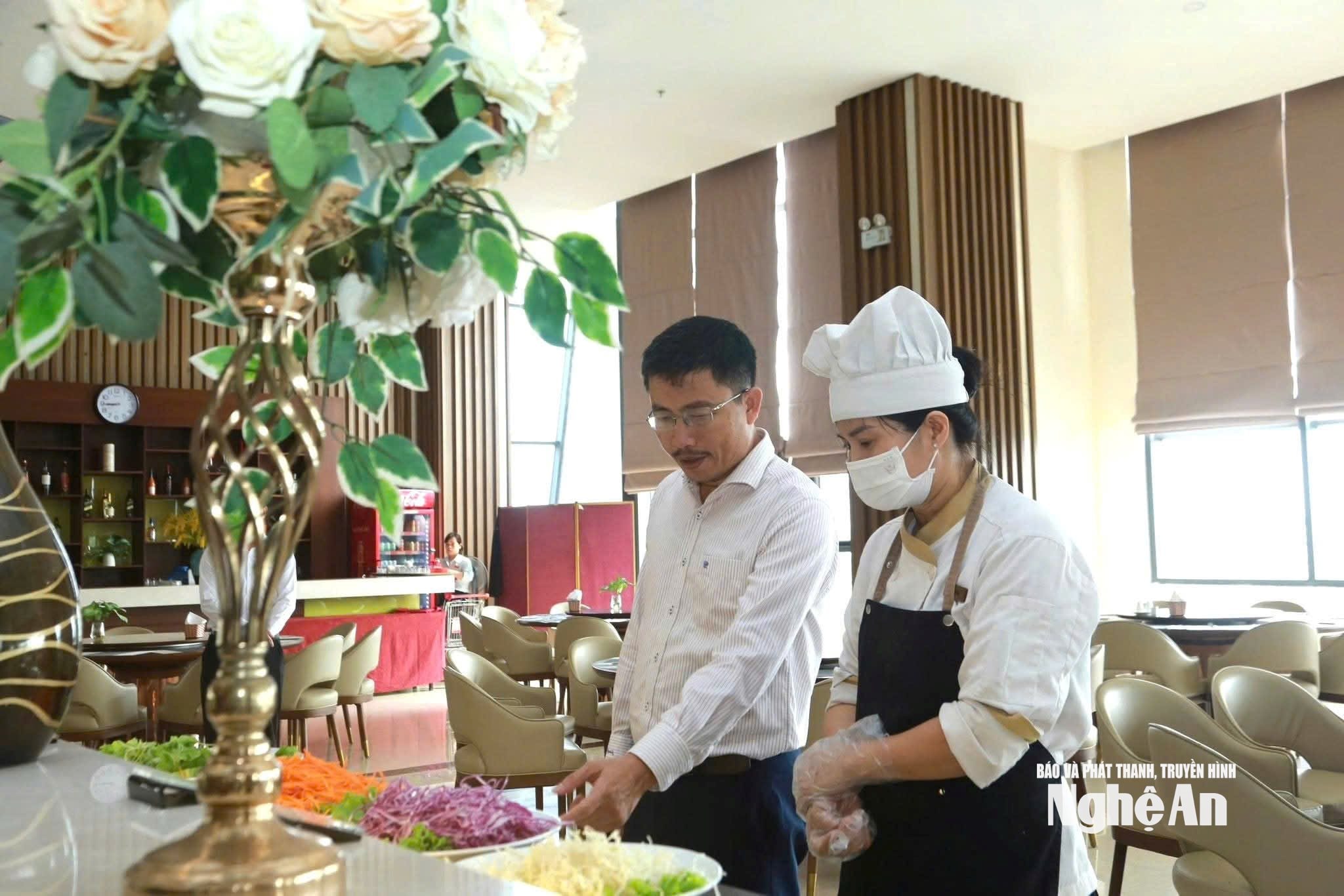
PV: In your opinion, what needs to be done to shift from "inspection and punishment" to "prevention at the source"?
Mr. Nguyen Van Thuong: To shift from a "check and penalize" approach to a "prevention at the source" approach, a comprehensive implementation of specific measures is needed, including: developing plans for concentrated production models and chain-based production and distribution to control risk factors throughout the entire process of food harvesting, catching, raising livestock, cultivating, producing, and distributing food. All levels and sectors need to strengthen food safety communication to food producers and businesses. Improve the capacity of grassroots levels, especially at the commune level, in monitoring, guiding, and early detection of food safety risks in the community. Strengthen monitoring, inspection, and strictly handle food safety violations. Publicly announce food safety violations to enhance education and deterrence for food production and business establishments. Apply information technology in management, monitoring, early warning, and information disclosure to prevent violations.
PV: The recent food poisoning incident after eating bread in Dien Chau commune has caused widespread concern. What warnings has the health sector drawn from this incident regarding street food – which is becoming increasingly common?
Mr. Nguyen Van Thuong: Processed foods, if not properly stored, pose a high risk of bacterial contamination. The origin of the ingredients is a key factor. Foods produced manually, without strict hygiene controls, are highly susceptible to contamination by pathogenic microorganisms.
The role of the person directly handling the food is also particularly important. Not washing hands properly, not wearing gloves, or using the same utensils for raw and cooked food are common causes of cross-contamination.
Street food vendors must strictly adhere to regulations regarding hygiene conditions, food storage at appropriate temperatures, and processing of food on the same day, avoiding the use of ingredients that have been stored for extended periods.
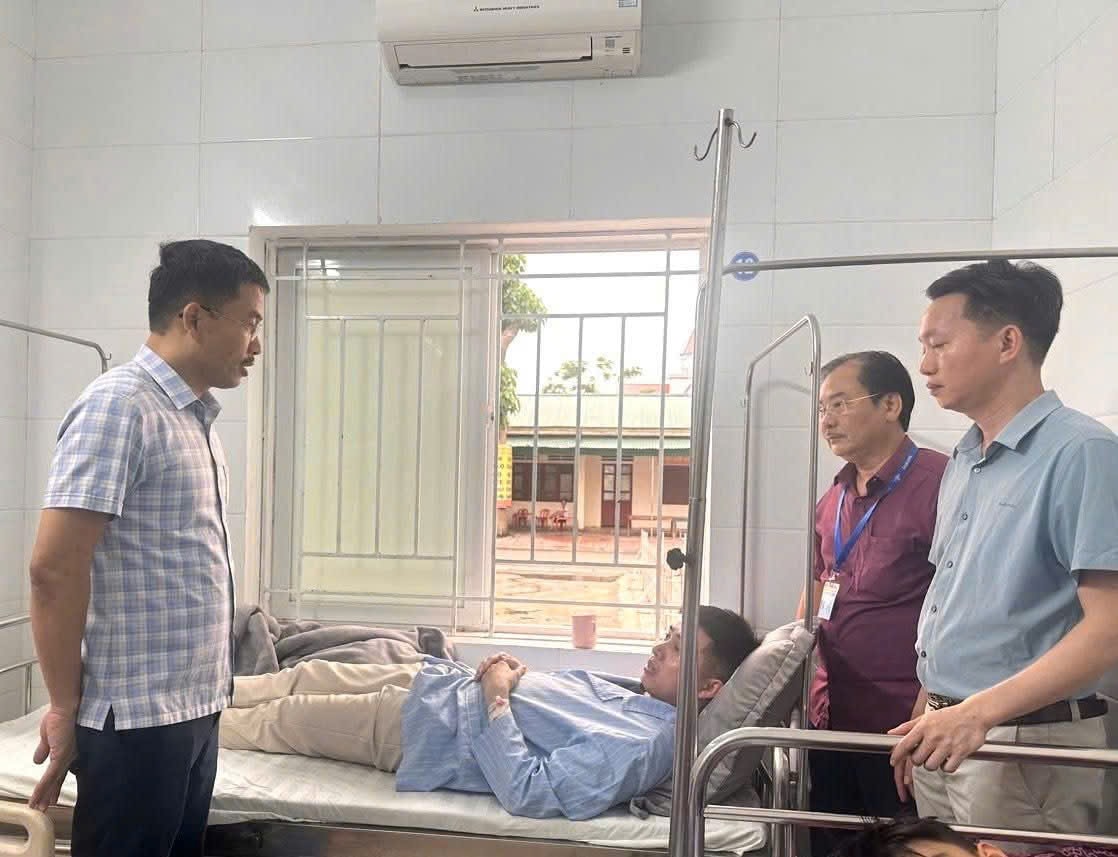
Reporter: What is the current situation regarding food poisoning incidents in the area since the beginning of the year?
Mr. Nguyen Van Thuong: From the beginning of 2026 until now, there have been 2 cases of street food poisoning in Nghe An province due to eating bread, with nearly 200,000 people affected.200 people infectedThere were no fatalities. These food poisoning incidents usually occur sporadically because people buy and consume fast food (sandwiches, pâté) from street food vendors that do not meet safety standards.

PV: In your opinion, what signs should people look for to identify unsafe food, especially street food like sandwiches and fast food?
Mr. Nguyen Van Thuong:In my opinion, people should first choose clean establishments with proper shelter to prevent flies and dust. Observe the food preparation methods: ensure there is a distinction between raw and cooked food, and that gloves and tongs are used. Avoid foods with strange smells or unusual colors. Limit consumption of processed foods with many fillings, especially in hot weather.
PV: Yes, thank you, sir.


