
What vegetables are good for children and what should pregnant women avoid?
Some vegetables are very good for babies but harmful to pregnant women, so you need to be careful when shopping for fruits and vegetables for both groups.
Pregnant women should avoid
Bitter gourd:Although this fruit cools the body and relieves heat, for pregnant women, the substance that gives it its bitter taste can cause strong contractions in the stomach and uterus, leading to miscarriage or premature birth.
Sweet potato leaves:spinachIt contains papaverine, which can cause uterine smooth muscle contractions, easily leading to miscarriage and diarrhea. Therefore, you should be aware that if you eat more than 30g of fresh sweet potato leaves, you have a very high risk of miscarriage.
Vietnamese coriander:Vietnamese coriander has warming properties and aids digestion, but if consumed in large quantities, it can cause bleeding and uterine contractions.
Moringa leaves:It has a cooling effect and contains alpha-sitosterol - a hormone with a structure similar to estrogen that has contraceptive effects, so if you don't want to have children yet, you should eat a lot of this vegetable. However, if you are pregnant, it can cause uterine smooth muscle contractions and lead to miscarriage.
Spinach (also known as kale):Although spinach contains a large amount of iron, a study in Japan showed the opposite, that this vegetable worsens anemia. The reason is that spinach has a lot of acid in its composition, which prevents iron from being absorbed by the small intestine and may cause it to be expelled from the body. It's fine for normal people to eat, but pregnant women should be cautious.eat spinachToo much iron can interfere with the body's absorption of iron.
Green papaya:The papain enzyme in unripe papaya can damage embryonic cell membranes. Additionally, due to its high enzyme and latex content, unripe papaya can cause uterine contractions. However, ripe papaya is very good for pregnant women.
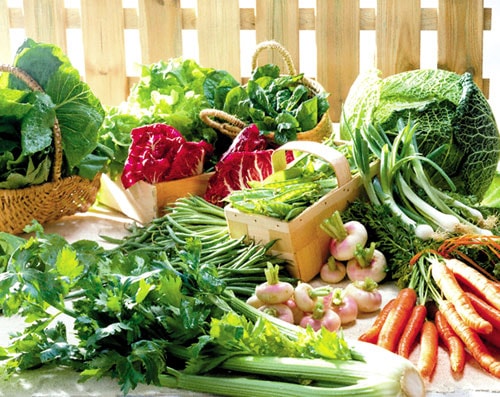
Encourage your child
Cauliflower:They are very rich in protein and essential amino acids that are beneficial for growing children. In addition, they contain plenty of folic acid (approximately 60µg of folic acid per 100g of cauliflower), which provides a source of iron, helping the baby's body develop fully.
Sweet potato leaves:100g of sweet potato leaves contain approximately 6,650µg of beta-carotene, a micronutrient that is converted in the body into...vitamin AIt helps improve your baby's eyesight and overall health. Additionally, it contains approximately 185g of vitamin C, which can help boost your baby's immunity; and about 6.2g of protein, which is 1/6 the protein value of a similar amount of seeds.
Jute plants:Jute leaves are rich in calcium, beta-carotene, and iron. They are cooling, high in fiber, and contain mucilage, which helps regulate bowel movements in babies – especially those who are still drinking formula.
Spinach:This vegetable is the richest in calcium among all vegetables, and it also contains vitamin B1, which is essential for a baby's body to metabolize carbohydrates, sugars, and proteins. Green amaranth is more nutritious than red amaranth.
Additionally, fiber-rich vegetables and whole grains help reduce the risk of constipation in children and are beneficial for pregnant women, but eating too much can cause bloating. Therefore, it's best to divide food into smaller portions and eat only a little at a time.
According to Women of Ho Chi Minh City - NT


