
Vegetable prices have increased due to the severe cold weather.
(Baonghean.vn) - Prolonged cold and rainy weather, along with frost, has caused difficulties for specialized vegetable farming areas. Meanwhile, continuously rising fuel prices and sharply increased transportation costs have impacted the price of vegetables imported from other provinces and cities.
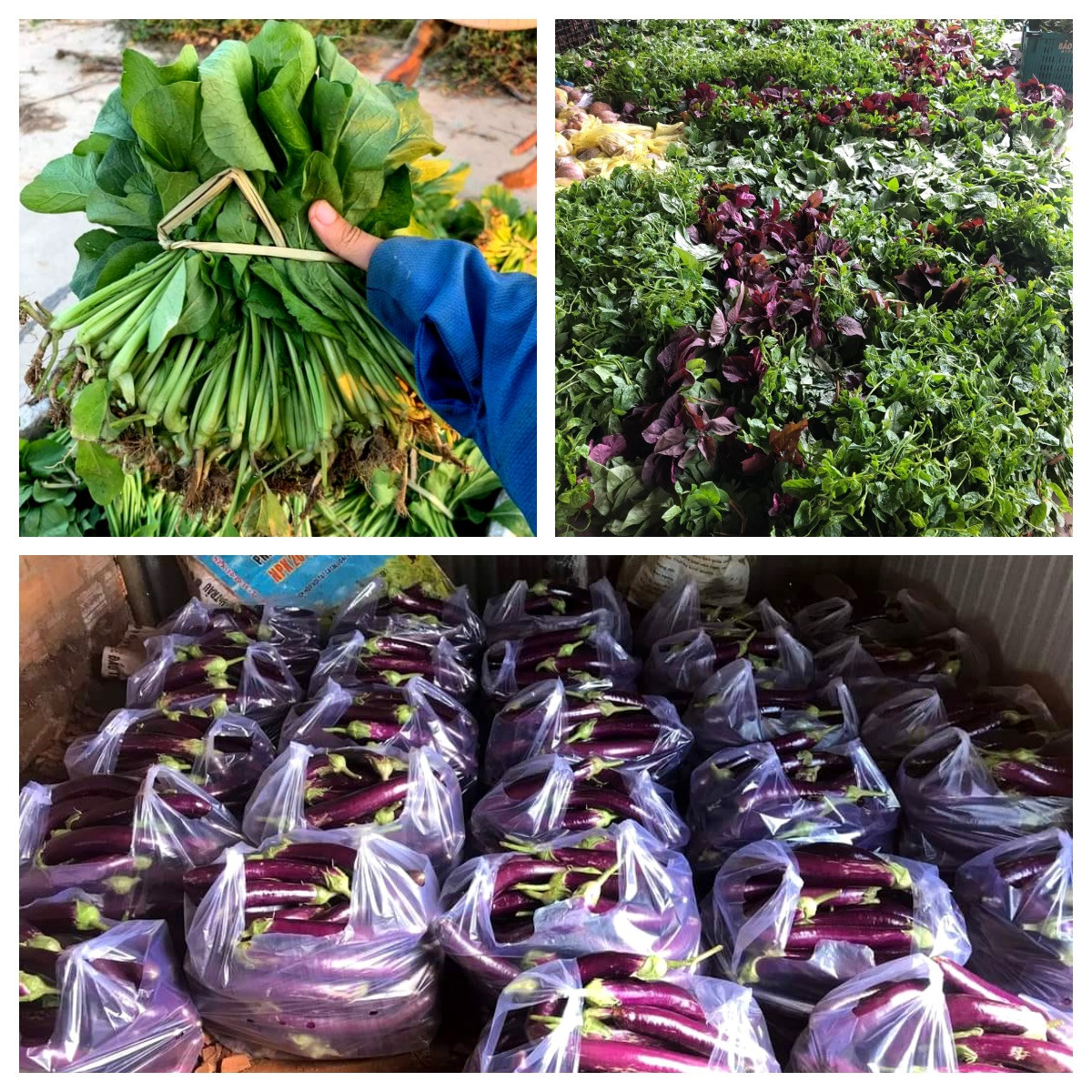 |
| Currently, the prices of green vegetables at the market have all increased, with some doubling or even tripling compared to before. Photo: Thanh Phuc |
Currently, in local markets, the prices of vegetables and fruits have doubled, or even tripled, compared to before. The variety and abundance of vegetables are also not as great as before Tet (Lunar New Year).
According to the survey, the current prices of leafy greens are 8,000 - 10,000 VND/bundle (double the previous price), chrysanthemum greens 5,000 VND/bundle (triple the previous price); potatoes and carrots 18,000 - 20,000 VND/kg (one and a half times higher); cauliflower 20,000 VND/head (double the previous price), sweet potato leaves 40,000 VND/kg (triple the previous price)... compared to vegetable prices 10 days ago.
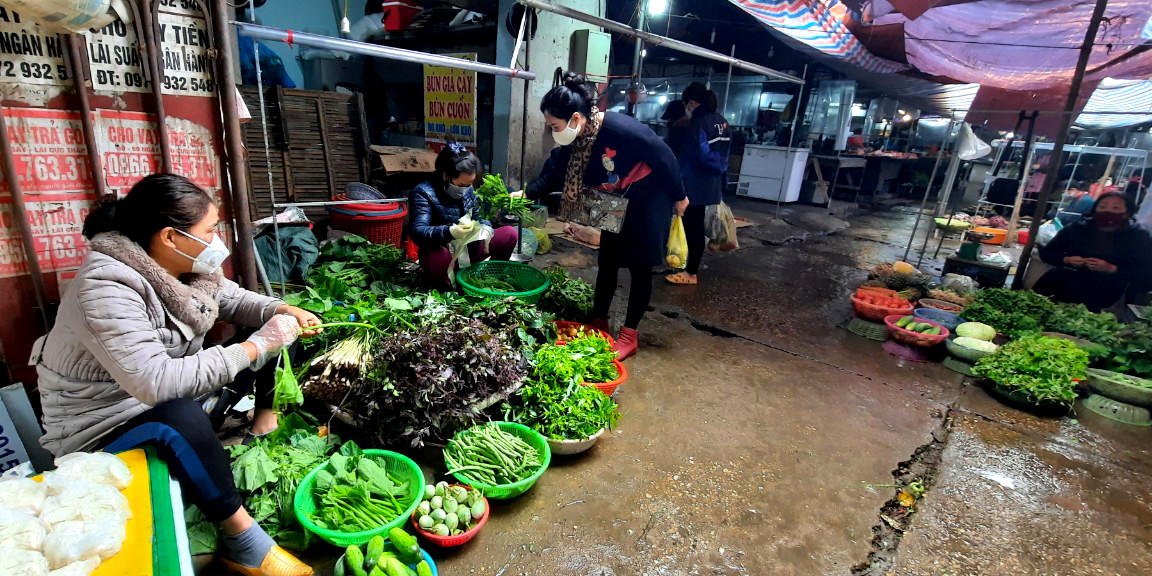 |
| At the market, the variety of vegetables is not as diverse as before, mainly consisting of young shoots of the water spinach plant, squash, and eggplant. Photo: Thanh Phuc |
Ms. Dang Thi An (Hung Chinh commune, Vinh City) said: "Vegetable prices have risen sharply. Before, 20,000-25,000 VND was enough for a vegetable soup for a family of 5, but now the cost of vegetables alone is up to 50,000 VND per day."
Explanation for the reasonGreen apples are increasing in price.According to Ms. Nguyen Thi Hang, a small trader in Quynh Tan commune (Quynh Luu district) selling vegetables at Vinh train station market: “Currently, the supply of vegetables in some specialized vegetable-growing areas of the province has decreased significantly. Meanwhile, the supply of vegetables imported from Da Lat or northern provinces has also increased due to rising transportation costs as fuel prices continue to climb, forcing retail vegetable prices at local markets to increase.”
In the regionsspecialized vegetable farmingIn provinces such as Dien Chau, Quynh Luu, and Nam Dan, most of the fields and meadows are planted with newly sown vegetables, and the harsh cold weather is making it difficult for the plants to grow.
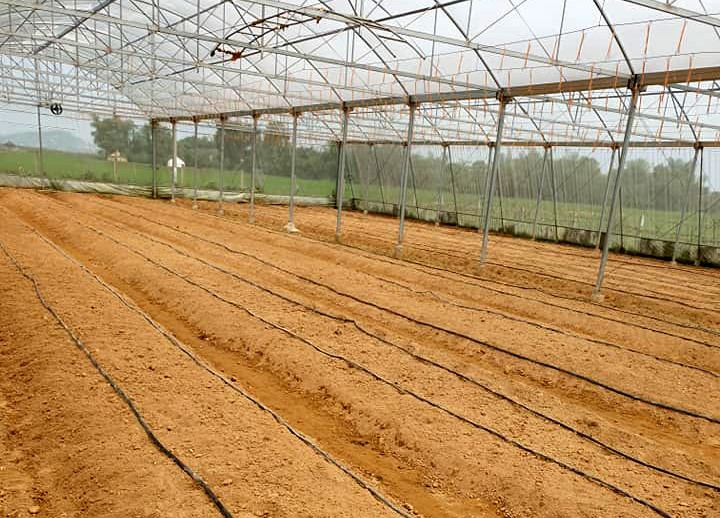 |
| Many greenhouses in Nghi Long commune (Nghi Loc district) were unable to plant vegetables after harvesting Tet flowers due to the severe cold weather. Photo: Thanh Phuc |
Mr. Ho Mau Tuan, Director of the Quynh Minh Agricultural, Fisheries, and Salt Service Cooperative, said: “Partly due to unfavorable weather conditions, with rain, cold temperatures, and frost causing difficulties in production; partly because farmers have just finished harvesting the Tet crop and are currently planting the new crop after Tet, and have not yet harvested. The severe cold has slowed down vegetable growth, tomatoes haven't ripened, and frost has damaged vegetables, making them easily spoiled, so the amount of vegetables supplied to the market has decreased significantly.”
And atsafe vegetable growing area in Nghi Long communeIn Nghi Loc, with nearly 10,000 square meters of greenhouses, after harvesting the Tet flower crop, people have cleared their gardens, prepared the soil, and are planting various vegetables such as cabbage and cucumbers. However, it will be more than a month before the products are ready for sale. Currently, in the Nghi Long vegetable fields, only green squash, pumpkins, pumpkin shoots, and eggplant are being harvested, and the prices of these vegetables have increased compared to before, making the farmers very happy.
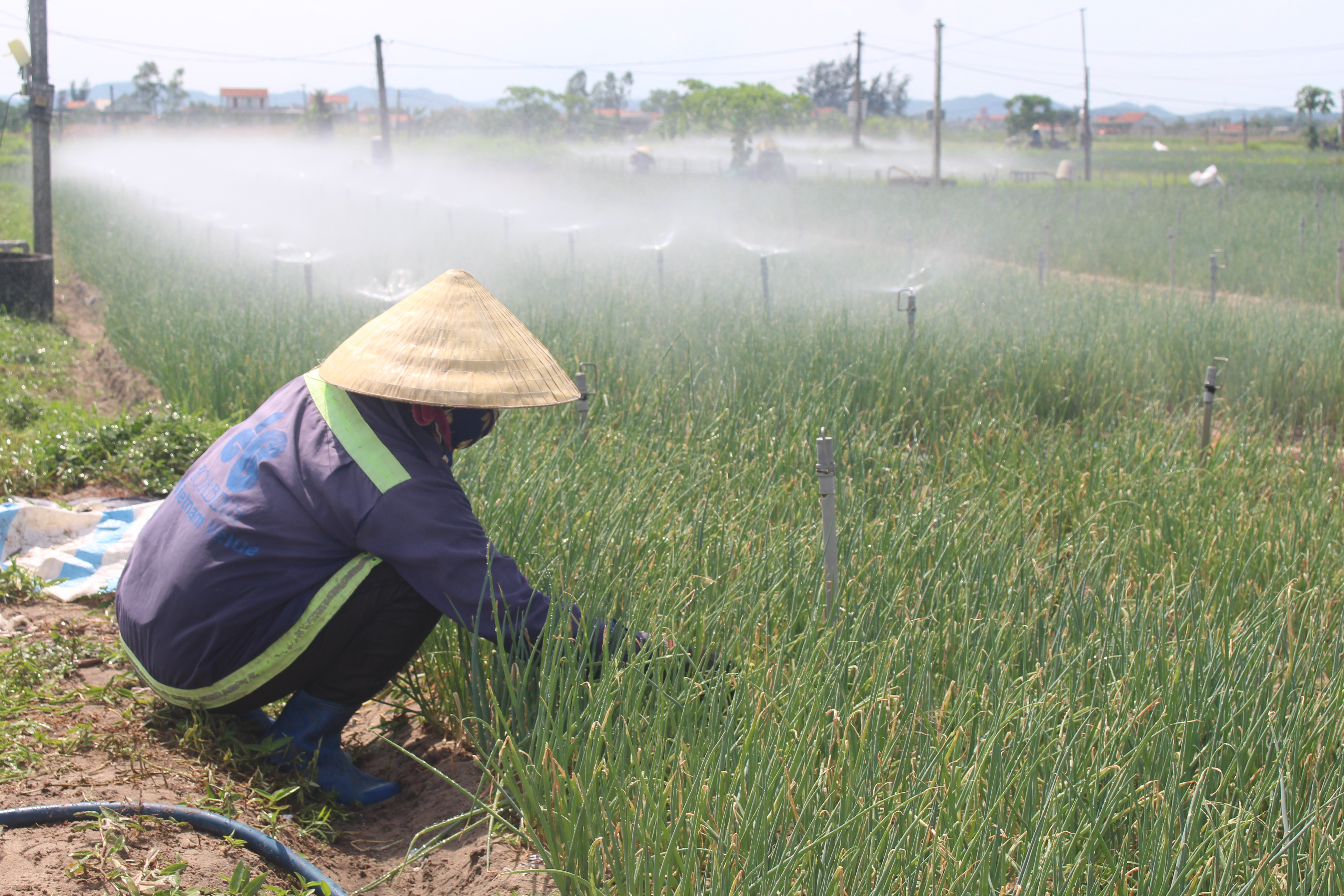 |
| Large areas of scallion fields in Quynh Luu suffered leaf burn due to frost and prolonged cold weather. Photo: Thanh Phuc |
The scarcity of vegetable supply, coupled with rising transportation costs due to fuel prices, has also led to a price increase for vegetables imported from other provinces and cities.
According to forecasts, vegetable prices will remain high for at least another month, until vegetable cultivation areas expand and begin to yield harvests, at which point prices will "cool down".


