
Yen Trung, the "epicenter of flooding," has relocated nearly 200 households.
After relocating 30 vulnerable households since yesterday (August 24th), Yen Trung commune is currently focusing on mobilizing and taking advantage of the reduced rainfall to relocate another 150 households in areas at high risk of flooding and landslides.
With the water from the Dai Hue, Dai Ban, and Da Da mountain basins flowing in, combined with water from the Thach Tien and Khe Ngang dam basins, and overflowing from the Nha Le Canal due to the unbuilt Hung Trung embankment, the low-lying Yen Trung commune has become a "flood epicenter".
By the afternoon of August 24th, Yen Trung commune had relocated more than 30 households to families living in sturdy, elevated houses. Mr. Hoang Duc An, the Standing Deputy Secretary of the commune, stated: "These are single-parent, vulnerable families."
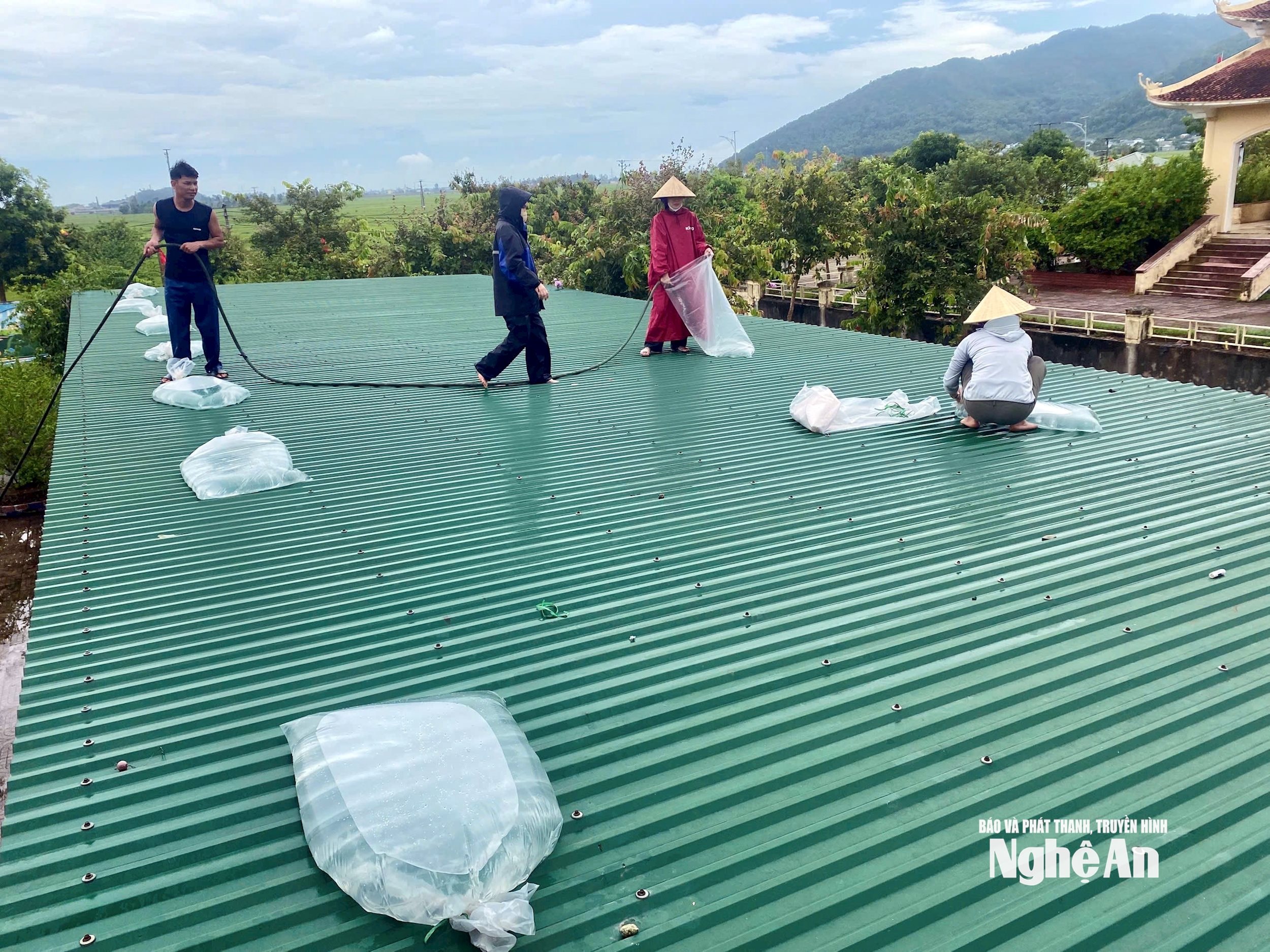
Today, August 25th, facing a high risk of flooding and landslides in several areas, Yen Trung plans to relocate an additional 150 households to schools, offices, and high-rise buildings. This includes residents in high-risk flood areas (including the entire Xuan Yen area, Hamlet 5 Trang Nua, households in the outer fields of Bui Chu and Bui Thuong areas, etc.); and landslide-prone areas (Ram Mountain, Ray Mountain, Dinh Ngo Mountain, and the area bordering Luoi Hai Mountain).
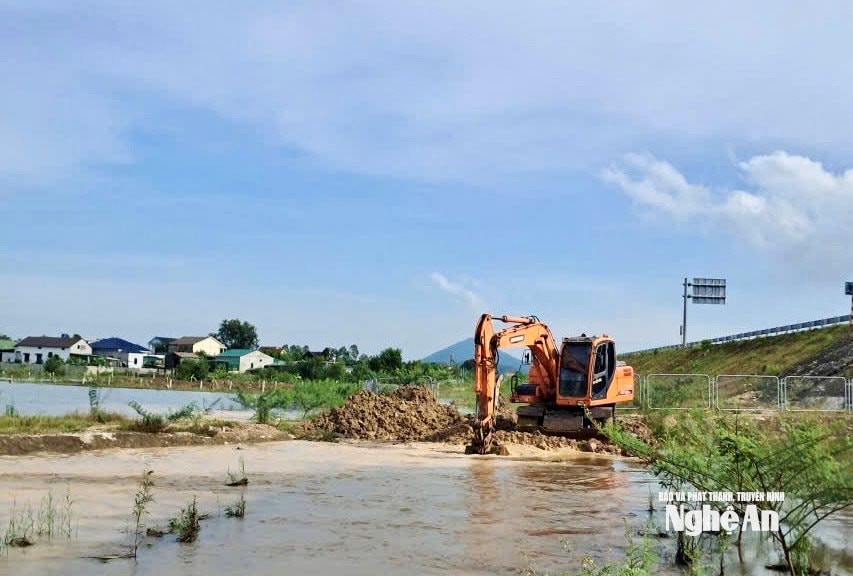
“The goal is to absolutely ensure the safety of people's lives, prioritizing vulnerable groups such as children, the elderly, pregnant women or women with children under 12 months old, people with disabilities, people with serious illnesses, and the poor. We also instruct and require people to bring enough food, water, and essential supplies for three days,” said Mr. Hoang Duc An.
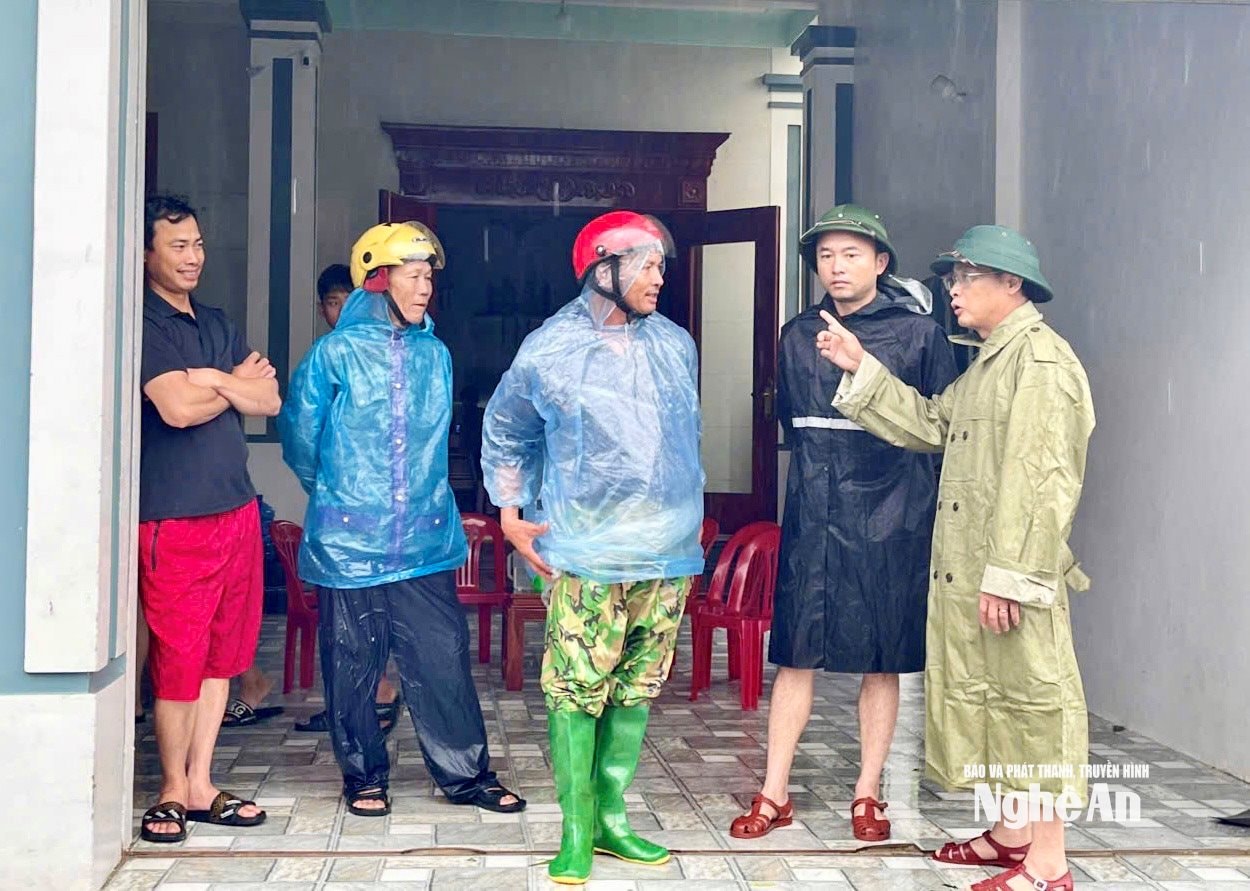
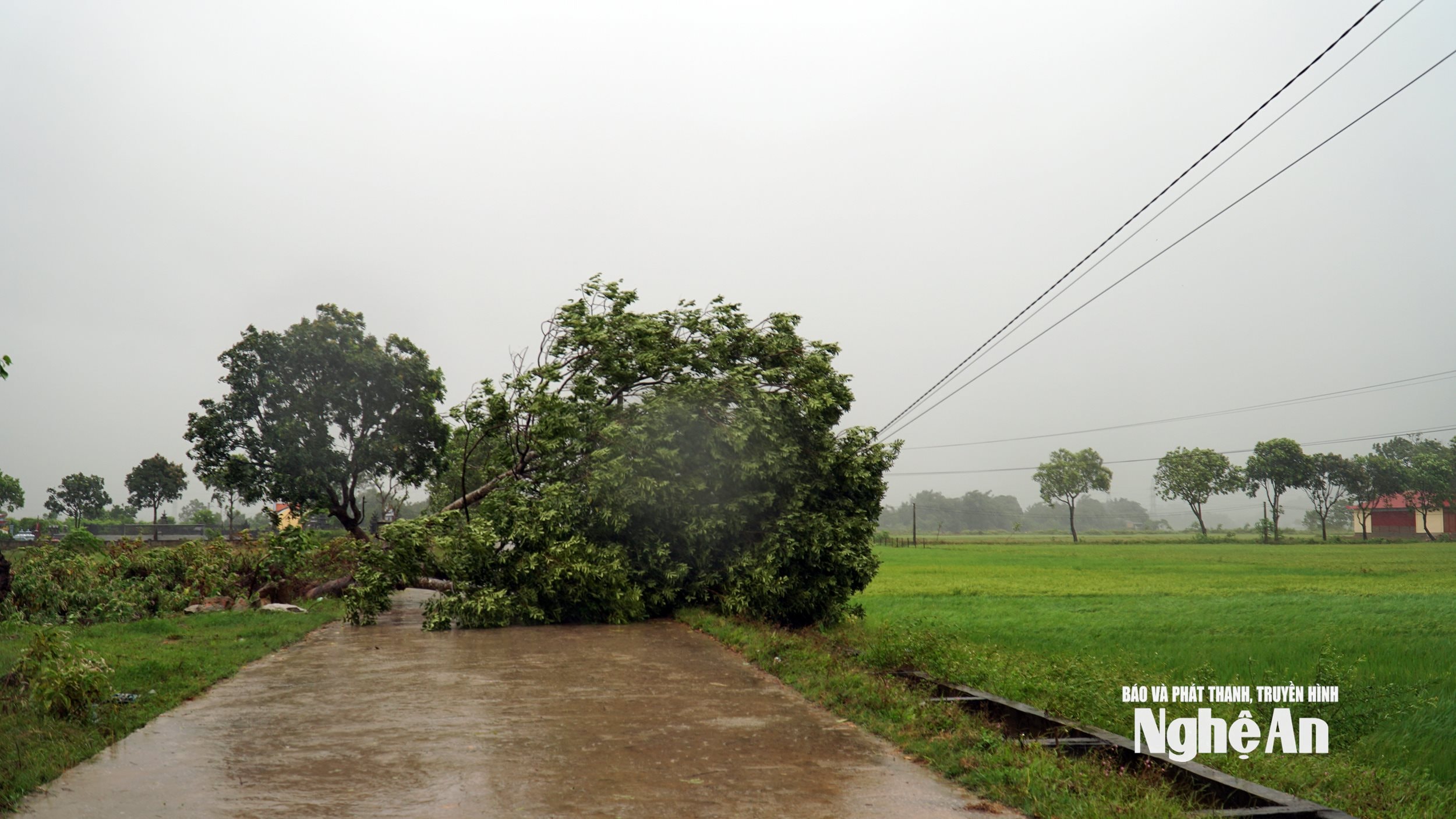
The relocation plan was scheduled for 2 PM, but due to heavy rain, the forces in Yen Trung commune are currently going door-to-door to spread awareness and persuade residents, while also preparing all necessary conditions to quickly relocate them to safe areas whenever the rain subsides.
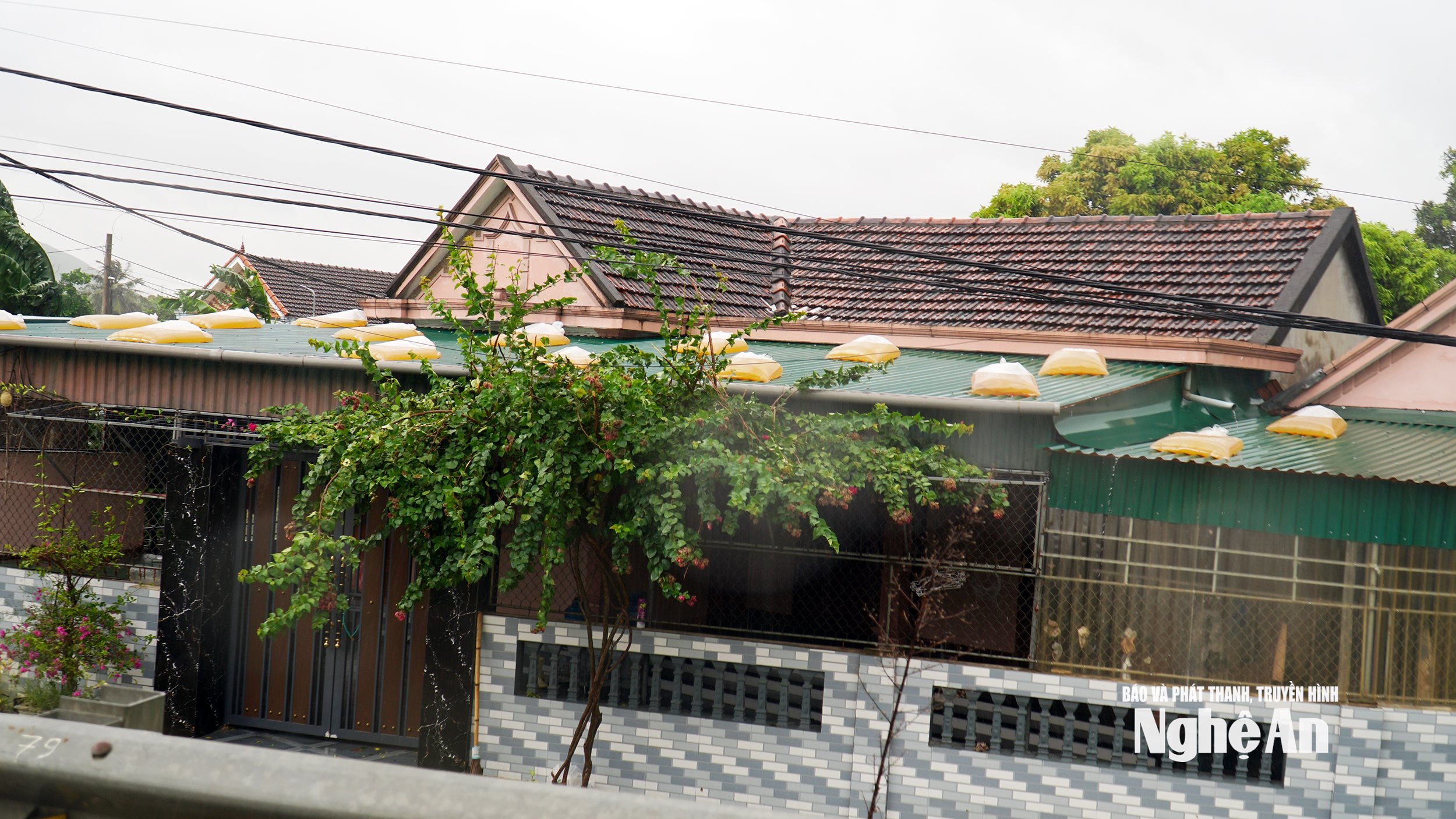
Currently, in low-lying areas, people have proactively raised their belongings and moved them to higher ground to avoid deep flooding and significant damage.


