
Mistakes to avoid when eating mangoes
According to nutrition experts, eating mangoes is not only nutritious and delicious but also helps the body fight against many diseases. However, some mistakes should be avoided when eating mangoes.
Do not eat on an empty stomach.
Whether ripe or unripe, absolutely avoid eating mangoes on an empty stomach. Even ripe mangoes still have a sour taste.
The sourness of this fruit can irritate the stomach, increasing gastric acid production and the risk of intestinal problems. Furthermore, it can easily lead to temporary intoxication or poisoning when consumed on an empty stomach.
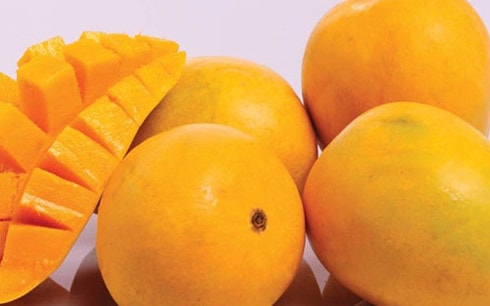 |
| Illustrative image. |
Do not eat when you have internal heat.
Mangoes aren't considered "heating" in nature as many people believe. However, ripe, sweet mangoes contain a lot of sugar, which isn't good for people with diabetes. High blood sugar levels promote bacteria on the skin, leading to skin problems like acne and boils. Additionally, children who eat too many mangoes may develop acne and rashes.
Do not eat mangoes that are too ripe.
The vitamin C content in mangoes decreases as the fruit ripens, so mangoes should not be allowed to ripen excessively.
Do not eat if you have an allergic reaction.
For people with sensitive constitutions or allergies to urushiol, eating mangoes can easily trigger an allergic reaction. Mild mango allergy symptoms may include itching around the mouth and on the lips, burning sensation on the tongue, dry eyes, and hives.
How much mango is enough to eat?
Mangoes are usually eaten raw, without cooking, so they retain a high content of vitamins and minerals. Therefore, eating too many mangoes is not good for health, especially for people who need to follow a diet such as those who are overweight, obese, have diabetes, or suffer from rashes, etc.
According to experts, during mango season, consuming 200-250g per day is the best way to ensure the body receives enough vitamins, fiber, and minerals.
How to choose delicious mangoes:
The fruit should be fresh and undamaged. You can check by pinching the stem and smelling it. If the stem has a fragrant, oily scent, it means the fruit is fresh and free of preservatives.
Ripe fruits are yellow and firm to the touch. Green fruits that feel soft to the touch are unripe, harvested early for longer storage. The firm, yellow fruits at the base of the tree are tastier and sweeter.
Choose mangoes with smooth, blemish-free skin. Don't focus too much on the color when choosing, as depending on the variety, mangoes can be green, yellow (ripe), or even red on one side – all are good. Color doesn't indicate ripeness or quality very well.
Mangoes that smell fragrant are ripe, but a lack of fragrance doesn't necessarily mean they're unripe. If you plan to eat them within a few days, choose mangoes that are firm.
Choose mangoes with smooth, even-colored skin, free from dark spots, and with a slightly indented area at the stem. Ripe, delicious mangoes will have a firm stem, not a soft one.
Another point to note is that on the underside of the mango, near the tip, you'll find a small "eye"; the smaller the eye, the smaller the mango seed.
According to VOV
| RELATED NEWS |
|---|


